
When a defective vehicle turns from inconvenience to legal battle, class action lawsuits can redefine the rights of auto consumers nationwide. Landmark cases under the Song-Beverly Consumer Warranty Act and other consumer protection laws have forced manufacturers to answer for widespread defects.
These major class actions have not only secured compensation for drivers but also strengthened transparency and accountability across the auto industry. If you’re facing similar issues, consulting a San Diego lemon lawyer can help you understand how these legal precedents may support your claim.
From Lemon Laws to Class Actions: How Individual Defects Became Systemic Fights
How a single repair order can spark a movement
The contemporary lemon law framework was established to tackle disputes over vehicles when multiple repair attempts prove ineffective. According to the Song-Beverly Consumer Warranty Act, consumers in California are entitled to a refund, replacement, or other remedies if a new or certified used vehicle exhibits ongoing defects. Initially, what were thought to be standalone lemon law claims have unveiled more widespread, recurring issues affecting specific vehicle models.
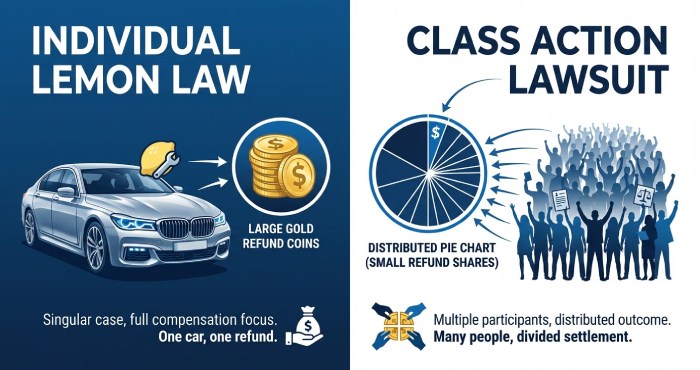
When a defect such as failure of the transmission or stalling of the engine — manifests in numerous vehicles, individual cases can progress into class action lawsuits. These collective actions address shared defect concerns on a larger scale, while California lemon laws continue to safeguard individual rights. In combination, lemon law solutions and class actions offer personal restitution as well as the possibility of accountability across the industry.
From personal buyback claims under California’s Lemon Law to extensive class action lawsuits targeting major automobile manufacturers, instances that begin in places like Palomar Mountain illustrate how localized vehicle issues can escalate into widespread systemic legal confrontations.
Landmark Cases That Moved the Needle (Ford DPS6, Nissan CVT, Hyundai/Kia Engine, Subaru Oil Consumption)
Ford Motor Company DPS6 Dual-Clutch Transmission Issues
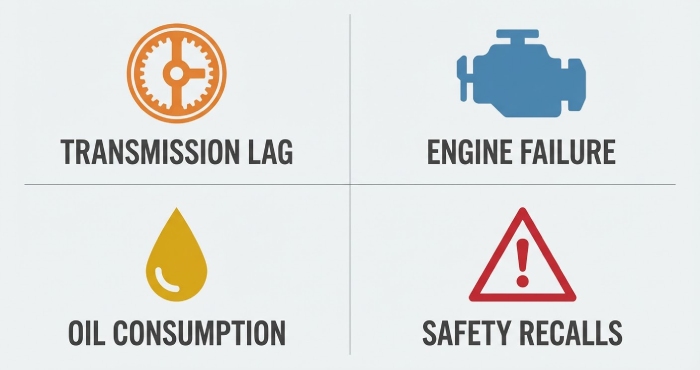
Class action lawsuits regarding the DPS6 transmission in Ford Focus and Fiesta vehicles cited issues such as shaking, lag in acceleration, and early wear. Owners’ repair records contributed to the evidence of widespread problems. Settlements offered various forms of compensation, including extended warranties, cash payouts, and buyback options for eligible vehicles based on local regulations and individuals’ claims history.
Nissan Motor Co. CVT Transmission Issues
Lawsuits concerning Nissan models equipped with CVTs, like the Sentra, Altima, and Rogue, alleged problems such as overheating, sluggish acceleration, and premature transmission failure. Settlements frequently included extended warranty coverage, reimbursements for repairs, and occasionally options for vehicle repurchase, with some owners seeking more robust solutions under state lemon laws.
Hyundai Motor Company / Kia Corporation Engine Issues and Subaru Corporation Oil Consumption Problems
Hyundai and Kia dealt with class actions and recalls linked to engine bearing failures and fire hazards, while Subaru faced claims regarding high oil consumption in certain engine models. Settlements generally featured extended powertrain warranties, reimbursements for repairs, and monitoring initiatives, leading some vehicle owners to weigh the benefits of class action relief against potential buyback options under individual lemon laws.
What These Settlements Deliver: Buybacks, Extended Warranties, Reimbursement, and Monitoring
The Variety of Solutions and When Buyback Programs Are Appropriate
Automotive class action lawsuits frequently provide long-term warranties for future security, along with reimbursements for previous repair expenses, occasionally including buyback options. In California, the Song-Beverly Consumer Warranty Act may offer more favorable outcomes, such as refunds or replacements, if repair documentation strongly supports a lemon law claim.
Management, Reimbursements, and Compliance Oversight
Successful settlements depend on clear communication, straightforward claim procedures, and rigorous monitoring to ensure that manufacturers meet their obligations and make timely payments. Vehicle owners should also take into account mileage adjustments and potential tax implications when comparing payouts from class actions with recoveries under California’s lemon law.
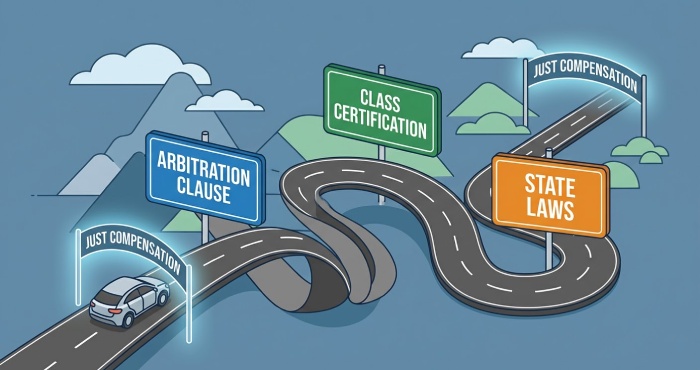
Procedural Potholes: Certification Hurdles, Arbitration Clauses, and State‑by‑State Variations
Key roadblocks that shape outcomes
Class certification requires common questions to predominate no small feat when vehicle usage, maintenance, and dealer practices vary. Manufacturers often argue that individual issues swamp common ones, while plaintiffs emphasize uniform design flaws. Arbitration clauses can divert cases from court; some class action lawsuits navigate this with opt‑out windows or arguments that public‑injunction claims are non‑arbitrable.
Meanwhile, state‑by‑state variations matter: California lemon laws are among the strongest, but other states may limit remedies, affecting leverage in settlement negotiations. Knowing when to proceed in a class action versus pursuing individualized lemon law claims is a strategic call best informed by a lemon law attorney who understands both the class landscape and the statutory lemon law process.
Owner Playbook: Documenting Defects, Joining or Opting Out, and Maximizing Relief
Practical steps to protect your claim and choose the right forum
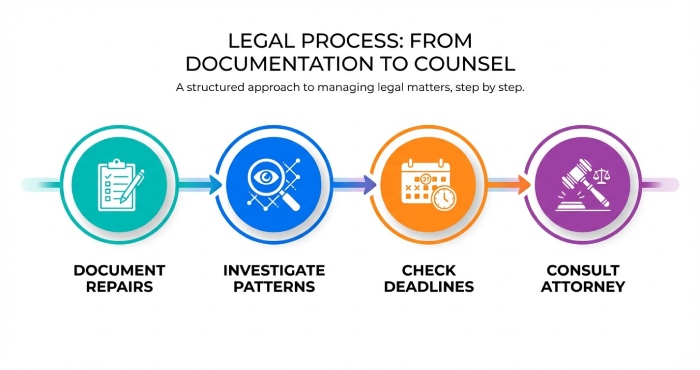
- Document Everything: Maintain comprehensive records of repair invoices, service updates, and technician observations to reinforce your lemon law or class action case.
- Investigate Discussions: Assess whether pursuing a class action or an individual claim under the Song-Beverly Consumer Warranty Act might yield a quicker resolution or greater compensation.
- Be Aware of Deadlines: Keep a close eye on settlement notifications and filing schedules to ensure you don’t miss your opportunity for reimbursement.
- Align Problems with Patterns: Vehicle owners affected by Ford DPS6 issues, Nissan CVTs, General Motors truck defects, Tesla software or battery problems, or Stellantis transmission issues should explore both class action suits and state lemon law remedies.
- Consider Your Location and Resources: Collaborate with specialized firms like California Lemon Law Guys or knowledgeable local attorneys who are well-versed in California lemon laws and national class action proceedings.
- Choose representation wisely: Why hire a lemon law attorney? Because aligning the lemon law process with class action timing, settlement terms, and buyback program criteria takes experience. For guidance from top lemon law lawyers, consider interviewing multiple firms to compare strategy.
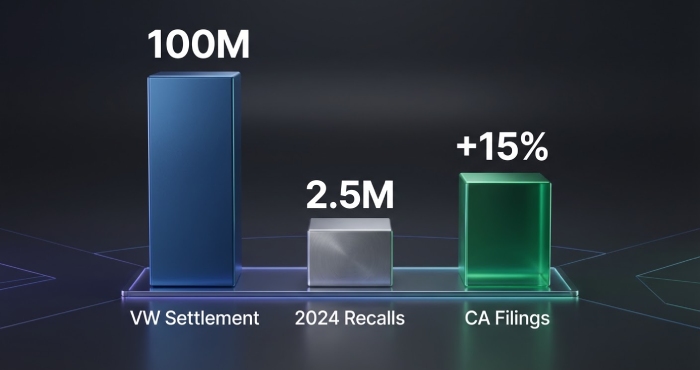
Latest statistics and major class action
| Point | Latest Statistic (Brief) |
| Volkswagen Diesel Settlement (2016) | $15.3B paid; ~475K owners compensated% |
| Auto Defect Class Actions | $800M+ recovered from major automakers |
| California Lemon Law Filings (2024) | 50%+ increase year-over-year |
| U.S. Vehicle Recalls (2024) | ~29 million vehicles recalled |
| Consumer Awareness | 60–70% buyers unaware of lemon rights |
Manufacturers like General Motors (including GMC and Chevrolet), Ford, Nissan, Chrysler, Dodge, Jeep, Ram, and Tesla face evolving scrutiny as class action lawsuits and lemon law claims continue to surface. The intersection of settlements, monitoring provisions, and the statutory remedies available through California lemon laws gives owners multiple avenues to secure relief. With the Lemon law attorney calibrating strategy taking into account certification hurdles, arbitration clauses, and the comparative value of a buyback program drivers can turn individual frustrations into enforceable consumer rights.