
If an electric vehicle experiences ongoing battery issues, charging system failures, or constant software errors, it can become more of a hassle than a worthwhile purchase. Luckily, state lemon laws and the federal Magnuson-Moss Warranty Act offer essential safeguards for EV owners whose vehicles remain unrepaired after a fair number of tries.
This guide outlines the applicability of lemon laws to electric vehicles, what constitutes a significant defect, and the procedures owners can follow to seek a refund or a replacement.
What Makes an EV a Lemon: Eligibility rules, warranty basics, and how state laws and the Magnuson-Moss Warranty Act apply
A vehicle may be classified as a lemon if it has ongoing defects covered by warranty that significantly affect its functionality, worth, or safety, and the manufacturer fails to fix the problem after making a reasonable number of attempts. According to California’s Song-Beverly Consumer Warranty Act, along with similar laws in states such as New York, Texas, Pennsylvania, and Ohio, consumers need to demonstrate multiple repair attempts, prolonged periods out of service, and prompt notification to the manufacturer.
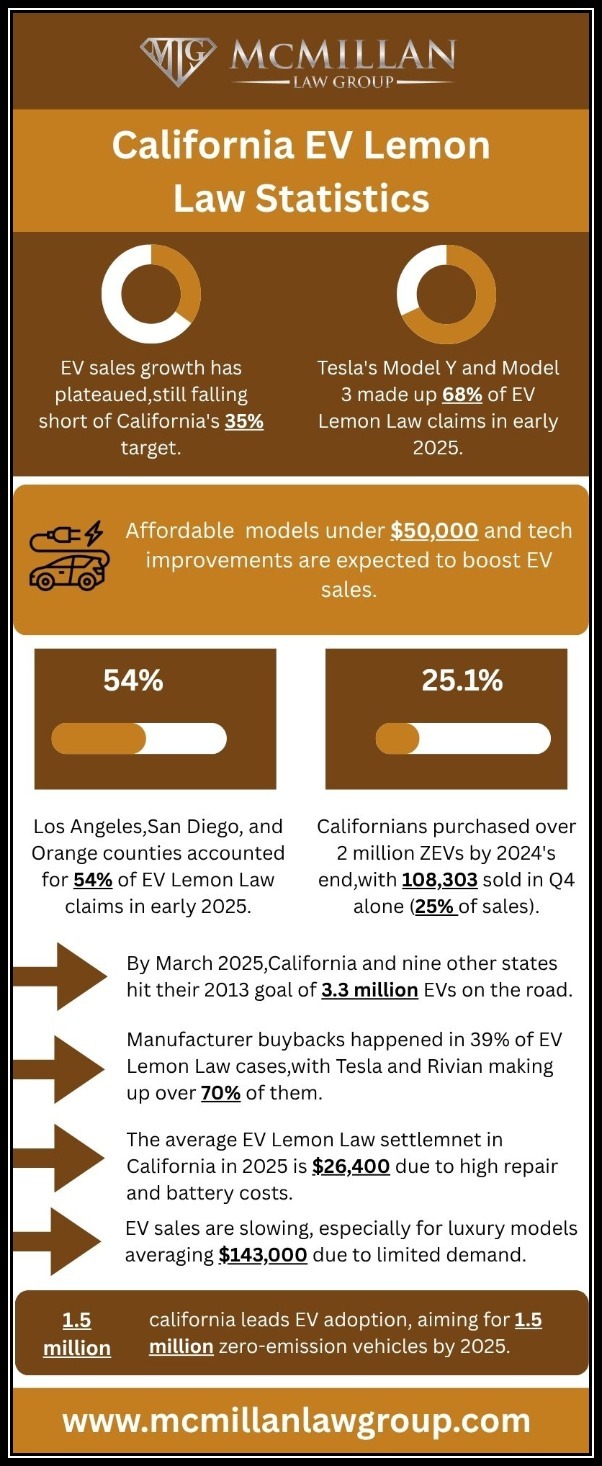
If the conditions are met, lemon law claims for electric vehicles generally allow for either a refund or a replacement car, which may also cover related expenses like towing or rental fees. Regardless of whether the vehicle is a Tesla, Chevrolet Bolt EV, Hyundai, Ford, Subaru Crosstrek Hybrid, or Volvo XC90 Recharge, the critical factor is establishing a connection between the defect and the warranty, as well as demonstrating that the manufacturer had enough chances to resolve the issue.

EV-Specific Defects and Coverage Boundaries: Batteries and range loss, charging hardware and software, thermal management, OTA updates, and common exclusions
Battery Performance, Range, and Thermal Management:
Significant battery deterioration or failures in thermal management that compromise range or safety could be covered under warranty if they do not meet the promised standards. Infrequent instances of battery fires, such as the recalls associated with the General Motors Chevrolet Bolt EV, can support lemon law cases when attempts to repair the issue fall short or when no long-term solutions are provided.
Charging Mechanisms, Software, and Connectivity Issues:
Ongoing charging problems, failures with over-the-air updates, or critical software issues — including those observed in Tesla vehicles — may be eligible for warranty claims if they significantly impair the vehicle’s functionality, value, or safety. In such cases, consulting a lemon law lawyer can help determine whether the defect meets your state’s legal standards for relief. However, normal battery degradation, temporary range reductions caused by temperature changes, post-purchase modifications, or charging infrastructure limitations typically do not qualify, provided warranty terms are being honored and documented repair attempts have been made.

From Complaint to Remedy: Arbitration options, buyback vs replacement vs cash settlement, mileage offsets, loan/lease payoff, charging equipment, and tax credit implications
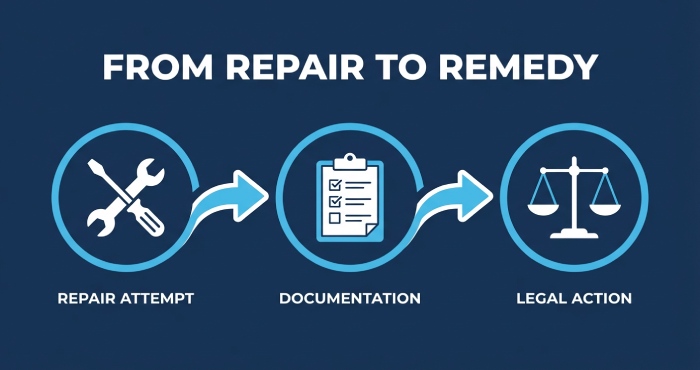
Once you’ve recorded ongoing defects and attempts at repair, you can pursue legal action, typically beginning with arbitration mandated by the manufacturer. To do this effectively, gather essential evidence such as service logs, diagnostic reports, photographs, and written notifications.
Outcomes, dollars, and details
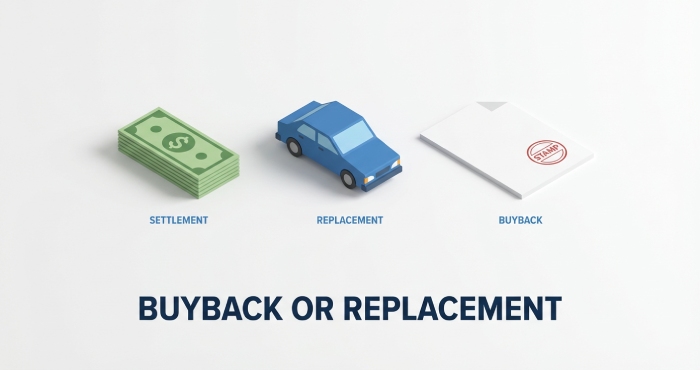
- Replacement or refund: Most statutes authorize replacement or refund when an electric vehicle qualifies. Some label this as refund or vehicle replacement and allow the owner to choose.
- Cash-and-keep: If repairs mostly work but value is diminished, a manufacturer settlement may provide a cash payment instead of buyback.
- Mileage offset: Lemon law buybacks usually deduct a usage fee based on the odometer at first repair.
- Loan/lease payoff: Buybacks should address lien or lease balances and, for leased EVs, disposition fees.
- Charging equipment: Clarify treatment of home EVSE, adapters, and mobile connectors; some settlements reimburse associated costs if the charging system defect caused extra expense.
- Tax credits and state incentives: A buyback can complicate federal tax credits or state incentives. Ask how a remedy impacts prior claims or future eligibility.
Special Situations and Smart Moves: Used and leased EVs, out-of-state purchases or relocation, commercial/rideshare use, safety recalls, choosing a lemon law attorney, and avoiding pitfalls
Purchasers of used and leased electric vehicles need to thoroughly examine their warranty entitlements since state lemon laws and the Magnuson-Moss Warranty Act may be relevant. Lessees should engage their lessor to ensure that any reimbursement or replacement includes lease-end charges and adheres to state regulations.
Eligibility might be restricted for commercial or rideshare applications; however, recalled vehicles like the Chevrolet Bolt EV, Hyundai Kona Electric, or Ford Mustang Mach-E could still be eligible for claims, particularly concerning outstanding battery or software issues, highlighting the importance of maintaining comprehensive documentation.
Choosing counsel, firms, and next steps
- Attorney consultation: Early advice helps frame notice letters, preserve claims, and select forums (arbitration vs. litigation).
- Local experience: California claims under the Song-Beverly Consumer Warranty Act are common; firms like Neale & Fhima and Jeffries Law frequently publicize results and guidance. In San Diego, many consumers start by contacting a lemon law attorney in San Diego for EV lemon law guidance.
- Compare options: Some lawyers focus on Tesla, while others handle hybrid vehicle defects such as Subaru Crosstrek EV or Volvo XC90 PHEV issues.
- Fees and recovery: Many statutes shift fees to the manufacturer if you prevail, easing the cost of legal remedy.
- Contact a specialist: If you need a direct referral, a qualified lemon law attorney can assess manufacturer defects, outline a strategy, and coordinate expert diagnostics.

Smart moves to avoid pitfalls:
- Don’t skip dealer visits; without documented repair shop visits, claims falter.
- Don’t rely on verbal assurances; put notice and deadlines in writing.
- Keep software updated but note any regressions after OTA patches.
- Confirm whether out-of-state purchases trigger different timelines or a separate repair threshold.
- Preserve charging data to distinguish infrastructure gaps from a defective electric vehicle.
Handled correctly, EV lemon law provides robust consumer protection when a modern electric vehicle suffers manufacturer defects, whether that means a replacement or refund, cash settlement, or another tailored legal remedy.