
Modern vehicles showcase remarkable engineering, yet even top manufacturers sometimes release models with hidden defects that affect performance, safety, and value. Recognizing these early signs can help you avoid costly repairs and risks. If such issues arise, California Lemon Law and skilled Lemon Law lawyers can help you take swift action to protect your rights and secure fair compensation.
Understanding Hidden Manufacturer Defects
Concealed manufacturer defects are hidden flaws in a vehicle’s design, construction, or assembly that affect its safety or performance. These issues often go unnoticed at purchase and may involve key systems like the engine, brakes, or airbags.
Such defects generally fall into three categories: design defects that affect an entire model line, manufacturing defects that occur during production and impact specific units, and component defects linked to faulty parts from suppliers.
The consequences can range from minor inconveniences to serious safety hazards like loss of control or fire risks. Beyond safety, concealed defects can lower a car’s resale value and lead to costly, recurring repairs.
Recognizing Early Warning Signs of Defects
Identifying manufacturing flaws early on demands careful observation and awareness. While some signs may seem trivial, they can reveal more significant underlying issues.
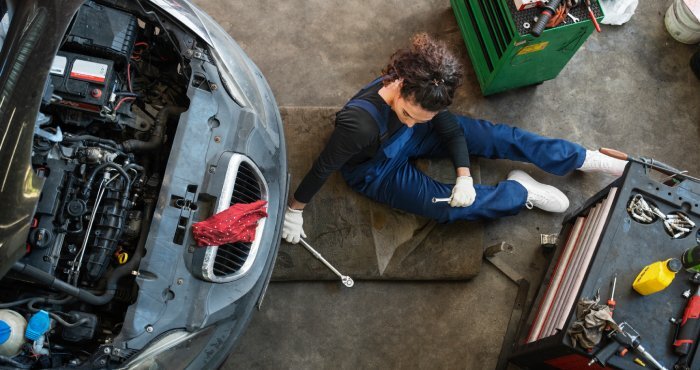
Odd Noises and Vibrations
Strange sounds often serve as the initial warning that something is amiss.
Engine Knocking or Tapping
A persistent knocking or tapping noise might indicate problems such as inadequate lubrication, damaged bearings, or piston issues — often a result of production or design errors.
Suspension Noises
Continuous creaking sounds during turns or over bumps may suggest flaws in suspension parts, like control arms or bushings.
Transmission Shaking
If your vehicle shakes or hesitates when shifting gears, the issue could be linked to a faulty torque converter or issues with the transmission’s software — categories frequently involved in manufacturer recalls.
Electrical and Dashboard Anomalies
The intricate electrical systems in modern cars regulate everything from lights to safety features. Failures can often foreshadow factory defects.

Inconsistent Warning Lights
When several warning lights activate at once — such as for ABS, traction control, and the check engine light — it might hint at a deeper electrical failure, potentially due to faulty wiring or malfunctioning control modules.
Random Power Loss
Unexpected power drops to accessories, flickering lights, or non-functional displays may signal problems with fuses, alternators, or electronic control units (ECUs).
Battery Issues or Short Circuits
Early battery failures usually arise from design shortcomings in electrical routing or improperly insulated wires, leading to short circuits or energy leaks.
Changes in Performance and Handling
Vehicles hiding defects may display subtle yet significant alterations in how they perform and handle.
Reduced Acceleration
A decline in power output or slow throttle response could point to issues within the fuel delivery system or engine settings, often related to sensor or software malfunctions.
Steering Issues
If your vehicle unexpectedly drifts, pulls, or feels unusually light when steering, it may indicate alignment troubles or defective steering components resulting from poor assembly.
Abnormal Brake Performance
Noises like grinding or squealing, or a noticeable decrease in braking ability, may be caused by failing calipers, rotors, or leaks in brake fluid — each posing severe safety hazards.

Physical and Visual Indicators of Manufacturing Defects
Defects aren’t always lurking within the intricate parts of mechanical or electrical systems; some are evident to a careful eye and can point to more significant underlying problems.
Body and Frame Concerns
Panel Alignment Issues
Gaps that are uneven between panels or misaligned doors may indicate subpar assembly or structural distortions that occurred during fabrication.
Surface Flaws
Bubbles, peeling, or discoloration in the paint may appear as minor aesthetic issues but could hint at more serious corrosion underneath due to inadequate application during manufacturing.
Unexpected Rusting
The appearance of rust in concealed areas, such as beneath seats or in the trunk, may suggest issues with sealing or moisture penetration — both of which can indicate flaws in design or assembly.
2. Interior Problems

Malfunctioning Seat Mechanisms
If the mechanisms for adjusting or locking the seats stick or fail, it could be a sign of poor design in the track or lever system.
Airbag Warning Light
A consistently illuminated airbag indicator could point to faults in the sensors or modules — a critical safety concern that demands immediate attention.
Climate Control Irregularities
Inconsistent heating or cooling, or nonresponsive vents, may result from faulty actuators or issues within the HVAC system design.
3. Fluid Leaks and Unpleasant Smells
Oil or Coolant Leaks
Any leaks found under your vehicle should raise alarms. These can stem from manufacturing defects in gaskets, seals, or hoses, potentially leading to overheating or engine failure.
Gasoline Odors
A fuel smell detected inside or near the vehicle can indicate a broken fuel line or injector seal, a serious safety hazard needing immediate intervention.
Burning Odor
A recurring burning scent might arise from defective electrical wiring, misaligned belts, or inadequate insulation — all of which suggest lapses in manufacturing quality.
Verifying and Addressing Suspected Defects
Keep Comprehensive Records
Maintain thorough documentation of all symptoms, repairs, and maintenance visits. Collecting photographs, videos, and mechanic evaluations can provide valuable evidence if you decide to file a complaint or seek legal action.
Look for Recalls and Technical Service Bulletins (TSBs)
Manufacturers frequently release recalls or TSBs to fix recognized issues. You can check if your vehicle’s model is impacted by searching its VIN on the National Highway Traffic Safety Administration (NHTSA) website.
Seek Guidance from a Certified Mechanic
A qualified inspection can help determine if the problem arises from a design or manufacturing defect. Always request a written report of their assessment for your records.
When Hidden Defects Become a Lemon Law Issue
If your car has persistent issues that the manufacturer fails to remedy despite multiple repair attempts, it may be deemed a “lemon” according to state Lemon Laws. Generally, a vehicle qualifies if it has serious defects, covered by warranty, that impact its safety, value, or functionality, and the manufacturer does not rectify the problem within a reasonable time frame. These laws aim to protect consumers from being burdened with unsafe or unreliable vehicles.
In such situations, a knowledgeable Lemon Law attorney, such as one specializing in California Lemon Law, can assess your case and seek solutions like a complete refund, a vehicle replacement, or compensation for related expenses like repairs, towing, and rentals. Having legal representation is essential, as manufacturers often seek to limit their liabilities or delay reaching a settlement. A competent lawyer will ensure that your documentation is complete, your rights are protected, and negotiations are conducted effectively to achieve appropriate compensation.

Preventive Measures and Smart Ownership Practices
Routine Maintenance Inspections
Conducting regular vehicle inspections is crucial for identifying potential issues or wear before they escalate into significant problems. Adhering to the maintenance schedule set by your manufacturer not only keeps your vehicle in excellent condition but also maintains warranty coverage. Performing timely upkeep enhances safety and prolongs the life of your car’s parts.
Check Fluids and Filters Regularly
Regularly monitor the levels of your oil, coolant, and brake fluid to ensure all vehicle systems are operating properly. A sudden decrease in fluid levels could signal leaks, damaged seals, or internal problems. Keeping filters clean and fluids replenished supports optimal performance and minimizes expensive repairs.
Pay Attention to Sounds and Signs
Your vehicle often communicates issues through strange noises, smells, or warning lights. Being observant and responsive to these signs can help you tackle concerns before they develop into serious malfunctions. Neglecting minor symptoms can lead to significant mechanical breakdowns over time.
Participate in Online Vehicle Communities
Joining online forums or specific owner groups can provide valuable insights into common problems or hidden flaws associated with your vehicle. Fellow owners frequently share their experiences, advice on repairs, and information about recalls. Being an active member of these communities allows you to stay proactive regarding your car’s dependability.
Register for Recall Notifications
By subscribing to recall alerts from the National Highway Traffic Safety Administration (NHTSA) or your vehicle’s manufacturer, you can stay informed about known issues. These notifications enable you to promptly address safety-related concerns. Staying updated safeguards you, your passengers, and your investment.

Request Detailed Maintenance Reports
Whenever your vehicle undergoes servicing or repairs, always ask for a detailed written report. This documentation creates a clear record of any issues, the work performed, and recurring defects—evidence that can be crucial when pursuing a Lemon Law claim or warranty dispute.
Verify Warranty Coverage
Before incurring expenses on repairs, check if the issue is included under your warranty or an extended service plan. Manufacturers often provide goodwill repairs for common defects. Understanding your coverage can lead to savings and ensure you’re treated fairly as a consumer.
Hidden manufacturer defects can lead to costly and unsafe vehicle issues if left unaddressed. By monitoring warning signs and documenting recurring problems, you can protect your investment and safety. If defects persist despite multiple repairs, a Lemon Law Attorney in San Diego, CA can help you pursue fair compensation under the California Lemon Law.