
Real-world victories under the California Lemon Law reveal how persistent vehicle defects can lead to powerful consumer remedies when manufacturers fail to act. In these true California lemon law cases, a Top lemon law attorney demonstrates how strategic documentation, timely repair attempts, and assertive legal action can secure buybacks, replacements, and civil penalties offering critical legal insights and practical lessons for consumers facing ongoing car troubles.
How California’s Lemon Law Works in Practice
Qualifying Defects and Presumptions
What Defines a Nonconformity
According to the Song-Beverly Consumer Warranty Act, a nonconformity refers to a defect that emerges within the warranty duration and significantly hinders a vehicle’s functionality, worth, or safety. This applies to all types of vehicles, including new, used (under warranty), hybrids, and electric models. To qualify as a nonconformity, the defect must be confirmed and recorded through repair documentation and consumer feedback, not just conjectured.
Assumptions Regarding Repair Attempts and Safety Concerns
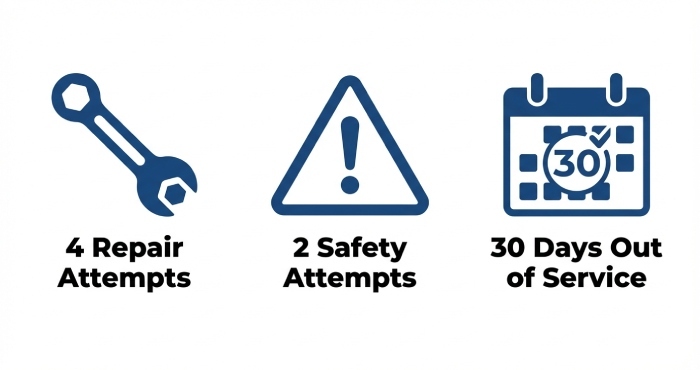
In the framework of California’s Lemon Law, the criteria for establishing a claim can be met if there have been four or more repair attempts for the same problem or two attempts for a serious safety defect. Additionally, if a vehicle is out of service for 30 or more total days, this may also indicate eligibility. Issues related to safety, such as failures in braking, steering, or airbags, can expedite claims because of their immediate threat to both drivers and passengers.
2. Remedies and Timelines
Refunds, Replacements, and Legal Penalties
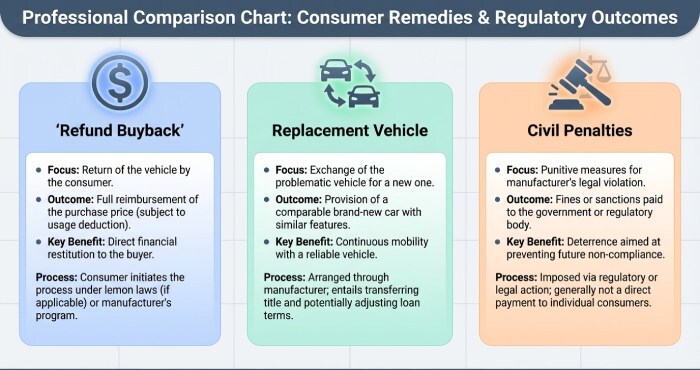
According to the Song-Beverly Consumer Warranty Act, consumers are entitled to a refund (vehicle buyback) or a replacement vehicle, and they may also be compensated for additional expenses like towing and rental fees. In cases of intentional infractions, civil penalties can reach up to twice the actual damages. Many disputes are settled before trial, resulting in agreements that specify terms for buybacks, loan repayments, and legal fee reimbursements.
Timelines and Mileage Adjustments
Lemon law claims typically take between 30 to 60 days for investigation and initial demands. If the situation escalates to negotiation, arbitration, or court proceedings, the process may take even longer. It’s important to note that any refund will be reduced by a mileage deduction that takes into account the distance driven before the first repair attempt. Therefore, keeping detailed records and obtaining prompt repairs is crucial to maintaining a strong position.
Case Studies: Powertrain and Drivability Defects
Repeated transmission issues and stalling
Evidence from Repair Orders and Vehicle Data
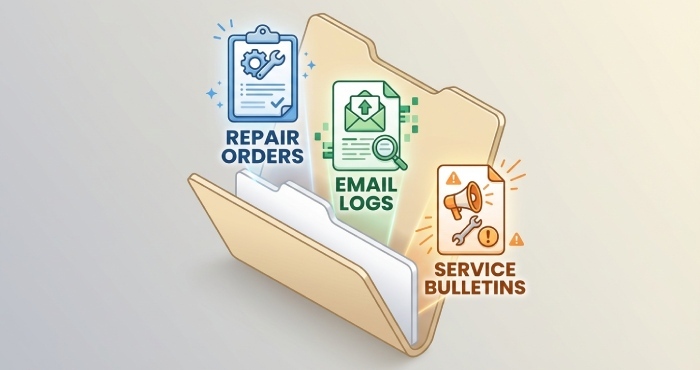
In legal disputes involving manufacturers such as FCA US LLC (Jeep, Dodge), General Motors (Chevrolet, Cadillac, GMC), and Mazda Motor Corporation, the most compelling proof comes from repeated repair orders addressing issues like transmission shudder, harsh shifts, or stalling. Supporting evidence from telematics data, technical service bulletins, and corresponding consumer complaints frequently highlights a continuous manufacturer defect.
Results and Insights on Mileage Adjustments
These disputes typically result in buybacks with adjustments based on mileage, particularly when defects continue after several repair attempts. The early collection of consistent drivability issues — along with any misrepresentations by dealers — often plays a critical role in achieving a favorable outcome under lemon law regulations.
2. Engine failures and misfires
Settlement agreements vs. litigated cases
Engine misfires, oil consumption, and catastrophic failures have led to both confidential settlements and published rulings. Parties often prefer confidential settlements to avoid public precedent. However, where manufacturers resist, litigation proceeds, and courts weigh the evidence from repair histories and expert inspections. Successful outcomes hinge on consistency in the service narrative and clarity that the condition substantially impairs use, value, or safety.
Car models and vehicle brand examples
Illustrative case studies span vehicle brand portfolios: Chevrolet and Cadillac within General Motors, Kia America, Inc. for GDI engine issues, and BMW of North America, Inc. for drivability complaints tied to turbo systems. Audi of America and Volkswagen of America Inc. have seen claims centered on DSG behavior, while Jaguar Land Rover North America cases often involve intermittent faults that resist quick diagnostics.
Case Studies: Electric and Software-Driven Lemons
Battery degradation and charging failures
Leveraging logs and over-the-air updates
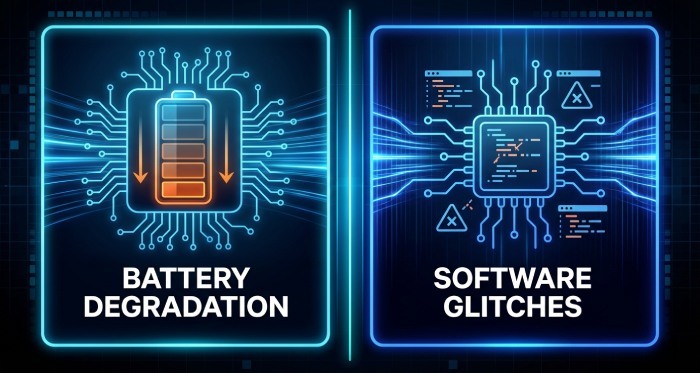
In EV lemon law cases, battery degradation, DC fast-charging failures, and range shortfalls surface early. Pulling high-voltage diagnostics, DCFC logs, and over-the-air update histories is crucial. When OTA patches fail to cure the issue after reasonable opportunities, automobile lemon law remedies activate. Consumers should screenshot range loss and charging errors to support their consumer complaints.
Resolutions and takeaways
EV case studies often conclude with replacement vehicles or a refund where rapid capacity loss or charging faults persist.
A key takeaway: over-the-air updates do not reset the lemon clock. If updates mask or delay a fix without resolving the nonconformity, settlement agreements remain appropriate, and settlement clauses should address software versioning and post-settlement responsibilities.
2. ADAS and infotainment glitches
Private Settlements and Terms
In situations where ADAS malfunctions and software issues impact brands such as , and, private settlements frequently depend on comprehensive software-condition terms and robust records, including video documentation and dealership reprogramming logs.
Positive Results in Lemon Law Cases
Court cases reveal that persistent software issues can significantly devalue a vehicle, resulting in favorable automobile lemon law decisions when repair efforts surpass legal thresholds.
Case Studies: Safety-Critical Failures
Safety-critical defect case studies show how a California lemon law attorney San Diego can help drivers seek relief under the California Lemon Law when dangerous issues remain unrepaired.
Brakes, steering, airbags triggering presumptions
Factors Accelerating Outcomes
Significant safety issues in models from certain manufacturers — like brake or steering malfunctions — can lead to safety assumptions following two unsuccessful repair attempts. This can expedite buybacks of faulty trucks and SUVs under typical warranty regulations.
Legal Consequences for Negligence
If a manufacturer deliberately overlooks a hazardous defect, courts may enforce civil penalties that increase actual damages, especially in circumstances where consumer concerns were belittled or overlooked.
In genuine cases involving the California Lemon Law, consumers who are aware of their rights as outlined in the Song-Beverly Consumer Warranty Act have a stronger chance of obtaining refunds or replacements when manufacturers do not address significant defects. These tangible results emphasize the necessity of keeping records, ensuring prompt repairs, and adhering to appropriate legal protocols. With the assistance of knowledgeable lemon law lawyers, drivers can transform their vehicle troubles into successful claims, leading to effective consumer protection.