
Factor #1: Where the Vehicle Was Purchased or Leased
California purchase vs. out-of-state purchase
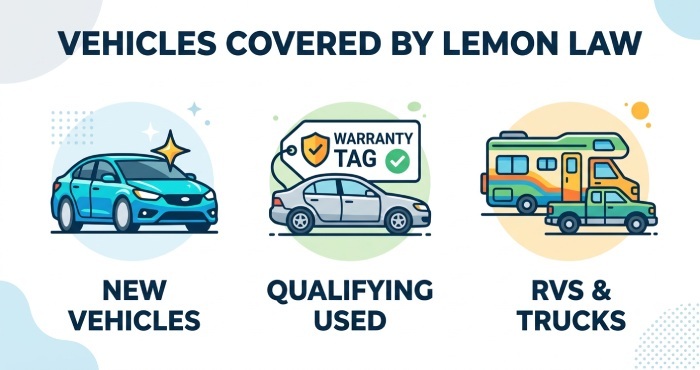
The first issue in an out-of-state Lemon Law claim is where the vehicle was purchased or leased. California Lemon Law generally provides stronger protection when a vehicle is acquired in California from a dealership or authorized seller, including qualifying new, used, certified pre-owned, demonstration, truck, SUV, and recreational vehicles. For vehicles purchased elsewhere, an attorney may examine California connections such as registration, repairs at California dealerships or auto shops, and the manufacturer’s business activity in the state.
Used vehicles and active warranty status
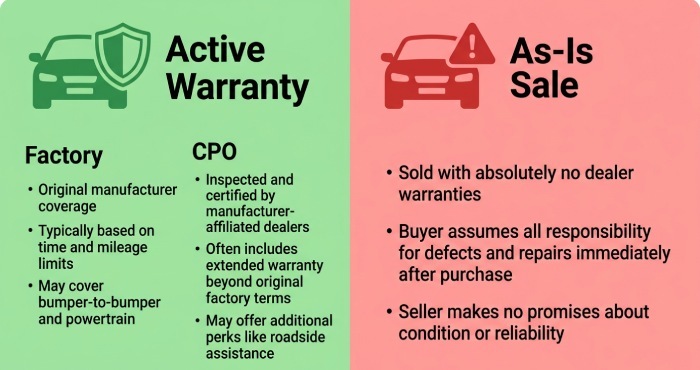
Used vehicles can still qualify under California Lemon Law if they were sold with an active warranty, including remaining factory warranty coverage or a certified pre-owned warranty. A used car dealership sale may also matter if the dealer provided written warranty coverage. In contrast, used vehicles sold “as is” are harder to pursue unless another consumer protection theory applies.
Factor #2: Whether the Manufacturer Does Business in California
Manufacturer presence and legal responsibility
A key factor is whether the manufacturer does business in California through sales, distribution, authorized dealerships, service centers, warranty administrators, or regional representatives. These connections may support a California Lemon Law claim, particularly when the manufacturer has had a reasonable opportunity to repair defects covered by its warranty.
Dealership repairs and manufacturer notice
Repairs performed at a California dealership often count as notice to the manufacturer. Each repair order can help show repair attempts, recurring vehicle defects, and whether reasonable repairs were made during the warranty period. If the manufacturer later issues a claim denial, those records may become central evidence.
Factor #3: The Vehicle’s Warranty Coverage and Repair History
Manufacturer’s warranty is the backbone of the claim
The manufacturer’s warranty is central to a California Lemon Law claim because consumers generally need to show that the vehicle defect arose and was presented for repair during the applicable warranty period. Coverage may include bumper-to-bumper, powertrain, emissions, corrosion, RV, or specialty-component warranties, while defects outside warranty coverage can make a lemon law claim more difficult to establish.
Why repair history matters
A strong repair history shows patterns. A lemon law lawyer will review repair orders, mileage, dates, complaints, parts replaced, technician notes, and whether the same problem reappeared. Multiple repair attempts for brakes, transmission issues, electrical failures, engine stalling, steering defects, or safety system malfunctions may support a finding that the vehicle has a substantial defect.
New vehicles, used vehicles, and lemon vehicles
California Lemon Law can apply to new and qualifying used vehicles when warranty coverage and repair evidence support the claim. Recurring defects that substantially affect a vehicle’s use, value, or safety may qualify, potentially leading to a buyback, replacement vehicle, loan or lease payoff, refunds, registration fees, and, in some cases, civil penalties for willful violations.
Factor #4: How Much Time the Vehicle Spent in California
California use, registration, and repairs
For an out-of-state vehicle, its use, registration, and repair history in California may affect a Lemon Law claim. An attorney may consider when defects began, where repairs occurred, whether the vehicle was registered or regularly driven in California, and whether California service centers honored the manufacturer’s warranty. Defects first reported elsewhere but repeatedly repaired in California may require a careful case evaluation.
Military exemption and U.S. Armed Forces members
Special issues may arise for members of the U.S. Armed Forces. A military exemption or related statutory provision may help service members who purchased or registered a vehicle in another state but are stationed in California. Because these rules are technical, an experienced attorney should review the facts before assuming a claim is excluded.
A lemon law attorney san diego may be especially helpful for service members, commuters, students, and relocated workers whose out-of-state vehicle spends substantial time in California.
Factor #5: Documentation of Defects, Repairs, and Dealer Communications
Records that can make or break the case
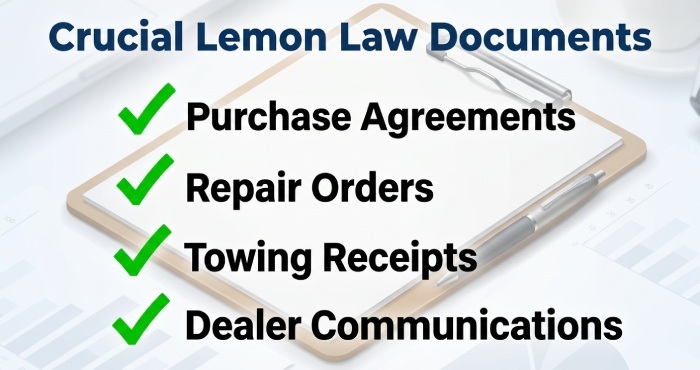
Documentation can make a major difference in a Lemon Law claim, so consumers should keep purchase or lease agreements, warranty documents, repair orders, towing and rental receipts, communications, and manufacturer case numbers. Detailed descriptions of recurring defects, such as engine stalling or transmission jerking, can also provide stronger evidence than vague complaints.
Evidence beyond repair invoices
Photos, videos, warning lights, and written timelines can strengthen a Lemon Law claim, while formal repair records remain the most important evidence. An attorney may also review technical service bulletins, recalls, expert inspections, and manufacturer communications to determine whether reasonable repairs failed and whether settlement negotiations or litigation may be appropriate.
Factor #6: Differences Between California Lemon Law and the Other State’s Laws
Why state law differences matter
California Lemon Law is considered a strong consumer protection law, but out-of-state claims may require comparing California rules with the laws of the state where the vehicle was purchased. A california lemon law lawyer can assess whether California Lemon Law, another state’s lemon law, warranty law, or federal warranty law offers the strongest path for new, used, or border-state vehicle claims.
Remedies may differ by state
California remedies may include vehicle repurchase, replacement vehicle, compensation for vehicle losses, incidental damages, registration fees, loan/lease payoff, and sometimes civil penalties. Other states may limit recovery or handle a buyback differently. The availability of a repurchase or vehicle buyback depends on the facts, the manufacturer’s warranty, and the applicable law.
Lemon RV, trucks, and specialty vehicles
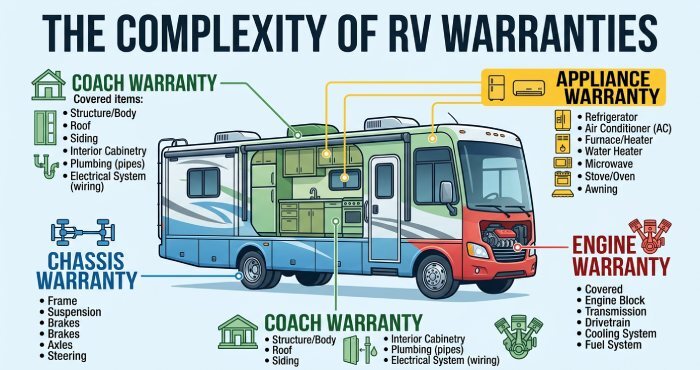
A lemon RV, defective truck, or recreational vehicle may involve additional complexity because multiple warranties can apply: chassis, engine, coach, appliances, and installed components. Consumers dealing with a motorhome or recreational vehicle may want guidance from an rv lemon law attorney who understands how California Lemon Law treats layered warranty coverage.
Factor #7: Why Working With an Out-of-State Lemon Law Lawyer in California Matters
Case Review, Strategy, and Legal Representation
Working with an out-of-state lemon law lawyer in California can simplify complex issues involving jurisdiction, warranties, repairs, and available remedies. An attorney can review the case, identify responsible parties, challenge claim denials, negotiate with the manufacturer, and seek compensation, including attorney fees when permitted.
How a Lemon Law Attorney Strengthens the Claim
A lemon law attorney connects purchase details, California repairs, warranty terms, and recurring defects to build a stronger claim. They can pursue remedies such as a buyback, replacement, refund, or settlement while preserving evidence, meeting deadlines, and preparing the case for litigation if necessary.