
How California Lemon Law Defines a “Lemon” and Why Dealership Conduct Matters
California Lemon Law is rooted in the Song-Beverly Consumer Warranty Act and strengthened by the Tanner Act. In practical terms, a vehicle may qualify as a lemon when it has substantial vehicle defects covered by a manufacturer’s warranty or express warranty, and the Manufacturer or its authorized repair network cannot fix those vehicle defects after a reasonable number of repair attempts. The law applies most often to new vehicles, but it can also apply to used vehicles and certified used cars when they are sold with an active manufacturer’s warranty, dealer express warranty, or qualifying service contract.
The Legal Standard: Defect, Warranty, and Failed Repair Attempts
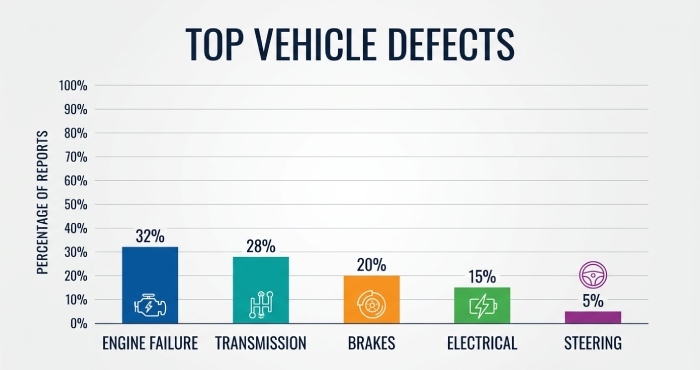
A defective vehicle does not become a lemon merely because it is inconvenient or disappointing. The defect must substantially impair the vehicle’s use, value, or safety. Common vehicle defects include engine failure, transmission problems, braking defects, electrical failures, steering issues, repeated check-engine lights, and unresolved safety recall concerns.
Under California Lemon Law, the core questions are:
Is the Defect Covered by Warranty?
The issue must generally arise during the manufacturer’s warranty, express warranty, or another applicable written warranty law protection. A service contract or extended warranty may provide separate repair rights, but it is not always the same as a manufacturer’s warranty. That distinction matters when evaluating dealership responsibilities and manufacturer responsibilities.
Were There Enough Repair Attempts?
The Tanner Act helps determine whether a manufacturer has had a reasonable number of repair opportunities, with two attempts potentially being enough for serious safety defects. Dealership repair orders, diagnostic notes, parts delays, and customer complaints can provide key evidence when pursuing a lemon law buyback, vehicle replacement, or repurchase.
Dealership Responsibilities During Warranty Repairs: Documentation, Timelines, and Communication
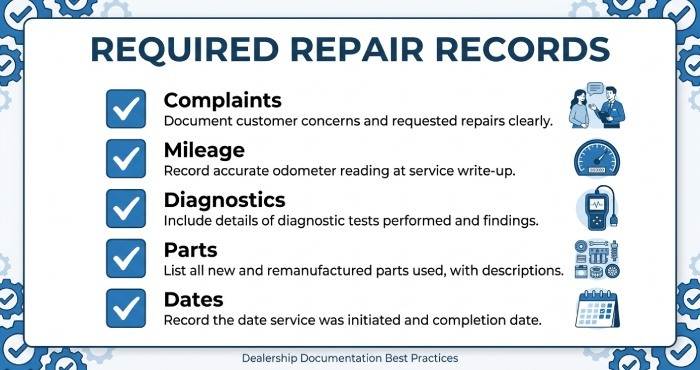
Dealership responsibilities include accurately documenting customer complaints, mileage, diagnostic findings, parts used, repairs performed, and repair dates. These records can support a California Lemon Law claim by showing the vehicle’s repair history and the manufacturer’s opportunities to fix the defect.
What a Complete Repair Order Should Show
A strong repair file should clearly record the customer’s specific complaint and identify whether repairs were covered by a manufacturer warranty, express warranty, service contract, or extended warranty. For certified used cars, dealers should also clarify which warranty applies. Complete repair records are important because certified vehicles are marketed as inspected and reliable, making missing or unclear documentation a potential consumer rights concern.
Delays, Parts Backorders, and Repeated No-Problem-Found Visits
California Lemon Law does not allow endless delay. If a vehicle is kept out of service for an extended period, or if repair attempts repeatedly end with “no problem found,” those facts may support a claim. Dealership responsibilities include communicating honestly about timelines, parts availability, and whether the Manufacturer has issued technical service bulletins, campaign repairs, or recall instructions.
Communication Duties That Affect the Claim
Dealers should explain warranty coverage, provide copies of repair orders, identify whether a repair is customer-pay or warranty-pay, and avoid discouraging a buyer from documenting recurring vehicle defects. When a service contract applies, the Dealer should also explain authorization requirements, deductible obligations, and whether a service contract refund may be available if the vehicle is later repurchased.
What Dealers Must Disclose About Known Defects, Recalls, and Vehicle History
California dealers operate under disclosure requirements that go beyond salesmanship. The Car Buyer’s Bill of Rights, California Department of Motor Vehicles rules, and consumer protection laws restrict misleading practices in vehicle sales. A Dealer that hides known defects, fails to provide required notices, or misrepresents warranty coverage may expose itself to auto fraud claims in addition to lemon law issues.
Recalls, Prior Damage, and Buyback History
Before selling used or certified vehicles, dealers should review available vehicle history and recall information, including NMVTIS records when applicable. These sources can reveal branded titles, salvage history, total-loss indicators, and safety recalls. Proper disclosure is important because failing to disclose significant vehicle history reports or safety issues may raise concerns with California consumer protection and regulatory agencies.
Special Rules for Certified Used Cars
Certified used cars cannot be marketed as “certified” if they fall into certain prohibited categories, such as prior lemon law buyback vehicles, vehicles with certain title brands, odometer issues, or unrepaired damage that conflicts with certification standards. If a prior lemon law buyback is resold, California requires a buyback disclosure and, in many circumstances, a lemon sticker identifying the vehicle’s history.
Sales Documents Buyers Should Review
Key documents include the sales contract, itemized price list, credit score disclosure, vehicle registration paperwork, service contract, extended warranty documents, and any contract cancellation option notice under the Car Buyer’s Bill of Rights. For an out of state vehicle, buyers should be especially careful to verify title branding, warranty transferability, and NMVTIS report data before relying on dealer representations.
How a Lemon Law Lawyer in California Helps Buyers Hold Dealerships and Manufacturers Accountable
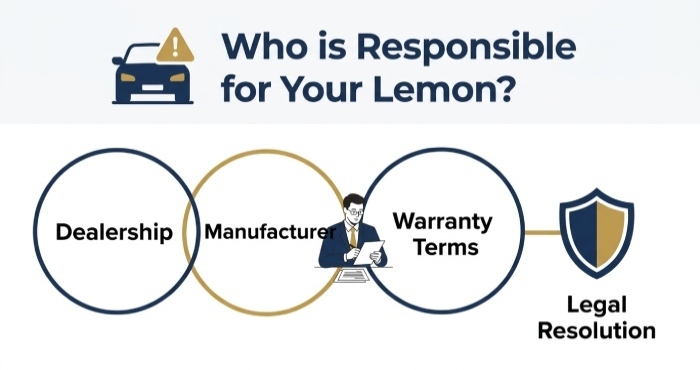
A lemon law lawyer can evaluate whether the facts support a California Lemon Law claim, an auto fraud claim, or another warranty dispute. Because dealership responsibilities, manufacturer responsibilities, warranty terms, and repair attempts overlap, an experienced lemon law lawyer can identify which party is legally responsible and which documents prove the claim.
What an Attorney Reviews First
During an attorney consultation, a lemon law lawyer typically reviews the sales contract, repair orders, manufacturer’s warranty booklet, express warranty terms, service contract, extended warranty, vehicle history report, recall records, and communications with the Dealer or Manufacturer. For certified used cars, the attorney will also look closely at certification paperwork, inspection checklists, disclosure requirements, and any buyback disclosure.
Buyers in Southern California may seek guidance from a lemon law attorney san diego. Consumers comparing statewide options may also consult a california lemon law lawyer. For motor homes and recreational vehicles, a specialized rv lemon law attorney may be appropriate.
Why Legal Help Can Change the Outcome
A lemon law lawyer can organize repair records, challenge incomplete dealership documentation, obtain manufacturer communications, and pursue a buyback, repurchase, or vehicle replacement. They can also identify dealer violations, warranty misrepresentation, improper credit risk disclosures, or issues with certified used vehicles. Because California Lemon Law claims often depend on repair orders, warranty records, and documented defects, strong legal guidance can help protect consumer rights and pursue the compensation or remedy owed.