
The California Lemon Law, which is officially known as the Song-Beverly Consumer Warranty Act, stands as one of the most robust consumer protection measures in the United States. It safeguards purchasers and lessees of both new and used vehicles that are still covered by a manufacturer’s warranty. This law provides solutions when a vehicle has significant defects that persist despite reasonable attempts to repair them. It also extends to usage for personal, family, household, and some small business purposes.
In cases where a defect significantly impacts the vehicle’s functionality, value, or safety and cannot be rectified, consumers might qualify for a replacement, repurchase, or other forms of compensation. Various state and local organizations, including the California Department of Consumer Affairs and the LA County Department of Consumer and Business Affairs, advocate for these rights by offering education, mediation, and enforcement services. They assist car buyers in comprehending disclosures, dealership responsibilities, and the remedies available to them.
What Constitutes a Defective Hybrid Battery?
Key Characteristics of Hybrid Battery Defects
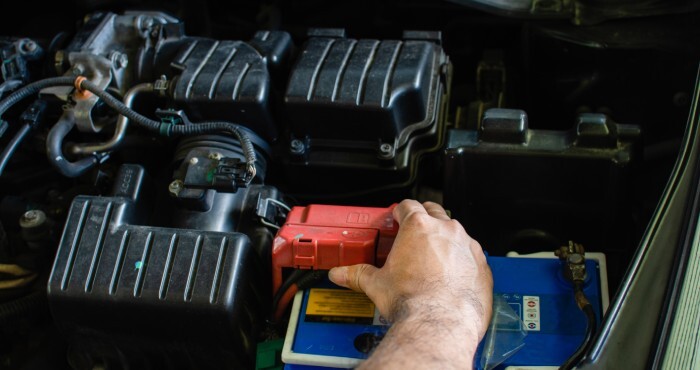
The battery in a hybrid vehicle is an essential and expensive part, and any flaws can affect its safety, efficiency, and worth. According to California Lemon Law, a hybrid battery can be deemed significantly defective if it rapidly depletes its charge, forces the vehicle into a reduced power mode, activates constant warning indicators, or does not pass required tests. For a defect to qualify, it must arise during the warranty period and continue to exist even after the manufacturer or dealer has had a fair opportunity to fix it.
Recognizing Patterns in Battery Failures
Discerning when a hybrid battery issue meets Lemon Law criteria can be intricate. Not all malfunctions equate to a lemon vehicle. California car buyers need to track all service contract paperwork, vehicle repairs, and related car repairs to build a strong case. Moreover, awareness of recalls—by regularly checking sources like Consumer Reports or LACounty.gov—can reveal if an issue is widespread or isolated.
Common Hybrid Battery Issues in Modern Vehicles
Systemic Faults and Their Implications
Hybrid batteries, despite advancements led by major car manufacturers, are susceptible to several common failures that may become grounds for Lemon Law claims:
- Premature Battery Failure: Early degradation, swelling, or inability to sustain a charge even after warranty repairs.
- Electrical Management Faults: Malfunctions in the vehicle’s battery management system, which can prevent the car from operating safely or efficiently.
- Thermal Runaway: Overheating or safety issues that may have car safety implications and can result in critical vehicle recalls.
- Charging and Discharging Problems: Slow charging, rapid discharging, or erratic power delivery—symptoms that can significantly diminish the utility of the vehicle.
Many of these car repairs require specialized equipment and significant expertise—often only available through the manufacturer or authorized dealer. If these car repairs are unsuccessful and the issue persists, the hybrid battery defect may constitute a “substantial impairment” under consumer protection law.

Impact on California Car Buyers
Knowing these common hybrid battery issues is crucial for California car buyers, whether entering a car leasing agreement, making a purchase with a vehicle warranty, or considering an extended warranty or service contract. Thwarted expectations related to energy efficiency, range, and reliability can be considered in Lemon Law cases filed through LA-ODR, TurboCourt, or relevant consumer agencies.
Coverage of Hybrid Batteries Under Manufacturer Warranties
Standard Vehicle Warranty and Special Hybrid Provisions
In California, individuals purchasing vehicles typically receive a standard warranty that frequently encompasses extended protection for hybrid batteries, lasting between 8 to 10 years or covering 100,000 to 150,000 miles, owing to their expense and significance. Additionally, state regulations might mandate a baseline level of coverage for specific emissions-related components.
The particulars of the warranty, as well as repair responsibilities and details about any extended coverage, can be found in the purchase contract and the California Car Buyers Bill of Rights.

Warranty Exclusions and Consumer Protection
Warranty coverage may be restricted by specific exclusions, including issues arising from inadequate maintenance, car title loans, or vehicles sold without guarantees (“as is”). In California, the Lemon Law safeguards consumers as long as warranties or valid service agreements are in effect; unresolved issues could also lead to legal actions or dispute resolutions even after those warranties have expired.
Many consumers opt to purchase additional service contracts or extended warranties for further protection, which fall under contract law and might entail mediation, small claims proceedings, or filing complaints with organizations such as LA County DCBA or LA-ODR.
Importance of Legal Assistance
Given the complexity of hybrid battery defects and the evolving landscape of Lemon Law, consulting an experienced Lemon law attorney is a prudent step for those navigating car dealer or manufacturer disputes. These professionals can safeguard consumer rights, help with filing a complaint, request mediation, or initiate legal action—ensuring buyers derive full benefit from Lemon Law and related consumer protection statutes.
For anyone contending with a defective hybrid battery in California, know that the California lemon law lawyer community stands ready to advocate for your interests—bringing clarity, recourse, and peace of mind to your car buying or car leasing experience.

Steps to Take if You Suspect a Hybrid Battery Defect
- Record the Issues: Maintain a comprehensive record of any hybrid battery concerns, noting warning signals, error messages, and performance difficulties along with corresponding dates and mileage.
- Seek Warranty Services: Immediately bring your vehicle to a licensed repair shop for any issues and ensure you obtain written documentation for every service visit.
- Notify Dealer and Manufacturer: Inform both your dealer and the manufacturer in writing regarding any hybrid battery malfunctions.
- Examine Warranty Papers: Review your vehicle’s warranty and service agreements to be aware of your coverage options and eligibility for Lemon Law protections.
- Safeguard Your Rights When Purchasing Used: Investigate the vehicle’s history and any recalls to ensure you are informed and protected as per California consumer rights laws.
Evaluating Lemon Law Claims for Hybrid Battery Issues
In California, Lemon Law cases typically center on significant issues with hybrid batteries and how the manufacturer or dealer addresses warranty repairs.
Understanding the Battery Defect
According to the California Lemon Law, a flaw in a vehicle must have a substantial effect on its usability, worth, or safety. Examples of such defects include quick battery depletion, an inability to start, or complete system failures. Professional assessments can illustrate these impacts for both new and used vehicles.

Repair Attempts
Manufacturers or certified dealers are required to make a reasonable number of repair attempts. Having multiple unsuccessful attempts to fix the same hybrid battery issues can bolster your case. Some statutes indicate a defect if there are four unsuccessful attempts for the same problem, or just two if the defect poses a safety risk.
Duration of Downtime
The total time your vehicle is out of commission for repairs is significant. If your hybrid is in the shop for 30 days or more during the warranty period, you may qualify for relief under the Lemon Law.
Influence of Service and Extended Warranty Agreements
Service contracts and extended warranties can impact how quickly repairs are made and your eligibility for claims. It’s crucial to thoroughly examine these agreements, particularly when dealing with leased or used vehicles.
Utilizing Mediation and Dispute Resolution
If you face denial from the manufacturer or lack of cooperation from the dealer, you can seek mediation through organizations like LA-ODR or the LA County DCBA. Mediation serves as a quicker, more economical solution than pursuing formal legal measures.
Remedies and Compensation for Hybrid Battery Lemon Law Cases

Vehicle Repurchase or Replacement
Under California Lemon Law, if the defect is proven, consumers may choose between a vehicle repurchase (“buyback”) or a replacement vehicle. Buyback involves the manufacturer reimbursing the original purchase price, minus a reasonable usage deduction. A replacement car must be substantially identical and meet current vehicle safety and warranty standards.
Reimbursement for Repairs and Costs
Consumers can recover costs for all reasonable car repairs, towing, rental cars, and sometimes associated expenses stemming from the hybrid battery defect. Extended warranty or service contract costs may also be included in the compensation.
Coverage of Incidental Damages
Statutory protection may also require the manufacturer to pay for incidental damages—those related but not direct, such as the cost of alternative transportation, credit report fees from car financing, and other related expenses.
Potential for Civil Penalties
In certain cases of willful or egregious violation—such as if the manufacturer ignores clear Lemon Law obligations—additional civil penalties may be awarded. Consumers feeling stonewalled by a manufacturer should consider consulting a San Diego lemon law lawyer for guidance about legal action, how to sue, small claims, and appeal options.
The California Lemon Law offers protection to buyers and lessees dealing with ongoing hybrid battery issues in both new and used vehicles. To bolster your case, maintain thorough documentation of all repairs, incidents, and interactions with your dealership and manufacturer. If your claim is successful, you may be eligible for a buyback, replacement, or reimbursement. It’s advisable to seek assistance from a qualified Lemon Law attorney for expert advice.