
Leasing a vehicle is supposed to give you peace of mind but when your car keeps breaking down, that convenience can quickly turn into frustration. Many drivers don’t realize that leased vehicles are often protected under state Lemon Laws, just like purchased cars. Experienced Lemon Law lawyers can help you understand whether your leased vehicle qualifies, explain your legal options, and guide you through the process of seeking the compensation or replacement you deserve.
How Lemon Laws Apply to a Leased Vehicle
Lemon laws offer similar protections for leased vehicles as they do for those purchased outright. If a vehicle under warranty develops a problem that remains unresolved despite reasonable repair attempts, you might be eligible for a refund or a replacement. While the specifics of lemon laws can differ by state, the federal Magnuson-Moss Warranty Act also addresses breaches of warranty.
Since a lease involves the lessee, lessor, and manufacturer, it’s important to notify the leasing company and follow all required dispute procedures an experienced Lemon Law Lawyer San Diego can help ensure every step is handled correctly. If the defect substantially affects the vehicle’s use, value, or safety during the original warranty period, a skilled attorney can pursue available lemon law remedies on your behalf.
Coverage, Severity, and Timing (Signs 1–3)
Indicator of Eligibility 1: Vehicle Type and Lease Usage
Most state lemon laws apply to leased passenger vehicles, such as cars, SUVs, and light trucks that are primarily used for personal activities, with some states also covering small-business leases. Verify if your state includes leases for new vehicles, demonstrator models, or Certified Pre-Owned cars, and look for any exceptions related to commercial use or mileage limits. For instance, California’s Lemon Law includes many leased vehicles under the new-vehicle warranty, offering buyback options via the Department of Consumer Affairs.
Indicator of Eligibility 2: Significant Defect Impacting Function, Value, or Safety
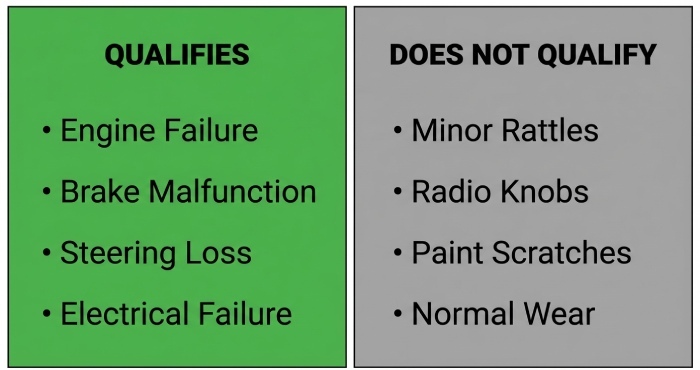
The issue must significantly hinder the vehicle’s functionality, market value, or safety, rather than just being superficial. Typical qualifying defects encompass engine stalls, failures in brakes or steering, transmission issues, airbag or Advanced Driver Assistance System (ADAS) glitches, electrical malfunctions, or major system breakdowns. If the defect renders the vehicle unreliable or hazardous, lemon law protections may be applicable.
Indicator of Eligibility 3: Issue Emerged Within the Legal Timeframe
Generally, laws stipulate that defects must arise within the original manufacturer’s warranty period or within a defined time/mileage threshold (often between 12 to 24 months or 12,000 to 24,000 miles). The initial attempt to repair must fall within this timeframe, even if subsequent repairs occur after. It’s essential to retain all repair documentation to support claims made under state lemon laws and the Magnuson-Moss Warranty Act.
Examples of qualifying safety issues
- Brake failure or steering loss
- Airbag failure, SRS faults, or seatbelt pretensioner errors
- Transmission issues that cause sudden loss of power or harsh shift shocks
- Electrical failures that create a fire risk or disable exterior lighting
Repair Attempts and Downtime (Signs 4–6)
Indicator of Eligibility Sign 4: Repeated Repair Efforts for the Same Problem:
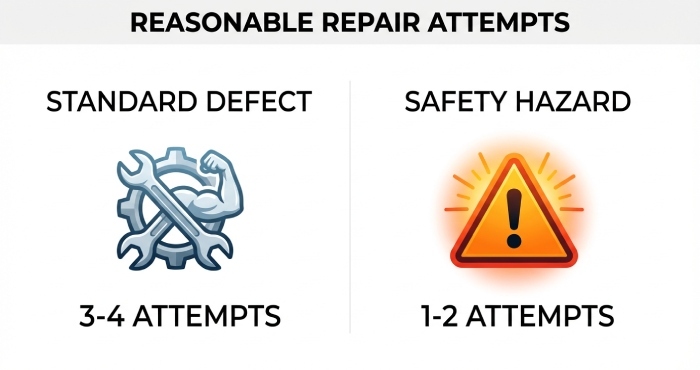
When a defect has been addressed 3 to 4 times without a permanent solution, it may fall under lemon law regulations. Documentation should clearly indicate the same recurring issue and the dealer’s multiple attempts to resolve it.
Indicator of Eligibility Sign 5: Critical Safety Flaw:
In cases of significant safety concerns such as brake malfunctions, steering failures, fuel leaks, fire hazards, or airbag issues, just one or two unsuccessful repair attempts might be sufficient to meet the qualifications because of the associated risks.
Indicator of Eligibility Sign 6: Prolonged Service Interruption:
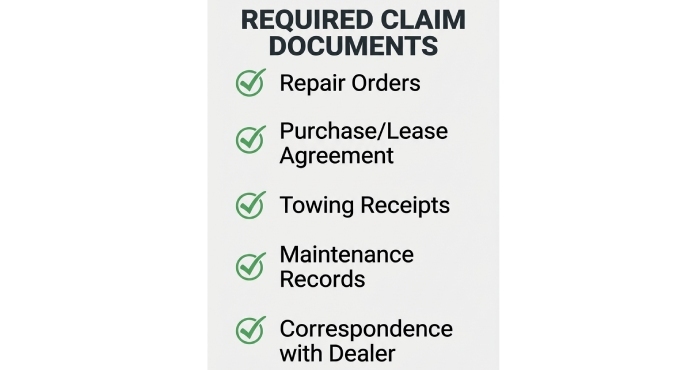
If your vehicle has been inoperative for over 30 cumulative days due to warranty repairs, it could be eligible. It’s important to maintain thorough records of repair dates, towing invoices, rental agreements, and any notices regarding delays.
Authorized Repairs, Maintenance, and Notice (Signs 7–9)
Indicator of Eligibility Sign #7: Authorized Service Center & Final Opportunity for Repairs:
Typically, repairs need to be performed at a service center authorized by the manufacturer. You may also be required to provide written notification, offering a final opportunity for them to address the issue. Utilize a trackable mailing service and verify if your state mandates a dispute resolution program, such as BBB AUTO LINE, before initiating a claim.
Indicator of Eligibility Sign #8: Proper Maintenance & Avoiding Disqualifying Modifications:
Adhere to the official maintenance schedule provided by the manufacturer, and steer clear of racing activities or aftermarket additions. Keep thorough records of all services performed and retain receipts to demonstrate that any defects stem from manufacturing issues rather than improper use.
Indicator of Eligibility Sign #9: Record-Keeping, Arbitration, and Important Deadlines:
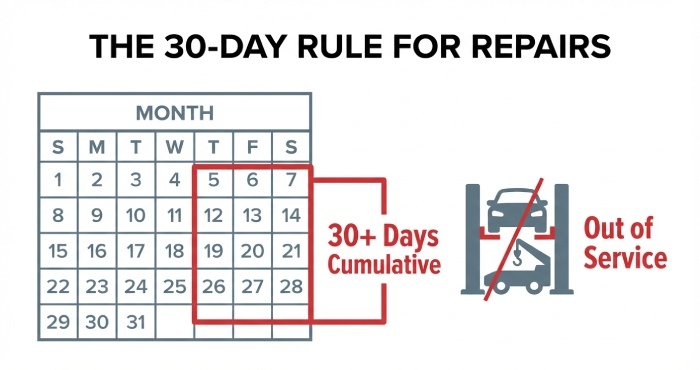
It’s essential to keep copies of all repair orders, invoices, tow receipts, and any correspondence related to the issue. In some jurisdictions, arbitration through BBB National Programs is required, as they administer BBB AUTO LINE for manufacturers like Ford, Volkswagen, and Audi, before you can seek a refund or replacement through legal channels.
State and Federal Backstops for Leased Cars
In Fairbanks Ranch, drivers leasing vehicles can rely on strong state lemon laws and federal protections like the Magnuson–Moss Warranty Act to ensure manufacturers honor warranty obligations and provide remedies when serious defects persist.
- Lemon laws established by various states outline precise criteria for obtaining refunds or exchanges. For instance, in California, the Lemon Law mandates that manufacturers adhere to definitive buyback protocols. Consumers are encouraged to consult their state’s Department of Consumer Affairs or Attorney General’s website for information regarding leased vehicles.
- At the federal level, the Magnuson-Moss Warranty Act provides lemon law protections if a manufacturer does not remedy significant defects covered by warranty, allowing consumers to claim legal fees.
- BBB National Programs operates BBB AUTO LINE and additional self-regulatory entities, which provide impartial dispute resolution services utilized by numerous car manufacturers.
Practical tip: If your leased car exhibits the key indicators of a lemon such as being the right type of vehicle, having a significant defect, undergoing timely repair attempts, being given enough chances to resolve the issue, spending a considerable amount of time out of service, having authorized repair visits, receiving appropriate maintenance, and adhering to notice or arbitration guidelines you could be eligible for compensation under your state’s lemon law, and possibly under the Magnuson-Moss Warranty Act as well.
A lemon law attorney will emphasize the importance of thorough documentation and repair records in establishing a solid claim and achieving the most favorable result.