
Purchasing a pre-owned vehicle from an individual can be a more affordable option compared to buying from a dealership. That said, such private transactions carry certain risks since they typically offer less legal protection for buyers. In California, the Lemon Law is recognized for safeguarding consumer interests, but its applicability varies notably based on the seller involved. When acquiring a used car from a private seller, the benefits of lemon law protections are considerably restricted.
Overview of the California Lemon Law
California’s Lemon Law attorney can help protect buyers when a manufacturer fails to repair a warrantied vehicle after a reasonable number of attempts, a protection that mainly applies to new cars and used vehicles sold with valid dealer-backed warranties.
Purpose and Scope of the Law
The Lemon Law is designed to make sure consumers receive reliable and functional vehicles. It places responsibility on manufacturers for defects that significantly hinder the vehicle’s safety, value, or use. If issues persist despite several attempts at repair under warranty, the law mandates that the manufacturer provide options such as a buyback, replacement, or monetary compensation.
Core Intent of Lemon Law Regulations
- Safeguarding consumers who purchase or lease defective vehicles
- Ensuring manufacturers fulfill their warranty commitments
- Offering remedies like refunds, replacements, or cash settlements

Application of Lemon Law to Private-Party Used Car Sales
California’s lemon law generally excludes private-party sales, applying mainly to vehicles purchased from licensed dealers or businesses that provide manufacturer-backed warranties.
Constraints of Lemon Law in Private Transactions
When a sale occurs privately, it lacks a warranty that is typically provided by retailers or manufacturers, thereby preventing the Lemon Law from being applicable. This legislation is intended to oversee commercial dealings rather than transactions between private individuals.
Real-World Implications of These Constraints
- Claims under the Lemon Law cannot be pursued against individuals selling privately.
- Sellers have no obligation to address any defects after the sale.
- There are no requirements for buybacks or replacements.
- The protections available are considerably less than those offered during dealership transactions.
Rare Exceptions Allowing Lemon Law Protection
Although lemon laws typically do not apply to private sales of used cars, there are specific scenarios where protection at the manufacturer level might still be available. While these cases are rare, they are significant for consumers who unknowingly buy a defective vehicle still covered by a warranty.

Current Manufacturer Warranty at Purchase
If a used car is sold with an active factory warranty, the buyer can leverage lemon law protections against the manufacturer. It’s important to note that the warranty is tied to the vehicle itself rather than the owner. Thus, a car bought privately that is still under its original warranty may be eligible for lemon law remedies if it exhibits ongoing and serious issues.
How This Exception Works
- Repairs must be conducted by authorized service centers.
- The manufacturer is obligated to fix any covered defects.
- If there are multiple unsuccessful repair attempts, lemon law rights may be triggered.
Key Conditions for Warranty-Based Lemon Law Claims
- The factory warranty should be current and unaltered.
- The rules for transferring the warranty should allow the buyer to be included.
- Extended warranties or service agreements do not meet the criteria set by lemon law.

Alternative Legal Protections Beyond Lemon Law
While the Lemon Law typically does not cover private transactions, expert Lemon Law lawyers can help buyers understand the various legal protections California provides — safeguards that are essential when a vehicle has hidden defects, altered documents, or a deceptive history.
Protections Against Fraud and Misrepresentation
In California, private sellers are prohibited from engaging in fraud, providing false information, or hiding significant problems. If a seller is aware of a serious defect and deliberately conceals it, the buyer can take legal action based on laws related to fraud and misrepresentation.
Examples of Seller Misconduct
- Hiding critical engine or transmission issues
- Resetting check-engine lights to mask current problems
- Rolling back the odometer
- Failing to reveal a salvage, rebuilt, or lemon-title history
Legal Remedies for Fraud Allegations
- Compensation for repair expenses
- Rescission of the sale, allowing the return of the vehicle for a full refund
- Additional damages for intentional deception

“As-Is” Sales and Their Impact on Buyer Protections
In California, most private car sales are “as-is,” leaving buyers responsible for future issues unless the seller committed fraud.
How “As-Is” Conditions Impact the Sale
When a vehicle is sold as-is, the buyer consents to acquire it in its present condition, with the seller bearing no liability for any hidden or future defects. This situation makes it crucial for buyers to conduct thorough research before purchasing.
Key Features of an As-Is Sale
- No implicit warranty of merchantability
- No duty to make repairs post-sale
- Full responsibility is transferred to the buyer
Exceptions to As-Is Terms
If a seller provides a written warranty, even as a private individual, they are legally required to uphold that warranty.
Essential Steps to Protect Yourself in a Private Sale
Because lemon law protections rarely apply to private sales, buyers should take proactive steps and use a careful, informed approach to reduce the risk of purchasing a defective used car.
Mechanical Inspection Prior to Purchase
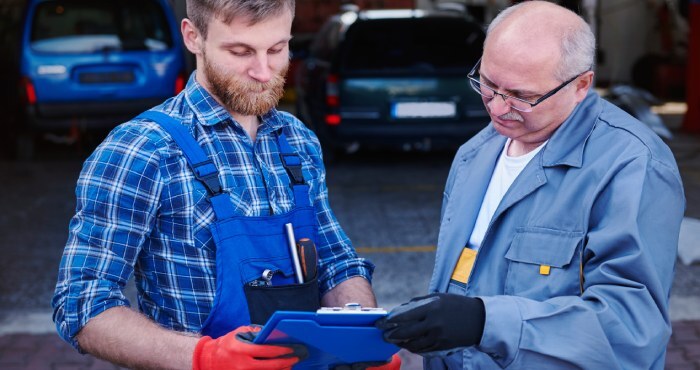
Having a certified mechanic conduct a comprehensive inspection is one of the most effective safeguards for buyers. This expert analysis can uncover hidden issues related to mechanics, structure, or safety.
Key Systems Assessed During Inspection
Inspections usually target critical components such as the engine, transmission, brakes, suspension, and electrical systems. These parts are checked for functionality, leaks, wear, and any diagnostic concerns to ensure the car’s overall safety and dependability.
Benefits of a Pre-Purchase Inspection
- Identifying costly repairs early on
- Confirming the vehicle’s road readiness
- Enhanced leverage when negotiating the price.
Reviewing the Vehicle’s History and Documentation
Reports on vehicle history from platforms such as Carfax and AutoCheck offer comprehensive details about a car’s past. These reports reveal information regarding structural damage, past accidents, salvage titles, and any inconsistencies in odometer readings.

Typical Information Included in Vehicle History Reports:
- Previous accidents or claims made to insurance
- Inconsistencies in mileage
- Flood damage or salvage titles
- Changes in ownership and title transfers
The Significance of Title and Registration Checks
Holding a clean title guarantees that the vehicle can be legally sold and is devoid of any hidden liens.
Maintaining Documentation Throughout the Transaction
Comprehensive documentation serves as a safeguard for the buyer in the event of potential legal disputes. Retaining communication logs, inspection findings, payment records, and the sales agreement creates a robust basis for demonstrating seller wrongdoing if complications occur.
Helpful Records to Keep
- Captures of chats
- Executed contracts
- Proof of payment
- Images of the vehicle at the time of purchase
The Role of Documentation in Legal Cases
Well-structured and explicit evidence enhances any claim related to deceit or suppression of information.

Practicing Safe Buying Habits
Private transactions are most effective when they are handled with clarity and care. Buyers should be vigilant in watching for signs of potential dishonesty, assessing any warning signals, and opting out of the deal if they feel uneasy about any part of the process.
Signs of a Potentially Untrustworthy Seller:
- Unwillingness to permit inspections
- Reluctance to provide title documents
- Urgency to complete the sale
- Discomfort with meeting at safe or public venues
Best Practices for Safe Transactions:
- Arrange meetings in safe, neutral locations
- Consider bringing a companion for support
- Utilize payment methods that can be tracked
- Do not pay in full until all agreements are signed
Additional Options for Buyers Experiencing Post-Purchase Problems
Even if lemon law relief isn’t available, buyers may still pursue other options when a private-sale vehicle turns out defective, depending on the nature of the issue and whether the seller misrepresented the car.

Small Claims Court for Fraud or Concealment
California’s small claims court provides a streamlined way to settle disputes. Buyers can take legal action for instances of misrepresentation, hidden defects, or any deliberate misinformation from the seller.
Advantages of Small Claims Court
- No need for a lawyer
- Quick resolution process
- Opportunity to seek damages or reverse the sale
Essential Evidence for a Solid Case
- Inspection reports
- Repair bills
- Correspondence with the seller
- Vehicle history records

Warranty Repairs Through the Manufacturer
Manufacturer warranties automatically pass on to new owners. If a vehicle is still eligible for warranty service, the manufacturer is accountable for addressing covered issues at approved repair facilities.
Types of Manufacturer Warranties That Are Transferable
- Powertrain warranty
- Comprehensive bumper-to-bumper warranty
- Warranty for hybrid or electric systems
- Emissions warranties mandated by California law
Potential Consequences of Warranty Repair Issues
If repairs under warranty are repeatedly unsuccessful, this could lead to a lemon law claim at the manufacturer’s level.
Used cars bought from private sellers in California typically fall outside Lemon Law protections, which mainly cover retail transactions with manufacturers and licensed dealerships. However, if a manufacturer’s warranty is still active, buyers can seek remedies directly through the manufacturer. According to a Lemon Law lawyer in San Diego, even without Lemon Law coverage, buyers are protected against fraud and misrepresentation and should rely on careful inspection, thorough documentation, and consumer protection laws to avoid costly mistakes.