
Understanding what happens to your defective vehicle after a manufacturer repurchase under the lemon law is crucial for any consumer, dealership, or buyer in the used car market. The journey of a car labeled as a “lemon” by state laws—particularly under California law—follows a detailed and regulated process involving the Department of Motor Vehicles, title branding, and eventual resale, often under strict disclosures. Below, we break down each phase of this unique lifecycle.
Understanding Lemon Laws: What Qualifies a Car as a ‘Lemon’
Lemon laws are consumer protection statutes that exist in states such as California to safeguard buyers from defective vehicles purchased new or, in some cases, used. To qualify as a “lemon” under California law, the car manufacturer must have made multiple reasonable repair attempts for a significant defect—known in legal terms as a nonconformity—within the original warranty period. If the defect substantially impairs the use, value, or safety of the vehicle, and remains unresolved after written disclosure of those repair attempts, the consumer may invoke their legal rights to a lemon law buyback.
The most common requirements under the lemon law include:
- Documented repair history showing an unresolved problem after a reasonable number of efforts.
- The defect, or nonconformity, must be covered by the manufacturer’s warranty.
- The car’s make and model, vehicle identification number (VIN), and all service records must be included in the vehicle history report submitted with the claim.
Entities like San Diego Lemon Law, PC and legal advocacy from a California lemon law attorney San Diego ensure consumers meet all lemon law requirements and deadlines.

The Buyback Process: What Happens When Your Lemon is Returned
The lemon law buyback process is structured to protect both consumers and future buyers. Once the manufacturer repurchase is approved, the consumer typically receives a refund of the purchase price, less a usage offset that accounts for miles driven before the defect was reported. The refund calculation, documentation, and title transfer are coordinated with the California Department of Motor Vehicles following state laws.
Key elements of the buyback process include:
- Full initiation by the consumer, often with assistance from legal experts such as lemon law lawyer California.
- Manufacturer buyback can also allow for a replacement vehicle of equal value if both parties agree.
- Proper title branding through the DMV, ensuring that the vehicle carries a branded title indicating lemon law buyback status.
- Issuance of a lemon law decal and a disclosure statement, which must remain with the car and be visible to future purchasers.
The manufacturer is legally bound to provide a written disclosure that details the reason for the buyback, the defect’s repair history, and a clear warning regarding potential risks or further repairs.
Inspection and Assessment: The Manufacturer’s First Steps
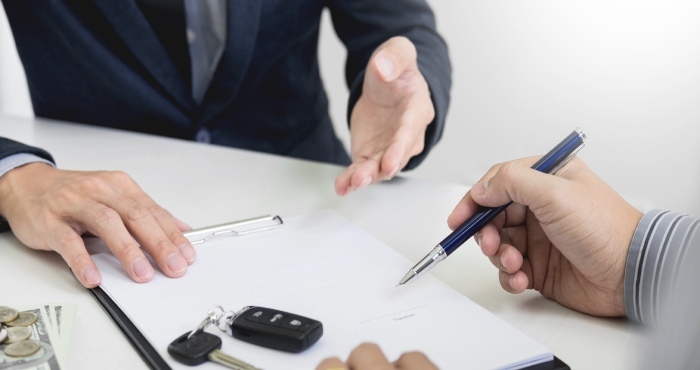
Once a defective vehicle is reacquired, car manufacturers such as OEMs undertake a rigorous inspection and assessment phase. This process is designed to determine the full extent of the nonconformity, check for structural damage, and evaluate all warranty repairs attempted during the warranty period. For example, the California Department of Motor Vehicles requires that documentation include the vehicle identification number, make and model, and a detailed title history reflecting all repairs attempted by the dealership or independent mechanics.
During inspection:
- All known issues—both those that led to the lemon law claim and new ones discovered—are cataloged.
- Any additional nonconformities found are recorded as part of the vehicle’s updated repair history.
- Photographs, structural assessments, and maintenance records are added to the official documentation file, which will ultimately accompany the branded title and lemon law decal when the vehicle is resold.
Consulting with San Diego Lemon Law professionals or legal experts like Attorney Doug Sohn is recommended for consumers seeking transparency or pursuing new Lemon law claims.
Repairs and Reconditioning: Making Lemons Drivable Again
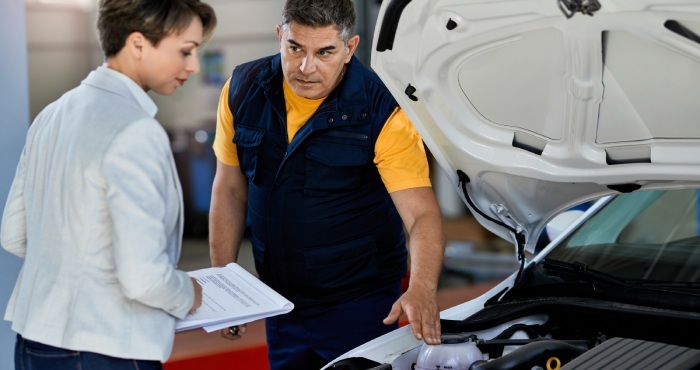
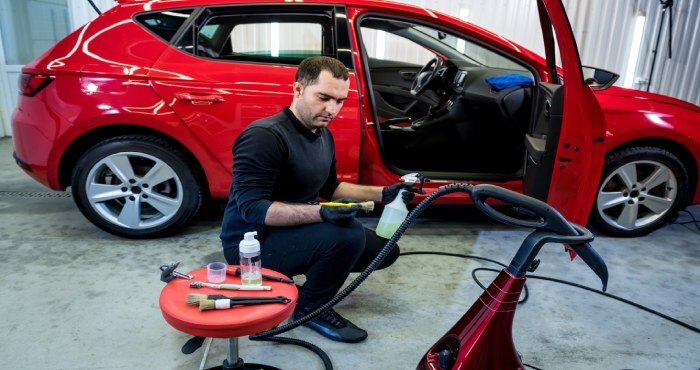
Following inspection, car manufacturers are permitted to attempt further repairs to bring the defective vehicle up to minimum safety and performance standards. This stage, sometimes handled by dealership service centers in locations such as Kearny Mesa or National City in Southern California, involves a mix of warranty repairs and reconditioning efforts.
The manufacturer’s primary goal is to:
- Address the nonconformity that triggered the lemon law buyback to the greatest possible extent.
- Conduct repairs on components related to the Vehicle Identification Number (VIN) flagged in the initial lemon law requirements.
- Ensure the car is roadworthy for the next phase in its lifecycle, though a branded title and written disclosure will remain on file.
Despite these repairs, the vehicle cannot regain its clean title status. State laws mandate permanent title branding and a conspicuous lemon law decal on the car, letting future owners know it’s a former manufacturer buyback. The removal of the decal is strictly prohibited, and the branded title is reflected permanently in the vehicle history report through services like Carfax and Road & Track.
Auction Houses: Where Most Lemons Go Next
Once reconditioned, most lemon law buyback vehicles do not return directly to traditional used car lots. Instead, car manufacturers typically move them through specialized wholesale auction channels. Notable auction houses across the United States (and regions such as San Diego or Southern California) are equipped to handle vehicles with defective histories, salvage titles, or other branded titles.
Key aspects of the auction process include:
- Detailed auction announcements about the car’s nonconformity, repair history, title branding, and disclosure statement.
- Buyers at auction, whether dealerships or independent brokers, often purchase these vehicles at a deep discount given their reduced resale value and risk.
- In compliance with California law and DMV requirements, a lemon law attorney ensures that all vehicle documentation—including written disclosures, title history, and lemon law branding—is properly transferred to all subsequent buyers.
After sale:
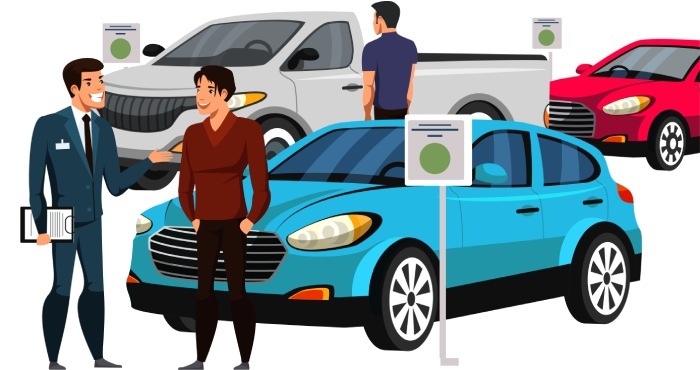
- Some vehicles are resold locally, while others may be exported to markets in Mexico or re-imported to different states with differing lemon law branding requirements.
- In some situations, if the car suffers from severe structural damage or cannot be economically repaired, it may be sold for salvage, dismantled for parts, or stripped for export.
- Insurance and financing on lemon law buyback vehicles can be limited, and many lenders require additional independent mechanic inspections before providing financing.
Consumers interested in purchasing such vehicles from a used car lot are strongly encouraged to obtain a full vehicle disclosure, review the branded vehicle title, and conduct a pre-purchase inspection. Legal and consumer advocacy organizations, including the Lemon law claims experts and prominent voices like Steve Lehto, advise thorough due diligence to assess the true risk and long-term implications of obtaining a lemon law buyback.
This cycle—from manufacturer repurchase to reconditioning and subsequent sale at auction—is tightly regulated. The presence of a branded title, disclosure statement, lemon law decal, and exhaustive documentation ensures the used car market in California and beyond upholds both consumer rights and public safety.
Resale Markets: How Returned Cars Re-enter the Marketplace
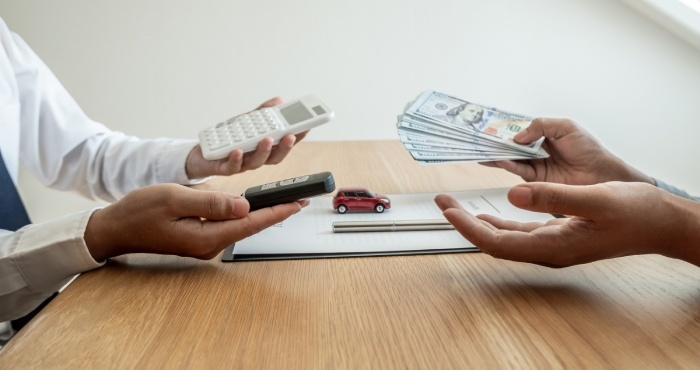
When a vehicle is designated as a lemon under the lemon law, it doesn’t simply disappear from the roadways. Instead, the lemon law buyback process leads to a variety of resale channels where these vehicles—now labeled with a branded title—find their way back into the marketplace. In California, the Department of Motor Vehicles (DMV) enforces strict title branding and disclosure procedures for any manufacturer repurchase. These vehicles are commonly classified as “manufacturer buyback” or “lemon law buyback” on both the vehicle title and vehicle history report.
Auctions and Wholesale Channels
Vehicles deemed defective and returned through the buyback process are often funneled into wholesale or niche auto auctions. Here, used car dealers, mechanics, and international buyers compete with bids. These vehicles, marked with a branded title, might subsequently appear at used car lots or franchised dealerships, where California law mandates the disclosure of their lemon law status.
Integration into the Used Car Market
Numerous lemon law buybacks re-enter the used car market at reduced prices, despite their repair records. Sellers are required to furnish a written disclosure, covering the vehicle’s branded title, any issues of nonconformity, and complete buyback documentation in order to adhere to state laws.

Re-Import and Re-Sale Across Borders
Not all lemon law buybacks stay in California or the United States. Some are exported, often to countries with more lenient title branding or vehicle disclosure laws. In some cases, a re-imported vehicle may attempt to re-enter the domestic market, requiring careful scrutiny of the vehicle identification number (VIN) and the vehicle history report by both dealers and buyers.
Key Takeaways
- Lemon law buybacks are resold, salvaged, dismantled, or exported under strict legal guidelines, with branded titles ensuring transparency.
- Disclosure requirements in California mandate written documentation, vehicle history report checks, lemon law decal display, and complete transparency for buyers.
- Vehicles not suitable for resale may be salvaged or exported, with environmental regulations ensuring proper recycling and part recovery.
- Consumer protections include inspection rights, legal redress avenues, and robust regulatory oversight by the California DMV and legal advocates.
Prospective buyers should verify the vehicle title, review all documentation, and seek expert advice before purchasing a lemon law buyback vehicle, especially in markets like San Diego.