
Purchasing a pre-owned vehicle can be a savvy financial decision — unless it frequently experiences issues. Some buyers mistakenly believe that California’s Lemon Law is limited to brand-new cars, but that’s a misconception. The situation is more complex. In certain scenarios, used vehicles may be deemed “lemons” under California law, granting buyers certain protections and the possibility of compensation. Let’s delve into the specifics of this law, the criteria needed to qualify, and how to successfully manage the process.
Understanding California Lemon Law
California’s Lemon Law, formally referred to as the Song-Beverly Consumer Warranty Act, safeguards buyers and lessees of vehicles that are found to be defective. Although it mainly applies to new cars, it is also relevant for select used and certified pre-owned (CPO) vehicles.
Overview of the Lemon Law
The essence of the Lemon Law is straightforward: If a vehicle has a significant defect that affects its usability, value, or safety, and the manufacturer or dealer does not manage to fix it after a reasonable number of attempts, the consumer may be eligible for a refund or a replacement.

Consumer Protection Under the Law
- The manufacturer is obligated to repair the vehicle as per warranty terms.
- If they fail to rectify the issue after several attempts, they are required to either buy back the vehicle or provide a replacement.
Additionally, consumers are entitled to claim for related expenses, including costs for towing or rental cars.
Can Used Cars Qualify Under California Lemon Law?
Used Vehicles with Active Manufacturer Guarantees
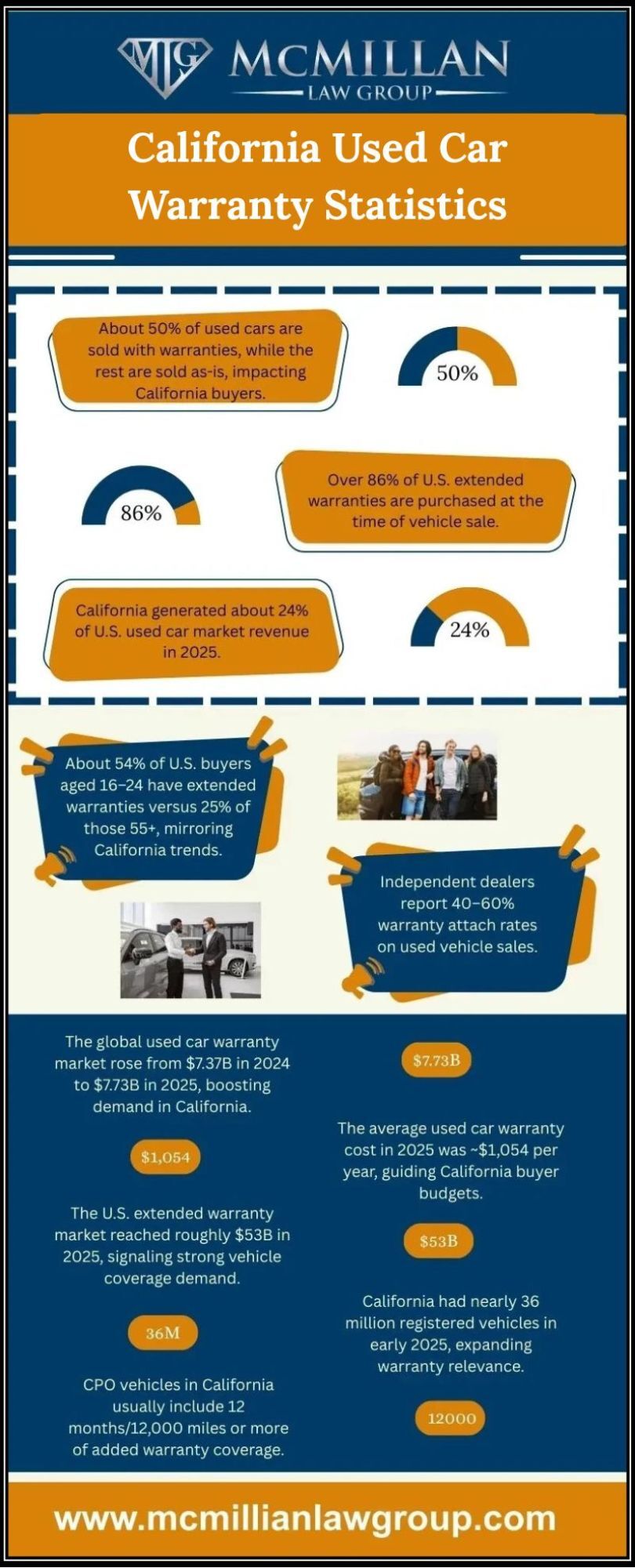
Yes, pre-owned vehicles can be eligible, provided specific criteria are satisfied. If a used vehicle is still under its original manufacturer warranty or is paired with a certified pre-owned (CPO) warranty, it may be protected by the Lemon Law.
Conditions for Lemon Law Application on Used Vehicles
- The defect arose during the validity of the warranty.
- The problem significantly impacts the vehicle’s performance, safety, or worth.
- The manufacturer or dealer made a reasonable number of attempts to rectify the issue but failed.
Ultimately, the applicability of coverage is based not on whether the vehicle is considered “new” or “used,” but rather on the status of the warranty at the time when the repairs were attempted.

Example Scenario
Picture buying a certified pre-owned SUV that is two years old and still under the manufacturer’s warranty of three years or 36,000 miles. Should it experience a persistent transmission problem and the dealership is unable to fix it after multiple tries, you could be safeguarded by Lemon Law, similar to a new vehicle owner.
Certified Pre-Owned (CPO) and Dealer Warranties
A lot of consumers in Oakland, California choose Certified Pre-Owned (CPO) vehicles because they come with limited warranties and have undergone thorough inspections. Nevertheless, even these “certified” cars can still have defects.
How CPO Coverage Works
A Certified Pre-Owned (CPO) warranty is generally issued by either the dealer or the manufacturer, offering coverage for certain components over a defined time frame. Should a defect occur within this warranty timeframe and continue despite repair attempts, Lemon Law provisions may be relevant.
- Important Elements for CPO Lemon Law Claims
- The issue needs to fall under the coverage of the CPO warranty.
- All repairs should be performed at approved service facilities.
- It’s crucial to keep records of each repair visit to demonstrate ongoing issues.

Dealer Warranties
Certain dealerships offer pre-owned vehicles accompanied by a limited dealer warranty, typically lasting 30 days or covering 1,000 miles. Despite its brevity, this warranty may still invoke Lemon Law protections if there are major defects that remain unresolved during the warranty timeframe.
What Types of Defects Qualify?
Substantial vs. Minor Defects
Not all problems make a vehicle a lemon. Legal definitions differentiate between serious defects and slight annoyances.
Substantial Defects Include:
- Engine or transmission breakdowns
- Issues with brakes or steering systems
- Electrical faults posing safety hazards
- Ongoing problems with airbags or seatbelts
Minor Issues That Don’t Qualify:
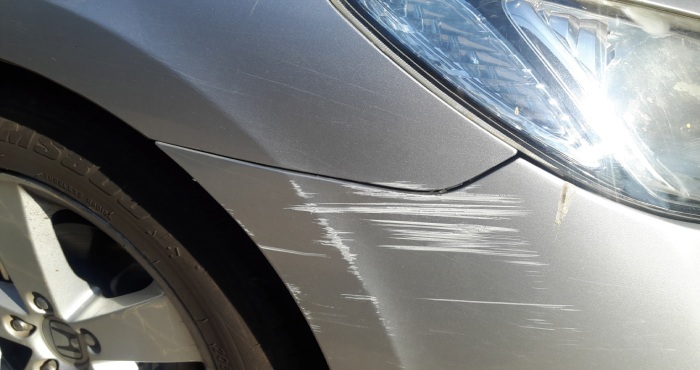
- Cosmetic imperfections (such as scratches or chipped paint)
- Typical signs of use
- Minor sounds or vibrations that don’t affect performance.
Reasonable Repair Attempts
Under California law, a vehicle is generally classified as a lemon if:
- The manufacturer has made two or more attempts to rectify a serious safety problem, or
- There have been four attempts to address a non-safety-related issue, or
- The vehicle has spent a total of 30 days out of service due to warranty repairs.
These guidelines assist in evaluating whether the manufacturer has been given a “reasonable opportunity” to fix the problem.
The Lemon Law Process for Used Cars
1. Document Everything
Maintain detailed documentation of:
- Sales contracts and warranty information
- Repair receipts and service records from the dealer
- Correspondence with the manufacturer or dealership

Tip:
Make sure the repair order clearly details the exact issue you reported. Ambiguous notes can undermine your position should you need to make a claim later.
2. Inform the Manufacturer
If the issue continues, it’s essential to inform the manufacturer or authorized dealership. This official notification gives them one last opportunity to resolve the issue before you proceed with a Lemon Law claim.
3. Obtain Legal Help
Given the complexities of used car lemon claims, it’s wise to seek the advice of a California Lemon Law attorney. These legal professionals are familiar with manufacturer strategies and will help safeguard your rights.

Why Legal Help Matters
- Legal professionals are equipped to manage negotiations with manufacturers.
- A number of lawyers operate on a contingency fee structure, meaning manufacturers typically cover legal fees should you achieve a victory.
- They can assist you in seeking extra funds to cover any inconvenience or expenses incurred.
Protecting Your Rights as a Used Car Buyer
In California, a pre-owned vehicle may qualify as a lemon if it remains under warranty and continues to have ongoing, unresolved issues. The California Lemon Law safeguards the rights of both new and used car owners against enduring mechanical failures and unfair practices by manufacturers. If you find yourself facing such challenges, consulting a Lemon Law attorney in San Diego can assist you in defending your rights and seeking a just outcome.