
Purchasing a new truck is typically associated with trustworthiness and assurance, but for many first-time buyers, unforeseen issues can swiftly transform enthusiasm into disappointment. Lemon laws are designed to safeguard truck purchasers when a vehicle becomes unsuitable due to ongoing repairs, extended periods of unavailability, or significant faults. However, these legal protections can often be perplexing, particularly for trucks that serve both personal and commercial purposes.
Coverage 101: Do lemon laws apply to your truck?
What Trucks Are Covered by State Laws?
Most state lemon laws include trucks as long as they are new, still under warranty, registered in the state, and primarily used for personal or limited business tasks. However, regulations differ significantly, with some states not covering trucks that are primarily used for heavy commercial, fleet, or agricultural purposes.

Important Specifications: GVWR and Business Use
Whether a truck qualifies can hinge on its Gross Vehicle Weight Rating (GVWR) and restrictions on business mileage. States such as New Jersey, Washington, and Ohio impose specific limits that dictate if defects in trucks qualify for lemon law protections.
New vs. Used Trucks and Warranty Considerations
Typically, lemon laws are applicable to new trucks that develop issues within the express warranty timeframe. Certain states also extend coverage to used or certified pre-owned trucks as long as a manufacturer or certified pre-owned warranty is active.
Additional Protections: Magnuson-Moss and UCC
In cases where state lemon laws do not apply, federal protections under the Magnuson-Moss Warranty Act and the Uniform Commercial Code (UCC) can still address warranty issues. These laws provide recourse when problems persist despite repeated repairs, even if state requirements are not fulfilled.

How states differ—practical examples
- New York Lemon Law and New Jersey Lemon Law apply to many personal-use trucks and provide state-run arbitration.
- Washington Lemon Law includes special procedures for motor homes and heavy vehicles.
- Rhode Island Lemon Law, Hawaii Lemon Law, and Ohio Lemon Law illustrate how timelines, GVWR caps, and remedies vary.
The Center for Auto Safety maintains a lemon law library and state-by-state rankings that outline these differences, enhancing consumer protection across jurisdictions.
Proving a lemon: defects, thresholds, downtime, documentation
What defines a vehicle defect or nonconformity?
A “lemon” vehicle has a defect covered by warranty that significantly hinders its use, value, or safety. This defect must occur while the warranty is active and persist after a reasonable number of repair attempts, often prompting affected owners to consult a lemon law lawyer to evaluate their rights and pursue remedies such as a refund or replacement.
Examples of manufacturing defects versus safety defects
Manufacturing defects can include recurring issues like transmission malfunctions or repeated brake failures. In contrast, safety defects pose injury hazards — such as a loss of steering control or brake failure — and generally require fewer attempts to fix.
Repair attempts: counting and criteria
Most states mandate 3 to 4 repair efforts for the same defect, or fewer if the problem poses serious safety concerns. Additionally, many states consider a vehicle eligible if it has been out of service for about 30 days in total.
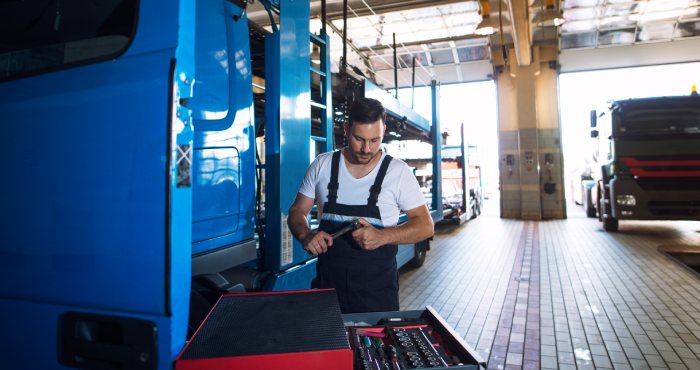
The significance of “out of service”
Time spent in the shop for warranty repairs is usually factored into lemon law eligibility. Prolonged delays, including those caused by waiting for parts, can bolster your claim.
Paper trail essentials
- Repair orders and invoices: Get a detailed line item each visit, including the complaint, diagnosis, and parts replaced.
- Service dates and odometer: Note calendar days out of service and mileage at drop-off and pick-up.
- Written notices and return receipt: Send written notice by certified mail to preserve your timeline and prove a final repair attempt opportunity.
- Photos and videos: Capture intermittent conditions and warning lights to corroborate your account.
- Towing, rentals, and expenses: Keep receipts for incidental damages tied to the vehicle defect.
How to file: notice, final repair attempt, arbitration or court
- Timeline: Ensure that the defect occurred during the warranty period and that you meet your state’s eligibility criteria related to purchase date, service date, mileage, or time frame.
- Written Notice: Prepare and send a certified letter to the manufacturer outlining the defect, detailing any repair attempts made, and requesting a final chance for repair.
- Final Repair Opportunity: Grant the manufacturer or dealer one last opportunity to fix the issue as mandated by law, and escalate the matter if the problem persists.
- Arbitration vs. Court: Utilize state-mandated arbitration if necessary, or take the matter to court armed with comprehensive documentation in accordance with state or federal regulations.
- Resources & Federal Law: Consult the Center for Auto Safety and refer to the Magnuson-Moss Warranty Act to enhance your state lemon law protections.

Practical playbook: negotiation, mobility, cross-state issues, counsel
Negotiation tips with the manufacturer and dealer
- Be precise. Summarize vehicle defect history, repair attempts, and out of service days in a one-page chronology.
- Propose clear remedies. Offer a reasonable replacement or refund path that accounts for mileage offset.
- Leverage safety. A serious safety defect can accelerate resolution.
- Keep everything in writing. Email and certified mail create a reliable record.
Working during a claim: staying mobile while out of service
Ask the dealer or manufacturer for a loaner or rental authorization during the repair period. If denied, keep receipts to support incidental damages. Schedule service strategically so downtime doesn’t derail your business.
Cross-state purchases and where you file
If you bought across state lines or registered in a different state—say, you live near pala california and purchased in another state—your rights may depend on the state of purchase, registration, or where the repairs occurred. Review specific statutes like New York Lemon Law or Rhode Island Lemon Law if your truck moves between jurisdictions.

When to call a lawyer—and how to choose
Consider counsel if the manufacturer resists a final repair attempt, disputes a safety defect, or stonewalls arbitration. Look for experience with state-run arbitration and the Magnuson-Moss Act. If you need a local advocate, a san diego lemon law lawyer can evaluate timelines, damages, and strategy. You can also consult a seasoned lemon law attorney to assess whether to pursue arbitration or litigation.
Arbitration strategy and settlement leverage
Frame the case around the statute’s elements: warranty period, defect, reasonable number of repairs, and out of service time. Organize exhibits by repair facility visit. Cite The Center for Auto Safety resources on the arbitration process and emphasize consumer protection policies embedded in state law. Even during arbitration, you can negotiate a refund or replacement that resolves your claim efficiently.