
Recreational vehicles (RVs) represent not only a way to travel but also embody freedom, adventure, and the great outdoors. However, when mechanical issues arise or the interior deteriorates, this dream can quickly become a nightmare. Many RV owners realize, often too late, that while their warranty or lemon law provisions cover engine problems, they do not extend to the living area. This frustrating scenario leads to an important question: What options are available when your RV’s engine is eligible for repairs or replacement, but the living space is not?
Understanding the Split: Why Your RV Engine Qualifies, But the Cabin Doesn’t
The Dual Warranty Structure of RVs
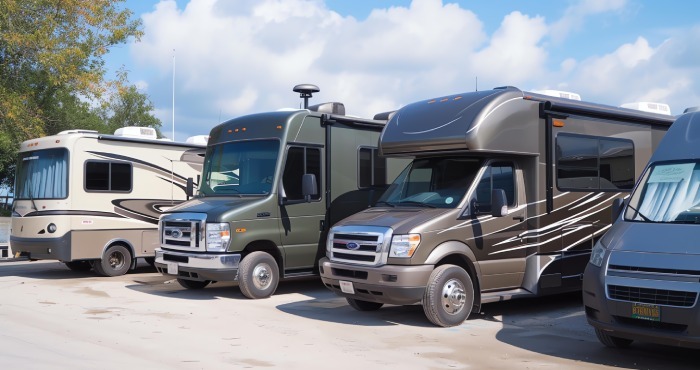
The chassis, comprising the engine, transmission, and drivetrain, is produced by a vehicle manufacturer such as Ford, Mercedes-Benz, or Freightliner. In contrast, the coach or living area, which encompasses the plumbing, appliances, and electrical systems, is made by a different RV manufacturer.
Each part has its unique warranty terms, duration, and limitations. So, if there’s an issue with the engine, Ford would handle it, but for problems like a leaking water heater or a malfunctioning slide-out, you would need to address those with the RV manufacturer.

Why Cabin Issues Often Go Uncovered
Cabin warranties are generally more limited in duration and scope. Numerous manufacturers classify certain cabin components as susceptible to “wear and tear,” which complicates the ability to seek repairs or replacements under lemon laws. Furthermore, state lemon laws primarily address issues related to drivability and safety, predominantly concerning the engine and chassis, rather than the interior features.
Steps to Take When Your RV Engine Qualifies but the Cabin Doesn’t
Step 1: Review Both Warranties Thoroughly
Prior to submitting any complaints or pursuing legal measures, thoroughly review both the chassis warranty and the coach warranty.
What to Look For in Your RV Warranty Documents
- Warranty Length and Scope: Review the validity period of each warranty and its specific inclusions.
- Exclusions: Determine which components or systems are not covered.
- Approved Service Providers: Using a non-authorized facility may result in loss of coverage.
- Repair Deadlines: Keep track of the timeframe the manufacturer has to finish repairs, after which you can raise concerns.
Maintain thorough records of all communications, including dates, service order numbers, and the names of customer service agents.

Step 2: Contact Both Manufacturers
If your RV’s engine is eligible for repairs while the cabin isn’t, reach out to both the chassis manufacturer and the coach builder.
How to Handle Manufacturer Communication
- Begin with documented correspondence. Utilizing emails or official letters establishes a record of your communication.
- Be precise. Clearly outline the problem and cite any relevant warranty clauses.
- Seek good-faith repairs. Even if a concern falls outside of warranty coverage, some manufacturers may provide full or partial repairs as a gesture of goodwill, particularly for newer RVs.
Step 3: Seek Out Third-Party Extended Warranties
Should the coach manufacturer decline assistance, you might consider acquiring an extended service plan (ESP).
Evaluating Extended Warranty Options
- Broad vs. limited coverage: Comprehensive policies detail what is included, while exclusionary ones specify what is excluded; typically, the latter are more extensive.
- Provider reputation is crucial: Opt for companies that have positive feedback and offer services across the country.
- Review deductible conditions: Certain plans might have deductibles for each visit, which can accumulate rapidly.
Although extended warranties might be expensive, they can potentially save you a significant amount if key cabin parts break down after the initial warranty period ends.

Exploring Legal Remedies for Cabin Issues
In Scripps Ranch, San Diego, if your RV’s interior issues persist and the manufacturer won’t help, a Lemon Law lawyer can guide you toward fair compensation and effective legal remedies.
When Lemon Laws Apply — and When They Don’t
Lemon laws differ from one state to another, but they generally apply more to cars than to recreational vehicles. Consequently, these laws mainly safeguard the vehicle’s critical components like the engine, transmission, steering, and brakes, rather than the RV’s interior.
Common Criteria for Lemon Law Protection
The RV has a significant flaw that impacts its usability, safety, or worth. This problem arose within a designated period or mileage range. The manufacturer had several chances to resolve the issue but did not succeed.
Regrettably, issues related to plumbing, slide-outs, or interior features may not be covered unless they make the RV unserviceable or unsafe to drive.

Step 4: Consult a Lemon Law Attorney
Even if you’re unsure your case qualifies, consult an RV Lemon Law attorney.
What a Lawyer Can Help You With
- Assessing whether your case is governed by federal or state regulations.
- Engaging in discussions to reach settlements or repurchase agreements with the manufacturer.
- Pursuing arbitration or legal action if necessary.
Step 5: Consider Arbitration or Mediation
Before initiating legal action, verify whether your warranty mandates arbitration, which involves a neutral third party making the final decision.
Benefits of Arbitration
Quicker and more cost-effective than litigation. Typically it settles in 60 to 90 days. Rulings can require manufacturers to cover repair expenses or issue refunds.
Keep in mind that arbitration outcomes can be binding, which means further legal recourse may not be an option. It’s essential to review the details carefully before committing.
Preventing Future Problems
Research Before You Buy
Prior to purchasing an RV, research the reliability of both the chassis and the coach manufacturers, as well as the quality of their after-sales service.
Tips for Smart RV Purchasing
- Explore owner discussion groups: Genuine feedback from users can highlight common issues.
- Evaluate warranty conditions: More extensive and longer warranties typically suggest greater trust from the manufacturer.
- Examine the RV carefully: Consider hiring a professional RV inspector prior to completing the purchase.
If your RV’s engine is under warranty but the cabin isn’t, dealing with two manufacturers can be frustrating. San Diego Lemon Law lawyers can help you understand your rights and advocate for fair treatment.
Keep detailed records, communicate clearly, explore legal options, and plan for future insurance to protect your RV and enjoy worry-free travels.