
When a defective vehicle undermines your confidence and budget, a methodical lemon law investigation gives you legal leverage and a clear path to relief. Across states, lemon laws provide robust rights and protections that safeguard consumer rights when car repairs don’t deliver a satisfactory repair.
With the right documentation and a lemon law expert guiding strategy, you can pursue a vehicle refund, a replacement vehicle, or a purchase price refund whichever consumer solution best restores your vehicle’s intended use and the value of vehicle ownership.
Foundation: Eligibility, Documentation, and Evidence
Steps 1–3: Verify, Centralize, Build
Step 1: Confirm Eligibility
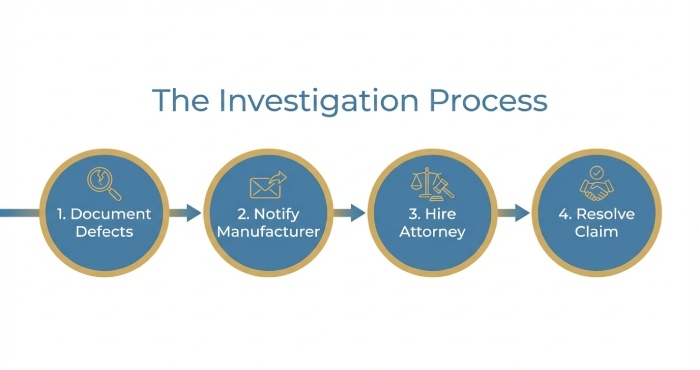
Assess if your state’s lemon law or consumer protection regulations are relevant to your vehicle. Examine the warranty terms, timing, and mileage limits, and ensure that the defect significantly impacts your vehicle’s functionality, worth, or safety. If in doubt, reach out to a lemon law expert to help determine your eligibility and outline potential options for a refund or replacement.
Step 2: Organize Your Records
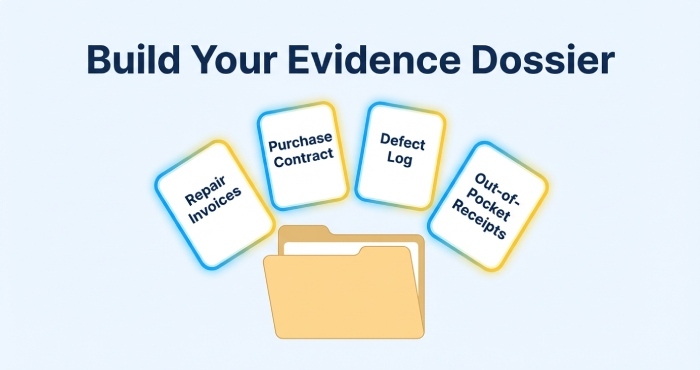
Collect all essential documents in a single location, such as the purchase or leasing contract, warranty information, repair tickets, and service bills. Include correspondence with service personnel, towing invoices, and records of any rental or loaner vehicles. A well-arranged dossier enhances your case and provides a clear overview of the repair history.
Step 3: Document the Defect
Keep a detailed log of the vehicle issue, including dates, mileage, driving conditions, photos, videos, and any error codes. If you’re in Arcadia, documenting similar complaints from other owners can help reveal a pattern of defects and strengthen your claim.
Evidence that persuades arbitrators and courts
- Contemporaneous notes of car repairs and road behavior (e.g., “vehicle shudders at 55 mph, rain, ESC light on”).
- Side-by-side comparison of “before” and “after” repair test drives demonstrating no satisfactory repair occurred.
- Technician notes tying failed repairs to the same root cause (common in design defects).
- Proof of out-of-pocket costs for reimbursement: towing, rideshare, rental, storage, and diagnostic fees.
Eligibility snapshot across states
- Thresholds vary: some states require a specific number of reasonable repair attempts (often 2–4) or a set number of days out of service (often 30 cumulative days) during the warranty period.
- New car lemon law tends to be more straightforward; used car lemon law may depend on dealer warranties or certified pre-owned terms.
- “Substantial impairment” typically focuses on whether defects impair the normal operation, the vehicle value, or the safety of the vehicle, not cosmetic issues.
Action, Remedies, and Resolution Path
Steps 4–10: From repair attempts to final outcome
Step 4: Use Authorized Service Centers and Monitor Repairs
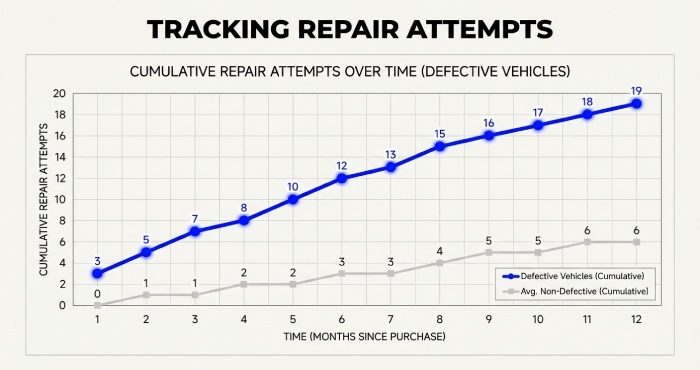
Always take your vehicle to an authorized service center to ensure warranty coverage and uphold the manufacturer’s expectations. Keep detailed records of every service visit and track how long the vehicle is out of commission. Document any recurring issues to demonstrate that reasonable attempts to repair the defect were made, yet it persists.
Step 5: Provide Written Notification
Draft and send a certified letter to both the manufacturer and dealership outlining the defect and summarizing your repair history. Specify the outcome you desire — such as a refund, reimbursement of the purchase price, or a replacement vehicle. Citing your state’s lemon law can help emphasize your legal rights and bolster your request for action.
Step 6: Maintain the Vehicle’s Condition
Refrain from making any modifications, aftermarket enhancements, or neglecting maintenance that might undermine your claim. Keep the vehicle accessible for inspection and record any safety issues if it can’t be driven. Properly maintaining the vehicle ensures the preservation of evidence and supports your plea for legal recourse.
Step 7: Initiate a Formal Complaint
If deemed necessary by law, file a complaint with your state’s consumer protection agency, arbitration program, or dispute resolution service. Present all documentation, timelines, and evidence of failed repair attempts. Additionally, consider collaborating with a lemon law attorney to enhance your case and guide you through the legal procedures.
Step 8: Calculate remedies
Estimate each remedy tier with precision:
- Buyback/purchase price refund: Include base price, taxes, registration, finance charges where applicable, plus incidental and consequential damages (towing, rental, loan interest differential). Expect a mileage offset deduction according to state formulas (defect-first-reported miles ÷ 120,000 or similar), but challenge excessive offsets.
- Replacement vehicle: Seek a like-for-like model, accounting for options, technology packages, and current vehicle value equivalencies.
- Cash-and-keep: A negotiated reimbursement for diminished value of vehicle when you prefer to retain it.
Document every dollar; clarity expedites the refund process and aligns the consumer solution with your needs. If the manufacturer offers refund or replacement, verify that your purchase price refund includes all allowable add-ons and fees.
Step 9: Engage a Lemon Law Lawyer
Find a qualified Lemon Law Lawyer who is well-versed in the legal framework and the responsibilities of manufacturers. Many attorneys work on a contingency basis or under fee-shifting statutes, minimizing your financial burden. An adept lawyer can advocate for a refund, a replacement vehicle, or reimbursement of the purchase price while ensuring your rights as a consumer are upheld.
Step 10: Get Ready for a Resolution
Compile all relevant documents in a coherent timeline, including purchase agreements, warranties, repair documentation, and any correspondence. Assemble supporting evidence such as photographs, videos, and receipts detailing expenses related to the issue. Being meticulously organized will bolster your position in arbitration, negotiations, or potential legal proceedings.
Data Snapshot: Lemon Law Investigations After Buying a Defective Car
| Statistic | Insight |
| 1 in 10 new vehicles | Approximately 10% of new vehicles experience significant defects requiring repeated repairs. |
| 3–4 repair attempts | Most state lemon laws trigger investigation after 3–4 failed repair attempts for the same issue. |
| 30+ days in repair shop | Vehicles kept 30 or more cumulative days for repairs may qualify for lemon law review. |
| 60% of claims resolved | Around 60% of lemon law cases are settled through manufacturer buyback or replacement. |
| First 12–24 months | Most lemon law protections apply within the first 1–2 years after purchase or within a mileage limit. |
Initiating a lemon law inquiry promptly safeguards your rights and strengthens your case when dealing with a defective vehicle. By documenting issues and consulting a San Diego Lemon Law attorney, you increase your chances of securing a refund, replacement, or a fair resolution.