
A vehicle history report can significantly affect the resale value of a car labeled as a lemon in California. For future buyers, reports from sources commonly found through Google searches or dealer platforms often reveal title branding, repeated repairs, accident records, warranty activity, and ownership patterns. Under the California lemon law, especially the Song-Beverly Consumer Warranty Act, these records can influence whether a buyer sees the vehicle as a reasonable purchase or as one of many faulty vehicles with long-term reliability risks.
Lemon Buyback Branding Can Reduce Buyer Confidence
Why the Buyback Label Matters
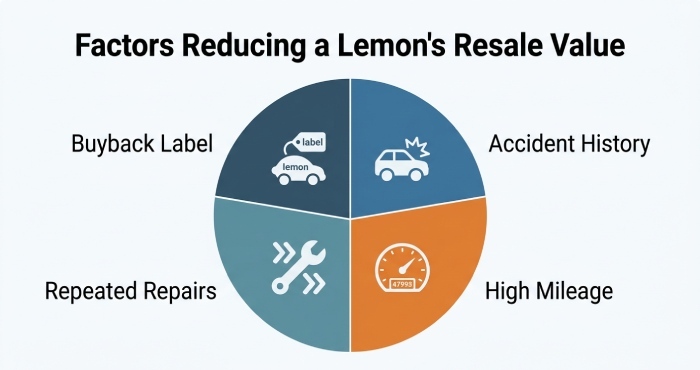
A lemon law buyback occurs when a manufacturer repurchases a defective vehicle after a successful claim. Under California’s Song-Beverly Consumer Warranty Act, eligible consumers may receive a refund, replacement vehicle, or other compensation when substantial warranty defects remain unresolved after reasonable repair attempts. After repurchase, the vehicle may carry a buyback label on its title or history report, which can lower resale appeal because potential buyers may worry that the original defect could return even after repairs.
Buyer Trust and Brand Perception
A buyback vehicle may suffer from weakened brand perception, especially if the brand or model is already associated with recurring mechanical or electrical problems. The buyback label can make the car appear riskier than comparable pre-owned vehicles, resulting in lower resale value and tougher negotiations.
Repair History Shows Whether the Defect Was Persistent or Resolved
Repeated Repairs Can Signal Ongoing Risk
A vehicle history report can show repeated repairs for the same problem, which may support a California lemon law claim when a major warranty defect remains unresolved after reasonable repair attempts under the Song-Beverly Consumer Warranty Act. A lengthy repair history may also reduce resale value because buyers could view repeated repairs as evidence of a persistent defect, even when the issue has been fixed.
Resolved Problems Still Require Documentation
A clean explanation matters. If the vehicle history shows that the defect was repaired and no longer appears in service records, the seller may have a stronger argument for a better price. However, transparency is critical. A seller who discloses the repair trail, warranty invoices, and service notes may reduce buyer concern.
Accident, Damage, and Title Records Can Compound Resale Losses
When Lemon History Meets Damage History
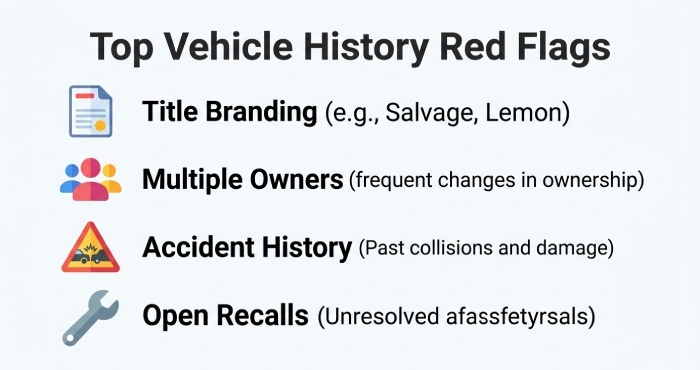
A lemon law buyback record can significantly affect resale value, especially when combined with accident, structural, flood, salvage, or odometer issues. These additional history concerns may make buyers more cautious about safety, reliability, and performance, leading to greater vehicle devaluation. When a defective vehicle also has title or damage concerns, its resale value may decline even further.
Title Records Affect Negotiation Leverage
A buyer may use title events and damage records to negotiate aggressively. The seller may argue that the defect was resolved through the legal buyback procedure, but the buyer may still demand a discount due to the lemon law repurchase and any accident history. In these cases, a lemon law attorney may help a consumer pursue fair compensation if the manufacturer’s actions caused measurable diminished value.
Mileage and Ownership Patterns Can Affect Perceived Reliability
High Mileage Can Magnify Lemon Concerns
Mileage can strongly influence the resale value of a lemon law buyback. Higher mileage may make buyers more concerned about wear and whether the original defect was fully resolved, while lower-mileage vehicles may attract more interest. However, even low-mileage vehicles can lose value when they carry a lemon law buyback history and have undergone repeated warranty repairs.
Multiple Owners Can Create Doubt
A vehicle history report showing several owners in a short time may suggest unresolved dissatisfaction. Buyers may ask whether each consumer discovered the same problem and quickly sold the car. This can create more negative perceptions and reduce the seller’s negotiating power.
Open Recalls and Manufacturer Notes May Raise Red Flags

Recalls Can Reinforce Defect Concerns
Open recalls can further reduce buyer confidence in a lemon law buyback, particularly when they involve the same system as the original defect, such as the brakes, transmission, battery, steering, or engine. A manufacturer disclosure showing that the vehicle was repurchased under the Song-Beverly Consumer Warranty Act may also confirm its history and give buyers stronger grounds to negotiate a lower price.
Manufacturer Notes and Documentation
Manufacturer disclosures can help buyers understand whether repairs were completed before resale. However, if the report lacks clear service updates, the uncertainty can damage resale value. This is where legal assistance may help. A lemon law lawyer can review the manufacturer’s records, repair invoices, and title branding to determine whether the consumer received appropriate compensation.
Owners of motor homes and RVs can face similar warranty and defect issues. When recurring problems affect an RV’s use, value, or safety, consulting a California RV lemon law attorney can help owners understand their legal options under California warranty law.
A Lemon Law Lawyer in California Can Help Document Lost Resale Value
Legal Documentation Can Strengthen a Claim
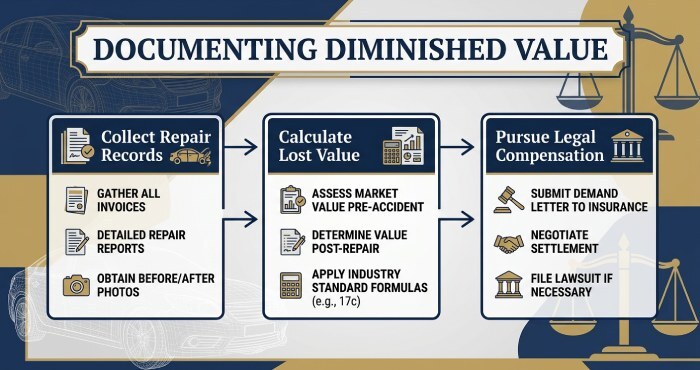
A lemon law lawyer in California can help document diminished resale value by collecting repair orders, warranty records, title history, valuation reports, and market comparisons. This evidence can help compare the vehicle’s expected value without lemon branding to its actual value after a buyback label appears. It may also support claims for eligible expenses, such as towing and rental costs, especially when the manufacturer disputes the defect, repair history, or compensation owed.
Working With a California Lemon Law Attorney
A California attorney experienced in San Diego Lemon Law matters can help consumers understand the legal process and determine whether their vehicle may qualify for protection under California law. McMillan Law Group helps California consumers navigate Lemon Law claims, vehicle warranty disputes, and related legal matters involving defective vehicles. Speaking with an experienced attorney can help consumers understand their rights, evaluate their options, and determine the appropriate next steps.
A lemon law attorney san diego may offer a free consultation to review the manufacturer’s warranty, repair history, and potential car value loss.
Why Legal Help Matters Before Resale
Before selling or trading a lemon-branded vehicle, legal review can help protect your investment. A lemon law attorney can determine whether the manufacturer complied with the legal buyback procedure, whether the lemon law repurchase was properly documented, and whether the consumer is entitled to additional recovery. For buyers and sellers across the United States, accurate documentation remains one of the most effective ways to manage resale risk, reduce disputes, and understand the true market impact of a California lemon law history.