
Insurance claims can complicate a California Lemon Law case when a vehicle has been involved in an accident, repaired through insurance, or given a branded title. Under the Song-Beverly Consumer Warranty Act, eligible vehicle owners may have remedies such as a refund or replacement when a manufacturer cannot repair covered defects within a reasonable number of attempts.
However, manufacturers may argue that the defect resulted from collision damage rather than a warranty issue. A knowledgeable lemon law attorney can help distinguish insurance-related damage from manufacturer liability and protect your legal rights.
How Insurance Claims Intersect With California Lemon Law Cases
California Lemon Law may apply if your covered vehicle has recurring defects affecting its use, value, or safety during the warranty period. Insurance records, repair documents, photos, estimates, and title history may also be relevant when evaluating a potential Lemon Law claim and determining what remedies may be available.
Way #1: An Accident Claim Can Raise Questions About Whether the Defect Was Caused by Damage or a Manufacturer Issue
Causation is important when an insurance claim and California Lemon Law case overlap. After a collision, the manufacturer may argue that a vehicle defect resulted from accident damage rather than a warranty-covered manufacturing problem. A lemon law attorney can compare the accident date, repair records, odometer readings, and dealership diagnostics to determine whether the defect existed before the collision and whether the same issue continued afterward.
If you are dealing with an insurance claim and a potential Lemon Law issue, a San Diego Lemon Law attorney can review the circumstances of your case

Way #2: Insurance Repair Records Can Become Key Evidence in Your California Lemon Law Case
Insurance repair records may support or weaken a lemon law claim by showing whether a defect is warranty-related or caused by an accident. For example, records separating a Jeep Grand Cherokee’s transmission defect from minor collision repairs may strengthen the claim, while insurance-funded drivetrain or electrical repairs could give the manufacturer grounds to dispute it.
Way #3: A Total Loss Claim May Limit or Complicate Your Lemon Law Remedies
A total loss can complicate a California Lemon Law claim, and its effect on your potential remedies depends on the circumstances. If the manufacturer failed to repair covered defects before the insurance loss, an attorney can review the repair attempts, days out of service, warranty coverage, and timing of the loss. In Orange, Riverside, San Diego, Los Angeles, and San Bernardino counties, the circumstances surrounding the defect and accident may also be relevant when evaluating the claim and potential remedies.
Way #4: Prior Insurance Payouts Can Affect the Vehicle’s Value and Potential Buyback Calculation
An insurance payment may become relevant to the circumstances or evaluation of a California Lemon Law claim, particularly when the payment relates to accident damage or a total loss. Under the Song-Beverly Consumer Warranty Act, a successful California Lemon Law claim may provide remedies that can include a refund of amounts paid for the vehicle, certain taxes and fees, finance charges, and other qualifying costs, subject to applicable deductions such as the statutory mileage offset.
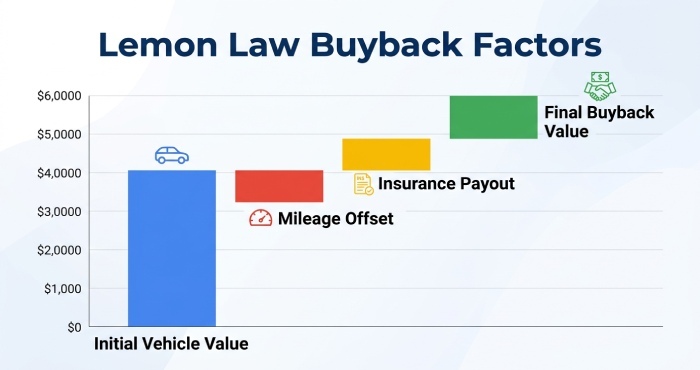
How the Repurchase Formula Treats Mileage and Offsets
The repurchase formula often considers the odometer reading at the first relevant repair attempt. The manufacturer may raise the insurance payment when disputing the circumstances, value, or cause of the claimed defect. Whether that argument has any effect on a Lemon Law remedy depends on the facts of the case. A lemon law lawyer can challenge improper offsets and distinguish between insurance compensation for accident damage and warranty remedies for a defective vehicle.
Records That Help Support Valuation
Helpful records include the purchase contract, DMV registration, California Department of Motor Vehicles (DMV) title documents, repair order history, rental car reimbursement receipts, towing bills, insurance payout letters, and dealership warranty invoices. These documents help determine the correct lemon law buyback value, replacement value, or refund.
Way #5: Poorly Documented Repairs Can Make It Harder to Prove a Recurring Defect
Documentation is crucial in a California Lemon Law case because detailed repair records help establish recurring warranty defects. Records that clearly describe problems such as stalling, power loss, transmission hesitation, brake issues, or warning lights are more useful than vague notes. An attorney can compare dealership, body shop, and insurance repair records to determine whether the same defect continued despite warranty repairs and whether the required repair attempts can be established.
Way #6: Aftermarket or Insurance-Approved Parts May Create Disputes About the Source of the Problem
Insurance repairs sometimes involve aftermarket parts, used components, or non-OEM replacement parts. This can create disputes in a lemon law claim because the manufacturer may argue the defect was caused by non-factory parts rather than a manufacturer’s warranty issue.
A qualified lemon law lawyer can analyze whether the replacement parts actually caused the problem or whether the vehicle was already defective under the Song-Beverly Consumer Warranty Act.
Way #7: A Salvage or Branded Title Can Impact Eligibility and Case Strategy
A salvage, branded, lemon law buyback, or prior total-loss title can create additional issues in a California Lemon Law claim. The effect of the vehicle’s title history depends on factors such as when the title status arose, the vehicle’s warranty coverage, the timing and nature of the defect, and the circumstances of any prior repairs. A Lemon Law attorney can review DMV records, title history, warranty documents, and repair records to determine how these factors may affect your potential claim.
Way #8: Statements Made to Your Insurer Could Be Used to Challenge Your Lemon Law Claim
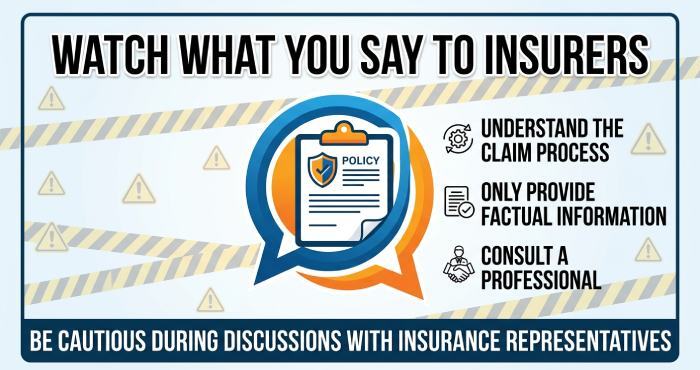
Statements made during the insurance claims process can be used by the manufacturer in litigation or settlement negotiations. If you told your insurer that all problems began after the accident, the auto manufacturer may use that statement to challenge your lemon law claim.
That does not mean your case is lost. Sometimes vehicle owners describe symptoms broadly without knowing the technical cause. A lemon law lawyer can compare your insurer statement with prior dealership repair attempts, warranty complaints, service manager notes, and shop foreman findings to clarify the timeline.
If you need guidance from a california lemon law lawyer, ask for a free consultation before giving broad statements that could affect your refund, replacement, or vehicle repurchase rights.
Way #9: A Lemon Law Lawyer in California Can Help Separate Insurance Issues from Manufacturer Liability
A lemon law attorney can help when insurance claims and California Lemon Law issues overlap by distinguishing accident-related damage from manufacturer warranty liability under the Song-Beverly Consumer Warranty Act. The attorney may review warranty, insurance, dealership, repair, purchase, DMV, rental, and expense records to assess your claim and potential recovery of attorney fees. Depending on the circumstances, available remedies may include a refund, replacement, repurchase, or lemon law buyback.