Experiencing a failed vehicle safety inspection can be disheartening, but repeated failures can lead to more significant concerns regarding legality, expenses, and your next steps. Many drivers feel uncertain about their ability to continue driving, the timeframe for addressing the problems, or when repairs become financially impractical. This article explores the implications of consistently failing inspections, the potential repercussions, and the viable choices you have to make informed decisions about your next actions.
Why Cars Fail Repeatedly: Common Safety Defects, Misdiagnosis, and Varying Standards by Jurisdiction
Repeated inspection failure is usually rooted in a combination of unresolved mechanical faults, incomplete or incorrect vehicle repair, and differences in safety standards between jurisdictions. A car safety inspection or broader vehicle inspection centers on critical systems that directly affect passenger safety.
The top repeat offenders include the brake system (worn brake pads, leaking lines, seized calipers), the suspension system (damaged shock absorbers, loose ball joints, broken springs), the steering system (excessive play, torn tie-rod boots), and the lighting system (inoperative headlights, taillights, or turn signals). Tire condition and tread depth, wheels and tires alignment or damage, and malfunctioning seatbelts also trigger a failed safety inspection frequently.
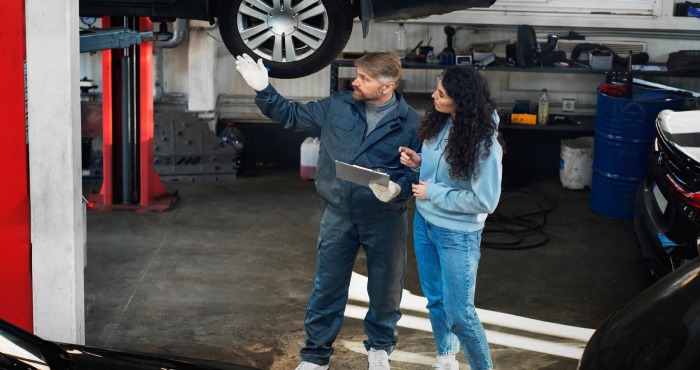
Misdiagnosis compounds the problem: if a mechanic assessment addresses symptoms (e.g., brake noise) but misses root causes (e.g., warped rotors, hydraulic imbalance), recurring safety issues persist and the inspection report stays red-flagged.
Electrical components from corroded grounds to failing control modules can trigger intermittent lighting faults that only surface during formal testing. Jurisdictional differences also play a role, as safety and emissions standards vary by state and inspection authority; a vehicle that passes at one inspection station may fail at another under stricter criteria. Reviewing local inspection agency guidance and ensuring repairs meet the most stringent applicable standards can significantly reduce the risk of repeat inspection failures.
Common mechanical and electrical defects inspectors flag
- Brake system: thin brake pads, cracked lines, seized slides, parking brake out of adjustment
- Suspension system: leaking shock absorbers, worn ball joints, fractured control arms, loose sway-bar links
- Steering system: excessive free play, binding, or leaks
- Lighting system and electrical components: failed headlights, taillights, turn signals, intermittent wiring faults
- Wheels and tires: bulges, sidewall cuts, irregular wear, insufficient tread depth
- Safety equipment: frayed seatbelts or inoperative buckles
- Emission System: failed catalytic converter, damaged exhaust system, clogged air filter, fuel system leaks or a faulty gas cap
Immediate Aftermath of Multiple Failures: Repair Orders, Reinspection Windows, Fines, and Driving Restrictions
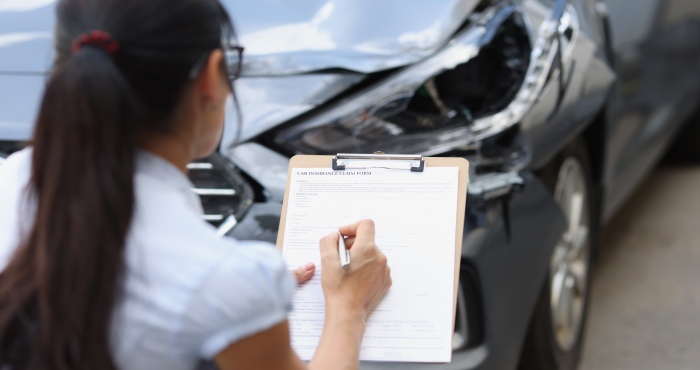
A failed safety inspection triggers documentation and deadlines. Expect a formal inspection report that details each deficiency, the relevant safety standards, and whether the item is “unsafe” or “advisory.” If you fail multiple times, inspectors will scrutinize whether prior vehicle repair attempts adequately addressed the defects.
Repair orders and retesting windows
In many states, you must obtain a repair order prior to being allowed to retest your vehicle. Typically, you have a period of 10 to 30 days to make the necessary repairs and return for inspection. If you return to the same testing facility, there might be lower fees involved. Additionally, if your vehicle has failed on safety components, it may restrict your driving to only trips for repairs or inspections. Furthermore, repeated failures could result in having to pay full retest fees and facing stricter time limits.
Fines and driving restrictions
If you continue to drive after repeated inspection failure, citations and fines may follow. Insurance carriers and law enforcement view an unsafe condition as a passenger safety risk. Some states allow temporary tags or limited permits strictly for vehicle repair trips; violating those limits can escalate penalties. If the emissions test is also outstanding, you could face parallel penalties for emissions noncompliance.
Long-Term Legal and Administrative Consequences: Registration Holds/Suspensions, Possible Court or Impound Actions
Registration holds, suspensions, and potential court or impound actions
After multiple failed safety inspection attempts, agencies can place a hold or suspension on your registration renewal. In some jurisdictions, failure to meet required safety standards and complete mandatory retesting can prevent vehicle title transactions and registration renewals.
Repeated violations or ignoring a repair order may lead to fix-it tickets, mandatory court appearances, or, in extreme cases, impoundment especially if structural damage or severe brake system defects make the vehicle imminently hazardous. If a new or recently purchased vehicle repeatedly fails, you may want advice from experienced Lemon law lawyers or consult a local Lemon Law attorney to understand your consumer rights; many drivers simply search for a trusted lemon lawyer san diego when failures persist despite warranty repairs.

Financial and Insurance Ripple Effects: Repair Budgets, Reinspection Fees, Resale Value, Premium Changes, and Coverage Risks
Budgeting, fees, resale, and insurance implications
Repeated inspection failure impacts your wallet. You’ll face repair costs to resolve brake pads, shock absorbers, ball joints, or lighting system defects, plus reinspection fees if you miss windows or change stations. An inspection report that chronicles repeated failures can depress resale value, since buyers view it as evidence of recurring safety issues. Some owners decide to invest in a comprehensive vehicle inspection at a reputable auto repair shop, for example, Dobbs Tire & Auto Centers (the Dobbs-Badge-Logo is familiar to Midwest motorists and service information appears at Gotodobbs.com)—to generate a clear, itemized repair path.
Insurance carriers may also reassess risk when a vehicle continues to be driven after failing a safety inspection especially when unresolved defects persist. If a crash can be linked to known issues such as faulty brakes or steering components, insurers may dispute coverage or limit payouts, and policyholders could face premium increases. From a lemon law claim perspective, documented repeated inspection failures and repair attempts can strengthen the argument that the vehicle has a substantial safety defect the manufacturer or seller failed to remedy. Even in non-collision claims, evidence of ongoing noncompliance with safety standards may trigger scrutiny, making timely, well-documented repairs critical not only for passenger safety but also for preserving insurance coverage and supporting a potential lemon law claim.

Getting Back to Compliant (or Moving On): Smart Diagnostics, Choosing a Shop, Documentation, Waivers/Exemptions, or Selling/Retiring the Vehicle
Break the cycle by utilizing a comprehensive diagnostic strategy rather than relying on temporary solutions. Ensure you receive a complete mechanical evaluation that includes brakes, suspension, steering, tires, lighting, emissions, and electrical systems. Identify root causes before replacing significant parts, like the catalytic converter, to focus on actual inspection issues rather than merely addressing surface-level problems.
When selecting a repair facility, opt for a knowledgeable technician who is familiar with local inspection requirements and can directly correlate each repair to the inspection findings. Authorized inspection stations can facilitate easy retesting, while reputable dealers or independent shops provide thorough pre-inspections helping you achieve compliance without recurring issues, or assisting in deciding whether to seek a waiver or consider a vehicle replacement.
Credentials checklist
- ASE or manufacturer certifications and authorization by the relevant Inspection Agency
- Demonstrated experience with brake pads, steering system, and suspension system diagnostics
- Transparent estimates linking every line item to a cited safety standards code
- Warranty on parts and labor (especially for Catalytic Converter, Brake Pads, and Shock Absorbers)
- Clear retesting plan with the same inspection station to minimize fees
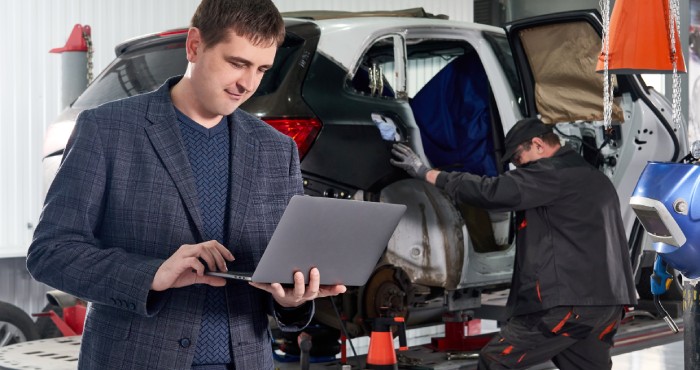
Documentation to keep
- Every inspection report (initial and reinspection) with dates and technician signatures
- All invoices for vehicle repair, parts receipts, and diagnostics printouts
- Before/after photos of items such as brake pads, wheels and tires, headlights/taillights, and seatbelts
- Emissions test results and any inspection waiver or temporary permits
Key Systems Inspectors Scrutinize and How to Pass the Next Vehicle Inspection
- Brake system: Replace worn brake pads, correct rotor/drum specs, bleed hydraulics, verify parking brake hold. Multiple references to the brake system in the inspection report signal urgency.
- Suspension system: Inspect and replace shock absorbers, ball joints, and bushings; torque fasteners; align wheels and tires afterward to prevent uneven wear.
- Steering system: Remove excessive play, fix leaks, and ensure on-center tracking.
- Lighting system and electrical components: Test circuits for headlights, taillights, and turn signals; repair grounds and connectors to prevent intermittent failures.
- Wheels and tires: Confirm tread depth meets the minimum and fix damage; rotate and balance as needed.
- Safety equipment: Verify seatbelts latch and retract properly.
- Emission System: Ensure the catalytic converter functions, repair the exhaust system, replace the air filter, and address fuel system faults. Replace a faulty gas cap and complete drive cycles before retesting the emissions test.
Successful vehicle repair paired with a final pre-check often called a “courtesy vehicle inspection” reduces the chance of another failed safety inspection and keeps you aligned with safety standards.
Consistently failing a vehicle safety inspection isn’t just a hassle; it indicates underlying issues related to mechanics, emissions, or compliance that require immediate attention. Overlooking these problems can result in escalating repair costs, delays in registration, penalties, and even potential legal issues, all while posing ongoing safety risks for you and others on the road. Adopting a methodical strategy such as thorough diagnostics, well-documented repairs, and prompt retesting — can help you escape this cycle and restore your vehicle’s compliance effectively.
If issues persist despite sincere repair efforts, it might be time to consider alternatives beyond standard garage fixes. Particularly with newer or recently acquired cars, ongoing problems may signal potential violations of consumer protection laws. Consulting an experienced lemon lawyer San Diego drivers trust can help you understand your rights, explore buyback or replacement options, and decide the smartest next step—saving you time, stress, and money in the long run.