
The landscape of consumer protection in the auto industry has evolved considerably due to federal laws, state regulations, and significant court rulings. Buyers of cars that consistently malfunction — often referred to as “lemons” previously had limited recourse when repairs fell short. However, over the years, legal rulings have bolstered vehicle owners’ rights by outlining manufacturers’ obligations, specifying what constitutes a lemon, and broadening the options for redress.
Currently, a mix of federal warranty legislation and state lemon laws provides enhanced safeguards for consumers dealing with ongoing vehicle issues.
The Federal Backbone of Lemon Law Protection
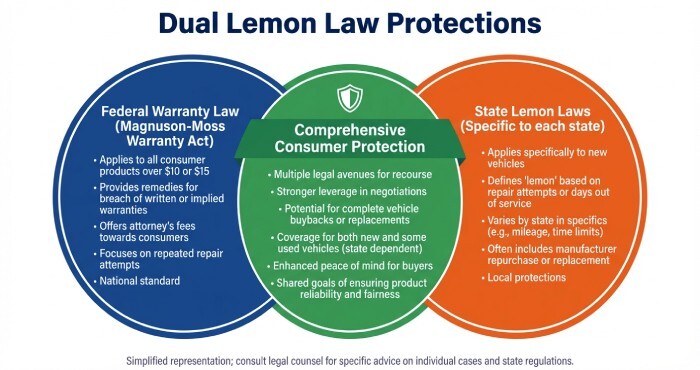
The Magnuson–Moss Warranty Act serves as a key pillar for contemporary warranty-related conflicts. Introduced to enhance clarity and fairness in consumer warranties, this federal legislation delineates essential obligations for manufacturers that provide written warranties on items, such as cars.
According to this law, manufacturers are required to transparently present warranty conditions and adhere to their repair commitments throughout the warranty duration. Should issues remain unresolved despite warranty repairs, consumers have the right to initiate a federal lawsuit for breach of warranty.
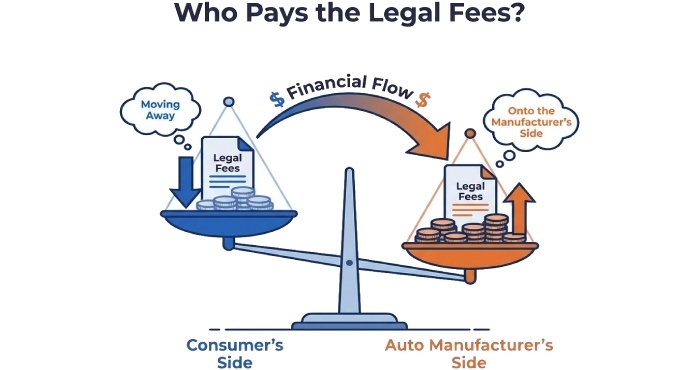
An important feature of this legislation is its provision for shifting fees. When consumers win their cases, a Lemon Law attorney is entitled to collect reasonable legal fees and court expenses from the manufacturer. This enables vehicle owners to file claims without facing substantial legal costs. As a result, it facilitates consumers in securing effective legal assistance and striving for justice in lemon law cases.
How Federal Law Works With State Lemon Laws
Federal warranty law does not take the place of state lemon laws; rather, they work in conjunction with each other. Numerous states have implemented laws specifically targeting defective vehicles, offering clear solutions for consumers.
A notable illustration is the Song-Beverly Consumer Warranty Act, commonly referred to as the California Lemon Law. This legislation mandates that manufacturers either replace or buy back vehicles if they are unable to be fixed after a reasonable number of attempts.
Courts have consistently determined that federal warranty law enhances, rather than replaces, the protections offered by state lemon laws. As a result, consumers frequently file claims under both legal systems at the same time. This strategy of merging federal and state claims can bolster a consumer’s legal stance and expand the remedies available in court.
Arbitration and Warranty Dispute Procedures
Manufacturers occasionally choose to settle conflicts via arbitration programs instead of going through conventional court processes. Although arbitration can lead to quicker outcomes, courts pay careful attention to whether these methods adhere to federal warranty regulations.
According to federal law, manufacturers are required to clearly communicate the details of their dispute-resolution programs and make certain that they are equitable and accessible for consumers. Courts often assess if arbitration methods uphold consumer rights and ensure unbiased decision-making.
If these arbitration systems do not meet legal standards, courts may permit consumers to skip the arbitration process and directly file their claims in the justice system.
Defining a “Lemon” in Appellate Court Decisions
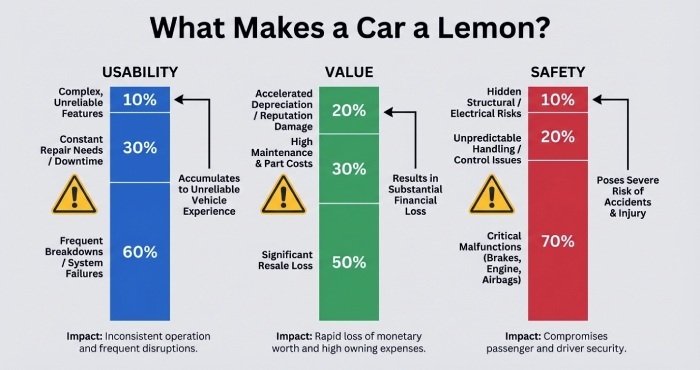
In many cases handled by a lemon law attorney, courts determine a vehicle is a lemon when its defect substantially affects the car’s usability, value, or safety.
Significant Compromise of Usability, Value, or Safety
Appellate rulings highlight that not all defects are sufficient to qualify. Minor aesthetic issues or infrequent minor problems usually fall short of the required legal standard. Courts look into whether the defect notably disrupts normal operation or diminishes the vehicle’s dependability.
Instances of defects that may be considered substantial include:
- Frequent engine stalls
- Failures in the brake or steering systems
- Issues with the electrical system
- Ongoing battery or charging trouble
- Malfunctions in driver-assistance systems
Even sporadic problems may be deemed significant if they pose safety hazards or detract from the vehicle’s reliability.
What Counts as a Reasonable Number of Repair Attempts
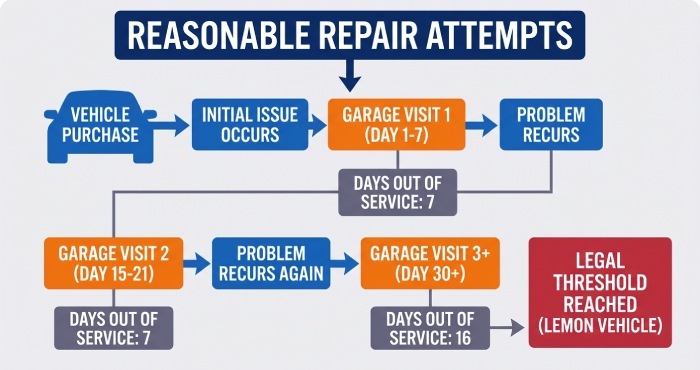
A crucial aspect of lemon law cases is whether the manufacturer was given a fair chance to fix the problem. Courts assess this criterion individually for each case, yet typical benchmarks include:
- Several attempts to fix the same issue
- A reduced number of attempts when the defect poses significant safety concerns
- An extended duration during which the vehicle is inoperable
Additionally, judges review whether the manufacturer acted swiftly and offered adequate repair assistance via authorized service centers.
Evidence Courts Consider in Lemon Law Cases
Effective lemon law claims usually hinge on comprehensive documentation. Courts frequently highlight the necessity of well-organized records that showcase the timeline of defects and repair efforts. Key forms of evidence can encompass:
- Service invoices and repair orders
- Warranty papers
- Correspondence with dealerships, such as emails or letters
- Inspections by independent mechanics
- Documentation of technical service bulletins or recalls
Consumers who keep detailed records tend to bolster their legal standing, facilitating the court’s assessment of repair timelines.
Attorney’s Fees and Civil Penalties
Fee-shifting clauses have emerged as a significant asset in lemon law litigation. When consumers win warranty disputes, courts frequently mandate that manufacturers cover the legal fees of Lemon Law Lawyers. This allows vehicle owners to seek justice from large manufacturers without the burden of legal costs.
In instances of intentional wrongdoing, courts may levy civil penalties on manufacturers. This is applicable when companies are found to willfully breach warranty commitments or purposely postpone buybacks or replacements.
Typically, the burden of proof lies with the consumer, who must establish that the defect arose within the warranty period and that the manufacturer had a fair chance to fix it.
The Continuing Evolution of Lemon Law Consumer Protection
Key legal precedents in lemon laws have significantly enhanced consumer safeguards within the automotive industry. By providing clear guidelines on warranty responsibilities, identifying major defects, and broadening available solutions, the judiciary has established a framework that empowers consumers to contest faulty vehicles more efficiently.
The synergy between federal warranty regulations and state lemon laws now offers a thorough approach for addressing conflicts. As cars evolve with increasing technology, it is expected that courts will further develop these legal standards.
At its core, the main goal of lemon law is unchanged: it aims to guarantee that consumers obtain dependable vehicles and appropriate solutions when manufacturers do not fulfill their warranty commitments. An experienced Lemon Law Lawyer in San Diego can assist vehicle owners in asserting these rights and seeking either compensation or a replacement when ongoing issues are not addressed.