
Most consumers assume a Lemon Law case ends with a simple buyback and a check based on the car’s value minus a mileage offset. However, many cases reveal that settlements can be far more creative—and significantly more valuable—than a standard repurchase. When defects persist, repair attempts pile up, and the manufacturer fails to respond adequately, working with an experienced Lemon Law Lawyer in San Diego can help secure outcomes that go well beyond the expected.
Defining “Wild”: What Separates Routine Buybacks from Extraordinary Outcomes
The baseline: what a standard buyback entails
- A routine lemon law settlement often centers on the buyback option: the vehicle manufacturer repurchases the defective vehicle and pays manufacturer compensation that approximates the market value of the car, minus depreciation and any statutory mileage offset.
- The settlement amount typically includes tax, title, and registration, plus attorney fees where lemon law regulations allow fee-shifting. The compensation amount may also reflect the inconvenience to consumers and documented out-of-pocket costs.
- Eligibility criteria usually hinge on a qualifying vehicle defect under state-specific requirements, a sufficient number of repair attempts, and a proper timeframe for reporting defects under the warranty.
The markers of a “wild” outcome
- Extraordinary results go beyond the check. A “wild” lemon law settlement might include a negotiated payout plus creative benefits such as premium loaners, extended warranties, technology upgrades, or even policy changes at the dealership level.
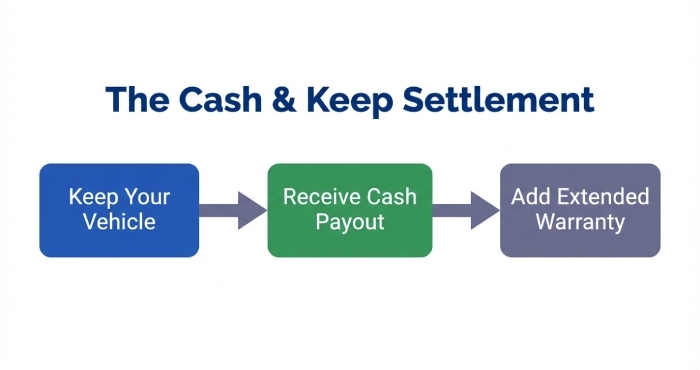
- In some cases, consumers secure a cash and keep settlement that compensates for chronic issues while letting them keep the personal vehicle or family vehicle they otherwise like. The settlement amount may exceed a conventional formula because of the severity of the defect, repair history, and vehicle’s use and history.
- Wild outcomes often follow meticulous documentation, a strategically framed lemon law claim, and a persistent lemon law attorney who leverages claim eligibility, dealer response patterns, and gaps in the manufacturer response.
Upgrades, Perks, and One-Off Fixes: The Most Creative Remedies on Record
Innovations in upgrades, benefits, and unique resolutions have led to some of the most inventive lemon law solutions documented, particularly highlighted by several notable instances in Glendale where consumers obtained customized remedies that went beyond the usual buyback options.
Perks that go beyond payment
- Transportation credits: Some settlements have included months of Uber or Lyft ride credits to offset the inconvenience to consumers during ongoing diagnostics, particularly valuable when a defective vehicle intermittently fails.
- Premium loaners and concierge service: Certain consumers received guaranteed luxury loaners and on-demand pickup/drop-off, treating the negotiated payout as part cash, part premium service.
- Extended coverage: An enhanced warranty or prepaid maintenance plan can be layered onto a cash and keep settlement, especially when minor defects remain after repairs.
Engineering the exception: one-off technical fixes
- In rare instances, a vehicle manufacturer has agreed to a bespoke fix not yet released to the public such as a custom software calibration for safety defects or a redesigned component to address major defects in an otherwise lemon car. These remedies may follow multiple unsuccessful repair attempts and a clear paper trail of the severity of the defect.
Protecting future value
- Some settlements have included resale value guarantees if the chronic issues recur, or a right to future buyback at a pre-set settlement amount if the vehicle defect reappears within a defined timeframe.
When perks fit the facts
- Wild remedies typically align with the vehicle’s use and history. For example, a rideshare driver who uses Uber or Lyft might justify transportation credits, while a family vehicle plagued by intermittent stalling might warrant a longer loaner window and priority diagnostics.
How to Aim Higher: Strategies to Negotiate Beyond a Basic Buyback

Prepare your leverage before you file
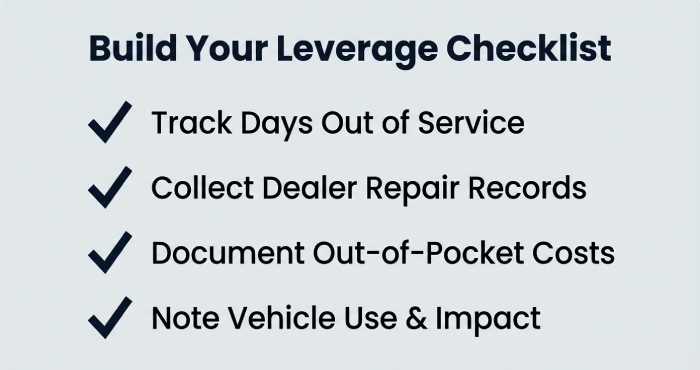
- Nail the eligibility criteria: Track the timeframe for reporting defects, number of repair attempts, and days out of service. Collect records from each dealership visit and any dealer response in writing.
- Capture context: Note vehicle’s use and history, including whether it’s a family vehicle, rideshare, or business asset, and the defective car’s age at each visit. Highlight safety defects and major defects distinctly from minor defects.
Use valuation and risk to expand the pie
- Quantify the package: Start with the market value of the car, then layer in depreciation disputes, mileage offset critiques, and the inconvenience to consumers. Show why standard formulas undercompensate unique harms, including diminished resale value from a notorious vehicle defect.
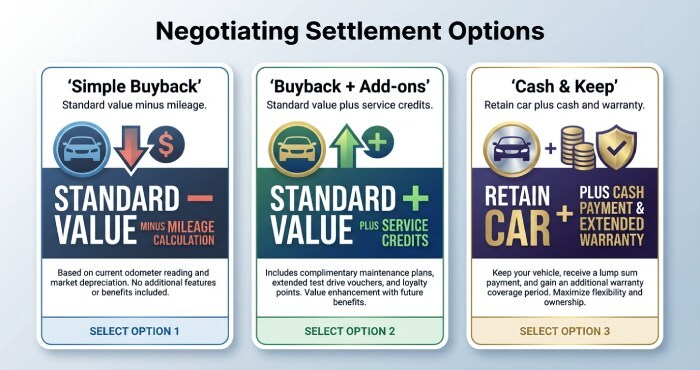
- Propose options: Present a menu—buyback option with addons, or a cash and keep settlement with an enhanced warranty, service credits, and a stipulated future buyback trigger. Tie each term to documented risk, cost to the vehicle manufacturer, and business impact on the dealership.
- Anchor to business incentives: Emphasize how a swift lemon law settlement avoids disruptive litigation, adverse precedent, and public complaints—making higher manufacturer compensation rational. Back up with your repair history and any patterns in manufacturer response across service centers.
Choose representation that can execute
- A seasoned lemon law attorney coordinates expert inspections, frames the legal theory, and presses pressure points during the settlement process. If you’re comparing counsel, many offer a free case evaluation and explain fee-shifting for attorney fees where the Lemon Law applies.
- Consumers frequently seek the expertise of top lemon law attorneys for advice and representation. If you favor local legal support, these approved professionals can navigate state-specific laws and regulations, providing important insights into California’s distinctive legal intricacies.
Push for creative remedies in writing
- Ask for perks tailored to your situation: transportation credits if your personal vehicle is unreliable, guaranteed premium loaners, concierge service, or a resale value floor. Connect each ask to concrete harms documented in your lemon law claim.
Weigh the pros and cons of each path
- Settlement in cash: Grants quick access to funds and flexibility, though it carries ongoing risks.
- Repurchase clause: Ensures a straightforward and predictable exit but may lead to disagreements regarding deductions and timing.
- Agreed-upon payout: Most effective when it transparently addresses future concerns and specifies responsibilities.
Quick checklist to aim beyond the basics
- Confirm claim eligibility and eligibility criteria under your state’s Lemon Law.
- Document every visit, part, and dealer response; preserve the entire repair history.
- Quantify losses: inconvenience to consumer, out-of-pocket costs, and impact on resale value.
- Frame multiple proposals: buyback option with enhancements or a cash and keep settlement with an elevated settlement amount and extended warranty.
- Leverage legal help early via a free case evaluation to calibrate your settlement amount and strategy.