
Acquiring a boat symbolizes a commitment to freedom, exploration, and tranquility on the water, but that vision can quickly diminish due to ongoing mechanical problems or repairs. For numerous boat owners, these “nautical nuisances” transform their enthusiasm into annoyance. Lemon Law serves as a protective measure, ensuring manufacturers are responsible while providing solutions such as repairs, replacements, or refunds.
Why Lemon Law Applies Afloat
The boat lemon law is designed to safeguard consumers when a recreational boat proves to be faulty and cannot be fixed in a timely manner. The specifics of this coverage differ by location; some regulations apply directly to boats, while others depend on federal laws like the Magnuson–Moss Warranty Act and the Uniform Commercial Code. Typically, new boats come with manufacturer warranties, but used boats might also be protected if they have a valid warranty in effect.
A defect is deemed significant if it considerably impacts the boat’s functionality, value, or safety, such as problems with the engine, steering, or structural integrity. Generally, manufacturers are held accountable under warranty terms, although dealers may also be responsible for their own warranties or any misleading claims they make.
What Makes a Boat a Lemon
Common Defects
The most frequent mechanical defects and structural defects that trigger boat lemon law claims include:
- Engine and drivetrain: Overheating, oiling failures, gearcase issues, and recurrent power loss or stalling under load.
- Hull and structure: Osmotic blistering, delamination, bulkhead separations, stringer failures, and transom rot that affect seaworthiness and can become a faulty sea vessel hazard.
- Electrical and electronics: Charging-system failures, battery-drain mysteries, corroded harnesses, CAN-bus glitches, and navigation electronics that repeatedly fail.
- Steering and controls: Hydraulic leaks, autopilot malfunctions, helm play, and throttle/shift controls that bind or lag.
Repair Thresholds and Warranty Rules
Lemon law criteria vary from state to state, but generally, a claim can be made after three to four unsuccessful repair attempts for the same issue or if the vehicle is out of service for over 30 days within the initial 12 to 24 months. The extent of coverage is determined by the warranty details, which usually do not cover issues related to wear and tear, improper use, or lack of maintenance.
Additional complications can arise from modifications made after purchase or from “as is” sales conditions. Nonetheless, the Magnuson Moss Warranty Act limits misleading warranty restrictions, enabling consumers to pursue repairs, replacements, refunds, or damages if manufacturers do not fulfill their warranty commitments.
Enforcing Your Rights Afloat
Claims Process, Laws, and Owner Playbook
How the Claim Works
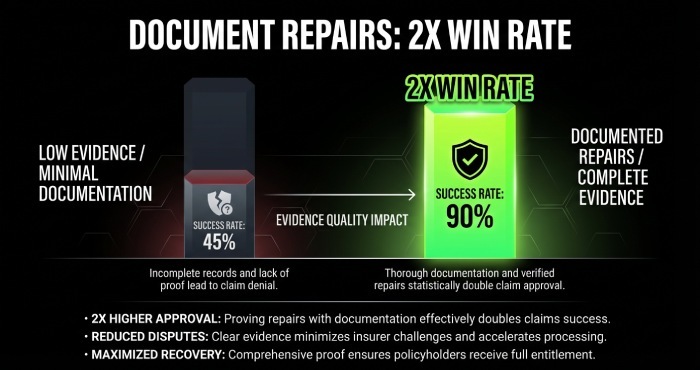
- Record everything: Maintain thorough documentation, including photographs, videos, and all repair papers, such as independent surveyor assessments.
- Notify quickly: Write to the dealer and manufacturer to protect your warranty and legal entitlements promptly.
- Window for repairs: Provide ample time for repairs, but escalate the issue if it remains unresolved after a reasonable period.
- Arbitration or litigation: Consider arbitration if necessary, but retain the option to pursue court action if it proves unsatisfactory or unjust.
- Potential outcomes: You might be eligible for a refund, a replacement, or reimbursement for associated losses and costs.
If you need guidance, consider consulting a seasoned lemon law attorney early in the process; experienced lemon law lawyers can help structure notices, protect deadlines, and position your claim for the strongest outcome.
Laws That Back You Up
Boat owners dealing with ongoing defects can rely on various legal protections. Certain state lemon laws specifically include boats, whereas others do not, so it’s crucial to examine state regulations and consult resources like FindLaw. On the federal side, the Magnuson-Moss Warranty Act enables consumers to make claims when warranties are violated, frequently serving as a key legal recourse. The Uniform Commercial Code also addresses warranty breaches, offering remedies such as damages or the option to withdraw acceptance. If there are safety concerns, they can be reported to the United States Coast Guard, which may initiate recalls and bolster claims.
Owner Playbook
A successful guide for boat ownership begins with thorough research before purchase. This includes obtaining a survey, checking for recalls through the U.S. Coast Guard, and confirming warranty details in writing. Once a defect arises, take immediate action by documenting the issues and informing the dealer. After each repair attempt, evaluate the results and keep records. If repairs exceed acceptable limits, escalate the matter formally by referencing the Magnuson-Moss Warranty Act and applicable state laws. If necessary, engage in mediation or legal action, bolstered by clear evidence such as service logs, photographs, and survey documentation.
Focus negotiations on your legal rights, calculated losses, and feasible solutions like replacement or repurchase. Having expert surveyors and knowledgeable attorneys from organizations like the Maritime Law Association of the United States can enhance your position. Be mindful of common errors, such as missing deadlines or agreeing to vague repair agreements. Acting swiftly can alleviate ongoing financial stress and help ensure you receive just compensation if the defective boat cannot be repaired.
Lemon Law Boat Accountability Statistics
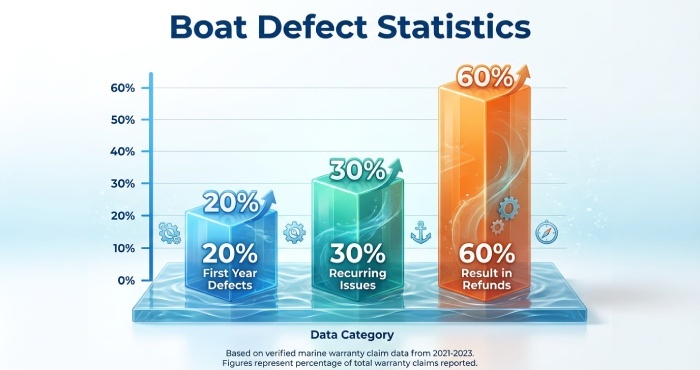
Statistics regarding accountability under lemon laws for boats indicate that a notable portion of boat defects persists even after several repair efforts. This underscores the vital importance of consumer protection laws in ensuring manufacturers are held liable.
 buyback-car-value-2029.jpg” alt=”claim process” width=”700″ height=”370″ />
| Statistic | Insight |
| Nearly 1 in 5 boat owners report significant defects within the first year | Highlights how common early manufacturing issues can be |
| About 30% of marine warranty claims involve recurring problems | Shows repeated failures that may qualify under lemon law criteria |
| Boats may spend an average of 25–40 days in repair during major defect cases | Indicates “days out of service,” a key lemon law trigger |
| Over 60% of successful lemon law claims result in refunds or replacements | Demonstrates strong consumer protection outcomes |
| Consumers who document repairs properly are 2x more likely to win claims | Emphasizes importance of record-keeping for accountability |
The Lemon Law plays an essential role in protecting boat owners, holding manufacturers responsible when significant defects transform an exciting acquisition into a frustrating experience. By being aware of your rights, keeping thorough records of any problems, and operating within the legal system, you can seek appropriate solutions like repairs, replacements, or refunds. If issues continue to arise, consulting with a skilled lemon law attorney in San Diego can offer the necessary knowledge to handle intricate claims and achieve a satisfactory resolution, ultimately safeguarding both your investment and your peace of mind.