
Today’s cars are designed to function consistently in various environments, but many drivers face an aggravating and puzzling dilemma: issues that surface only in severe weather. Whether it’s a vehicle that won’t start in frigid temperatures, overheats during hot spells, or experiences weird electrical malfunctions in heavy rain, these weather-related problems can be challenging to identify and even tougher to substantiate.
If your car operates smoothly under typical conditions but begins to malfunction during severe weather, you’re in good company. Dramatic temperature changes — whether scorching heat or bitter cold — can interfere with essential components, such as the battery, fuel system, and sensors, leading to sporadic issues that are difficult to identify.
Recognizing these weather-related challenges can help you avoid unnecessary expenses, time, and stress. Additionally, if ongoing problems suggest a more significant manufacturing defect, reaching out to a California Lemon Law attorney in San Diego can help you understand your legal rights and safeguard your investment.
Why Weather Affects Your Car
Extreme weather conditions can have a profound effect on the operation of your vehicle’s systems. Cars consist of thousands of parts — mechanical, electrical, and electronic — and many are sensitive to changes in temperature, moisture, and pressure.
In high temperatures, materials expand, fluids become less viscous, and cooling systems face increased demands. Conversely, in chilly conditions, materials contract, fluids become more viscous, and battery performance drops. Adding moisture, humidity, or snow introduces additional challenges like corrosion, decreased traction, and disruptions to electrical systems.
If any component is already worn down, nearing failure, or poorly designed, harsh weather can exacerbate these issues, leading to sporadic malfunctions.
Common Weather-Related Car Problems
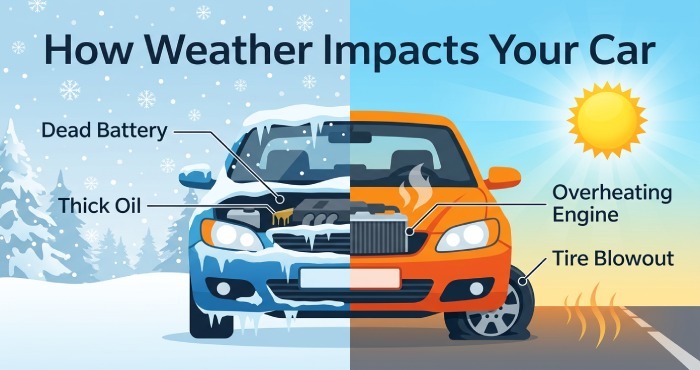
1. Starting Problems in Cold Weather
A frequent issue during the winter months is vehicles struggling — or outright failing — to start. This often stems from the battery losing its charge in frigid temperatures. Cold weather slows down the chemical reactions in the battery, diminishing its ability to produce enough power. Additionally, engine oil thickens, making it difficult for the engine to crank.
If the starter motor or ignition system is already weak, the extra demand may lead to a complete failure to start. Fuel systems can also be impacted, as extremely low temperatures can cause fuel lines to freeze, particularly if moisture is present.
2. Overheating in Hot Conditions
During summer heatwaves, the cooling system of your car is put to the test. Any weakness — such as a deteriorating radiator, insufficient coolant, or a faulty thermostat — can result in overheating. High temperatures can place extra stress on belts and hoses, leading to cracks or failures. Sometimes, an engine may operate normally in moderate conditions but overheat as temperatures soar. Additionally, air conditioning systems can become problematic; a struggling compressor or low refrigerant levels may only become evident when you need the AC most.
3. Electrical Problems in Wet Weather
Moisture poses a significant threat to automotive electrical systems. If your car experiences issues like flickering lights, malfunctioning sensors, or dashboard alerts during rainy or humid weather, it may be due to water intrusion. Damaged seals, frayed wiring, or corroded connectors can let moisture disrupt electrical circuits. These problems may stay hidden during dry conditions, complicating diagnosis.
4. Tire and Traction Challenges
Extreme temperatures can significantly impact tire performance. Cold weather leads to decreased tire pressure and stiffer rubber, resulting in less traction. Conversely, hot weather can raise tire pressure and accelerate wear, potentially causing blowouts if the tires are already in poor condition. If your car feels wobbly or responds differently as seasons change, the tires could be the issue.
5. Sensor and Computer Issues
Today’s vehicles depend extensively on sensors and onboard computers. Extreme weather conditions can disrupt sensor functionality or lead to temporary failures. For instance, parking sensors might not work correctly in heavy rain or snow, while engine sensors may produce inaccurate readings in extreme temperatures. These issues can activate warning lights or cause erratic performance, even in the absence of lasting damage.
The weather can significantly influence your vehicle’s performance in unexpected ways. Cold temperatures can diminish battery efficiency, thicken engine oil, and even freeze fuel systems, making it hard to start your car. Conversely, excessive heat may cause your engine to overheat, particularly if there are pre-existing issues with components like the radiator, coolant levels, or thermostat. Additionally, temperature fluctuations can affect tire performance and traction, which can compromise handling and safety without any clear indications.
Rain and humidity present unique challenges, especially regarding electrical systems and sensors. Moisture can interfere with wiring, trigger warning lights, or disrupt onboard computers, resulting in performance inconsistencies. If your car exhibits these issues only during specific weather conditions, it could indicate an underlying defect. In such cases, reaching out to a Lemon Law attorney can clarify whether your vehicle is eligible for protection or compensation under consumer regulations.
Why These Problems Are Hard to Diagnose
Intermittent problems are often harder to tackle than ongoing ones. When an issue occurs only in certain situations, it’s possible it won’t be detected during a routine check at an auto shop.
A mechanic might evaluate your vehicle in perfect conditions, where all systems seem to work correctly. But if they’re unable to simulate certain environments — like severe cold, high temperatures, or heavy downpours — they could miss the underlying issue.
This can lead to multiple trips to the garage, unwarranted repairs, and rising frustration. If the problem continues after several attempts at fixing it, it might be prudent to look into a lemon law claim, as persistent unresolved issues may mean your car is eligible for legal recourse and compensation.
What You Should Do If You Notice Weather-Dependent Issues
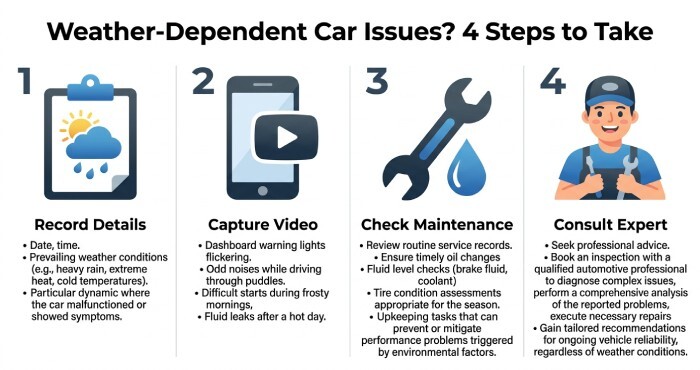
Record Everything Thoroughly
Maintain a comprehensive log of when issues arise. Document details such as temperature, weather conditions, the time of day, and any initial symptoms. This data can prove crucial for a technician attempting to troubleshoot the problem.
For instance:
- Is the problem more frequent at lower temperatures?
- Does it manifest after the vehicle has been parked overnight?
- Does it resolve once the engine has reached operating temperature?
The more precise your notes, the more helpful they will be.
Capture Visual Evidence
Whenever feasible, film the problem as it occurs. This is especially beneficial for sporadic issues that might not surface during a repair visit. A video that demonstrates a failed ignition attempt or dashboard alerts can serve as important evidence.
Review Basic Maintenance
At times, severe weather can highlight pre-existing maintenance issues. Verify that your vehicle is current on:
- Battery evaluations
- Fluid levels (oil, coolant, brake fluid)
- Tire pressure and overall condition
- Condition of belts and hoses
Routine maintenance can significantly mitigate or resolve problems related to extreme weather conditions.
Consult a Trusted Mechanic
Communicate the specific circumstances surrounding the issue and share your recorded observations. A seasoned technician might recognize patterns and conduct tests more efficiently. In certain situations, they may suggest keeping the vehicle overnight or assessing it under specific weather conditions.
Could It Be a Warranty or “Lemon” Issue?
If your vehicle is fairly new and consistently encounters the same problem in extreme weather, it might indicate a manufacturing flaw. A problem doesn’t need to happen all the time to be considered severe. If it greatly influences the car’s functionality, dependability, or safety, it might be eligible for warranty repairs or even consumer protection under local laws.
Typically, the important factors include:
- Multiple repair attempts
- Thorough records of the issue
- Proof that the issue affects normal operation
For instance, a car that fails to start in cold conditions or overheats in regular summer heat could be deemed unreliable, even if it otherwise performs well.
Preventing Weather-Related Problems
While you can’t control the weather, you can take steps to minimize its impact on your vehicle.
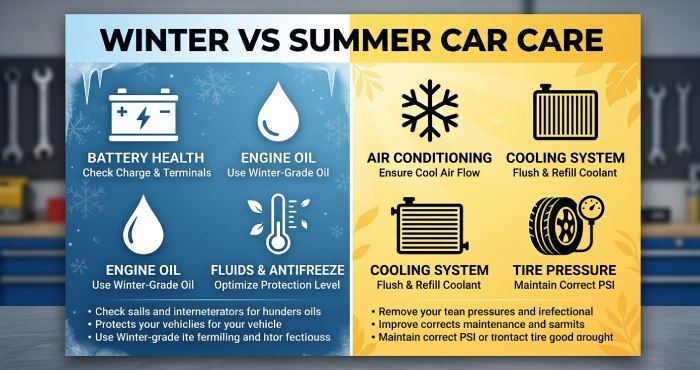
Prepare for Seasonal Changes
Before winter:
- Test your battery
- Switch to winter-grade oil if recommended
- Check antifreeze levels
Before summer:
- Inspect the cooling system
- Ensure the AC is functioning properly
- Check tire condition and pressure
Park Smart
Whenever possible, park in a garage or shaded area. This can protect your car from temperature extremes and reduce wear on components.
Use Quality Parts and Fluids
High-quality engine oil, coolant, and replacement parts are designed to perform better under extreme conditions. Cutting corners on maintenance can increase the likelihood of weather-related failures.
When to Take It Seriously
While not all weather-related problems are critical, some deserve your attention. If you notice any of the following, it’s important to address them right away:
- Overheating on a regular basis
- Persistent starting issues
- Warning lights that activate under specific circumstances
- Diminished braking or steering capabilities
These signs could signal safety hazards that need immediate intervention.
Final Thoughts
A vehicle issue that arises solely in harsh weather conditions can seem puzzling, yet there is always a root cause at play. Factors like temperature, humidity, and environmental strain can expose vulnerabilities in your car that might not be apparent during milder conditions.
The crucial aspect is to remain alert, keep an eye on ongoing problems, and tackle them promptly. By adopting a proactive strategy — and seeking advice from experienced Lemon Law Lawyers when necessary — it’s possible to identify and successfully resolve even the most challenging vehicle issues related to weather.
Your automobile should function reliably in all types of weather, not just when conditions are ideal.