
A warranty repair involves addressing a vehicle’s defect at no expense to the owner, as long as it falls within the manufacturer’s warranty timeframe. In contrast, a lemon law violation takes place when the manufacturer does not successfully resolve a significant defect after a reasonable number of repair attempts or prolonged downtime, which can entitle the owner to options such as a refund or a replacement vehicle.
While warranty claims are primarily about making repairs, lemon laws offer legal protections when those repair attempts are unsuccessful. Although the specifics of state lemon laws can differ, they typically enable consumers to pursue stronger remedies if a critical defect remains unresolved during the warranty period.
What a Warranty Repair Covers (and What It Doesn’t)
A warranty claim is designed to resolve a qualifying vehicle defect without charge to the owner. Typically, an authorized dealership performs the diagnosis and defect repair under the terms of the manufacturer’s warranty. Most new cars, and many used vehicles and certified pre-owned vehicles, come with a written warranty booklet detailing coverage.

What it covers:
- Defects in materials or workmanship that arise and are reported during the warranty coverage period
- Mechanical failure attributable to manufacturing issues (for example, certain engine issues, brake defects, or electrical failures)
- Labor and parts for defect repair at an authorized dealership, often with towing and rental reimbursements where stated
What it doesn’t cover:
- Wear-and-tear items, damage from accidents or misuse, and maintenance items unless explicitly included
- Modifications or aftermarket parts that cause or contribute to a failure
- Problems reported outside the warranty coverage period
You should expect dealership level resolution for most concerns: the authorized dealership evaluates the complaint, opens a warranty claim with the manufacturer, and performs the repair at no cost if the condition is covered. If a part must be ordered or the issue requires multiple visits, that still falls within normal warranty administration and does not automatically indicate lemon law eligibility.
How warranty coverage works
- Process: You submit a warranty claim by presenting the vehicle to an authorized dealership during the warranty coverage period and describing the vehicle defect. The dealer documents each repair attempt and interfaces with the manufacturer.
- Proof: Keep copies of repair orders and receipts. Thorough documentation of each repair attempt, days out of service, and the dealership’s diagnostic notes is critical if the concern later escalates.
- Limits: The manufacturer obligation under the manufacturer’s warranty is to attempt defect repair as specified. Remedies like a replacement vehicle or refund are not part of routine warranty benefits; they are lemon law remedies when statutory criteria are met.
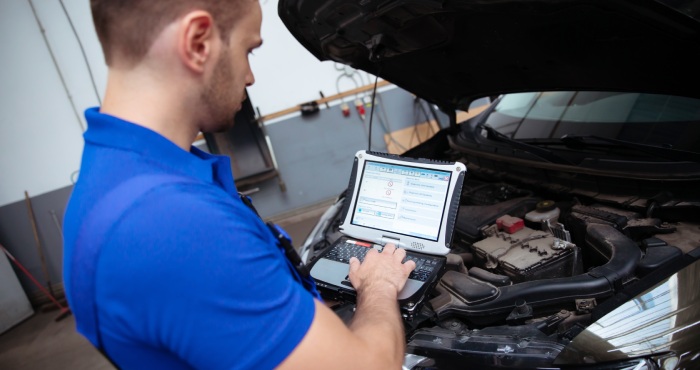
Repair at no cost, the manufacturer’s repair promise, and your receipts
During the warranty coverage period, the manufacturer’s repair promise is to perform defect repair at no cost through an authorized dealership. Your job is to present the vehicle promptly, describe symptoms accurately, and save every repair order. These records showing each repair attempt and any time out of service often determine whether a later lemon law complaint succeeds.
When Repairs Cross the Line: Legal Criteria for a Lemon Law Violation
Repairs cross from routine warranty administration into lemon law territory when a substantial defect persists or recurs despite a reasonable number of repair attempts, or when the vehicle is out of service for an unreasonable number of days for warranty repair. While exact thresholds differ under each state lemon law, common triggers include:
- A serious repeat issue affecting safety or drivability (e.g., brake defects, steering failures, electrical failures leading to stalling)
- A pattern of failed repairs on the same vehicle defect
- Excessive time out of service for covered repairs within the warranty coverage period
An attorney specializing in Lemon Law can assess whether your car meets the criteria, which may include new vehicles or, in some jurisdictions, used or certified pre-owned cars that remain covered by the manufacturer’s warranty. For instance, California’s Lemon Law sets specific expectations related to the frequency of unsuccessful repairs or the duration the car has been non-operational during the initial 18 months or 18,000 miles.
After confirming eligibility, Lemon law lawyers can assist you in pursuing accountability from the manufacturer, often transitioning the responsibility from repairing the car to providing a refund or a similar replacement.

Practical markers you may be approaching a lemon law violation:
- Repeated warranty claim entries for the same VIN with identical symptoms
- Multiple failed repair attempts documented by the authorized dealership without lasting fix
- Ongoing safety or drivability issues despite prompt presentation within the warranty coverage period
As consumer educator Juan Herrera frequently notes, “Frequency and severity matter.” A single mechanical failure corrected on the first visit is not a lemon. Recurring failures that deprive you of use or create safety risk may be.
Real-World Scenarios and What to Do Next: Distinguishing Patterns, Documentation, and Filing
Distinguishing routine mechanical failures from “lemon” patterns
- Standard repairs: Problems resolved during the initial visit generally qualify as standard warranty claims, rather than cases under lemon law.
- Signs of a lemon: If the same defect fails multiple times and is documented after several repair attempts, it may suggest the vehicle is a lemon.
- Duration and availability: Extended downtime caused by parts shortages during the warranty period can be factored into lemon law thresholds, varying by state regulations.
What to do next—documentation and escalation
- Maintain detailed records: Preserve all repair orders, making sure to note dates, mileage, and the issues encountered, and verify warranty coverage limitations.
- Consistently follow up: Return the vehicle to the dealership without delay for any recurring problems to ensure repair efforts are documented.
- Alert the manufacturer: Reach out to the manufacturer’s Dispute Resolution team if significant issues persist.
- Understand your legal framework: Familiarize yourself with your state’s lemon law regulations, including deadlines and necessary documentation for claims.
- Seek counsel: Before filing a lemon law complaint, consult an experienced Lemon Law attorney to assess lemon law eligibility, damages, and strategy.

Escalation and dispute resolution pathways
Numerous car manufacturers utilize complimentary services such as BBB AUTO LINE to address vehicle conflicts by means of repairs, replacements, refunds, or financial compensation, avoiding court proceedings.
The network of self-regulatory organizations within BBB National Programs emphasizes its impartial function in safeguarding consumers and fostering equitable practices within the industry. Within AUTO LINE, the process typically involves:
- Filing: Submit a detailed lemon law complaint or warranty claim narrative, upload repair orders, and identify each failed repair attempt and days out of service.
- Mediation/arbitration: A mediator may facilitate settlement; if not resolved, vehicle arbitration proceeds to a neutral decision-maker.
- Outcome: Decisions can recommend defect repair, manufacturer obligation to repurchase (refund), or provide a comparable replacement vehicle when statutory criteria are met.
Always verify whether arbitration is mandatory, optional, or binding under your state lemon law and your manufacturer’s program terms.
Remedies, Risks, and Misconceptions: Refunds, Replacements, and What to Expect

If a lemon law violation is established, statutory remedies generally include:
- Refund: A complete reimbursement that includes the purchase price, taxes, and fees (deducting any permissible mileage), rather than just a standard goodwill gesture.
- Replacement vehicle: A new vehicle that matches the original in trim, features, and warranty conditions as verified.
- Cash compensation: Car compensation is a cash payment offered to offset diminished value or inconvenience when the owner keeps the vehicle.
Key expectations and risks
- Manufacturer Responsibilities: Once the legal criteria are fulfilled, the manufacturer is obligated to provide either a refund or a replacement. However, a final inspection may still be necessary.
- Factors in Negotiation: The results can vary based on state regulations, the severity of the defect, the vehicle’s repair history, and how long it has been out of service.
- Aspects of Arbitration: Opting for arbitration might lead to a quicker and more cost-effective solution, but the outcomes could be legally binding and might restrict further legal action.
- Common Misunderstandings: Lemon laws do not require an excessive number of failed repairs, mandate approval from the manufacturer rather than the dealer, and exclude problems that are resolved on the initial visit.
- Vehicle Eligibility: The options and remedies available differ for new, used, and certified pre-owned vehicles, and they must be within the warranty timeframe to qualify.
What a successful outcome looks like
 buyback-value-4578.jpg” alt=”successful outcome” width=”700″ height=”370″ />
- For a refund: You return the vehicle, receive funds per statute, and the matter closes, often with the manufacturer’s warranty obligations ending on that VIN.
- For a replacement vehicle: You receive a comparable unit, typically with a fresh manufacturer’s warranty. Ensure written confirmation of any options and coverage.
- For cash compensation: You accept a negotiated amount while keeping the vehicle; the manufacturer may require a release that ends the dispute.
Whether you pursue mediation, arbitration through BBB AUTO LINE, or litigation, your strongest asset is a clear record: every warranty claim, each repair attempt at an authorized dealership, and every day your vehicle has been out of service. With precise documentation and the guidance of a skilled California Lemon Law attorney in San Diego, you can turn repeated repair attempts into the remedy the state’s lemon law guarantees whether that’s a refund, a replacement vehicle, or fair cash compensation.