
A lot of car owners have misconceptions about lemon laws, which can hinder them from exercising their rights when they face ongoing issues with their vehicles. By clarifying the prevalent myths surrounding lemon laws, consumers can better identify when they might have a legitimate case and pursue the appropriate legal solutions.
Why these lemon law myths persist—and what they cost consumers
Misunderstandings surrounding Lemon Law can result in car buyers wasting time, money, and essential legal protections. Although these laws differ by state, their primary purpose is to safeguard consumers when a malfunctioning vehicle remains unfixable despite reasonable efforts.
Research from Consumer Reports and initiatives like Let ABC15 Know point out frequent issues related to repairs and warranties. In addition, legal firms like McMillan Law Group work to dispel myths and assist consumers with understanding their eligibility, necessary documentation, and potential resolutions such as buybacks, replacements, or financial compensation.
Myth 1: Lemon laws apply only to brand-new purchases
A common misconception among consumers is that lemon law is applicable solely to new cars. However, it also extends to leased vehicles and, in certain states, can include certified pre-owned or used cars that are still covered by the manufacturer’s warranty or fall within a specified lemon period, based on either time or mileage.

Key points:
- Coverage typically turns on whether the vehicle’s non-conformity arose and was presented for vehicle repairs during the manufacturer’s warranty.
- Certified pre-owned and leased vehicles can be eligible if defects are reported within the applicable warranty period and statutory windows.
- Dealer responsibilities often include disclosing prior repair history and ensuring accurate vehicle inspection and vehicle condition statements at the dealership.
Because eligibility is state-specific, directories of the best lemon law Lawyers and consumer resources can help you confirm if your state’s lemon law protections extend to your situation. Reputable firms, whether national brands or local counsel, can provide legal advice tailored to your facts.
Myth 2: Any defect or inconvenience makes a vehicle a lemon
How states define substantial defect and non-conformity
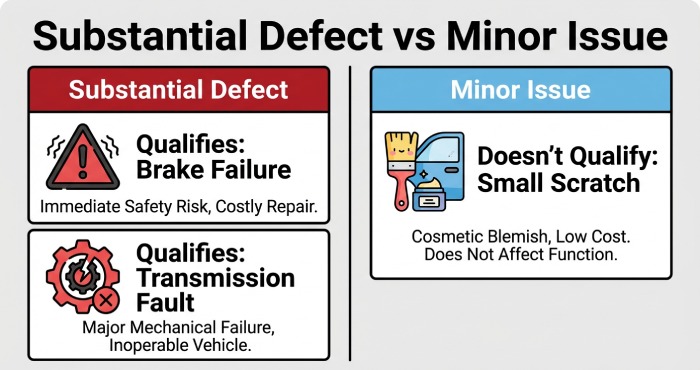
A substantial defect is more than a squeak or minor cosmetic issue. Examples include recurring brake failures, transmission malfunctions, steering problems, or electrical faults that raise safety concerns. A non-conformity typically means the vehicle does not conform to the manufacturer’s warranty—i.e., the automaker promises a level of performance or quality that the vehicle repeatedly fails to meet.
Why documentation matters: repair history and consumer reporting
Judges and arbitrators place significant importance on documentation, so it’s crucial to retain all repair invoices, service records, dealer orders, and tow receipts. Maintaining a detailed record of repairs made during the warranty can help demonstrate recurring problems, which can be further supported by recall information, NHTSA campaign numbers, and your personal inspection notes.
Myth 3: You can wait until the warranty ends or keep driving indefinitely
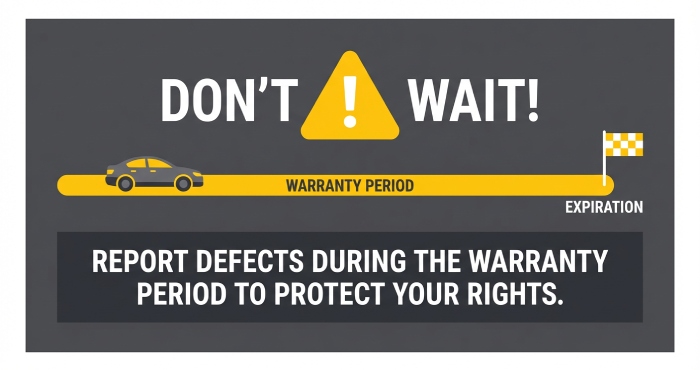
Many people mistakenly believe that they can delay action under lemon laws; however, these laws typically mandate that defects be reported and repair efforts initiated within the warranty period or designated lemon timeframe. Although repairs may carry on after the warranty has lapsed, eligibility usually hinges on when the issue was first noticed and if it was reported in a timely manner. Therefore, it is crucial to document issues promptly and have the vehicle inspected without delay.
Practical tip: Escalate when repair attempts stack up, the vehicle condition remains unsafe, or days out of service accumulate beyond statutory thresholds. Early legal advice from an attorney or lawyer experienced in lemon law can prevent missed deadlines and preserve remedies.
Myth 4: You must go to court and pay out of pocket
A common misconception among vehicle owners is that pursuing lemon law claims involves expensive legal battles. However, several laws contain fee-shifting clauses that obligate manufacturers to cover the attorney fees for consumers who win their cases.
Fee-shifting, arbitration, and manufacturer programs
- Fee-shifting: If you prevail, the automaker typically pays your legal fees; you do not need to front full litigation costs to vindicate your rights.
- Alternatives: State-sponsored arbitration, private mediation, or a manufacturer’s dispute resolution program may deliver remedies faster than trial—though outcomes vary.
- Strategy: Evaluate whether negotiation, arbitration, or filing suit best positions your claim based on repair history, safety risks, and state-specific proof standards for substantial defect and non-conformity.
When in doubt, consult a seasoned Lemon Law attorney to assess notice requirements, eligibility windows, and refund options. If you need local guidance, a Lemon Law attorney San Diego can help you navigate California-specific rules on vehicle reacquisition and mileage offsets.
.
Myth 5: A lemon guarantees a free new car or full refund
Many people erroneously believe that proving a vehicle is a lemon automatically entitles them to a new car or a total refund. However, the options available can differ from state to state, and might include a buyback, a replacement vehicle, or monetary compensation.
How it works in practice:
- Buyback vs. replacement: You may choose between a replacement vehicle or refund options, subject to state law and availability. Replacement usually requires a substantially similar model.
- Refund components: Refunds often include the purchase price, taxes, and certain incidental damages (towing, rental cars), less usage. Some states also consider finance charges.
- Valuation and offsets: Usage deductions may be informed by odometer readings and, in negotiations, by market references such as Kelley Blue Book (Blue Book) values—though statutory formulas control.
Many vehicle owners hesitate to exercise their rights or pursue legitimate claims due to misunderstandings surrounding lemon laws. By clarifying these prevalent myths, consumers can better identify when they are eligible for protection and compensation. Being knowledgeable about warranty details, repair obligations, and legal deadlines empowers vehicle owners to make informed choices and take suitable actions if they encounter problems with a faulty vehicle.