
In the context of a lemon law claim, consumers typically concentrate on the current defects, the hassle of repeated repair attempts, and ongoing problems. On the other hand, seasoned attorneys adopt a more comprehensive strategy. Before initiating a claim, they frequently perform an in-depth analysis of the vehicle’s service history to piece together its complete narrative.
This examination is not limited to simply checking repair bills; it’s a thorough exploration of your car’s background aimed at identifying trends, substantiating claims, and bolstering your legal stance. Grasping the significance of this step can better equip you for the process and ultimately enhance your likelihood of achieving a favorable resolution.
What Is a Service History Audit?
An audit of service history is a thorough examination of all documentation related to your vehicle’s maintenance and repairs. This encompasses visits to dealerships, warranty claims, notes from technicians, and even informal records like personal journals or messages.
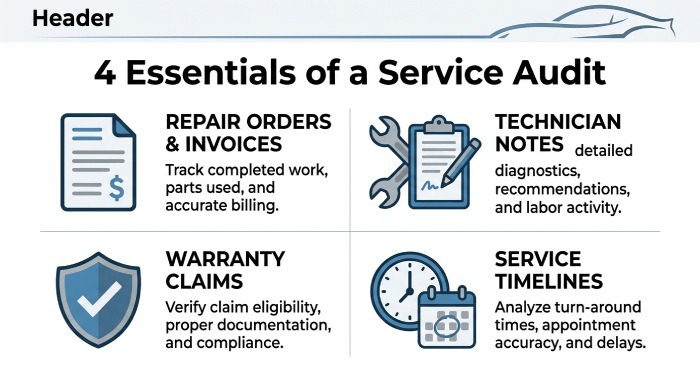
Essential Elements of an Audit
- Repair Orders and Invoices: These records form the foundation of your case. They outline reported issues, attempts at repairs, and whether the problems were fixed.
- Technician Notes: Often ignored, comments from technicians can provide vital information, highlighting recurring issues, unsuccessful repairs, or potential hidden defects.
- Warranty Claims: Warranty documentation indicates whether the manufacturer recognized your vehicle’s problems and if any repairs were included under warranty.
- Service Timelines: A chronological record of service appointments helps spot trends, such as frequent failures or prolonged periods of inactivity.
Why Lawyers Reconstruct Your Vehicle’s Past
At first glance, going over old service records may appear trivial. If your vehicle still has issues, isn’t that sufficient? Not really. Lemon law cases depend heavily on solid evidence and consistency, making a review of service history critical.
Establishing a Pattern of Problems
Repetition Enhances Credibility
One repair visit alone may not adequately demonstrate that a defect is serious. However, if the same issue requires multiple visits, it strongly suggests that the problem is ongoing and not resolved.
Spotting Recurrent Problems
Service audits assist attorneys in determining if the same defect has appeared on several occasions, even if described in various ways within the records.
Demonstrating Reasonable Repair Efforts
Meeting Legal Standards
Many lemon laws stipulate that manufacturers must be given a “reasonable number” of chances to rectify a defect. A service history review clearly shows whether these criteria have been satisfied.
Preventing Documentation Gaps
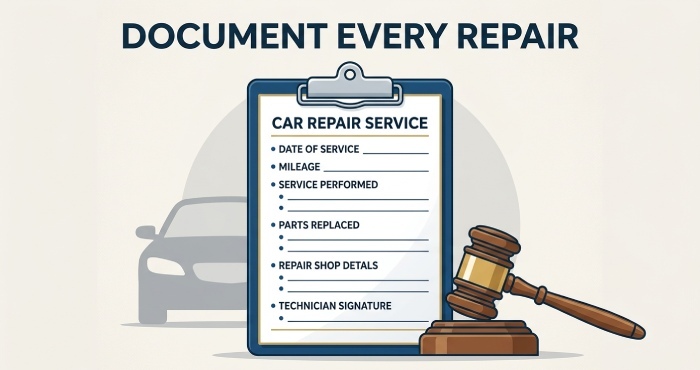
Incomplete or missing records can undermine your case. Attorneys utilize audits to address these gaps, ensuring every repair attempt is documented.
Identifying Contradictions
Inconsistent Records
Service records can sometimes show contradictions, like differing descriptions of the same problem or vague repair results. It’s vital to identify and clarify these inconsistencies.
Enhancing Your Case
By rectifying these discrepancies, lawyers can craft a clear and coherent narrative that bolsters your claim.
How Audits Strengthen Your Legal Strategy
A meticulously performed service history audit does more than just compile data — it actively informs your legal strategy.
- Establishing a Robust Case Foundation: Evidence-Driven ClaimsInstead of depending on oral complaints, attorneys leverage documented proof to substantiate every element of your case.
- Enhanced Negotiation Leverage: An extensive audit can enhance the persuasiveness of your claim, often resulting in quicker settlements and reducing the need for extended litigation.
Foreseeing Manufacturer Defenses
Typical Counterarguments
Manufacturers might contend that:
- The defect lacks severity
- Repairs were effectively implemented
- Problems arose from improper use
Crafting Rebuttals
A comprehensive audit enables lawyers to foresee these defenses and devise compelling counterarguments, supported by documentation.
 buyback-car-value-4032.jpg” alt=”manufacturer dealers” width=”700″ height=”370″ />
The Role of Clients in the Audit Process
Information You Should Provide
- Complete Service Records: Collect all relevant invoices, repair orders, and warranty information from dealerships or service facilities.
- Personal Documentation: Keep track of recurring issues, and include photos, videos, and communication logs for additional context.
- Consistent Reporting: Make sure that all problems are documented during service appointments. Failing to report issues can complicate future claims.
Mistakes to Avoid
- Misplacing Important Documents: Losing crucial documents can create weaknesses in your case.
- Inconsistent Descriptions: Describing the same issue differently at different times can lead to misunderstandings. Maintain consistency in your descriptions.
- Delayed Reporting: Postponing the reporting of a defect could lead to doubts regarding its seriousness or origin.
Digital Tools and Modern Audits
Modern service history evaluations frequently utilize digital technologies to improve precision and streamline processes.
- Digital Service Documentation: Numerous dealerships keep electronic records, facilitating the retrieval of comprehensive service histories.
- Data Evaluation: Attorneys might utilize software to investigate repair trends, uncover patterns, and emphasize crucial evidence.
- Evidence of Communication: Correspondence via emails and text messages with service facilities can provide further documentation of recurring problems.

When a Service History Audit Can Make or Break a Case
Complex Situations
- Occasional Flaws: Problems that arise intermittently are more challenging to substantiate. Service audits help quantify their occurrence and severity.
- Multiple Problems: When a vehicle has various issues, a thorough examination is necessary to identify which defects fulfill legal standards.
High-Stakes Issues
- Luxury Vehicles: For expensive cars, manufacturers are more inclined to dispute claims. Thus, an in-depth audit becomes even more essential.
- Prolonged Disputes: In cases that turn into legal battles, a well-organized service record can play a significant role in determining the final verdict.
Final Thoughts
A service history audit extends beyond mere documentation; it is fundamental to establishing a robust case when collaborating with a Lemon Law attorney in San Diego. By meticulously piecing together your vehicle’s background, your lawyer can uncover persistent problems, confirm repair efforts, and form a coherent, compelling narrative that withstands legal examination.
For consumers, the key takeaway is clear: maintaining thorough records is essential. Each service appointment, repair bill, and noted complaint contributes to a comprehensive account. Being organized and proactive not only enhances your case but also empowers your San Diego Lemon Law attorney to advocate for you more effectively, ultimately boosting your chances of a favorable resolution.