
Many modern vehicles now include subscription-based features that control functions such as navigation, driver assistance, and remote connectivity. When these features stop working, owners may wonder whether the issue is covered by the vehicle’s warranty and whether it could qualify under California Lemon Law. Understanding how subscription-based technology affects your legal rights can help you determine the next steps if a defect remains unresolved.
How Subscription-Based Vehicle Features Work and WhyThey Matter to California Drivers
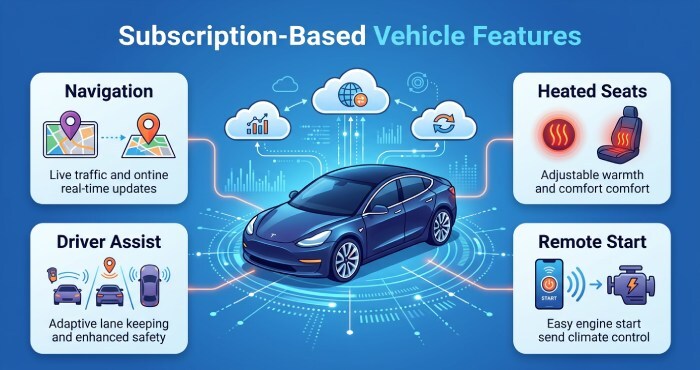
Subscription-based vehicle features are software-enabled functions that a vehicle manufacturer, car manufacturer, or dealer may activate, deactivate, update, or restrict through an app, server connection, embedded modem, or account-based platform. These features can include heated seats, driver-assistance systems, navigation, remote start, enhanced charging, hands-free driving, performance modes, connectivity packages, or safety alerts in cars, SUVs, trucks, vans, motor homes, and even some commercial vehicles.
Why Paid Features Are Different From Traditional Options
Traditional vehicle options are physical components installed when the vehicle is built. Paid subscription features often rely on software, cloud connectivity, or ongoing service plans. Whether a failure is covered under California Lemon Law depends on the warranty, how the feature was sold, and whether the manufacturer had a chance to repair it.
Why California Drivers Should Pay Attention
Drivers should keep records of subscription purchases, warranty documents, repair orders, invoices, and other related paperwork. These records can help support a California Lemon Law claim if a paid feature repeatedly fails. If the malfunction affects the vehicle’s safety, reliability, value, or performance, a lemon law attorney can evaluate whether it may qualify as a warranty defect.
Manufacturer Warranties vs. Paid Feature Subscriptions: What Is Actually Covered?
The Role of the Written Warranty
A written warranty promises that certain vehicle parts and systems will function properly for a specific time or mileage. In California, including High Desert, consumers may have rights if a manufacturer cannot repair a warranty-covered defect after a reasonable number of attempts. Factory-installed software and hardware are generally covered under the original warranty.
Express Warranty Language Matters
The express warranty explains which vehicle components and features are covered. It may include factory-installed software, infotainment systems, driver-assistance features, and over-the-air updates. If a covered feature repeatedly fails during the warranty period, it could support a California Lemon Law claim.
Subscription Terms Can Create Confusion
Subscription agreements may distinguish between digital services and vehicle defects. However, California Lemon Law protections may still apply when a manufacturer-installed feature repeatedly malfunctions under warranty. Whether the issue is covered depends on the warranty terms and the nature of the defect.
Practical Example
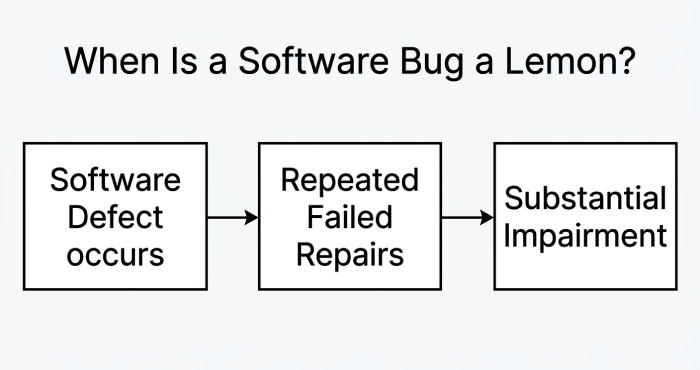
If a driver pays monthly for advanced navigation but the app login fails once, that may be a service dispute. If the central display repeatedly crashes, disables climate controls, and prevents safety alerts despite repair attempts, the issue may support a lemon law case.
When Software-Enabled Features Create Defects Under California Lemon Law
When a Subscription Problem Becomes a Lemon Law Problem
A subscription feature may raise California Lemon Law issues if its malfunction substantially impairs the vehicle’s use, value, or safety. If the defect occurs during the warranty period and cannot be repaired after a reasonable number of attempts, the law may provide consumer protections.
Examples may include:
- Driver-assistance systems that disengage without warning
- Repeated infotainment failures affecting backup cameras or safety alerts
- Failed over-the-air updates that disable essential vehicle functions
- Remote start or charging software that repeatedly fails in electric vehicles
- Subscription-based safety systems that cannot be activated despite payment
A lemon law lawyer may also review technical service bulletins, service bulletin history, update logs, and internal repair notes to determine whether the vehicle manufacturer knew about a recurring defect.
Used Vehicles, Demonstrators, and Business Vehicles
The used car lemon law analysis can be more complex. A used vehicle may qualify if it was sold with remaining original manufacturer warranty coverage or a qualifying written warranty. The used car lemon law may also apply to demonstrator vehicles, dealer loaners, or certain certified pre-owned vehicles if the defect is covered.
Commercial vehicles may qualify in some situations, especially for a small business owner with a limited fleet. Motor homes may also raise special issues involving the chassis, Chassis cab, living-area components, or coach manufacturer. For recreational vehicles, consulting an rv lemon law attorney may be especially useful.
When to Contact a Lemon Law Lawyer in California About Warranty or Subscription Feature Issues
Warning Signs That Legal Help May Be Needed
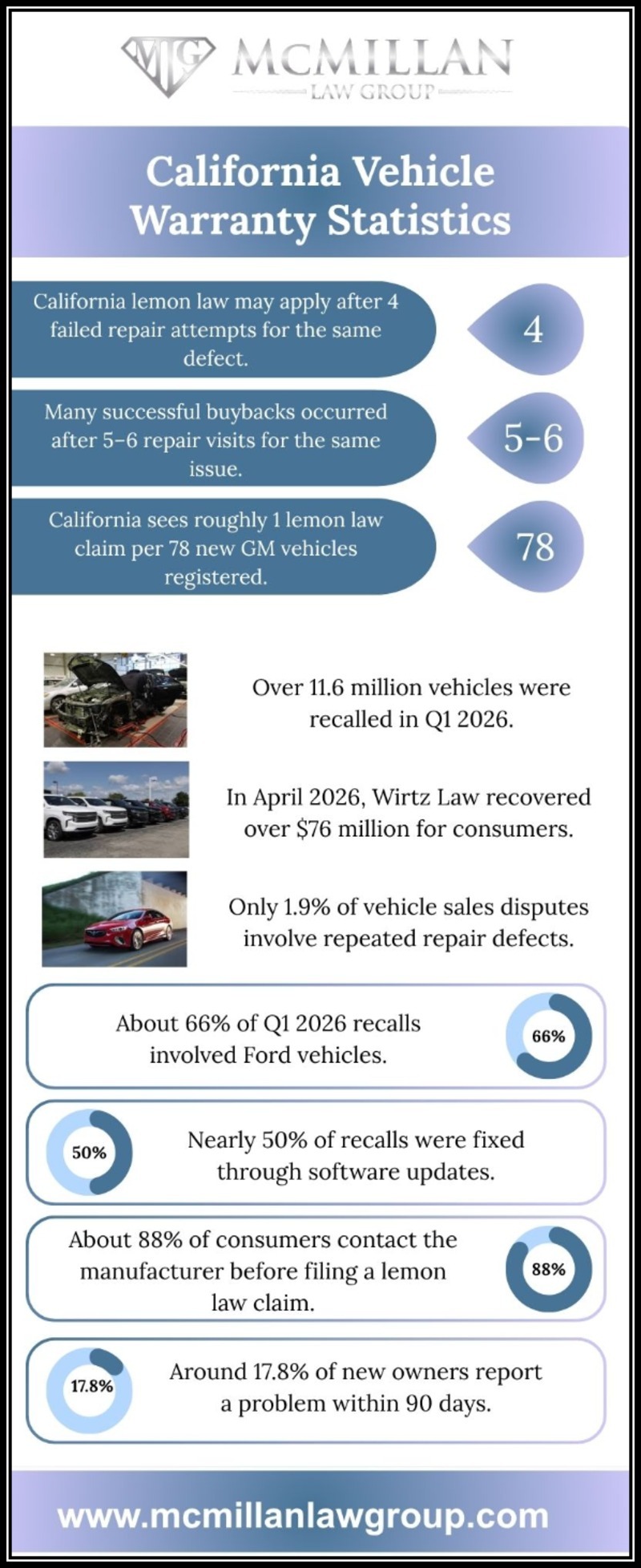
Contact a lemon law lawyer if a paid or software-enabled feature repeatedly fails during the warranty period, especially when the issue affects safety, drivability, charging, visibility, braking, steering assistance, or the vehicle’s resale value. You should also speak with a lemon law attorney if the dealer says the issue is “normal,” cannot duplicate the problem, or repeatedly installs updates without fixing the defective vehicle.
A california lemon law lawyer can review whether the Song-Beverly Consumer Warranty Act, used car lemon law, or Magnuson-Moss Warranty Act applies. In many California Lemon Law matters, the fee-shifting provision may require the vehicle manufacturer to pay attorney’s fees when the consumer prevails, which allows many consumers to pursue a legal claim without paying attorney’s fees upfront.
What a Lawyer Will Review
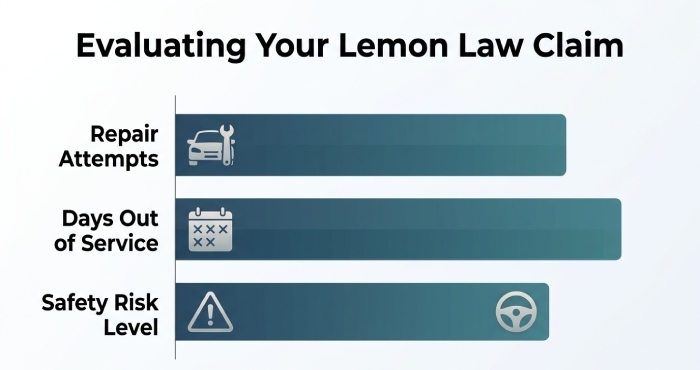
A lemon law attorney will typically evaluate:
- Purchase or lease contract
- Warranty booklet and subscription terms
- Vehicle registration and VIN (Vehicle Identification Number)
- Repair records and each repair order
- Number of repair attempts
- Days out of service for repairs
- Technical service bulletins
- Dealer communications
- Any settlement offer, mediation notice, or arbitration board paperwork
An attorney may calculate potential compensation, including eligible purchase costs, fees, and any applicable mileage offset. If the manufacturer cannot repair the defect after a reasonable number of attempts, the consumer may qualify for a refund, replacement vehicle, or other available compensation.
Arbitration, Settlement, and Filing Deadlines
Consumers should review arbitration or settlement offers carefully before accepting them, as they may affect important warranty rights. Filing deadlines also matter, so consulting a qualified California lemon law attorney early can help protect a potential claim and ensure repair records are properly documented.
A consumer may consult a qualified lemon law attorney san diego to understand their warranty rights. Whether the issue involves subscription-based features or other vehicle defects, the key question is whether the manufacturer fulfilled its warranty obligations under California law.