
What Counts as a Custom Car Under Lemon Law?
Under lemon law, the key question is not whether a vehicle is unusual, expensive, or performance-oriented—it is whether the defective product qualifies as a covered motor vehicle and whether the defect substantially impairs use, value, or safety. Custom cars can include factory-ordered vehicles with manufacturer performance packages, dealer-installed appearance or tuning options, specialty vehicles, unique vehicles, assembled vehicles, kit-based builds, and modified production models.
Factory Custom Cars, Unique Vehicles, and Assembled Vehicles
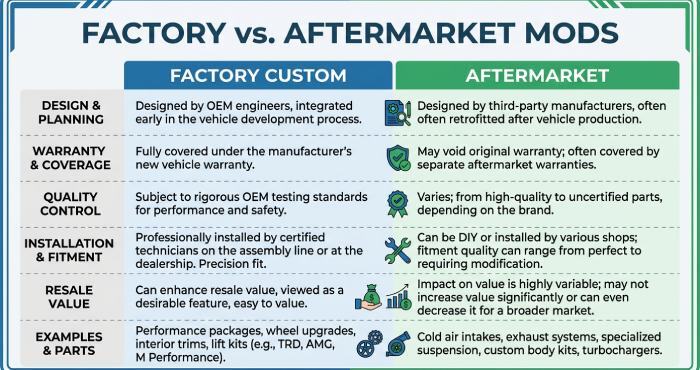
A factory custom car is usually easier to evaluate under lemon law because the manufacturer built and warranted the motor vehicle. Examples include a performance trim, track package, upgraded suspension, carbon-ceramic brakes, factory supercharger, manufacturer-installed ECU calibration, or special-edition model. These custom cars often remain within the standard warranty because the performance components were part of the original build.
By contrast, assembled vehicles, kit cars, and heavily modified vehicles may involve more complex Lemon Law questions. When a vehicle contains components that were not installed by the original manufacturer, the manufacturer may argue that certain defects were caused by aftermarket modifications rather than a factory issue. However, modifications alone do not automatically eliminate a consumer’s Lemon Law rights. The key factors are whether the vehicle is covered by a valid warranty, whether the defect substantially affects the vehicle’s use, value, or safety, and whether the manufacturer had a reasonable opportunity to repair the problem.
Vehicle Title and Registration Details Matter
For custom cars, the vehicle title can become central evidence. If the vehicle title lists the car as a regular production model but the sale documents show factory performance content, warranty coverage may be clearer. If the vehicle title identifies one of several assembled vehicles, the manufacturer may argue that some defects came from non-factory work. Before you register your vehicle, confirm that the title application, vehicle transfer paperwork, insurance verification, and temporary permits are consistent with the vehicle’s actual configuration.
How Manufacturer Performance Packages Affect Warranty Coverage
Manufacturer-installed performance packages, such as factory power upgrades, sport suspensions, upgraded transmissions, or enhanced brake systems, are generally covered under lemon law protections. If these factory-authorized components fail during the warranty period and remain unresolved after a reasonable number of repair attempts, the defect may support a valid lemon law claim for the vehicle.
Warranty Coverage Versus Aftermarket Add-Ons
Problems arise when a dealer, aftermarket shop, or owner adds non-factory parts. A manufacturer can deny warranty coverage if it can prove the modification caused the defect. However, it cannot automatically reject every lemon law complaint just because custom cars have modifications. For example, aftermarket specialty license plates from MyPlates, cosmetic wraps, or interior trim changes usually should not affect an engine defect. On the other hand, non-factory tuning, oversized turbochargers, or used auto parts installed in a drivetrain may complicate buyer protection.
Motorists should keep every purchase order, repair invoice, and warranty booklet. In California, a consumer with a defective performance vehicle may consult a california lemon law lawyer to evaluate whether the manufacturer’s warranty still applies. RV owners with customized or performance-equipped motor homes may also need guidance from an rv lemon law attorney.
When Modifications Can Complicate a Lemon Law Claim

Title, Registration, and Ownership Issues
Beyond mechanical defects, custom and assembled vehicles may also face ownership and title issues, such as lien disputes, title delays, or registration problems, that can complicate lemon law claims. While Texas resources and administrative agencies can assist with vehicle titling and registration matters, eligibility for lemon law relief ultimately depends on the vehicle’s warranty coverage, repair history, and applicable state law.
When Commercial or Specialty Use Changes the Analysis
Some performance-modified vehicles may be owned for business purposes, used by companies, or maintained as part of a collection. Commercial use can sometimes affect warranty coverage or the way a manufacturer evaluates a Lemon Law claim. Vehicle owners should keep clear records showing how the vehicle was used, maintained, and repaired. Understanding the vehicle’s warranty terms and usage history can help determine whether a defect may qualify for protection under applicable Lemon Law laws.
HB718 and Temporary Permit Concerns
For custom and performance vehicles, keeping accurate ownership and service records is important when pursuing a Lemon Law claim. Maintain copies of purchase agreements, warranty documents, registration records, repair orders, and communications with the dealership or manufacturer. These documents can help establish when the vehicle was purchased, when defects were discovered, and whether the manufacturer had a reasonable opportunity to repair the problem.
Steps to Protect Your Rights and Build a Strong Lemon Law Case
Practical Action Plan Before You File a Complaint
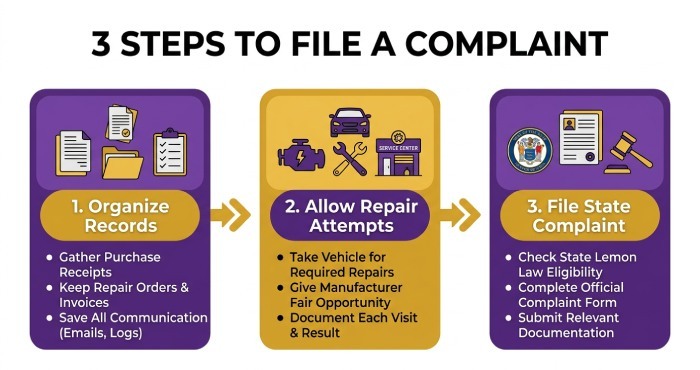
Organize your purchase documents, title, registration, insurance, and repair records, and identify whether each vehicle component was factory-, dealer-, or aftermarket-installed. Then allow the manufacturer a reasonable opportunity to repair the vehicle, and if the problem continues, file a lemon law complaint through the appropriate state process.
If your case is in Southern California, speaking with a lemon law attorney san diego can help clarify deadlines, warranty defenses, and documentation strategy. Consumers elsewhere should review their state’s consumer protection rules before they file a complaint.
1. Evidence to Preserve
Keep photos, videos, diagnostic codes, tow records, repair invoices, warranty documents, correspondence with the manufacturer or dealership, inspection reports, and notes from every service visit. If your vehicle has aftermarket modifications or manufacturer performance upgrades, preserve installation records, purchase receipts, and documentation showing when each modification was added. This evidence can help demonstrate the vehicle’s condition, repair history, and whether the defect was related to a warranty-covered issue rather than owner modifications.
2. How to File a Complaint Effectively
When you file a Lemon Law complaint, be specific and provide as much documentation as possible. A strong complaint should include details about the defect, dates of repair visits, vehicle mileage, number of repair attempts, total days the vehicle was out of service, and how the issue affects the vehicle’s safety, value, or usability. Include supporting documents such as repair orders, warranty records, communication with the manufacturer or dealership, and inspection reports. Accurate documentation can help strengthen your claim and demonstrate whether the manufacturer had a reasonable opportunity to fix the problem.
3. Protecting the Value of Custom Cars
Do not continue driving a dangerous motor vehicle just to “prove” the defect. Also avoid major new modifications while the lemon law complaint is pending. If you need to register your vehicle, renew it, add or remove lien information, or complete a vehicle transfer, keep copies of every submission. Accurate vehicle title records, proper vehicle registration, and consistent warranty documentation help preserve consumer protection rights for custom cars, unique vehicles, and assembled vehicles.