California Lemon Law Buybacks and Core Tax Concepts
How California Lemon Law Vehicle Buybacks Work
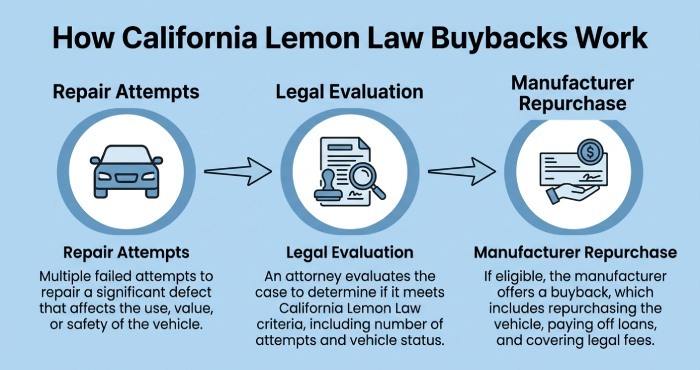
Under the California lemon law, a consumer may be entitled to a vehicle repurchase, replacement, or negotiated lemon law settlement when a manufacturer cannot repair substantial defects within a reasonable number of attempts. The lemon law legal process typically begins with documenting repair orders, warranty history, mileage, purchase or lease terms, and communication with the dealer or manufacturer. A lemon law lawyer evaluates whether the defect affects use, value, or safety and whether the manufacturer has met its legal obligations.
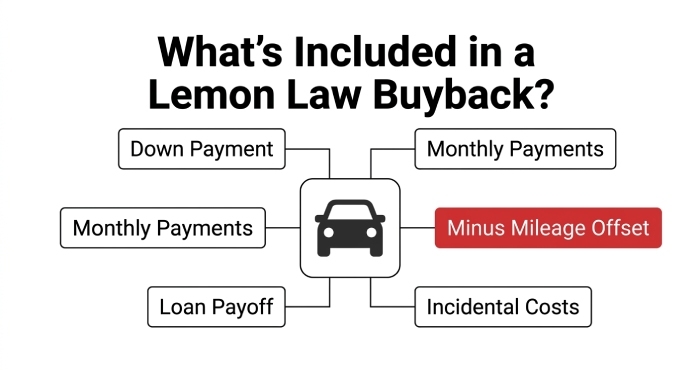
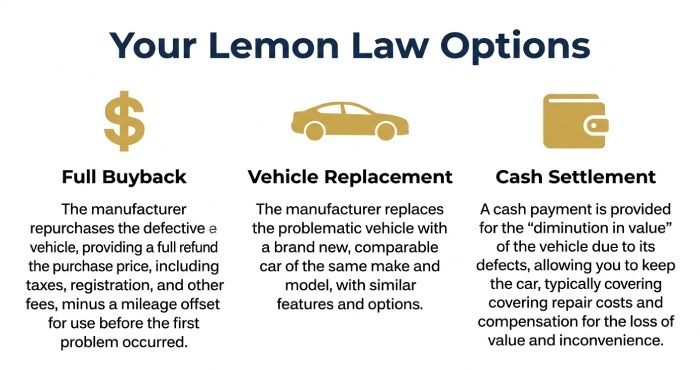
In a vehicle buyback, the manufacturer generally repurchases the defective vehicle by refunding amounts paid by the consumer, often reduced by a mileage offset for use before the first relevant repair attempt. A California lemon law buyback may include the down payment, monthly payments, payoff of the loan or lease balance, registration charges, certain fees, and qualifying incidental damages. Because each lemon law settlement is fact-specific, the tax implications can vary.
Consumers often ask whether lemon law settlement proceeds are taxable. In many vehicle buyback situations, the settlement proceeds are treated as a refund of the purchase price rather than taxable income. However, not every payment in a lemon law settlement is automatically non-taxable. The tax implications depend on what the payment represents, how the agreement is structured, and whether any portion compensates the consumer beyond reimbursement.
What a Buyback Usually Includes
A California lemon law repurchase typically covers the vehicle’s purchase or lease payments, minus the statutory mileage offset, and may also include loan payoff, trade-in credit, and qualifying expenses such as towing, rental cars, rideshare, or repair costs. Because a vehicle buyback may represent a return of amounts the consumer previously paid, some portions of the recovery may not be treated as taxable income. However, the tax treatment depends on the nature of the payment, the underlying claim, and how the settlement is structured.
Documents to Keep for Lemon Law and Tax Purposes
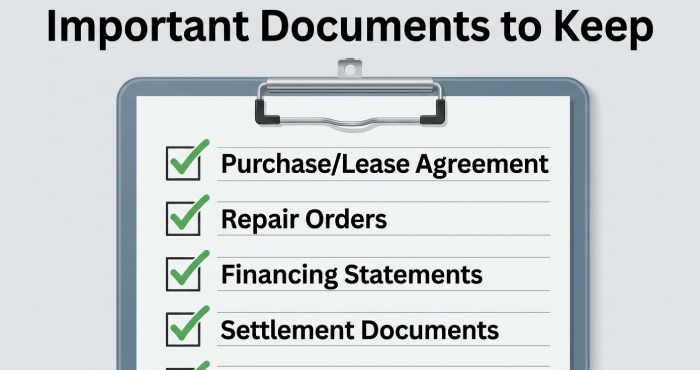
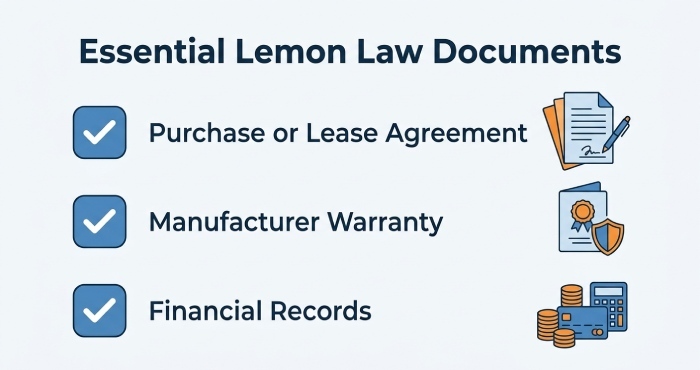
Consumers should keep copies of their vehicle purchase or lease agreement, repair orders, warranty records, financing statements, payoff information, settlement documents, receipts for reimbursed expenses, and any tax forms received in connection with the settlement. These records can help document the amounts paid, reimbursed expenses, and how the settlement was structured. A tax professional can use this information to evaluate the appropriate tax treatment and reporting requirements.
Settlement Taxability and Professional Guidance
Tax Treatment of Refunds, Settlements, and Cash-and-Keep Offers
The tax treatment of a California lemon law settlement depends on how the payment is characterized. A full buyback may generally be treated as a return of the consumer’s purchase price rather than taxable income, while cash-and-keep payments require closer review because compensation for diminished value, inconvenience, or other losses may have different tax consequences. A lemon law lawyer can help clarify settlement language and payment allocation, but a qualified tax professional should determine whether any portion is taxable and how it should be reported. Clear documentation identifying payments as refunds, reimbursements, statutory recoveries, or other compensation can help reduce future tax uncertainty.
Sales Tax, Registration Fees, and Incidental Cost Reimbursements
California lemon law buybacks may include reimbursement for sales tax, registration fees, and qualifying incidental expenses such as rental cars, towing, repairs, and travel costs. These amounts are generally intended to restore money the consumer previously paid rather than provide new income, although tax treatment can vary depending on the settlement structure and prior deductions. Consumers should keep receipts, repair invoices, registration records, loan statements, payoff letters, and manufacturer communications to document reimbursed expenses and help a tax professional determine the appropriate tax treatment.
When Lemon Law Compensation May Be Taxable Income
The tax treatment of California Lemon Law compensation may vary depending on what the payment is intended to compensate and the nature of the underlying claim. Amounts that represent a return of the vehicle’s purchase price or reimbursement of certain expenses may receive different tax treatment from amounts awarded for other purposes, such as interest, lost income, or additional compensation.
The IRS generally looks to the origin and nature of a claim when determining the federal tax treatment of settlement proceeds. If a settlement includes multiple payment categories, clear documentation and allocation may be important. Receiving a Form 1099 does not necessarily mean that the entire settlement is taxable. Consumers should consult a qualified tax professional regarding their individual reporting and documentation requirements.
Why a California Lemon Law Lawyer and Tax Professional Matter
A California lemon law lawyer helps protect the consumer’s legal rights, evaluates liability, manages litigation strategy when needed, and negotiates the structure of the lemon law settlement. For consumers comparing representation, a california lemon law lawyer can explain how buybacks, replacements, mileage offsets, and cash-and-keep resolutions typically work. Consumers with recreational vehicle claims may also benefit from speaking with an rv lemon law attorney, while local consumers may prefer a lemon law attorney san diego for regional guidance.
The tax professional is equally important because legal advice from an attorney is not the same as individualized tax advice. The California lemon law lawyer focuses on the legal process, manufacturer compliance, settlement language, and legal responsibilities. The tax professional focuses on taxable income, tax implications, tax compliance, and whether the lemon law settlement proceeds should be reported. Together, they help reduce the risk of an unfavorable tax result.
Strong documentation is essential for a successful California Lemon Law claim. Under the Song-Beverly Consumer Warranty Act, eligible consumers may receive a refund, replacement vehicle, compensation, civil penalties, and attorney’s fees. A California lemon law lawyer can review the warranty, purchase records, and repair history to determine whether the vehicle qualifies.
1: Vehicle Purchase or Lease Agreement Showing Warranty Coverage
Your purchase or lease agreement provides key lemon law details, including the buyer, seller, vehicle, purchase date, mileage, financing or lease terms, and whether the vehicle was new, used, certified pre-owned, a demo, or leased.
Why the Agreement Matters
Under California Lemon Law and the Song-Beverly Consumer Warranty Act, timing is critical. The contract helps establish whether the defective vehicle was covered by a warranty when the substantial defect appeared. It may also show the vehicle value, loan/lease pay off amount, registration charges, taxes, and fees that may factor into a full purchase refund or fair replacement.
Key Documents to Preserve
Keep the retail installment sales contract, lease agreement, buyer’s order, odometer disclosure, pink slip paperwork, certified pre-owned inspection checklist, and any defect disclosure documents provided by the dealership or used car dealership.
2: Manufacturer’s Written Warranty and Extended Service Contracts
The manufacturer’s written warranty is essential to proving a breach because the Song-Beverly Consumer Warranty Act examines whether the manufacturer or its authorized repair facility failed to bring the vehicle into conformity with the applicable express warranty.
Warranty Terms That Support the Claim
Keep all warranty booklets, CPO materials, service contracts, powertrain and emissions coverage, and relevant Federal Lemon Law or Magnuson-Moss documents. A lemon law lawyer can review the warranty terms, repair history, defect, and applicable deadlines, including whether the statute of limitations has been preserved.
3: Repair Orders and Service Invoices from the Dealership
What Each Repair Order Should Show
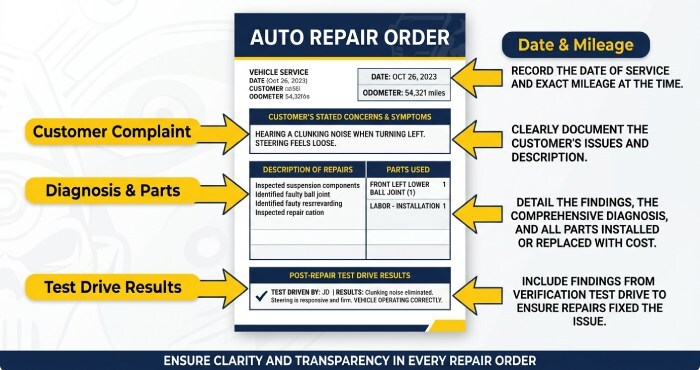
Keep every repair invoice showing the date, mileage, complaint, diagnosis, parts replaced, labor performed, and test-drive results, including “could not duplicate,” “operating as designed,” or “no problem found” entries, as they may still support a lemon law claim when the defect persists.
Avoid Verbal-Only Service Visits
If a service advisor tells you the dealership cannot find the problem, ask for a written repair order. A lemon law attorney can use repeated written complaints to show a reasonable number of repairs, even when the manufacturer later argues that no defect existed.
4: Detailed Timeline of Defects, Breakdowns, and Repair Attempts
Building a Persuasive Chronology
List the date, mileage, symptom, safety concern, dealership visit, and outcome for every event. Include recurring problems such as engine stalling, transmission hesitation, brake failure, electrical shutdowns, infotainment failures, battery drain, or airbag warnings.
Safety and Substantial Defect Details
California Lemon Law generally focuses on defects that impair use, value, or safety. If the issue is a safety defect affecting vehicle safety—such as loss of steering, brake malfunction, or sudden power loss—note how it affected driving conditions, passengers, and the risk of a crash.
5: Written Communications with the Dealership and Manufacturer
Emails, texts, letters, case numbers, and portal messages can prove notice, repair delays, refusals, or warranty-related inconsistencies.
Communications That Strengthen the Case
Save all communications with the service advisor, sales manager, manufacturer, corporate offices, and case managers. Record call dates, representative names, and key details, as these records may support a lemon law attorney’s evaluation of willful violations. Online reviews and California Lemon Law resources may also reveal recurring manufacturer or dealership issues, but they do not replace legal advice.
6: Proof of Days the Vehicle Was Out of Service
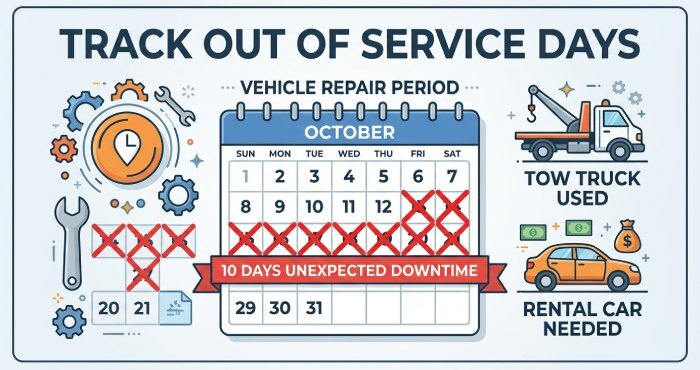
The number of days a vehicle remains out of service can provide strong evidence, as California Lemon Law may offer relief when extended warranty repairs keep the vehicle at a dealership for an excessive period despite repeated repair attempts.
What Counts as Out-of-Service Evidence
Keep repair orders, rental receipts, tow records, dealership appointments, parts backorder notices, and messages showing extended downtime, as they can support settlement, refund, or replacement vehicle claims.
For recreational vehicle claims, downtime evidence may be especially important because repairs can involve specialized components, long parts delays, or multiple service locations. In those cases, consulting an rv lemon law attorney may help determine whether the recreational vehicle qualifies.
7: Photos, Videos, and Diagnostic Records Documenting the Defect
Visual evidence can make a defective vehicle case more persuasive. Photos and videos help demonstrate intermittent or recurring issues that the dealership claims it cannot duplicate.
Effective Visual and Technical Proof
Document warning lights, leaks, smoke, unusual noises, screen failures, water intrusion, brake alerts, and transmission problems when safe. Keep diagnostic codes, scan reports, battery tests, alignment records, and inspection results to help a lemon law lawyer establish that the defect is recurring, warranty-covered, and not caused by the consumer.
8: Maintenance Records Showing Proper Vehicle Care
Manufacturers often defend California Lemon Law claims by blaming the consumer for poor maintenance, misuse, aftermarket modifications, or neglect. Maintenance records help rebut those arguments.
Records That Show Responsible Ownership
Keep maintenance receipts, recall notices, and manufacturer-recommended service records, along with pre-sale inspections and certified pre-owned documents. A lemon law attorney can review these records to assess warranty coverage and vehicle eligibility under California’s Song-Beverly Consumer Warranty Act and related law.
9: Expert Inspection Reports Supporting the Lemon Law Claim
Expert inspections can determine whether a defect is substantial, recurring, and warranty-related by examining the vehicle, diagnostic codes, service records, and quality of previous repairs.
When Expert Evidence Helps
Expert reports can help establish the cause of disputed vehicle defects, especially involving electrical, engine, ADAS, water leak, or safety issues. Alemon law attorney san diego can determine whether an inspection is needed and use the findings to strengthen negotiations with the manufacturer.
10: Records of Costs, Payments, and Damages for Settlement Negotiations
Complete financial records strengthen settlement negotiations by making it easier to calculate compensation, refunds, vehicle replacements, and other remedies available under California Lemon Law and the Song-Beverly Consumer Warranty Act.
Financial Records to Gather
Keep records of your down payment, loan or lease payments, registration fees, insurance, towing, rental cars, rideshare costs, repairs, and other related expenses, as they may affect your refund, payoff, civil penalties, and settlement value. A California Lemon Law lawyer may also pursue recoverable attorney’s fees and evaluate potential claims under the Song-Beverly Consumer Warranty Act or the federal Magnuson-Moss Warranty Act when a manufacturer fails to meet its warranty obligations.
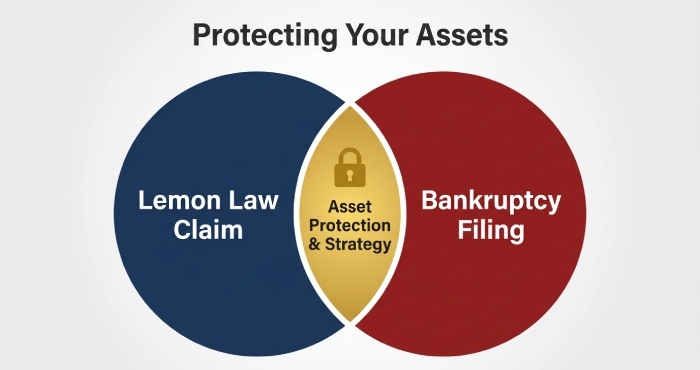
Financial stress can make a defective vehicle even harder to manage. If you are paying for constant repairs, struggling with loan payments, or considering bankruptcy, California Lemon Law may provide relief if your vehicle qualifies. A california lemon law lawyer can review your case and may help you pursue a refund, replacement vehicle, buyback, or cash settlement, often with attorney’s fees paid by the manufacturer if the claim is successful.
If you are in bankruptcy or considering filing, a California Lemon Law claim may involve additional legal considerations. An experienced California Lemon Law attorney can evaluate your repair history, explain your legal options, and, when appropriate, work alongside your bankruptcy attorney to help ensure the claim is handled properly.
The 9 Benefits of Legal Help When a Defective Vehicle Threatens Your Finances
Benefit 1–2: Protecting Your Legal Rights and Stopping Costly Vehicle Problems From Worsening
Benefit 1: A lemon law attorney protects your legal rights.
During financial stress, many consumers accept whatever the manufacturer or dealer offers because they feel they have no leverage. A california attorney who handles lemon law cases can explain your legal rights, review your warranty, and determine whether the manufacturer has breached its obligations. This is especially important when the defective vehicle has transmission issues, electrical problems, engine failures, brake defects, steering concerns, or safety-related defects.
Benefit 2: A lemon law lawyer helps stop the financial damage from escalating.
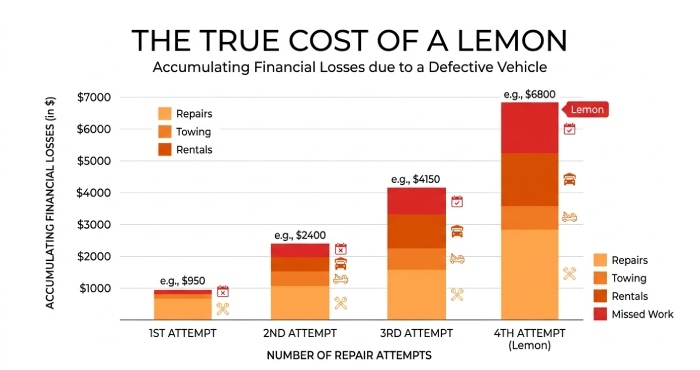
Every failed repair attempt can mean more towing bills, rental costs, missed work, and stress. Lemon law attorneys know how to gather repair orders, service records, payment documents, and communications with the dealer. By building a strong lemon law claim early, lemon law lawyers can help prevent the manufacturer from delaying until your finances get worse.
Documents That Strengthen a Lemon Law Case
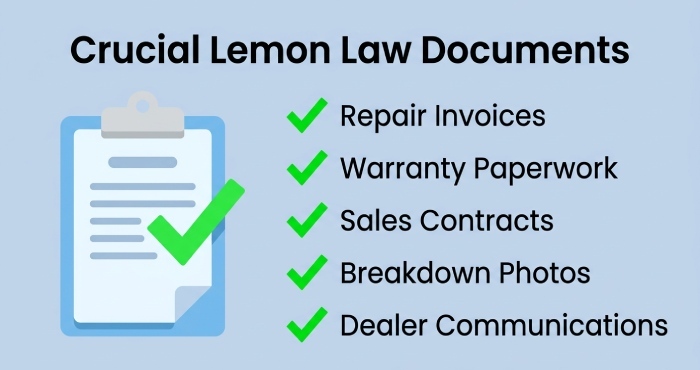
Useful evidence includes repair invoices, warranty paperwork, sales or lease contracts, text messages, emails, photos, videos, and notes about each breakdown. A trial lawyer or team of trial attorneys may use these records in negotiation or litigation if the manufacturer refuses a fair outcome.
Benefit 3–5: Pursuing Refunds, Replacements, or Cash Compensation Without Upfront Financial Pressure
Benefit 3: You may be able to pursue a refund or buyback.
Under california lemon law, a qualifying consumer may be entitled to a refund or manufacturer buyback. This can include amounts paid toward the vehicle, registration, taxes, and certain related charges, subject to mileage offsets and case-specific rules. A lemon law attorney can calculate potential client compensation and explain whether a refund is realistic.
Benefit 4: You may qualify for a vehicle replacement.
Some consumers prefer a vehicle replacement instead of a refund, especially if they need reliable transportation for work, family, medical appointments, or school. A lemon law lawyer can negotiate with the manufacturer and help compare replacement value against other settlement options.
Benefit 5: Many firms offer help without upfront legal fees.
A free consultation allows you to ask questions before committing. Many lemon law attorneys handle valid cases with fees paid by the manufacturer if the claim succeeds, making legal advice more accessible during hardship. If you need guidance for a motorhome or recreational vehicle, an rv lemon law attorney can address the unique repair, warranty, and use issues involved.
What “No Upfront Fees” Can Mean
In many california lemon law matters, the manufacturer may be responsible for reasonable attorney fees and costs if the consumer prevails. A law firm should explain fee terms clearly, including whether litigation expenses, expert reviews, or filing costs apply.
Benefit 6–7: Coordinating Lemon Law Claims With Bankruptcy Concerns, Debt, and Credit Impact
Benefit 6: A california attorney can help coordinate the lemon law claim with bankruptcy duties.
If you have filed for bankruptcy or are considering it, your California Lemon Law claim may involve additional legal considerations. Your Lemon Law attorney can work alongside your bankruptcy attorney, when appropriate, to help ensure the claim is handled properly while protecting your rights under California Lemon Law.
Benefit 7: Legal assistance may reduce credit and debt consequences.
A defective vehicle can lead to late payments, repossession risks, and mounting repair debt. A lemon law lawyer can pursue the manufacturer while you focus on stabilizing your finances. If the matter involves a lease, loan, negative equity, or lender communications, lemon law attorneys can help you understand how a buyback or settlement may affect the balance.
Consumers in San Diego can also seek location-specific guidance from a lemon law attorney san diego when vehicle defects create financial pressure.
Benefit 8–9: Reducing Stress and Maximizing Your Chances of a Successful California Lemon Law Outcome
Benefit 8: A local lemon law lawyer reduces the burden on you.
When you are dealing with debt, job uncertainty, medical bills, or bankruptcy fears, managing a lemon law claim alone can be overwhelming. A lemon law attorney can handle manufacturer communications, evidence review, settlement demands, and litigation strategy. This gives you room to focus on your household and financial recovery.
Benefit 9: Experienced lemon law attorneys improve your chances of a successful outcome.
California lemon law is technical. Manufacturers often have defense teams, adjusters, and attorneys working to limit payouts. Skilled lemon law lawyers know how to counter arguments about misuse, mileage, repair opportunities, and defect severity. The right california attorney can position your lemon law claim for a stronger settlement or trial result.
Many modern vehicles now include subscription-based features that control functions such as navigation, driver assistance, and remote connectivity. When these features stop working, owners may wonder whether the issue is covered by the vehicle’s warranty and whether it could qualify under California Lemon Law. Understanding how subscription-based technology affects your legal rights can help you determine the next steps if a defect remains unresolved.
How Subscription-Based Vehicle Features Work and WhyThey Matter to California Drivers
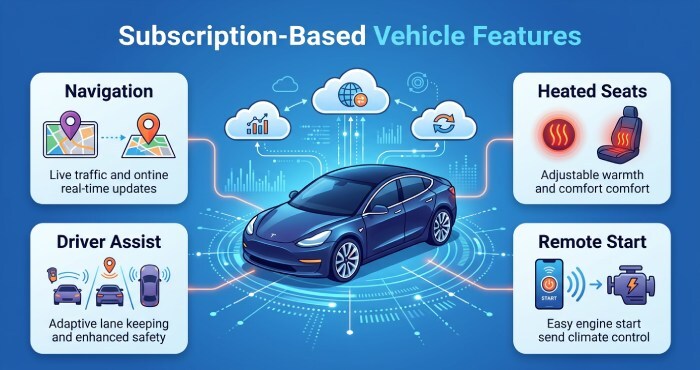
Subscription-based vehicle features are software-enabled functions that a vehicle manufacturer, car manufacturer, or dealer may activate, deactivate, update, or restrict through an app, server connection, embedded modem, or account-based platform. These features can include heated seats, driver-assistance systems, navigation, remote start, enhanced charging, hands-free driving, performance modes, connectivity packages, or safety alerts in cars, SUVs, trucks, vans, motor homes, and even some commercial vehicles.
Why Paid Features Are Different From Traditional Options
Traditional vehicle options are physical components installed when the vehicle is built. Paid subscription features often rely on software, cloud connectivity, or ongoing service plans. Whether a failure is covered under California Lemon Law depends on the warranty, how the feature was sold, and whether the manufacturer had a chance to repair it.
Why California Drivers Should Pay Attention
Drivers should keep records of subscription purchases, warranty documents, repair orders, invoices, and other related paperwork. These records can help support a California Lemon Law claim if a paid feature repeatedly fails. If the malfunction affects the vehicle’s safety, reliability, value, or performance, a lemon law attorney can evaluate whether it may qualify as a warranty defect.
Manufacturer Warranties vs. Paid Feature Subscriptions: What Is Actually Covered?
The Role of the Written Warranty
A written warranty promises that certain vehicle parts and systems will function properly for a specific time or mileage. In California, including High Desert, consumers may have rights if a manufacturer cannot repair a warranty-covered defect after a reasonable number of attempts. Factory-installed software and hardware are generally covered under the original warranty.
Express Warranty Language Matters
The express warranty explains which vehicle components and features are covered. It may include factory-installed software, infotainment systems, driver-assistance features, and over-the-air updates. If a covered feature repeatedly fails during the warranty period, it could support a California Lemon Law claim.
Subscription Terms Can Create Confusion
Subscription agreements may distinguish between digital services and vehicle defects. However, California Lemon Law protections may still apply when a manufacturer-installed feature repeatedly malfunctions under warranty. Whether the issue is covered depends on the warranty terms and the nature of the defect.
Practical Example
If a driver pays monthly for advanced navigation but the app login fails once, that may be a service dispute. If the central display repeatedly crashes, disables climate controls, and prevents safety alerts despite repair attempts, the issue may support a lemon law case.
When Software-Enabled Features Create Defects Under California Lemon Law
When a Subscription Problem Becomes a Lemon Law Problem
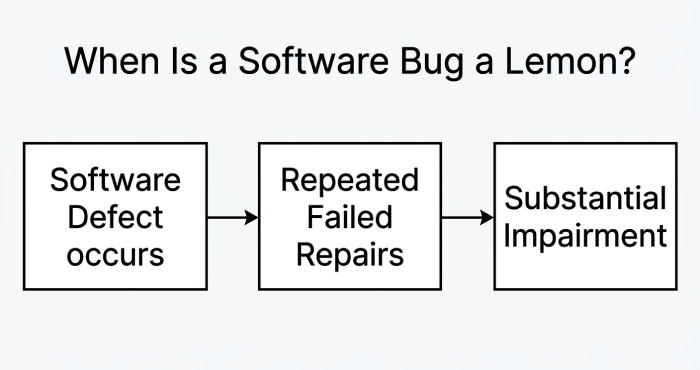
A subscription feature may raise California Lemon Law issues if its malfunction substantially impairs the vehicle’s use, value, or safety. If the defect occurs during the warranty period and cannot be repaired after a reasonable number of attempts, the law may provide consumer protections.
Examples may include:
Driver-assistance systems that disengage without warning
Repeated infotainment failures affecting backup cameras or safety alerts
Failed over-the-air updates that disable essential vehicle functions
Remote start or charging software that repeatedly fails in electric vehicles
Subscription-based safety systems that cannot be activated despite payment
A lemon law lawyer may also review technical service bulletins, service bulletin history, update logs, and internal repair notes to determine whether the vehicle manufacturer knew about a recurring defect.
Used Vehicles, Demonstrators, and Business Vehicles
The used car lemon law analysis can be more complex. A used vehicle may qualify if it was sold with remaining original manufacturer warranty coverage or a qualifying written warranty. The used car lemon law may also apply to demonstrator vehicles, dealer loaners, or certain certified pre-owned vehicles if the defect is covered.
Commercial vehicles may qualify in some situations, especially for a small business owner with a limited fleet. Motor homes may also raise special issues involving the chassis, Chassis cab, living-area components, or coach manufacturer. For recreational vehicles, consulting an rv lemon law attorney may be especially useful.
When to Contact a Lemon Law Lawyer in California About Warranty or Subscription Feature Issues
Warning Signs That Legal Help May Be Needed
Contact a lemon law lawyer if a paid or software-enabled feature repeatedly fails during the warranty period, especially when the issue affects safety, drivability, charging, visibility, braking, steering assistance, or the vehicle’s resale value. You should also speak with a lemon law attorney if the dealer says the issue is “normal,” cannot duplicate the problem, or repeatedly installs updates without fixing the defective vehicle.
A california lemon law lawyer can review whether the Song-Beverly Consumer Warranty Act, used car lemon law, or Magnuson-Moss Warranty Act applies. In many California Lemon Law matters, the fee-shifting provision may require the vehicle manufacturer to pay attorney’s fees when the consumer prevails, which allows many consumers to pursue a legal claim without paying attorney’s fees upfront.
Any settlement offer, mediation notice, or arbitration board paperwork
An attorney may calculate potential compensation, including eligible purchase costs, fees, and any applicable mileage offset. If the manufacturer cannot repair the defect after a reasonable number of attempts, the consumer may qualify for a refund, replacement vehicle, or other available compensation.
Arbitration, Settlement, and Filing Deadlines
Consumers should review arbitration or settlement offers carefully before accepting them, as they may affect important warranty rights. Filing deadlines also matter, so consulting a qualified California lemon law attorney early can help protect a potential claim and ensure repair records are properly documented.
A consumer may consult a qualified lemon law attorney san diego to understand their warranty rights. Whether the issue involves subscription-based features or other vehicle defects, the key question is whether the manufacturer fulfilled its warranty obligations under California law.
Failure #1: GPS Signal Loss and Inaccurate Position Tracking
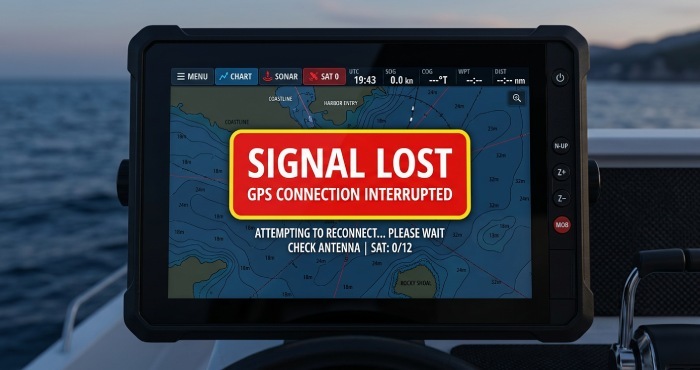
Contemporary vessels rely heavily on GPS technology, antennas, chartplotters, and multifunction displays to ensure precise navigation. Frequent loss of GPS signals can lead to incorrect positioning, unexpected route changes, and various safety risks. These issues may stem from defective components, wiring complications, software glitches, or improper installation methods.
If the boat is still under warranty and the authorized dealer is unable to resolve the issue after multiple attempts, persistent GPS malfunctions may qualify for a lemon law claim in California. A lemon law attorney can assess repair history and warranty provisions to establish if the defect significantly impairs the boat’s usability, value, or safety.
What to Document When GPS Tracking Fails
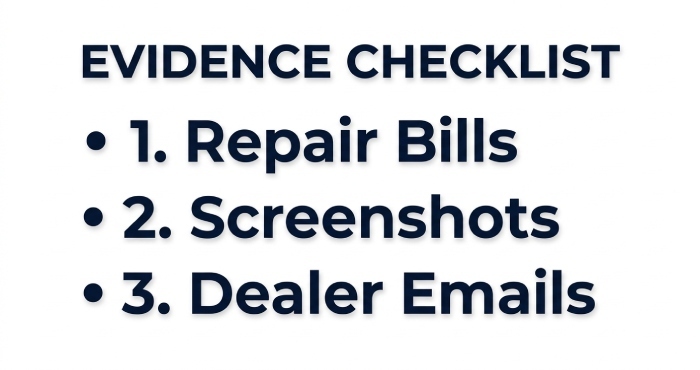
Boat owners should save screenshots of incorrect coordinates, route deviations, repair bills, diagnostic reports, and communications with the boat dealer, authorized dealer, or boat manufacturer. This evidence can help a boat lemon law lawyer determine whether the defect is isolated or part of chronic defects affecting the vessel.
Failure #2: Chartplotter Freezes, Crashes, or Delayed Updates
A chartplotter functions as the primary navigation tool, providing vital data like charts, radar, and depth readings. If it becomes unresponsive, experiences crashes, or lags, users risk losing important information necessary for safe boating. Ongoing issues might suggest a deeper defect rather than just a trivial software glitch.
For boat owners in Madera, California, persistent problems that continue despite warranty repairs may be covered under the state’s lemon law for boats. Repeated breakdowns that substantially affect the vessel’s usability, value, or safety could entitle owners to seek a buyback, replacement, or other compensation under California law.
Warranty and Repair Concerns
The boat warranty and warranty coverage should clearly identify who is responsible for navigation electronics, software modules, display units, and installation issues. If the authorized dealer blames a third-party electronics provider while the boat manufacturer blames installation, a lemon law attorney can help sort out responsibility and preserve the consumer protection rights available under lemon law for boats.
Consumers seeking guidance may consult a california lemon law lawyer to understand how recurring chartplotter failures may fit within California lemon law.
Failure #3: Autopilot Software Malfunctions and Steering Errors
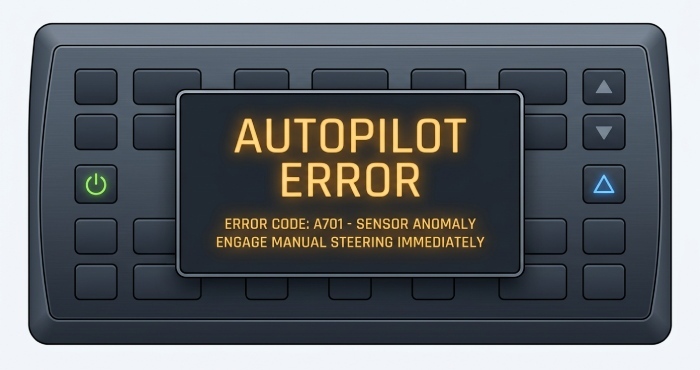
Autopilot systems are no longer simple steering aids. They use heading sensors, GPS input, hydraulic steering controls, gyros, electronic compasses, and software algorithms. When autopilot software malfunctions, a vessel may veer unexpectedly, fail to hold course, overcorrect, or ignore helm commands.
These failures can be dangerous on a speed boat, yacht, catamaran, sailboat, or fishing boat traveling in congested channels or open water. A defective boat with autopilot steering errors may expose passengers to collision risks, grounding, or sudden loss of control. In severe cases, a boat accident lawyer may become involved if the malfunction contributes to an injury or collision.
When Steering Errors Become Lemon Law Issues
Ongoing issues with the autopilot system that persist despite adequate warranty repairs could potentially validate a claim under California’s boat lemon law. A qualified attorney specializing in this area can assess repair documents and manufacturer information to determine the merits of the case. Should the defect remain unresolved, the owner might be eligible for options such as a buyback, a replacement, a cash settlement, or other solutions.
Failure #4: Radar, Sonar, and Depth-Finder Integration Failures
Radar, sonar, fish finders, and depth-finders must collaborate seamlessly with the boat’s navigation system to ensure accurate readings. If these systems fail to integrate properly, it can result in empty screens, incorrect depth measurements, undetected radar targets, or slow data updates, raising safety issues for boat owners. Such problems can arise from communication issues within the network, outdated software, water damage, or improper installation.
If a problem persists even after several repairs, it might indicate a more systematic issue rather than simple maintenance. According to California’s boat lemon law, a vessel that provides unreliable navigation data may be eligible for remedy if this deficiency significantly impacts the boat’s usability, worth, or safety and is not resolved under the manufacturer’s warranty.
For owners in Southern California, a lemon law attorney san diego may assess whether radar or sonar failures support lemon law litigation.
Failure #5: Engine Control Module and Digital Throttle Software Defects
Many modern boats use an engine control module, digital throttle, joystick docking, electronic shift controls, and integrated propulsion software. When these systems fail, a vessel may hesitate, surge, stall, refuse to shift, show false alarms, or enter limp mode. These problems can feel like mechanical problems, but the root cause may be a software defect.
A defective boat with digital throttle faults can be especially hazardous during docking, launching, close-quarters maneuvering, or offshore cruising. A jet ski that cuts power unexpectedly, a speed boat that surges, or a yacht that loses throttle response may expose operators to significant risk. If the boat manufacturer repeatedly updates software without fixing the issue, that pattern can support a boat lemon law claim.
California Lemon Law and Propulsion Software
Under the Song-Beverly Consumer Warranty Act, manufacturers must uphold written warranties for qualifying products. If a boat has undergone multiple unsuccessful repair attempts, this could strengthen a claim under California’s lemon law. Since the statute of limitations might influence one’s eligibility, it’s crucial for owners to take swift action and consult with a lemon law attorney. Possible remedies could involve the purchase of the boat, a buyback from the manufacturer, a replacement, a cash settlement, or other forms of agreement.
Failure #6: Faulty System Updates, Connectivity Bugs, and Recurring Manufacturer Defects
Software updates are intended to enhance performance, but if they malfunction, they can lead to navigation issues, connectivity loss, absent engine data, and various electronic glitches. Ongoing problems may originate from the manufacturer, onboard systems, or incorrect installation by dealers, particularly when attempts to fix or reset the issues prove ineffective.
Under California’s boat lemon law, ongoing software and connectivity challenges may be considered legitimate claims if they significantly impact the vessel’s usability, worth, or safety. Boat owners should maintain detailed records of repair appointments, unsuccessful updates, and correspondence, as these documents can aid a lemon law attorney in assessing potential claims and pursuing a suitable resolution.
For a local evaluation, consumers may also contact a lemon law lawyer san diego to discuss whether recurring manufacturer defects, faulty connectivity, or unresolved software failures justify a lemon law claim under California lemon law.