
Documentation and Advertising Mistakes That Create Liability
1: Misrepresenting the Vehicle’s Condition in Ads or Messages
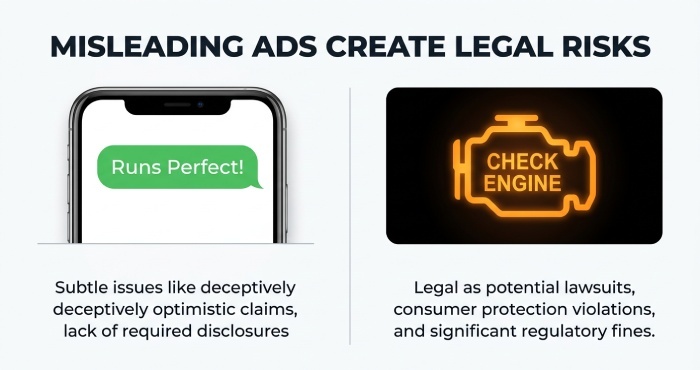
During a private sale in California, any claims made through advertisements, text messages, emails, or online listings can serve as proof if a buyer later claims that they were misled or defrauded.
It’s essential for sellers to provide a truthful account of the vehicle’s condition and to refrain from using phrases like “like new” or “no issues” if they know about any flaws, repairs, warning lights, or persistent mechanical problems. Buyers who seek advice from a lemon law attorney might contend that deceptive statements indicate hidden defects.
2: Hiding Known Mechanical Defects From the Buyer
An “as-is” transaction does not shield a private seller who is aware of significant issues, like engine troubles, brake malfunctions, problems with the EV battery, or ongoing mechanical failures.
Although California’s lemon law typically targets manufacturers rather than individuals selling privately, purchasers could retain lemon law protections if the car is still under warranty or has a history of lemon law buybacks. This underscores the importance of complete transparency.
Title, Mileage, and Identity Problems
3: Rolling Back or Failing to Disclose Odometer Issues
Odometer tampering can swiftly escalate a private sale of a vehicle into a significant legal issue. Not revealing differences in mileage, changes to the instrument panel, or incorrect odometer figures can leave a seller vulnerable to lawsuits for damages, refunds, and legal costs. To prevent complications, it’s essential that all mileage details are correctly documented in the bill of sale, DMV documents, and vehicle history reports.
4: Selling a Car With a Salvage or Branded Title Without Clear Disclosure
A salvage, rebuilt, flood, lemon law buyback, or branded title must be disclosed clearly. Sellers sometimes mention the title brand verbally but fail to put it in the sale documents. That creates avoidable risk.
A lemon law buyback is particularly sensitive. A buyer may later contact a lemon law attorney or search a Lemon law FAQ after discovering that the car was previously repurchased by a manufacturer. Car manufacturers such as Audi, BMW, Chevrolet, Dodge, Ford, Fiat, GM, Hyundai, Honda, Jeep, Kia, Mercedes, Nissan, and Subaru all have vehicles that may appear in resale markets after buyback or major repairs.
Warranty Language and “As-Is” Confusion
5: Making Verbal Promises That Sound Like Warranties
Individual sellers must be careful when making assurances, like promising a vehicle will pass a smog check or affirming its condition, since these claims can be viewed as explicit warranties and lead to potential breach-of-warranty lawsuits.
Although California’s lemon law typically concerns defects covered by manufacturer warranties rather than private transactions, a buyer may still file a lemon law claim against the manufacturer along with separate misrepresentation allegations against the seller if the car is still under warranty.
6: Using an Incomplete or Vague Bill of Sale
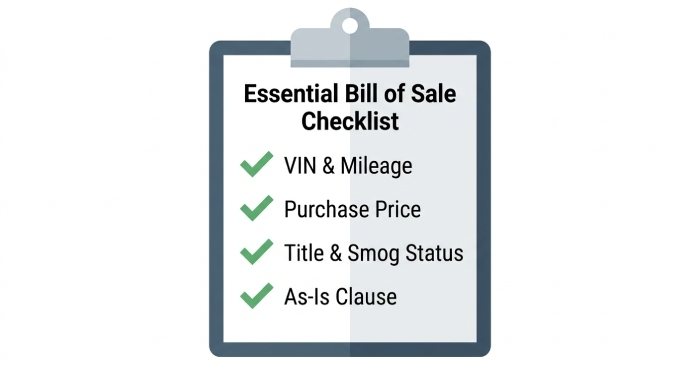
A vague bill of sale creates uncertainty about seller obligations. It should identify the motor vehicle, VIN, mileage, purchase price, date, parties, title status, smog status, known defects, and whether the sale is as-is. In California private sales, clarity reduces disputes.
A purchaser in need of lemon law assistance can present their bill of sale to a reputable lemon lawyer in San Diego for assessment of eligibility under lemon law, warranty provisions, and the potential for a breach of warranty claim. If the documentation is lacking or incorrect, it may give the impression that the seller is negligent, disorganized, or potentially misleading during the evaluation.
DMV, Release, and Smog Compliance Errors
7: Failing to Provide Required DMV Transfer Documents
California sellers must provide complete and accurate DMV transfer paperwork, as missing signatures, title errors, lienholder issues, or omitted forms can delay registration and lead to disputes.
These problems can arise anywhere in California—including Los Angeles, San Diego, San Francisco, San Jose, Anaheim, Bakersfield, Riverside, Sacramento, Orange County, Oakland, and the East Bay—making it important to handle every private vehicle sale with the same care as a dealer transaction.
8: Not Filing a Notice of Transfer and Release of Liability
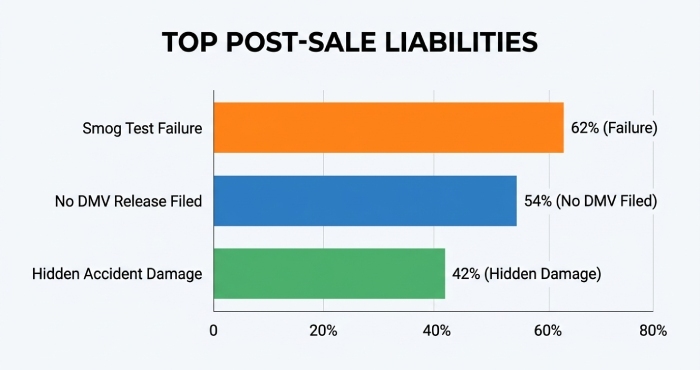
Failing to file a Notice of Transfer and Release of Liability can expose the seller to parking tickets, tolls, accidents, impound fees, or registration issues after the sale. This is not a California lemon law issue, but it is a major private sale liability issue.
Sellers should file the release promptly and keep proof. If the buyer later causes problems with the motor vehicle, the seller needs evidence showing the date of transfer.
9: Selling a Vehicle That Cannot Pass Smog Requirements
California has strict smog rules. In many private sale transactions, the seller must provide a valid smog certificate unless an exemption applies. Selling a used car that cannot pass smog can lead to rescission demands, refund requests, or legal help from a consumer attorney.
Damage History, Dealer-Like Conduct, and Lemon Law Confusion
10: Concealing Accident, Flood, or Frame Damage
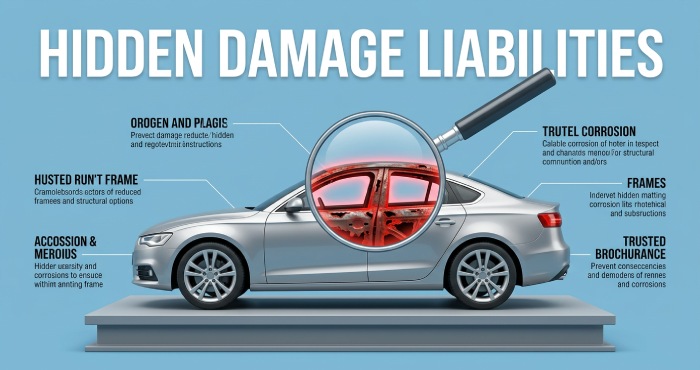
Hidden issues such as prior accident damage, flood events, airbag activation, or structural repairs can result in conflicts, as they impact a vehicle’s safety and worth. Buyers might investigate lemon law remedies via tools like a buyback calculator or seek legal advice. However, a seller who deliberately hides known problems may incur additional liability, regardless of the manufacturer’s role in any lemon law claims.
11: Advertising the Sale in a Way That Looks Like a Dealer Transaction
A seller who frequently flips cars, uses dealer-style ads, sells multiple vehicles, or creates business-like listings may attract scrutiny. California claims can become more serious if the seller appears to be operating like an unlicensed dealer.
That distinction matters because a dealer sale carries different consumer protection rules than a true private sale. If the seller behaves like a business, the buyer’s attorney may argue that additional California consumer law duties apply.
Lemon Law Exposure and Early Legal Guidance
12: Assuming California Lemon Law Never Affects Private Sales
A frequent misconception is that the California lemon law has no relevance in private sales. Although buyers typically can’t file a direct lemon law claim against a private seller, they may still pursue rights against the manufacturer if the vehicle is still under warranty and meets lemon law criteria.
Additionally, sellers are obligated to reveal any history of buybacks due to lemon law issues; neglecting this duty could result in nondisclosure claims and further legal complications.
13: Ignoring Buyer Complaints Instead of Seeking Legal Guidance Early
In the event that a buyer identifies issues following a private sale, the seller must retain all relevant documentation, such as advertisements, text messages, inspection reports, repair invoices, and title papers. If the warranty is still in effect and the buyer thinks the vehicle meets California Lemon Law criteria, a California lemon law lawyer may need to be consulted. Speaking with such a lawyer can clarify whether the situation pertains to lemon law rights, breach of warranty claims, or a typical private sale agreement.