
Failure #1: GPS Signal Loss and Inaccurate Position Tracking
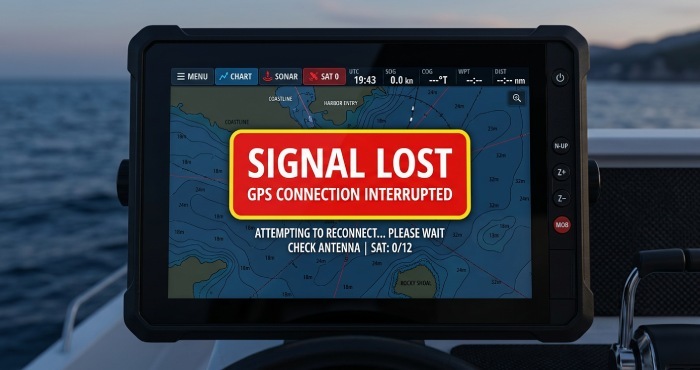
Contemporary vessels rely heavily on GPS technology, antennas, chartplotters, and multifunction displays to ensure precise navigation. Frequent loss of GPS signals can lead to incorrect positioning, unexpected route changes, and various safety risks. These issues may stem from defective components, wiring complications, software glitches, or improper installation methods.
If the boat is still under warranty and the authorized dealer is unable to resolve the issue after multiple attempts, persistent GPS malfunctions may qualify for a lemon law claim in California. A lemon law attorney can assess repair history and warranty provisions to establish if the defect significantly impairs the boat’s usability, value, or safety.
What to Document When GPS Tracking Fails
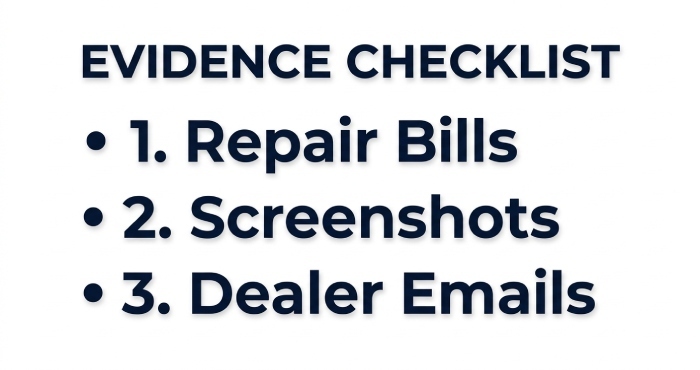
Boat owners should save screenshots of incorrect coordinates, route deviations, repair bills, diagnostic reports, and communications with the boat dealer, authorized dealer, or boat manufacturer. This evidence can help a boat lemon law lawyer determine whether the defect is isolated or part of chronic defects affecting the vessel.
Failure #2: Chartplotter Freezes, Crashes, or Delayed Updates
A chartplotter functions as the primary navigation tool, providing vital data like charts, radar, and depth readings. If it becomes unresponsive, experiences crashes, or lags, users risk losing important information necessary for safe boating. Ongoing issues might suggest a deeper defect rather than just a trivial software glitch.
For boat owners in Madera, California, persistent problems that continue despite warranty repairs may be covered under the state’s lemon law for boats. Repeated breakdowns that substantially affect the vessel’s usability, value, or safety could entitle owners to seek a buyback, replacement, or other compensation under California law.
Warranty and Repair Concerns
The boat warranty and warranty coverage should clearly identify who is responsible for navigation electronics, software modules, display units, and installation issues. If the authorized dealer blames a third-party electronics provider while the boat manufacturer blames installation, a lemon law attorney can help sort out responsibility and preserve the consumer protection rights available under lemon law for boats.
Consumers seeking guidance may consult a california lemon law lawyer to understand how recurring chartplotter failures may fit within California lemon law.
Failure #3: Autopilot Software Malfunctions and Steering Errors
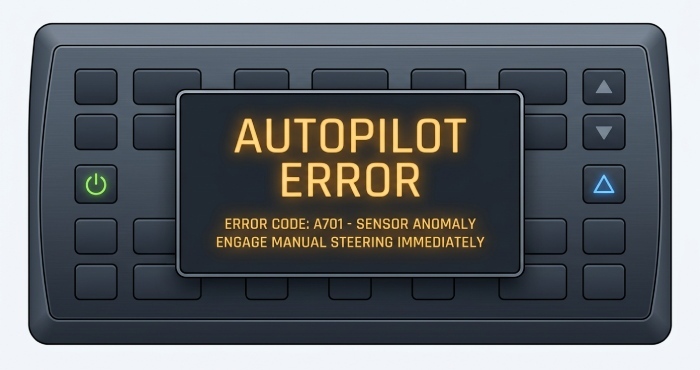
Autopilot systems are no longer simple steering aids. They use heading sensors, GPS input, hydraulic steering controls, gyros, electronic compasses, and software algorithms. When autopilot software malfunctions, a vessel may veer unexpectedly, fail to hold course, overcorrect, or ignore helm commands.
These failures can be dangerous on a speed boat, yacht, catamaran, sailboat, or fishing boat traveling in congested channels or open water. A defective boat with autopilot steering errors may expose passengers to collision risks, grounding, or sudden loss of control. In severe cases, a boat accident lawyer may become involved if the malfunction contributes to an injury or collision.
When Steering Errors Become Lemon Law Issues
Ongoing issues with the autopilot system that persist despite adequate warranty repairs could potentially validate a claim under California’s boat lemon law. A qualified attorney specializing in this area can assess repair documents and manufacturer information to determine the merits of the case. Should the defect remain unresolved, the owner might be eligible for options such as a buyback, a replacement, a cash settlement, or other solutions.
Failure #4: Radar, Sonar, and Depth-Finder Integration Failures
Radar, sonar, fish finders, and depth-finders must collaborate seamlessly with the boat’s navigation system to ensure accurate readings. If these systems fail to integrate properly, it can result in empty screens, incorrect depth measurements, undetected radar targets, or slow data updates, raising safety issues for boat owners. Such problems can arise from communication issues within the network, outdated software, water damage, or improper installation.
If a problem persists even after several repairs, it might indicate a more systematic issue rather than simple maintenance. According to California’s boat lemon law, a vessel that provides unreliable navigation data may be eligible for remedy if this deficiency significantly impacts the boat’s usability, worth, or safety and is not resolved under the manufacturer’s warranty.
For owners in Southern California, a lemon law attorney san diego may assess whether radar or sonar failures support lemon law litigation.
Failure #5: Engine Control Module and Digital Throttle Software Defects
Many modern boats use an engine control module, digital throttle, joystick docking, electronic shift controls, and integrated propulsion software. When these systems fail, a vessel may hesitate, surge, stall, refuse to shift, show false alarms, or enter limp mode. These problems can feel like mechanical problems, but the root cause may be a software defect.
A defective boat with digital throttle faults can be especially hazardous during docking, launching, close-quarters maneuvering, or offshore cruising. A jet ski that cuts power unexpectedly, a speed boat that surges, or a yacht that loses throttle response may expose operators to significant risk. If the boat manufacturer repeatedly updates software without fixing the issue, that pattern can support a boat lemon law claim.
California Lemon Law and Propulsion Software
Under the Song-Beverly Consumer Warranty Act, manufacturers must uphold written warranties for qualifying products. If a boat has undergone multiple unsuccessful repair attempts, this could strengthen a claim under California’s lemon law. Since the statute of limitations might influence one’s eligibility, it’s crucial for owners to take swift action and consult with a lemon law attorney. Possible remedies could involve the purchase of the boat, a buyback from the manufacturer, a replacement, a cash settlement, or other forms of agreement.
Failure #6: Faulty System Updates, Connectivity Bugs, and Recurring Manufacturer Defects
Software updates are intended to enhance performance, but if they malfunction, they can lead to navigation issues, connectivity loss, absent engine data, and various electronic glitches. Ongoing problems may originate from the manufacturer, onboard systems, or incorrect installation by dealers, particularly when attempts to fix or reset the issues prove ineffective.
Under California’s boat lemon law, ongoing software and connectivity challenges may be considered legitimate claims if they significantly impact the vessel’s usability, worth, or safety. Boat owners should maintain detailed records of repair appointments, unsuccessful updates, and correspondence, as these documents can aid a lemon law attorney in assessing potential claims and pursuing a suitable resolution.
For a local evaluation, consumers may also contact a lemon law lawyer san diego to discuss whether recurring manufacturer defects, faulty connectivity, or unresolved software failures justify a lemon law claim under California lemon law.