
A dealership’s statement that it “cannot reproduce” a problem does not automatically defeat a California Lemon Law claim. Many serious vehicle defects are intermittent: they appear unpredictably, worsen over time, or occur only under certain driving conditions. A vehicle may stall in traffic, display warning lights, lose power, shake at highway speeds, or experience electrical failures, yet perform normally during a brief dealership test drive.
Intermittent Defects Often Evade Short Test Drives
A short test drive may not recreate heat, traffic, speed, load, weather, or road conditions that trigger the defect. That is why repeated, detailed complaints can matter as much as a single confirmed diagnosis.
Under California Lemon Law, a dealership’s inability to reproduce a defect during a particular visit does not necessarily mean the consumer has no claim. What matters is the overall repair history, including the manufacturer’s opportunities to repair a warranty-covered defect and whether the defect substantially impairs the vehicle’s use, value, or safety. Depending on the circumstances and applicable law, this may involve new or used vehicles, certified pre-owned vehicles, demonstration vehicles, trucks, SUVs, or recreational vehicles covered by a manufacturer’s warranty.
The Real Issue Is Repair Opportunity
The law focuses on whether the manufacturer had a fair chance to fix the problem. A “cannot reproduce” notation does not erase the consumer’s report or the repair visit.
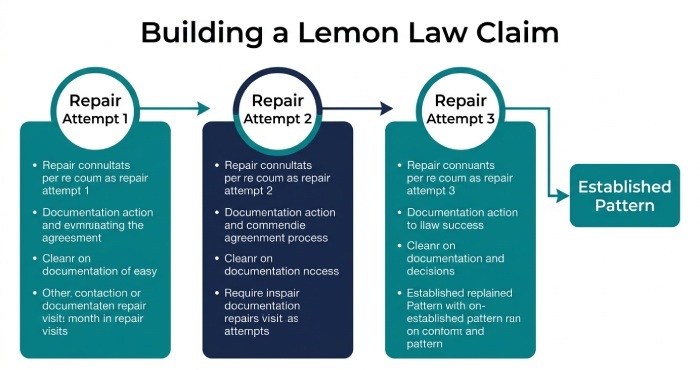
A lemon law lawyer can explain that “no problem found” repair orders may still support a lemon law claim when they document repeated complaints. The repair shop’s inability to verify the issue may actually become important evidence, especially when the same symptoms are reported multiple times during the manufacturer’s warranty period.
When Repeated Complaints Create a Pattern
A pattern of similar complaints can show that the defect is ongoing, even when technicians do not duplicate it on demand. Consistency is often the foundation of a strong record.
For consumers researching their options, resources such as a California Lemon Law Guide can be helpful, but legal representation from an experienced california lemon law lawyer is often critical when the manufacturer disputes the defect.
How a Lemon Law Lawyer Evaluates Repair Orders, Symptoms, and Vehicle History
A lemon law attorney begins with a careful case evaluation. The lawyer reviews repair orders, service invoices, dealership notes, diagnostic printouts, warranty history, and communications with the manufacturer. Even if each repair order says “cannot duplicate,” the pattern may show repeated repair attempts for the same concern.
Looking Beyond the Technician’s Final Note
The most important information may appear in the customer complaint section, mileage entry, diagnostic summary, or technician comments. A lemon law lawyer reviews the entire repair order, not just the final phrase.
For example, if a Mercedes, BMW, or Mini Cooper repeatedly experiences transmission hesitation, engine misfires, brake warnings, infotainment failures, or battery drain, the repair history may reveal unresolved vehicle defects. A lemon law lawyer looks for consistency in the consumer’s complaints, dates in the shop, mileage at each visit, and whether reasonable repairs were attempted.
Connecting Symptoms to Substantial Defects
Not every annoyance qualifies. California Lemon Law focuses on substantial defects that impair use, safety, or value. A lemon law attorney may assess whether the defect creates a safety risk, reduces reliability, affects drivability, or makes the new vehicle less valuable than promised.
Safety, Use, and Value Are Central Questions
A defect may be substantial when it affects confidence in braking, steering, acceleration, visibility, electrical reliability, or daily transportation. The more the problem interferes with normal use, the more important the legal analysis becomes.
The analysis may include:
- How often the symptoms occur
- Whether the vehicle has been out of service for extended periods
- Whether the same issue returned after repair attempts
- Whether the manufacturer issued technical service bulletins
- Whether the problem occurred during the warranty period
- Whether the defect affects a lemon car, lemon RV, truck, or pre-owned vehicle
This type of legal expertise helps determine whether the consumer has a viable lemon law case and whether the filing requirements for a lemon law action can be met.
Reviewing Ownership, Lease, and Warranty Documents
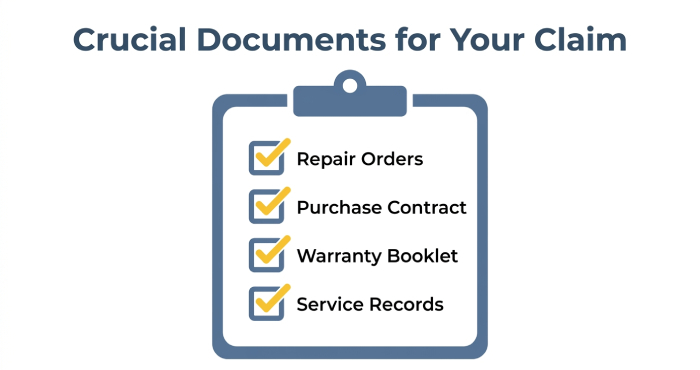
A lemon law lawyer also reviews the purchase contract, lease agreement, warranty booklet, service records, and loan/lease payoff information. These documents are essential when calculating compensation, including a possible purchase refund, replacement vehicle, or other case settlement.
The Manufacturer Remains Responsible for Warranty Compliance
Even when the dealership performs the inspection, the manufacturer generally controls warranty obligations and lemon law remedies. This distinction can be important during negotiation.
For consumers in San Diego or elsewhere in California, speaking with a lemon law attorney san diego can help ensure that communications are strategic and documented.
Avoiding Mistakes That Can Weaken a Lemon Law Claim
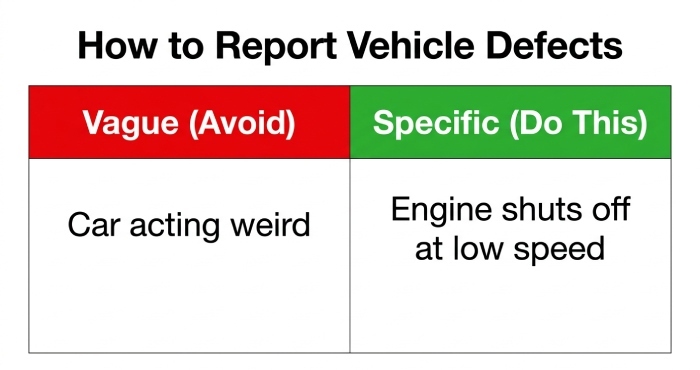
A consumer should avoid vague complaints such as “car acting weird.” Instead, they should describe the specific symptom: “vehicle hesitates when accelerating from a stop,” “engine shuts off at low speed,” or “brake warning appears while driving.” Clear descriptions strengthen the lemon law claim and help the repair shop focus its diagnosis.
Coordinating Repairs Without Overexplaining
Consumers should be accurate and specific, but they do not need to diagnose the vehicle themselves. The goal is to report symptoms clearly and allow the authorized repair facility to investigate.
A legal advocate may also caution against delaying repairs, modifying the vehicle, or continuing to drive when the defect creates a safety risk. If the manufacturer argues misuse, lack of maintenance, or aftermarket modifications, a lemon law attorney can respond with service records and expert analysis.
RV and Motorhome Claims Can Be More Complex
For a lemon purchase involving a motorhome or recreational vehicle, a consumer may also need guidance from an rv lemon law attorney because a lemon RV often involves complex warranty questions, multiple components, and separate manufacturers.
Why Legal Representation Matters When the Manufacturer Disputes the Defect
Manufacturers often argue that no verified defect means no liability. A skilled lemon law attorney challenges that position by showing the full history: repeated complaints, failed repair attempts, warranty coverage, ongoing symptoms, and the effect on use, value, or safety. The issue is not whether one technician reproduced the defect during one visit; the issue is whether the manufacturer provided a reliable vehicle and honored its consumer protection obligations.