
Why Unrelated Defects Complicate California Lemon Law Mediation
When a vehicle has both warrantable defects and unrelated problems, California lemon law mediation requires careful documentation. The key issue is whether a covered warranty defect received reasonable repair attempts and substantially impaired the vehicle’s use, value, or safety. During lemon law mediation, repair records, VIN details, ownership information, and the requested resolution can help distinguish covered defects from unrelated issues.
Issue #1: Separating Lemon Law Defects From Unrelated Vehicle Problems
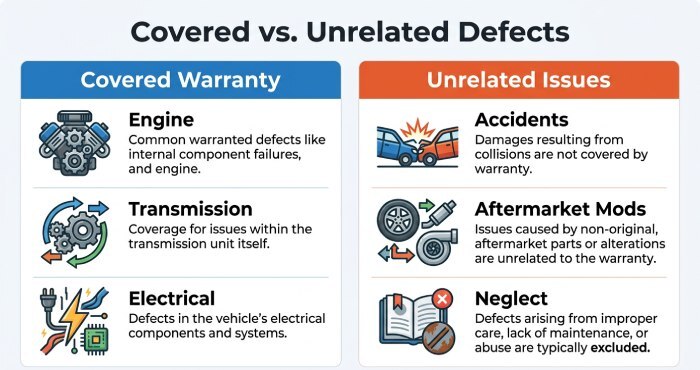
The first issue in California lemon law mediation is determining which vehicle problems are covered. Warranty-related issues, such as transmission, electrical, or engine defects, may support a claim, while accident damage, aftermarket modifications, or neglect may not. A lemon law lawyer can separate the file into covered defects, unrelated conditions, and disputed issues to keep the claim clear and focused.
Documents That Help Separate Defects
Useful supporting documents include repair orders, warranty history, photographs, diagnostic reports, tow records, and communications with the dealer or manufacturer. In the BBB AUTO LINE or California Lemon Law Civil Action Mediation setting, well-labeled documents can help the Dispute Resolution team understand the dispute quickly.
Issue #2: Proving the Covered Defect Substantially Impairs Use, Value, or Safety
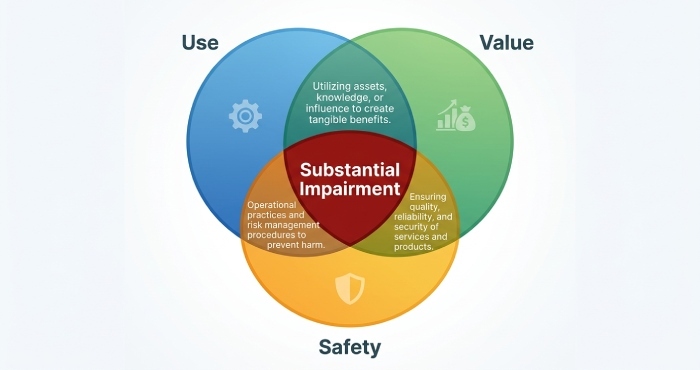
Under California lemon law, a qualifying defect generally must substantially impair the vehicle’s use, value, or safety. In mediation, a plaintiff should explain how the defect affected the vehicle’s operation, reliability, value, or safety, rather than focusing only on inconvenience. Repair records and other documentation can help demonstrate the nature and impact of the defect.
Repeated stalling, brake problems, steering defects, or warning lights may support a claim when reasonable repair attempts were made. A lemon law lawyer can connect the repair records to California law and the Magnuson-Moss Warranty Act, which may provide additional remedies when warranty obligations are not honored.
Issue #3: Handling Manufacturer Claims That New Problems Break the Causation Chain
Responding to Causation Arguments
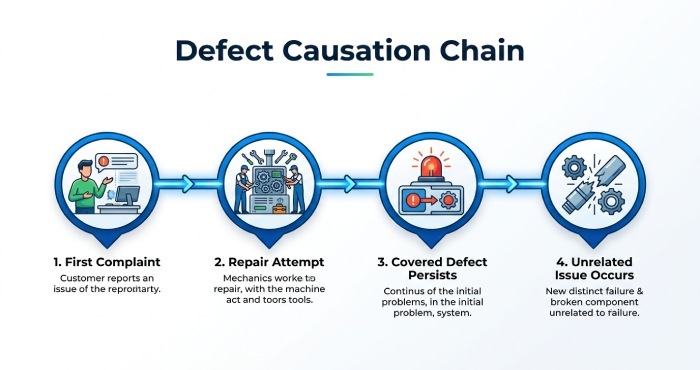
A common mediation tactic is for the manufacturer to argue that a later unrelated problem caused the vehicle’s symptoms. A lemon law lawyer can counter this by establishing a clear timeline showing that the covered defect existed before the unrelated event, was reported for repair, and continued despite repeated attempts.
Keep the Timeline Clean
The timeline should show when the plaintiff first complained, what the dealer did, whether the condition returned, and when any unrelated issue occurred. This helps the mediator evaluate liability without confusing separate disputes.
Issue #4: Organizing Repair Orders to Show Which Defects Were Repeatedly Addressed
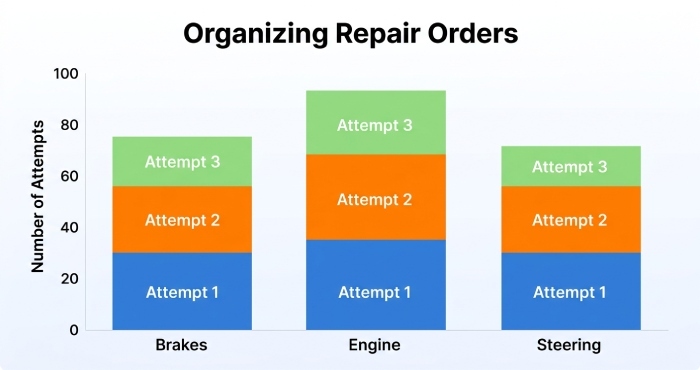
Repair orders are often the most important evidence in California lemon law mediation. They show the complaint, mileage, diagnosis, parts replaced, and whether the repair was verified. If multiple defects exist, the repair orders should be grouped by defect—not simply placed in date order.
A strong civil action file identifies repeated repair attempts for the same warranty-covered problem. The plaintiff should highlight identical complaint language, recurring diagnostic codes, and repeated dealer statements such as “could not duplicate,” “software update,” or “parts ordered.”
Issue #5: Dealing With Aftermarket Modifications, Accidents, or Neglect Allegations
Auto manufacturers may blame aftermarket parts, accidents, poor maintenance, or misuse, but these factors do not automatically defeat a California lemon law claim. A modification or prior accident generally matters only when it caused or contributed to the specific defect.
For RVs and motor homes, where aftermarket equipment and coach systems are common, an rv lemon law attorney may help distinguish chassis defects, living-area defects, and unrelated owner-installed components.
Issue #6: Valuation Disputes When Some Defects Are Not Part of the Lemon Law Claim
Valuation can become more complicated when unrelated vehicle problems are involved. The manufacturer may argue that damage, wear, or non-warranty issues affect the buyback value, while the plaintiff may focus on the covered defect and failed repair attempts. During mediation, the parties may discuss restitution, incidental expenses, registration fees, finance charges, deductions, attorney involvement, filing fees, and other litigation costs when determining a settlement.
Issue #7: Negotiating Buyback, Replacement, or Cash Settlement Terms in Mediation
Mediation can help resolve a California Lemon Law lawsuit without further litigation. Depending on the circumstances, the resolution may include a vehicle buyback, replacement vehicle, cash settlement, or a cash-and-keep arrangement when the consumer wishes to keep the vehicle and both parties agree on compensation.
Settlement Terms to Confirm
Any settlement should clearly address the parties involved, payment deadlines, vehicle return requirements, loan or lease payoff responsibilities, title transfer, and attorney’s fees. Consumers should carefully review every settlement term before signing to ensure the agreement accurately reflects the negotiated resolution and explains what obligations remain after the case is resolved.
Issue #8: Addressing Mileage Offset Arguments When Multiple Issues Exist
Mileage Offset and Multiple Defects
A mileage offset can become disputed when a vehicle has several problems. Under California lemon law, the manufacturer may seek an offset based on mileage before the first relevant repair attempt. If unrelated defects appeared later, the plaintiff should argue that those later issues do not move the offset date forward.
Issue #9: Using a Lemon Law Lawyer in California Mediation to Clarify Liability
How Counsel Helps in Dispute Resolution
A lemon law lawyer can be especially valuable when the manufacturer tries to merge unrelated defects with warranty-covered failures. A lemon law attorney san diego can help organize evidence, frame liability, and prepare the plaintiff for mediation. Working with a california lemon law lawyer may also help ensure that the civil action, responsive pleading timeline, and mandatory mediation obligations are handled correctly.
Issue #10: Avoiding Settlement Language That Releases Unrelated Future Claims
Preserving Rights After Mediation
The final issue is the release language. Manufacturers may seek broad releases covering vehicle-related claims, but this can be risky when owners keep the vehicle after a cash settlement. The agreement should clearly state which claims are resolved and whether unrelated future warranty claims remain available. In California lemon law mediation, the release should match the dispute being settled without unintentionally waiving unrelated claims.