
Purchasing a new or used car should offer reassurance, not a continuous concern over its safety. However, what do you do when your vehicle remains operational but presents significant safety challenges, such as malfunctioning brakes, steering issues, electrical problems, or persistent warning alerts? Many motorists mistakenly believe that as long as a car is drivable, it falls outside the protections of Lemon Law. This is a misconception.
The Lemon Law aims to safeguard consumers whose cars have significant flaws affecting safety, functionality, or worth, even if the vehicle remains operable. It’s important to note that a car doesn’t need to fail completely to be considered a lemon. If persistent mechanical or safety problems compromise your safety while driving, a knowledgeable lemon law lawyer can assist you in understanding your rights and seeking appropriate compensation or a vehicle replacement.
Defining “Unsafe but Drivable” Under Lemon Law
What “unsafe but drivable” means under state lemon laws
A car can be operable and still qualify under lemon law when safety-related nonconformities substantially impair use, value, or safety. State lemon laws focus on whether a defect is covered by the warranty and persists after a reasonable number of attempts to repair, not whether the engine turns over. If a safety defect remains, the lemon law applies even if you can physically drive the vehicle.
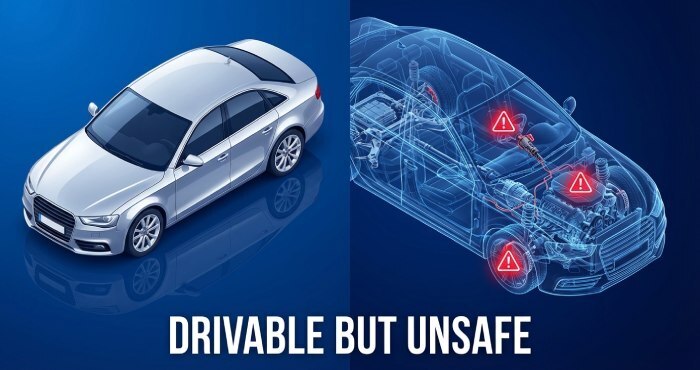
Common examples that meet lemon law requirements include:
-
- Intermittent brake fade or ABS/ESC warning lights that recur post-repair
- Steering pull, lane-keeping malfunction, or electric power steering failures
- Unintended acceleration, stalling at speed, or transmission loss of power
- Airbag, seatbelt pretensioner, or occupancy sensor faults
- Headlight, taillight, or ADAS camera/radar misalignment that degrades visibility
- Fuel leaks or EV battery thermal management faults that pose fire risk
Whether it’s a new vehicle or a used vehicle still under the automobile warranty, these defects can constitute safety-related nonconformities if they persist.
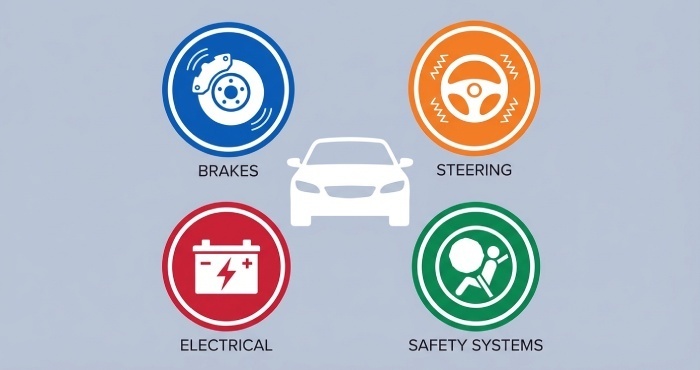
Why these conditions still qualify for consumer protection
Lemon laws by state are designed to protect consumer rights when manufacturer obligations under a warranty are not met. If the vehicle manufacturer cannot repair a defect that substantially impairs safety within a reasonable number of attempts or within specific time limits, state statutes typically require the manufacturer to refund or replace. Importantly, eligibility does not hinge on total inoperability; it’s about safety and conformity to the warranty.
Proving Your Case: Records, Repair Thresholds, and State Variations
Documentation essentials for an unsafe but drivable vehicle
Your strongest lemon law claim is built on clear records that show recurring vehicle defects and failed repair attempts.
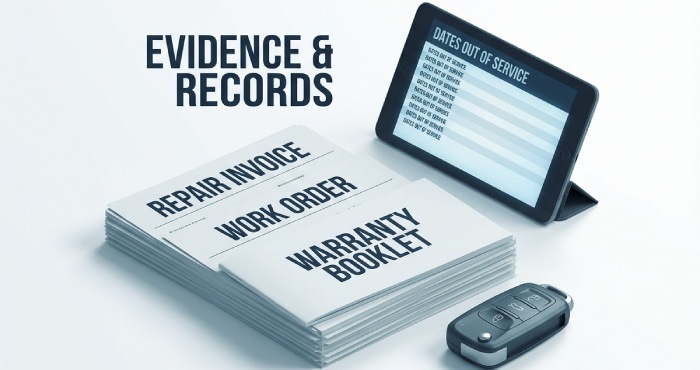
Key documents to gather
- Purchase/lease contract, warranty booklet, and any extended service contracts
- Work orders and repair invoices for each visit (include odometer readings, complaint, diagnosis, and remedy)
- Photos/videos of symptoms, dash warnings, and roadside incidents
- Written communications with the dealer and vehicle manufacturer
- Towing/roadside assistance receipts and days out of service logs
- Recall notices and Technical Service Bulletins (TSBs)
Accurate documentation shows a pattern and supports that the lemon law process has been followed.
Repair-attempt thresholds and days out of service
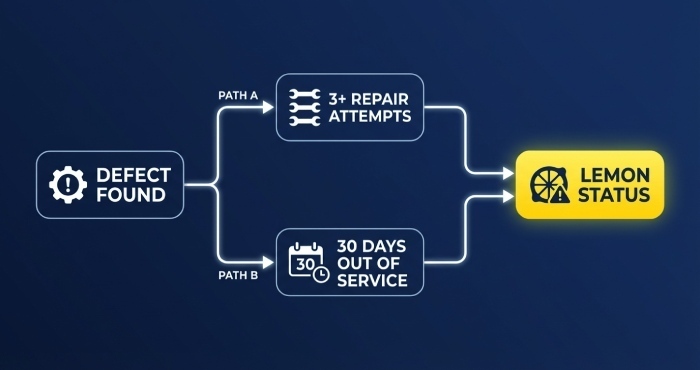
Most state lemon laws set objective triggers:
- A reasonable number of attempts (often 2 for serious safety defects, 3–4 for others)
- Or 30+ cumulative days out of service during the warranty period
These thresholds vary, but they clarify when a lemon vehicle exists. Even when you can drive the car between visits, days the vehicle is at the dealer count. Track both repair attempts and downtime.
Key variations across state statutes (including California Lemon Law)
Lemon laws by state differ in who qualifies, time/mileage windows, and remedies. The California Lemon Law, for instance, presumes a lemon after certain repair attempts or 30 days out of service during the first 18 months/18,000 miles, with special rules for safety defects. Other states adjust the presumption period, the definition of substantial impairment, and whether used vehicles under warranty are covered. Always check state statutes to confirm eligibility and the specific refund procedure or replacement path available.
Staying Safe While You Wait
When to stop driving and mitigate damages
If the defect presents an immediate hazard—brake failure, loss of steering, fuel leaks—stop driving and get the vehicle towed. Most state lemon laws expect consumers to act reasonably to prevent additional harm. Mitigation steps include using hazard lights, documenting the event, and promptly scheduling a repair. If the dealer advises the vehicle is unsafe, heed that advice and obtain it in writing.
Recalls, TSBs, and coordinating with your dealer
- Recalls must be performed; proof of recall completion (or parts unavailability) bolsters your record.
- TSBs can show the vehicle manufacturer recognizes a pattern—ask the dealer to note applicable TSBs on the repair order.
- If parts delays keep your vehicle out of service, those days typically count toward lemon law timelines when the car is not safely usable.
Loaners, rentals, and reimbursement policies
Request a loaner car. If unavailable, ask about rental reimbursement.
Keep receipts: if the lemon law applies and you prevail, incidental expenses like rentals and towing may be recoverable. Manufacturer obligations under the warranty booklet and state lemon laws can address these interim costs.
Starting the Claim: Notice, Programs, and Proof
Notifying the vehicle manufacturer and dealer properly
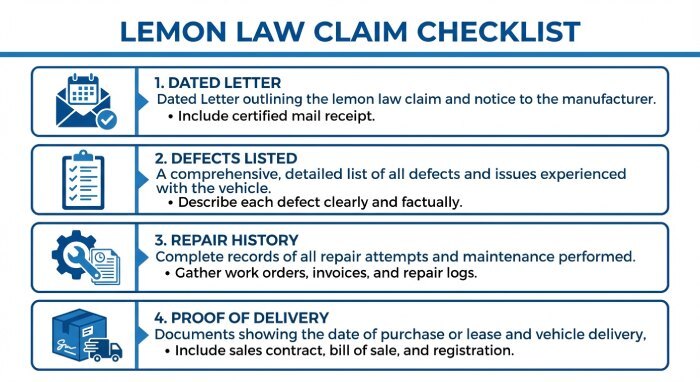
Follow the notice requirements in your warranty and state statutes. Send a dated letter or email to the vehicle manufacturer identifying the defects, repair history, and what you seek—refund or replace. Keep proof of delivery. Some states require final opportunity to repair; scheduling that final attempt can be crucial to start a claim properly.
Arbitration, mediation, and when to escalate
Many warranties require dispute resolution before a civil action. BBB AUTO LINE, administered by BBB National Programs, is a common forum used by brands like Ford, Volkswagen, and Audi. It offers mediation and arbitration options that are faster than court. Outcomes may include replacement or refund.
What to expect in BBB AUTO LINE
- File a complaint with your documentation
- Participate in mediation; if unresolved, proceed to arbitration
- Receive a written decision; if you disagree, you may still pursue a civil action depending on your state lemon laws
Related ecosystem note: BBB National Programs oversees units like the National Advertising Division and National Advertising Review Board, alongside the Center for Industry Self-Regulation and the Coalition for Better Advertising through BBB National Partners. While these do not decide lemon cases, they reflect the broader consumer protection framework that supports fair marketplace practices.
Timelines, checklists, and how to start a claim effectively
Take action during your warranty time frame and adhere to all legal timelines. Maintain documentation such as repair invoices, records of any downtime, technical service bulletins, recall notices, and any correspondence with the manufacturer. To initiate your claim, refer to the lemon law details in your warranty or submit a complaint to the Better Business Bureau. For optimal results, seek advice from a lemon law attorney to safeguard your rights and manage the claims process.
Remedies and Outcomes: Buyback, Replacement, and Alternatives
Buyback/refund procedure and mileage offsets
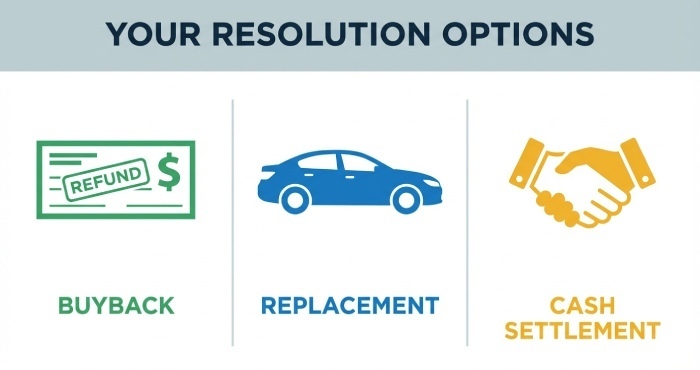
If you win, the vehicle manufacturer may be ordered to refund your vehicle or buy it back. A refund procedure typically includes:
- Return of your down payment and monthly payments (minus a mileage offset for your use before the first repair attempt)
- Tax, title, registration, and certain incidental damages
- Payoff of any loan balance
Mileage offsets and deductions are set by lemon laws by state. Ensure the calculation uses the first presentation for repair of the defect that made the vehicle a lemon.
Replacement options and cash-and-keep settlements
Instead of a buyback, you may choose to replace your vehicle with a substantially similar new vehicle. Some consumers prefer a cash-and-keep settlement if the defect is tolerable after partial fixes; this compensates for diminished value without a full refund. Replacement, refund, or cash-and-keep should reflect your preferences and the lemon law process in your state.
Attorney fees, federal backups, and what if lemon law doesn’t fit
- Magnuson-Moss Warranty Act basics: Mag-Moss lets you recover for breach of written or implied warranty, even if state thresholds weren’t met. Mag-Moss can apply to both new and used vehicles still under warranty.
- When state lemon laws don’t fit: If you fall outside a presumption period or lack a sufficient count of repair attempts, consider asserting claims under Mag-Moss, state UCC breach of warranty, or consumer protection statutes.
- Arbitration vs. lawsuit: Some Mag-Moss claims start in informal dispute resolution; others proceed directly to court, depending on the warranty terms.
If you require help with the legal system, it may be beneficial to seek advice from a qualified lawyer. For assistance in your area, you can reach out to a San Diego lemon law attorney who can inform you about your rights and alternatives.
Notes and reminders:
- Use precise language in your notice letters: request that the manufacturer refund your vehicle or replace your vehicle under applicable state lemon laws or Mag-Moss.
- Confirm deadlines: some states require you to act within the warranty term; others allow filing within a set period after delivery.
- Keep a clean chain of documentation: consistent descriptions of the defect and repair attempts help arbitrators and judges see the pattern quickly.
- Brands and resources: Many major automakers—including Ford, Volkswagen, and Audi—participate in BBB AUTO LINE. Consult manufacturer-specific lemon law resources and “Lemon Laws by State” summaries to verify eligibility and procedures.