
When various dealerships address the same vehicle issue, the results often differ significantly, much to the surprise of many drivers. Factors such as the skill level of the technicians, methods of diagnosis, types of parts sourced, and how closely they follow manufacturer protocols can all affect the repair’s effectiveness and durability.
This variation brings up crucial considerations regarding consistency, warranty protections, and overall satisfaction for customers, highlighting the importance for car owners to know what to anticipate when several dealerships are involved in resolving the same problem.
Cross-Dealership Repairs and Your Warranty
When a defect is fixed at various dealerships, manufacturers generally view the process as straightforward as long as an authorized dealer carries out the repairs and they are documented accordingly. Your factory warranty is transferable, which means any service center certified by the brand can handle the repairs, with costs covered by the manufacturer rather than the dealership.
Each visit is recorded in the OEM’s database, so you’re not required to return to where you made your purchase, even if issues come up later. However, because the quality of service and diagnostic precision can differ between locations, it’s crucial to maintain clear and consistent repair records, particularly if multiple repair attempts are made.

From the manufacturer’s standpoint, multiple repairs for the same problem are typically logged under a single warranty case. This allows for oversight across dealerships and quicker escalation if necessary.
Keeping thorough documentation such as symptoms, fault codes, and details of the repairs ensures every attempt contributes toward a solution. If the issue remains unresolved, these records can provide vital evidence, and consulting with a lemon law attorney or one of the top lemon law lawyers could help clarify your rights and guide you toward potential remedies.
Why You Might Visit Different Dealerships for the Same Issue
- Convenience and access: Scheduling a service appointment at a busy urban dealership can take weeks; servicing at another dealership closer to work may get you in sooner. Car repairs at another dealership are common when traveling, relocating, or facing limited shop capacity.
- Specialized expertise: A good dealership may have a master technician who sees your symptoms frequently, especially on a new vehicle platform. In the auto industry, some stores develop reputations for certain diagnostics, hybrid systems, or ADAS calibrations.
- Better communication: Some service departments prioritize proactive auto advice, status updates, and clear write-ups. A trusted dealership that listens carefully can reach the root cause faster.
- Pricing on non-warranty lines: While warranty work is covered by the manufacturer, many owners combine warranty service with routine maintenance like oil changes and tire rotations. Competitive pricing, labor rate transparency, and reasonable parts markup can influence where you choose vehicle service when servicing your car.
- Relationship fit: Some stores focus heavily on service after purchase to sell you your next car. CarPro Certified Dealers often emphasize long-term relationships, which many consumers value beyond the initial car buying moment.
As frequently discussed on the Car Pro Radio Show and in Dealer True Stories shared via Facebook, owners sometimes move a case to a different dealership after early misdiagnoses. That second look, paired with complete documentation, is often what finally resolves stubborn car repairs.
How Warranty Coverage Works Across Dealerships (and Whether Repair Attempts Add Up)
- Nationwide coverage: Under a factory warranty (or auto warranty), any authorized dealer can perform warranty service. You’re not restricted to the store where you were buying a car or finalized your car buying paperwork.
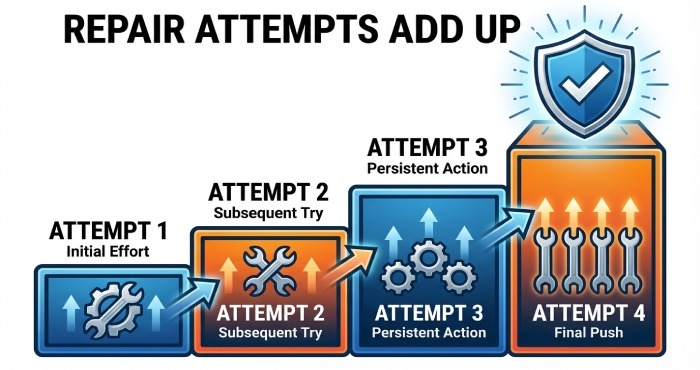
- Attempts generally accumulate: If the concern is the same, documented repair attempts at a different dealership typically count toward the total number of attempts under state lemon laws and manufacturer policies. The key is consistent symptom descriptions and proper paperwork.
- Centralized record: Manufacturers maintain service histories by VIN. When servicing vehicles at multiple locations, technicians can see prior visits, technical service bulletins (TSBs) performed, and parts previously installed.
- No “reset” for switching shops: Moving to a different dealership doesn’t restart the clock. A warranty claim trail that shows three unsuccessful repairs followed by a fourth attempt elsewhere still reads as four tries to the factory.
- Exceptions: If the symptom changes materially, or damage is caused by outside influence or modifications, coverage may be denied. The vehicle owner remains responsible for accurate disclosures and maintenance compliance to preserve vehicle protection benefits.
Warranty coverage typically follows your vehicle across all authorized dealerships, and if repeated defects persist despite multiple repairs, consulting the best lemon law lawyers can help you protect your rights and pursue a potential claim.

Operations, Costs, and Escalation When Problems Persist
Recordkeeping, Diagnostics, and Parts Consistency Between Shops
Service operations vary, but the best service departments use a consistent diagnostic path: interview the customer, verify the concern, scan for codes, follow flowcharts, and confirm the fix. When you change stores, ensure the new service department has your prior repair orders. Many brands’ internal systems share history, but hand-carrying your paperwork reduces rework and accelerates accurate warranty work.
Parts consistency also matters. If Shop A installed a revised part and Shop B reverts to an older design, you may chase the same symptom. Ask the advisor to check superseded part numbers and TSBs. In Dealer True Stories covered on the Car Pro Radio Show, mixed parts strategies especially on infotainment modules have prolonged issues that a single updated kit would have solved. Images of bustling service drives by Around the World Photos/Shutterstock underscore how critical process discipline is when multiple vehicles and techs are in play.
If you interact with CarPro channels on Facebook, you’ll see cases where listeners like Shawn McGaffigan moved a case to a different dealership and finally got resolution after the factory’s technical hotline became involved. That’s the system working: shared data, consistent procedures, and an escalated plan.
What to bring to every service appointment
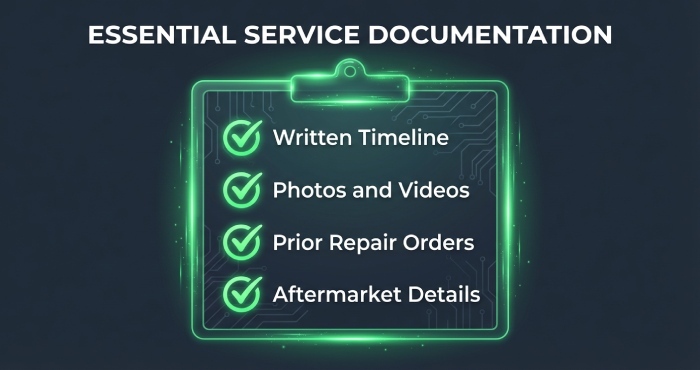
- A written symptom timeline and conditions (speed, temperature, fuel level)
- Photos or video clips capturing noises, warnings, or intermittent faults
- All prior repair orders from any dealership, including parts numbers
- Aftermarket accessory list and dates of installation
- Contact info and availability for verification drives
Costs, Responsibilities, and Common Pitfalls to Avoid
- What’s covered: Under the factory warranty, any covered car defect repaired by an authorized dealership is handled at no cost to the consumer for diagnosis or parts, aside from incidental items. Extended vehicle protection plans from partners like Chaiz (and Chaiz (Official CarPro Partner) for the CarPro audience) may have deductibles.
- Mixed tickets: Many owners bundle routine maintenance with warranty service. You’ll pay the posted labor rate and parts markup on maintenance lines such as oil changes and tire rotations. Ask for competitive pricing in writing.
- Avoiding duplication: If the new shop repeats tests already performed without adding value, push for an escalated diagnostic plan. A good dealership will use prior data to avoid unnecessary car repairs.
- Clarity on modifications: Disclose non-factory accessories. Hidden issues can complicate a warranty claim and slow approval.
- Communication gaps: When switching to a different dealership, confirm the concern line on the repair order precisely matches your symptom, not just a generic “check engine light.” That protects you if you later need to prove repair attempts.
If the Problem Persists: Escalation Paths, Lemon Laws, and Next Steps
If a defect remains after several visits across the network, escalate in this order:
- Ask the service department to open a factory case and consult the technical hotline. Request a field engineer if available.
- Involve the service manager and, if needed, the store’s general manager. Many brands care deeply about the survey from the factory that follows repairs and will prioritize resolution.
- Contact the manufacturer’s customer care line with your VIN and all repair order numbers. Keep notes of dates and representatives.
- Consider third-party diagnostics to validate the failure path, then return to an authorized dealer for final warranty work.
When statutory thresholds are met, lemon laws may apply, as state rules differ but repeated failed repairs or excessive time out of service can trigger remedies so it’s wise to seek region-specific guidance from San Diego lemon law attorneys.
Throughout, remember:
- Stay within the authorized dealer network for warranty service to keep coverage intact.
- Keep meticulous records across every dealership that touches the vehicle.
- Use respected resources. CarPro, the CarPro Shop, and the Car Pro Radio Show offer practical auto advice about servicing vehicles, choosing a trusted dealership, and navigating service after purchase.
- If you maintain professionalism and organization, most brands will resolve legitimate defects because in the end, a satisfied vehicle owner is far more likely to return for buying a car in the future.
In short, moving a persistent defect from one dealership to a different dealership is both common and supported by the manufacturer’s systems. For the vehicle owner, the keys are documentation, collaboration with each service department, and a willingness to escalate when necessary. When handled correctly, cross-dealership coordination helps preserve your rights under the factory warranty, safeguards your auto warranty benefits, and strengthens your position if you need to pursue a lemon law claim—both now and when you reach your next car-buying decision.