
Software updates are frequently marketed as fast and easy solutions for vehicle issues. However, they don’t necessarily address significant defects that fall under Lemon Law regulations. Although manufacturers might try to resolve these issues with reprogramming or patches, persistent mechanical, electrical, or safety failures can persist despite several updates.
Often, a software update merely conceals underlying hardware or design problems, leaving consumers grappling with continuous performance and reliability issues.
Software Updates and Lemon Law Defects
Software can mask, not cure, underlying faults
Over-the-air updates are increasingly common in modern vehicles, but a software patch often treats the symptom rather than the source of a lemon law defect. A defective vehicle that randomly stalls, loses power steering, or hard-resets its infotainment system may have root causes in wiring, sensors, or modules. If the manufacturer pushes code to smooth over error handling instead of replacing faulty hardware, the condition can reappear keeping the vehicle out of service and prolonging frustration.

Updates don’t change your legal rights
Even if a software update is free and completed quickly, it can still qualify as a repair attempt under a lemon law claim. When a manufacturer instructs an authorized dealer to install, inspect, or verify an update to correct the same defect, that action is generally considered part of the repair history.
If the issue continues after a reasonable number of repair attempts, you may have grounds to file a lemon law claim seeking a vehicle buyback, repurchase, or replacement under the terms of the warranty. If the manufacturer contests your claim, arbitration or other dispute resolution procedures may be required to enforce your rights.
Why manufacturers lean on software first
Software updates are fast, cheap, and scalable for a manufacturer. But if the defect requires a harness, sensor, or module replaced at an authorized repair facility, updates won’t deliver lasting defect correction and they shouldn’t delay your remedies like repurchase, buy back, or vehicle replacement when the law’s thresholds are met.
Lemon law basics in a software-defined car: what counts as a defect and when updates qualify as repair attempts

1. What is a defect in a connected, computerized vehicle?
A defect is a nonconformity that substantially impairs a vehicle’s use, value, or safety. In a software-defined platform, that includes drivetrain control glitches, braking or ADAS faults, battery management errors, or recurring screen blackouts that disable essential controls. A serious safety defect such as unintended acceleration or loss of braking assist may require expedited action under many state statutes, including the California Lemon Law.
2. When does an update count as a repair attempt?
If the manufacturer or its manufacturer’s authorized dealer applies a patch, flash, or reprogramming specifically to correct your complaint, that is a repair attempt. Multiple repair attempts for the same condition (even if each is “software only”) count toward the reasonable number of attempts standard. Keep every repair order and log each repair visit at the authorized dealer.
a. Reasonable number of attempts and out-of-service days
Most state frameworks look at both the number of repair attempts and the cumulative days the covered vehicle is out of service for defect correction during the right period. If an update triggers repeated rechecks or the car sits awaiting a module after a failed flash, those days typically count.
b. Warranty coverage, rights period, and mileage limit
Your rights arise during the rights period, usually tied to time-in-service and a mileage limit from the original purchase. The manufacturer’s warranty (or vehicle warranty) governs warranty coverage, but lemon law remedies like buy back, repurchase, or vehicle replacement are statutory.
c. Covered vehicle types (including motor home and new motor vehicle)
Most programs focus on a new motor vehicle purchased or leased for personal use. Some states cover a motor home’s chassis and drivetrain. Always confirm eligibility requirements for your covered vehicle.
Why patches rarely fix Lemon Law defects: root-cause mismatch, hardware faults, and intermittent issues software can’t cure
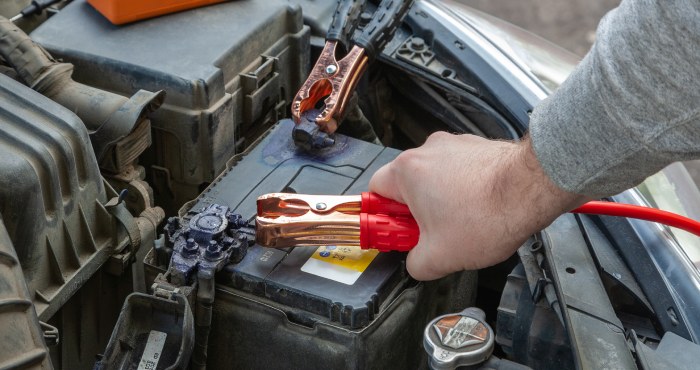
A flaky wheel-speed sensor, corroded ground, failing 12V battery, or CAN bus intermittency will continue to throw faults no matter how many recalibrations are pushed. Software might suppress a warning, but the defective vehicle still behaves unpredictably especially under load or heat.
Intermittent bugs complicate diagnosis
Intermittent failures that appear only during certain temperatures, speeds, or charge states are hard to replicate on a single visit. If the authorized dealer can’t duplicate the concern after an update, insist the concern remains open on the repair order and request extended road tests or data captures.
Defect correction versus workaround
A patch that reduces the frequency of a stall is not a cure. Lemon law focuses on whether the problem is fixed, not whether it is less frequent. When updates keep failing, the remedy may shift from more repair attempts to buy back, repurchase, or vehicle replacement.
Proving an update failed to fix Lemon Law defects: symptoms to track, repair orders, and data you should preserve
Build a strong record keeping system
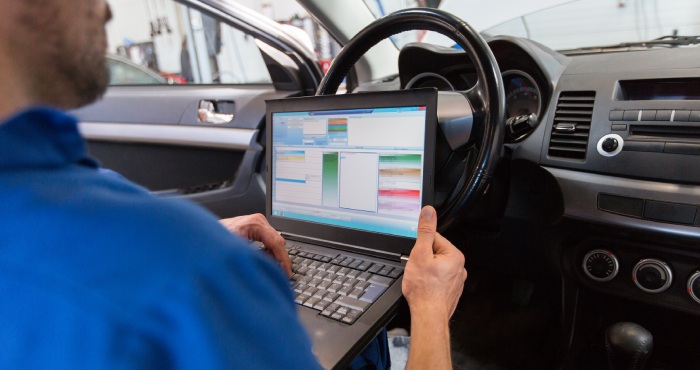
Create detailed records from day one. Note the date, time, weather, and driving conditions when the symptom occurs. Save screenshots, photos, and video of dash warnings. Keep a log of calls with the service manager, service writer, and the manufacturer’s customer care team.
What your repair order and repair receipts must include
Each repair order should list your stated symptoms, the diagnostic steps taken, software versions before/after, and any parts replaced. Obtain repair receipts showing the odometer reading at drop-off and pick-up, the number of days out of service, and confirmation that your complaint was not duplicated if applicable.
Capture objective data
Telematics logs, event data from the infotainment head unit, and battery or charging reports can corroborate that the problem persisted after a patch. This becomes vital evidence in arbitration when the manufacturer claims the issue is resolved.
Document repairs at every repair visit: Ask the service writer to include all observed symptoms verbatim. If your test drive with the technician reproduces the glitch, have it noted. If the authorized dealer performs only a software refresh, request the bulletin or TSB number attached to that action.
Use repair history to link failed updates to a pattern
Your repair history should show a consistent condition across multiple repair attempts e.g., three updates for the same ADAS fault demonstrating that the problem was not fixed and supporting a request for repurchase, buy back, or vehicle replacement.
Should multiple repair efforts not resolve the issues with your vehicle, knowledgeable lemon law lawyers can assist you in demonstrating that the repairs were unsuccessful. This can be achieved by recording ongoing problems, maintaining comprehensive repair documentation, and collecting essential vehicle information to bolster your case.
What to do when updates keep failing to fix Lemon Law defects: escalate with the dealer, request hardware diagnostics, and explore buyback or replacement options
Escalate methodically
- Start with the service manager, then the dealership’s general manager.
- Ask the authorized dealer to open a case with the manufacturer and document “no-fix-after-update.”
- If you lease, coordinate with the leasing company so the title holder is aligned on next steps.
Request comprehensive diagnostics
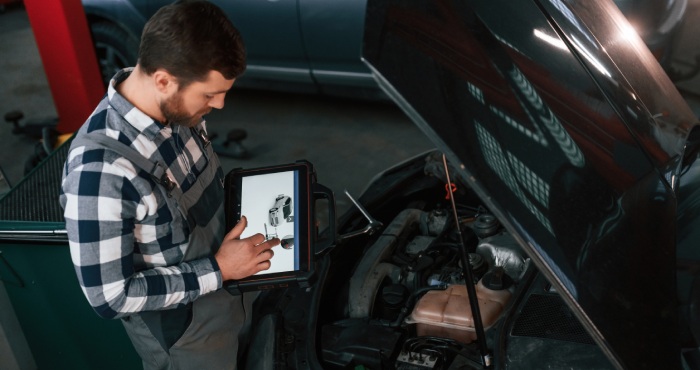
Insist on physical inspections of connectors, grounds, modules and a load test of batteries. If the concern involves safety systems, stress that it may be a serious safety defect. Hardware verification at an authorized dealer or authorized repair facility strengthens your position that updates alone cannot achieve defect correction.
Consider arbitration pathways early
Arbitration is often faster than going to court and can result in a buyback, repurchase, or vehicle replacement when repair attempts fail. In California, the state’s Lemon Law protections are enforced under the Song-Beverly Consumer Warranty Act. If a manufacturer does not resolve your complaint, you may pursue relief through a state-certified arbitration program or take legal action. Many manufacturers also reference arbitration options in their consumer protection materials as an alternative dispute resolution process.

a. Filing for arbitration through CPD
Review eligibility requirements, then begin the complaint process by filing for arbitration within the rights period.
Provide detailed records: repair orders, repair receipts, your repair history, odometer reading snapshots, and any days the car was out of service. Note whether the vehicle remains under manufacturer’s warranty and vehicle warranty, and whether it was a new motor vehicle at original purchase.
Engage counsel and assess your remedies
If the manufacturer pushes back, an attorney can help compile and present proof that repeated software repair attempts were unsuccessful and that a buyback, repurchase, or vehicle replacement is warranted.
For support, you can consult the experienced attorneys at McMillan Lemon Law Group. Their legal counsel can guide you through arbitration proceedings and help you prepare for settlement negotiations.

Practical timeline
- Week 1–2: Update fails; document repairs at the next repair visit and request hardware checks.
- Week 3–6: If the defective vehicle returns with the same issue, escalate with the general manager; ask the manufacturer to authorize deeper diagnostics.
- Week 6–10: If still not resolved, start the complaint process and consider filing for arbitration with CPD or another state forum. Continue record keeping, preserve every repair order, and track out-of-service days.
By treating software updates as just one category of repair attempt not a guaranteed fix you protect your rights under California Lemon Law to pursue a buyback, repurchase, or vehicle replacement. An experienced California Lemon Law attorney in San Diego can help strengthen your arbitration or legal claim when the manufacturer, through its authorized dealer network, fails to provide a permanent repair.