California’s Lemon Law, officially known as the Song-Beverly Consumer Warranty Act, offers protection to those who buy or lease defective vehicles—including used cars still under the manufacturer’s warranty. However, common myths surrounding the CA Lemon Law for used cars often prevent eligible consumers from taking action. By clearing up these misconceptions, you can move forward with your Lemon Law claim with greater clarity and confidence.
00:00
Myth #1: Only Brand-New Cars Qualify
Fact:
A common misconception is that the California Lemon Law is applicable solely to new cars. However, the reality is that it encompasses new, used, leased, and purchased vehicles as long as they are still covered by a manufacturer’s warranty when problems occur. Vehicles classified as certified pre-owned (CPO) and those that still have some factory warranty left are frequently included as well.
Advice from an Expert:
Always retain your warranty paperwork and maintenance records. If your vehicle experiences a persistent problem that remains unresolved after several repair efforts, you could be eligible for relief, irrespective of whether the vehicle is new or used.
Myth #2: You Must Have a Major Defect to Qualify
Fact Check:
Beyond Severe Flaws: A common misconception is that Lemon Law is limited to serious or dangerous defects.
Addresses Various Concerns: Under California regulations, any issue that notably impacts a vehicle’s functionality, worth, or safety is included.
Common Problems Are Eligible: Issues such as transmission failures, engine shutdowns, malfunctioning air conditioning, or electrical issues can qualify for coverage if they affect the vehicle’s usability or value.
Advice from Professionals:
Even seemingly “minor” defects can render your car a lemon if they remain unresolved after multiple repair attempts. It’s important not to downplay persistent issues simply because they appear trivial.
Myth #3: You Must Have Numerous Repair Attempts
The California Lemon Law mandates that reasonable attempts at repair must be made, but it does not specify an exact number of attempts. Typically, a vehicle is classified as a lemon under the following circumstances:
If serious safety problems remain unresolved after two or more repair attempts.
If there have been four or more unsuccessful attempts to fix other major issues.
If the vehicle has been out of commission for a total of 30 days or longer due to any necessary repairs.
Advice from an Expert:
Don’t delay your decision while waiting for what you think might be the “right number” of service visits. Consulting with a lemon law attorney can help determine if your situation meets the legal criteria.
Myth #4: Filing a Lemon Law Claim Is Too Expensive
Fact:
A significant number of consumers think that taking legal action under the Lemon Law will lead to unaffordable legal expenses.
However, California’s Lemon Law has a provision for fee-shifting, meaning that if you prevail in your lawsuit, the manufacturer is responsible for covering your legal fees and expenses.
Advice from a Professional:
The majority of trustworthy Lemon Law lawyers California operate on a contingency fee model and provide initial consultations at no charge. You only incur costs if they successfully resolve your case in your favor.
Myth #5: The Manufacturer Can Just Keep Denying My Claim
Fact:
Don’t Give Up After a Denial: Many car owners mistakenly abandon their Lemon Law claims when a dealership or manufacturer rejects them, assuming the decision is final.
A Denial Isn’t the End: In reality, a denial from the manufacturer or dealer doesn’t mean you’re out of options—legal rights still apply.
Lemon Law Guarantees Protection: If your vehicle qualifies, the law requires the manufacturer to either replace it or refund you—regardless of the initial denial.
Expert Guidance:
Manufacturers often use denial as a strategy. A lawyer experienced in Lemon Law can help you navigate negotiations or take legal action if necessary.
Myth #6: You Lose Eligibility If You Keep Driving the Car
Fact:
Operating your car during the process of your Lemon Law claim will not affect your eligibility for protection. Provided that the defect arose while the vehicle was still under warranty and is properly documented, you are still qualified for coverage.
Advice from an Expert:
Keep track of any additional issues, repair appointments, and the impact of the defect on your everyday life. Maintaining these records will bolster your case.
Myth #7: Arbitration Is the Only Option
Fact:
Although certain manufacturers might recommend arbitration as the sole option, in the majority of California Lemon Law cases, you are not required to pursue that path. You have the option to skip arbitration and take your case directly to civil court.
Advice from a Professional:
Consult a California Lemon Law attorney before agreeing to arbitration. While it might seem like a quick solution, arbitration often favors the manufacturer and can limit your legal options.
Empower Yourself with Facts, Not Fear
Failing to understand the nuances of the California Lemon Law could leave you stuck with a defective vehicle and added stress. However, with the guidance of a skilled lemon lawyer in San Diego and reliable legal insight, you can approach the situation with confidence and pursue the resolution you deserve. Many San Diego lemon lawyers offer free case evaluations and work on a contingency basis—only charging fees if they win your case.
Beneath the gleaming display floors and polished advertising lies a truth that numerous buyers encounter once they leave with their new car—undisclosed flaws, ongoing problems, and an exhausting loop of repairs. These situations often lead to Lemon Law claims. But what factors contribute to this issue? Often, the conflict extends beyond a defective vehicle; it involves the tactics manufacturers utilize to postpone, divert, or refuse accountability.
00:00
What Is a Lemon Law Dispute?
Lemon Laws, especially in states like California that prioritize consumer rights, are designed to protect automobile buyers when their vehicles have significant defects that persist despite multiple repair attempts.. However, even with these protections, manufacturers often use various tactics to avoid meeting their obligations. If you need expert help navigating these challenges, a Lemon law lawyer San Diego can provide the guidance and support necessary to enforce your rights.
Common Manufacturer Strategies That Lead to Disputes
In Tecate, California, common manufacturer strategies that lead to vehicle disputes often include delaying repairs, denying warranty claims, and minimizing the severity of defects to avoid Lemon Law obligations.
Delaying Repairs Intentionally
A frequent strategy used by dealerships or service centers is to prolong repair times. While this can occasionally stem from shortages of parts, it is often a calculated move intended to:
Discourage the vehicle owner, pushing them to either abandon their claim or cover repair costs themselves.
As a result, consumers frequently find themselves feeling helpless and trapped in a seemingly never-ending delay.
Minimizing the Issue in Service Reports
When you take a faulty vehicle to a dealership, having proper documentation is crucial. Car manufacturers frequently instruct dealerships to describe customer issues in unclear or ambiguous language, such as “no issues detected” or “operating as intended.” This approach downplays the seriousness of the problem and undermines your documentation.
If your service records do not clearly outline the specific issue and the efforts made to address it, it may become more challenging to build a strong case under Lemon Law.
Offering Temporary Fixes Instead of Permanent Repairs
An alternative tactic involves implementing short-term or superficial solutions. For instance:
Turning off a warning indicator without tackling the underlying issue.
Upgrading software that conceals an existing problem rather than resolving it.
Such methods are often employed to gain additional time or to create a false sense of resolution, with the original issue typically resurfacing soon after the warranty period ends.
Blaming the Consumer for the Defect
Producers frequently attempt to evade accountability by implying that the customer:
Failed to properly care for the vehicle,
Engaged in reckless driving,
Installed third-party components that led to the problem.
This strategy transfers the onus of evidence to the purchaser, making Lemon Law claims more challenging and casting uncertainty into legal matters.
Offering “Goodwill” Repairs That Come With a Catch
A common pitfall arises when manufacturers offer to repair a defect at no cost—but only if you sign a “goodwill” agreement that waives your right to pursue a future Lemon Law claim. Many consumers don’t realize that accepting such an offer can block them from seeking compensation later.
While these agreements may seem like generous gestures, a Lemon Law lawyer California will tell you they’re often designed to protect the manufacturer’s legal interests—not yours. Always consult an attorney before signing anything that could affect your Lemon Law rights.
Why These Strategies Persist
Cost Avoidance
Car manufacturers prioritize protecting their profits above anything else. The expenses associated with buybacks or replacing defective vehicles can be significant, impacting both their finances and public image. Every successful claim establishes a benchmark that could lead to additional lawsuits. To mitigate this risk, companies invest heavily in training for their dealers and legal personnel to reduce the likelihood of these situations arising.
Legal Loopholes and Technicalities
Lemon Laws vary across different states, and car manufacturers frequently exploit these differences. Certain laws emphasize the number of attempts made to fix a particular problem, whereas others take into account the overall duration the vehicle has been non-operational. Manufacturers might manipulate the repair tally by classifying ongoing problems as “new” or deliberately prolonging the resolution process. Such strategies enable them to evade their responsibilities towards consumer protection.
How to Protect Yourself Against These Tactics
Document Everything
Always request a written account of the service after each appointment. Ensure that the problem is articulated clearly, ideally in your own phrasing. When feasible, capture images or videos to bolster your case. Comprehensive documentation is your most powerful asset in any Lemon Law situation.
Don’t Sign Waivers Without Reading
Exercise caution when reviewing the details of any repair proposal. If a dealership or manufacturer suggests a “complimentary” repair, take the time to scrutinize the terms of the contract. You could inadvertently give up important legal protections by signing it. It’s advisable to seek legal advice before making any commitments.
Know Your State’s Lemon Laws
Lemon Laws differ from one state to another, making it crucial to know the protections available in your area. California boasts one of the most robust Lemon Laws, which applies to both new and eligible used cars. Understanding your rights helps you recognize when a manufacturer is avoiding responsibility, equipping you to respond appropriately.
Contact a Lemon Law Attorney Early
There’s no need to let matters escalate before you take steps. If a problem persists and the manufacturer is uncooperative, consider reaching out to a California Lemon Law attorney. Many offer complimentary initial consultations and will only charge you if you achieve a victory. Seeking legal guidance sooner rather than later can significantly impact the outcome of your situation.
Awareness Is Your First Line of Defense
While manufacturers may seem to prioritize consumer interests at first glance, they frequently implement a range of tactics behind the scenes to evade their legal responsibilities. These strategies—including altering documents and setting up traps that exploit goodwill—aim to confuse, postpone, and redirect attention.
To combat these covert approaches and safeguard your rights under Lemon Law, it’s essential to remain knowledgeable, keep a record of all communications, and obtain legal advice when needed.
Car owners often find it incredibly frustrating to cope with a malfunctioning vehicle. When a car repeatedly requires repairs without a lasting fix, it becomes more than just an inconvenience—it can compromise your safety, drain your finances, and disrupt your peace of mind. Fortunately, California’s Lemon Law offers strong consumer protection to help you avoid being stuck with a defective vehicle. If your car keeps returning to the shop for the same issue, a California Lemon Law attorney can help you determine whether you’re eligible for compensation, a refund, or even a vehicle replacement.
00:00
This piece guides you through your entitlements, defines what constitutes a “lemon,” and explains how to transform your annoyance into a just legal solution.
Understanding Lemon Laws
Lemon laws aim to safeguard buyers who acquire or lease new (and, in certain states, used) cars that do not meet acceptable quality and performance standards. While these regulations differ across states, they typically mandate that manufacturers must fix faulty vehicles after a reasonable number of attempts.
What Is Considered a “Lemon”?
A vehicle is deemed a “lemon” when it possesses a major flaw that adversely impacts its usability, worth, or safety. This may include serious issues with essential components such as the engine, transmission, brakes, or other vital systems that hinder the vehicle’s proper operation. The problems must be significant rather than merely superficial or trivial.
For a vehicle to be classified as a lemon, it must have experienced several repair attempts for the same defect within a designated timeframe or mileage threshold, or it should have been inoperable for over 30 days due to repairs. The key consideration is that the defect persists even after the manufacturer or dealer has been given a fair opportunity to fix the issue.
When Repeated Repairs Become Unacceptable
It’s typical for newly purchased cars to need small tweaks. However, ongoing and unresolved problems indicate a more significant concern.
The Number of Repairs Taken into Account
According to various state lemon laws, such as California’s, a vehicle may be classified as a lemon if:
The same issue has been unsuccessfully fixed four times or more, or
The defect presents a serious safety hazard and has been addressed two or more times, or
The car has spent a total of 30 or more days in the repair shop during the warranty period.
While each state sets these criteria differently, they all strive to provide manufacturers with an opportunity to rectify the problem before requiring them to repurchase or replace the vehicle.
Your Rights as a Consumer
When facing the possibility of owning a lemon, certain rights are guaranteed to you that must be honored by manufacturers and dealerships.
Entitlement to Refund or Replacement
Should your vehicle be classified as a lemon, you have the right to receive a refund for the purchase price, which includes applicable taxes and fees, or to obtain a replacement vehicle of similar value. Typically, the decision rests with you, although some manufacturers might prefer one option over the other.
Right to Legal Assistance
You are entitled to seek legal representation, and often, if your claim is upheld, the manufacturer is responsible for paying your attorney’s fees. This provision ensures that you can access legal support even if you cannot afford to hire a lawyer initially.
Access to Documentation
You have the right to obtain all repair documentation and records pertaining to your vehicle. These documents are essential for substantiating your case, so it’s important to always request and retain copies of:
Work orders
Invoices
Correspondence with the dealer or manufacturer
Dates and lengths of each service appointment
Building a Strong Lemon Law Claim
If you suspect your vehicle in Jacumba Hot Springs is a lemon, it’s important to act promptly and strategically.
Step 1: Keep Detailed Records
Start by maintaining comprehensive records, such as a detailed repair history. Make sure to note the dates of every trip to the service center, provide a clear description of the problem, document all repair efforts and any parts that were substituted, and keep track of the duration your vehicle was inoperable. This kind of documentation is essential and can greatly influence the outcome of your case.
Step 2: Notify the Manufacturer
In many states, it is necessary to inform the manufacturer of the problem in writing. This serves as their last opportunity to rectify the situation. Typically, this notification needs to be dispatched through certified mail and must contain copies of all relevant documents.
Step 3: Seek Legal Advice
Seek advice from a knowledgeable California lemon law lawyer to assess your circumstances. These experts are well-versed in the intricacies of state laws, adept at managing negotiations, and can represent you in arbitration or court if necessary.
The Importance of Acting Quickly
Claims under lemon laws are governed by specific time and mileage restrictions that differ from one state to another, yet they generally adhere to a common structure. Usually, a claim needs to be submitted during the duration of the original manufacturer’s warranty. Additionally, many states impose further constraints, mandating that action be taken within 18 to 24 months after purchasing the vehicle or before it accumulates 18,000 to 24,000 miles—whichever comes first.
Timeliness is vital, as delaying your claim may lead to losing your chance for compensation. If your vehicle continues to have issues and you postpone filing, you risk missing the eligibility period set by either the warranty or state regulations. Therefore, it’s important to initiate a lemon law claim as soon as you believe your vehicle might meet the necessary criteria.
Turn Your Lemon Into Legal Leverage
Dealing with a faulty vehicle can be incredibly frustrating, but you have legal protections in place. If you’ve faced multiple unsuccessful repair attempts, you might qualify for a refund, a replacement vehicle, or even extra compensation. It’s crucial to know your rights, keep thorough records, and seek assistance from a Best lemon law attorney San Diego.
Avoid the cycle of repeated visits to the mechanic or unfulfilled assurances from car dealers. Empower yourself by understanding your rights, taking decisive steps, and turning your frustration into just compensation.
Acquiring a vehicle in California should be a stress-free experience. You naturally anticipate that your car will be safe, dependable, and function as promised. However, what do you do if your vehicle becomes a lemon, riddled with ongoing issues, constant repairs, and wasted time and finances?
00:00
The good news is that California boasts some of the most robust Lemon Laws in the nation. Plus, starting with a complimentary Lemon Law assessment could be your initial move toward holding manufacturers responsible—and possibly saving you a significant amount of money along the way.
What Is a Lemon Law Evaluation?
A Lemon Law assessment is a complimentary consultation with a California Lemon Law lawyer or legal professional experienced in California’s Lemon Law. During this meeting, the attorney will:
Examine the history and repair documentation of your vehicle.
Assess whether your situation meets the criteria set by the California Lemon Law.
Clarify your rights and the legal avenues available to you.
Provide an estimate of possible compensation options, which may include a refund, a replacement vehicle, or a cash settlement.
Following this consultation regarding the California Vehicle Lemon Law, you are not required to take any additional actions. This meeting serves as a free chance for you to better comprehend your rights and legal position under California’s Lemon Law.
How Do You Know If You Have a Lemon?
According to California’s Lemon Law, officially referred to as the Song-Beverly Consumer Warranty Act, a vehicle—whether new or used—can be classified as a lemon if:
It is still covered by the original manufacturer’s warranty,
It has a significant defect that affects its safety, usability, or value,
The manufacturer or dealership has tried several times to fix the issue without success, or
The vehicle has been inoperable for 30 days or more due to repairs.
It’s important to note that this law encompasses new vehicles, certified pre-owned cars, and certain used vehicles that come with a warranty.
Why a Free Evaluation Is So Valuable
Eliminate Costs from Continuous Repairs
Numerous consumers find themselves spending extensive time—sometimes even years—attempting to fix issues with a faulty vehicle, often incurring out-of-pocket expenses for ongoing problems. A San Diego Lemon Law attorney can assist you in recovering costs related to repairs, towing, and rental cars that should not have been your financial burden.
If your vehicle is classified as a lemon, you may be eligible for a buyback from the manufacturer, which could reimburse you for your down payment, monthly payments, registration costs, and more. Alternatively, you may receive a replacement vehicle without any extra charges. This can result in savings that reach into the tens of thousands of dollars.
Compel Manufacturers to Act Responsibly
Handling the situation by yourself often leads to frustrating interactions with unhelpful dealerships or manufacturers who may deny or postpone your claims. A free evaluation connects you with legal experts familiar with the intricacies of Lemon Law, who can assist in collecting the required documentation and pressuring manufacturers to resolve matters fairly.
No Fees, No Worries
One of the most advantageous aspects? The majority of Lemon Law attorneys in California operate on a contingency fee basis, meaning they only receive payment if you win your case. Furthermore, state law may require the manufacturer to cover your legal expenses, relieving you of that financial responsibility.
What You Need for a Lemon Law Evaluation
To maximize the benefits of your complimentary consultation, it’s advisable to prepare the following documents in advance:
Your purchase or lease contract.
Warranty information for your vehicle.
A history of repair visits, detailing dates, reported issues, and actions taken.
Repair orders and invoices received from the dealership.
Any correspondence with the manufacturer or dealer regarding the issue.
If you happen to lack some of these documents, a knowledgeable Lemon Law attorney can frequently assist you in locating them.
Real Californians, Real Results
Many drivers in California have successfully taken back their vehicle ownership thanks to complimentary evaluations under the Lemon Law. For instance, a family in San Diego was compensated $28,000 after facing multiple engine issues with their SUV, while a commuter from Los Angeles received a new vehicle because of persistent brake troubles.
In Fresno, a small business proprietor managed to obtain a complete buyback for their truck, which compensated for both lost workdays and personal expenses. All of these positive results started with a simple, free legal consultation—the initial move towards a fruitful Lemon Law claim.
Take the First Step Toward Justice
If you think your car could be defective, it’s important to act quickly before the situation deteriorates or your legal rights lapse. Taking advantage of a complimentary Lemon Law assessment can shed light on your options and determine if you qualify for a refund, replacement, or compensation.
Given that vehicle repairs and replacements can cost a fortune, utilizing this free service might be one of the smartest financial choices you’ll ever make.
In California’s automotive industry, consumers may be deceived by attractive offers and assurances, overlooking obscure provisions in contracts that restrict their rights. These stipulations typically favor dealers and manufacturers, complicating the process for buyers seeking recourse when problems occur. Understanding your rights is essential for standing up against these challenges.
The Rise of Hidden Clauses in Auto Contracts
Numerous consumers believe that the warranties and consumer rights associated with their new vehicle offer complete protection.
Mandatory Arbitration Agreements: Numerous purchase agreements have clauses that mandate disputes be handled through arbitration rather than in court, which restricts a consumer’s right to sue.
As-Is Sales Language: Those buying used cars might be caught off guard by “as-is” statements, which can forfeit much of their legal options, even if the vehicle was misrepresented.
Waivers of Class Action Rights: By agreeing to certain terms, consumers may inadvertently relinquish their right to participate in class-action lawsuits, leaving them to address issues on their own.
Limited Warranty Disclaimers: Certain contracts may subtly limit warranty coverage in ways that are not adequately explained to buyers.
This law protects buyers of new and certain used vehicles with recurring defects that affect use, value, or safety; if the issue isn’t fixed after reasonable repair attempts, the buyer may qualify for a refund or replacement. It applies to new and certified pre-owned vehicles under factory warranty—including cars, trucks, SUVs, motorcycles, and some RVs—and covers attorney fees if the consumer wins.
The Consumers Legal Remedies Act (CLRA) prohibits misleading practices in sales transactions, including false advertising or failing to disclose essential information during the selling process.
Under the Unfair Competition Law (UCL), consumers have the right to take legal action against businesses that engage in fraudulent, unfair, or unlawful practices, even if there was no breach of a specific contract.
The Magnuson-Moss Warranty Act is a federal law that enhances protections in California by making it unlawful for manufacturers to invalidate warranties because of unauthorized repairs or modifications.
How to Spot Hidden Clauses
Understanding the important elements in contracts can assist consumers in steering clear of potential issues. Some critical warning signs to watch for include:
Sections containing fine print with emphasized legal terminology
Mentions of external arbitration firms
Expressions such as “waives right to trial,” “as-is,” or warranties that are “non-transferable”
Vague warranty durations or exclusions regarding particular components or systems
It’s advisable to obtain a copy of the purchase agreement prior to signing and examine it carefully—or even better, have a legal professional assess it.
Arbitration: A Silent Weapon Against Consumers
Mandatory arbitration clauses, frequently included in auto contracts, obligate consumers to resolve conflicts through private arbitration rather than utilizing the public court system. Although arbitration might appear to be a quicker and more cost-effective option, it predominantly benefits corporations for various reasons.
Secrecy: Arbitration outcomes are typically kept confidential and cannot be appealed.
Partial arbitrators: A significant number of arbitrators are frequently employed by the same corporate clients, leading to possible conflicts of interest.
Significant initial costs: Consumers may face substantial fees just to initiate the arbitration process.
In Alpine, San Diego, it is essential for consumers to remain alert and take initiative in identifying and contesting arbitration clauses. This comes as California lawmakers work to limit their abuse and as courts are paying more attention to their fairness.
In Alpine, San Diego, it’s crucial for consumers to stay informed and proactive when it comes to spotting and challenging arbitration clauses. As California lawmakers push for stricter limits on their misuse and courts increasingly scrutinize their fairness, working with a knowledgeable California Lemon Law attorney can help ensure your rights are protected.
Beating the Auto Giants: Steps Every Consumer Should Take
Document Everything
It’s important to keep a record of all your interactions with the dealership, starting from your initial visit and continuing through each service appointment. Be sure to save any sales materials, receipts, repair documents, and communications such as emails or text messages, as these can serve as crucial proof if any disagreements arise.
Request a Vehicle History Report
Particularly with pre-owned vehicles, obtaining a history report from CARFAX or AutoCheck can reveal past accidents, recalls, or title problems—crucial details that, if inaccurately presented during the sale, could lead to significant issues.
Insist on Full Disclosure
Request that the dealer go over each term in the contract with you. If they seem hurried or unwilling to provide explanations, take that as a warning sign. Always avoid signing a contract when you feel rushed.
Consult a Lemon Law Attorney
Many San Diego Lemon Law attorneys offer free initial consultations and work on a contingency fee basis—meaning they only get paid if you win your case. An experienced attorney can determine if your vehicle qualifies for Lemon Law protection, dispute arbitration clauses, negotiate buyback or replacement terms, and take legal action when needed to secure the compensation you deserve.
Ford Motor Company (2023): A consumer who bought a new truck that experienced ongoing transmission issues was awarded over $1.5 million after the company failed to perform satisfactory repairs despite several attempts.
Tesla Arbitration Ruling (2024): A court in California determined that Tesla’s arbitration clause could not be enforced because it lacked transparency during the buying process, thus permitting the consumer to pursue legal action in court.
Used Car Dealership Penalty (2022): A used car dealership in Los Angeles faced penalties for selling cars with tampered odometers and concealing damage, even though their contracts included “as-is” language.
Advocating for Stronger Consumer Rights
Legislators in California are taking steps to enhance consumer rights through new legislation that seeks to eliminate mandatory arbitration clauses in automotive agreements, ensure more transparent warranty information, and increase penalties for deceptive sales practices. Individuals can contribute by reaching out to their elected officials, participating in advocacy organizations, and keeping informed about changes in the law.
While auto manufacturers and dealerships might seem untouchable, consumers in California have the legal power to hold them accountable. With the help of a skilled California Lemon Law lawyer, they can uncover hidden terms, assert their rights, and challenge deceptive fine print with confidence, knowledge, and determination
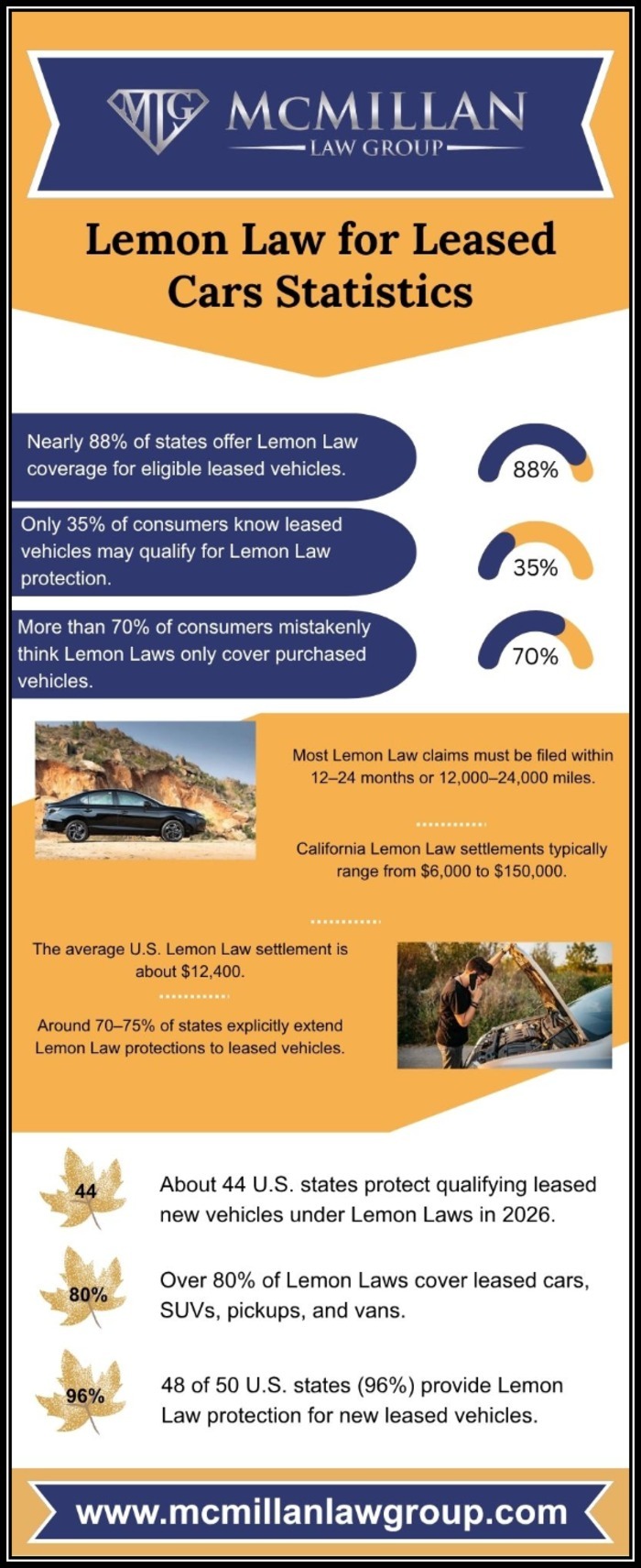
Acquiring a new vehicle, whether through purchase or lease, marks a thrilling achievement that brings enhanced convenience, mobility, and independence. However, issues may arise if your newly leased car is found to be faulty, leading to ongoing repairs, safety worries, and valuable time spent at the dealership. Thankfully, if you live in California, the Lemon Law exists to safeguard your interests. Many people are unaware that this law not only covers bought vehicles but also provides essential protections for leased automobiles.
This article will delve into the application of the California Lemon Law for leased cars, outline the actions that lessees can pursue if they discover their vehicle is defective, and emphasize the importance of seeking guidance from a knowledgeable California Lemon Law attorney to protect your rights.
Understanding the California Lemon Law
The Song-Beverly Consumer Warranty Act, commonly referred to as the California Lemon Law, is among the most robust consumer protection statutes in the U.S. It provides recourse for individuals who buy or lease new or pre-owned vehicles that consistently do not meet quality and performance expectations, as long as these vehicles are still within the manufacturer’s warranty period.
According to this legislation, if a dealership or manufacturer fails to fix a significant defect covered by the warranty after making a reasonable number of attempts, the consumer may be eligible for a refund, a replacement vehicle, or monetary compensation.
Do Leased Cars Qualify for Lemon Law Protection?
Certainly! California’s Lemon Law is applicable to leased cars in Point Loma, California. This legislation encompasses both new and pre-owned vehicles that are leased or bought mainly for personal, family, or domestic purposes, provided they are still covered by the manufacturer’s warranty. If your leased vehicle in Point Loma has significant defects that impact its usability, worth, or safety, and the manufacturer does not resolve the problem after a reasonable number of attempts at repair, you could have a legitimate basis for pursuing a Lemon Law claim.
Key Conditions for Leased Car Lemon Law Claims
In order to be eligible for Lemon Law protection in California for a leased vehicle, specific requirements must be fulfilled:
The lease must originate in California.
This law is applicable only if the vehicle is leased from a dealership located within the state.
The defect should significantly affect the vehicle’s use, value, or safety.
Minor cosmetic flaws usually do not meet this criterion. Significant defects may include issues with the transmission, engine breakdowns, brake system failures, or electrical problems.
Adequate attempts to repair the defect must have been made.
The manufacturer or an authorized dealership needs to be given a reasonable chance to rectify the defect, generally requiring at least two to four attempts based on the severity of the problem.
The vehicle must have been out of operation for repairs.
If the vehicle has been in for warranty-related repairs for a cumulative total of 30 days or more (not necessarily all at once), it may also qualify under this law.
Rights and Remedies for Leased Vehicle Owners
If your leased vehicle is deemed a lemon, you have rights similar to those of buyers. These rights can include:
Vehicle Replacement: You might receive a similar vehicle from the manufacturer at no extra charge.
Refund: You could be eligible for a refund of all lease payments made so far, including taxes, registration fees, and other costs, with a deduction for mileage.
Early Lease Termination: The manufacturer might be obligated to pay for the early termination of your lease without any penalties.
Incidental Expenses: You may also be able to claim expenses related to the defect, such as towing fees, rental car costs, and repair expenses.
The Importance of Documentation
Regardless of whether you purchased or leased your car, maintaining detailed records is crucial for a successful Lemon Law claim. This is especially important for lessees, who should keep copies of their lease contracts, service and repair invoices, rental car receipts, and any correspondence with the dealership or manufacturer.
Moreover, it’s vital to document the problems you’ve encountered, including the dates of every repair attempt. Being organized with this information can greatly enhance your case by clearly demonstrating a consistent pattern of issues and your attempts to address them.
How a Lemon Law Attorney Can Help
Why You Need a Lemon Law Attorney for Your Leased Vehicle
Dealing with a defective leased car under California’s Lemon Law can be overwhelming. A skilled attorney can evaluate your case, handle all communication with the manufacturer or dealership, and build a strong legal argument by organizing necessary documentation. Their expertise increases the chances of securing a favorable outcome—whether through settlement or court action.
No Upfront Cost: Legal Help Without the Financial Burden
Most San Diego Lemon Law attorney work on a contingency basis, meaning you don’t pay anything upfront. If your case is successful, the manufacturer is legally required to cover your attorney fees—making professional legal support both accessible and risk-free.
Why Acting Promptly Matters
If you believe your leased car is defective, it’s important to take action promptly. In California, there is a time limit for filing Lemon Law claims—generally four years from when you first notice the problem. Delaying your action could undermine your case or even prevent you from receiving any compensation.
By acting quickly, your lawyer can collect the essential paperwork and initiate negotiations while the problems are still fresh and clearly recorded.
Protect Your Rights as a Lessee
California Lemon Law Lawyer offers strong safeguards for consumers, including individuals who lease their vehicles. If you find yourself with a leased car that frequently encounters mechanical problems, it’s essential to be aware of your rights as the initial move toward finding a solution.
You shouldn’t have to accept a malfunctioning vehicle or keep paying for one that fails to meet expectations. By keeping records of repairs, standing up for your rights, and pursuing legal assistance, you can make the manufacturer answerable and obtain the compensation you’re entitled to.





















 certified pre-owned vehicles” width=”700″ height=”370″ />