Navigating the complexities of the legal system and enforcing your rights under California’s Lemon Law can be even harder. There are certain mistakes that you should absolutely avoid making if you want to win a lemon law case. If you want to win, then you should never make these mistakes. California lemon law lawyer will help you avoid some common mistakes that can destroy your chances to get relief under California’s Lemon Law.
Keep reading and you’ll find out about some of the major difficulties that arise when a customer wants to return or replace their car. You’ll also learn how to avoid making mistakes in this process.
Failing to Ensure That Your Customer Complaints are in the Service Report
Reporting your complaints about a vehicle to a dealership is essential, and it’s easy to overlook. But if you forget, or the dealership doesn’t bother to put your complaints on the service report, you can only proceed with your claim if you have proof that those complaints occurred.
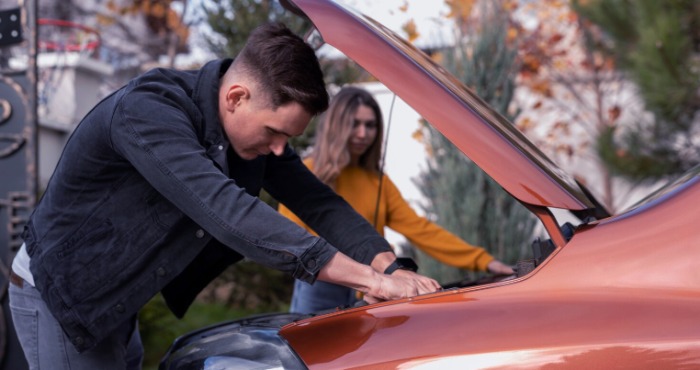
Once you return from the service appointment and get your car back, make sure to review the service report in detail. The report should include what has been done to the car, the mileage on the odometer, and a general explanation of any complaints or attempted repairs. Check that your complaint is recorded on the report before you go, if it isn’t, you may have difficulty filing a Lemon Law claim later.
buyback-2262.jpg” alt=”complaints or attempted repairs” width=”700″ height=”370″ />
Described Problems are Not Clear
When you’re preparing to initiate a lemon law claim, remember that it’s important to be careful. Dealership service departments are not always trustworthy and might say something different about the problem(s) being fixed than what you know to be true. Bring along someone more knowledge about cars and get the service department to be as specific as possible about the diagnosis and repairs performed.
To avoid confusion, it is best to be as specific as possible when you have a complaint. If the problem is on the left side of the vehicle, for instance, note that the problem affects the front part of the vehicle. That way, the customer and mechanic will know exactly where work needs to be done.
Not Adding Important Information On the Notice of Non-Conforming Conditions
Motor vehicle defects, or “Nonconforming Conditions,” happen when something is wrong with the car. A defect can be anything from a leaking oil pan to an engine light on. Defects only happen when the car is used in a “reasonable” way, not for any unauthorized use, like driving off-road or using it as a runway. The manufacturer is responsible for repairing these issues.
If you have a complaint, your best option is to write up a “Notice of Nonconforming Condition” and send it to the authorized repair facility. The notice should include information on the vehicle, the nonconforming condition (defect), and any attempts to address the defect. It is not necessary to contact the manufacturer for this information.
You need to make sure that the following information is used:
The make, year, model of your vehicle
The non-conforming condition
The repair facility name and the name of the technicians that carried out the repair
Continuing to Repair Even After Two Failed Repair Attempts
The California Lemon Law offers protections for consumers. The law provides a two-repair trial, meaning the manufacturer must fix the same problem twice before the consumer can seek a replacement the third time. If the same problem is repaired two or more times and still does not work, it can cause injury or death. Essentially, the consumer is running out of time.
Lemon laws come into play when the vehicle needs to be returned for more than two visits. You need to prove that the manufacturer has had a chance to fix the defect with the last repair attempt. If you plan on returning for another visit, the manufacturer might argue that they deserve one more shot at fixing the defect which could easily delay or terminate any compensation that you may be entitled to.
Lemon Law cases can be tricky. You need to consult with a lemon law California lawyer before you present paperwork to the manufacturer because you’re at risk for two possible outcomes: the judge could rule in your favor, or they could throw out the case on a technicality.
Conclusion
The lemon law process is arduous and has many pitfalls to fall into. As a consumer, you may not have much experience participating in legal proceedings. This is why it is imperative to consult with a lemon law attorney before starting the claim process. A consultation with a lemon law lawyer in California may help you understand your situation and what the next steps are.
If your new or used car has an issue, it is vital to understand what your rights are. If you bought a car from a seller who is not a licensed dealer, you may believe that the California lemon law does not apply. However, this is not the case. Whether you are buying from a private seller or a dealer, it is important to understand your rights and how to protect yourself. In this post, our California lemon law attorney tells you if the California lemon law applies to private vehicle sales.
Consumers who buy new cars are protected in California by the State Lemon Law, which provides remedies for buyers who discover serious problems with their vehicles shortly after purchasing them. However, the Lemon Law doesn’t apply to other popular consumer purchases, such as private sales of used vehicles. As a result, buyers of used cars may be left without much recourse if they discover serious problems with their vehicles.
What Does the Lemon Law Cover?
One major factor to consider when purchasing a new vehicle is safety. You should never have to worry about your car breaking down or being unsafe to drive. However, if your car has more hours in the shop than on the road, it might not be worth it. Lemon Laws are present in every state and protect consumers from buying irreparable vehicles. Lemon Laws allow you to request a replacement or refund of the vehicle.
Created in 1984 by the United States government to protect consumers from fraud perpetrated against them by car dealers and manufacturers. It’s important to know that the law covers any vehicle from cars to motorcycles. If you’ve endured multiple repairs only to have the vehicle break down again, then you might be entitled to damages under your state’s lemon law.
California’s Lemon Law For Used Cars
The lemon law only applies to new cars, but it may still apply to used cars depending on their mileage and warranty coverage. California’s lemon law doesn’t apply to used cars with over 18,000 miles unless they are still covered by the manufacturer’s warranty. If a pre-owned car has an expired warranty or less than 18,000 miles, it qualifies as a lemon according to our lemon law California attorney.
“As Is” In Private Lemon Law Sales
The Magnuson-Moss Warranty Act, also known as lemon law, entitles defective-vehicle buyers to benefits if the defect occurred within the terms of the warranty. In other words, if a vehicle is under warranty when it becomes defective and the defect proves to be covered by the warranty, the buyer can seek lemon law benefits by contacting a lemon law attorney California.
You know when you buy a car and they say there’s no warranty? Well, that’s called “as is.” It means the buyer is taking full responsibility for any defects. If you want a warranty, you have to buy it separately from the dealership before your purchase. In California, dealerships are required by law to disclose the “as is” agreement on their buyer’s guide.
Private Sales Vs. Dealership Sales
There are legal differences between dealerships and private sellers. When a person buys from a licensed dealer, they’re protected by state and federal consumer protection laws because the dealer is a business. However, when a person buys from a private seller, the car will be sold “as is,” which isn’t as great of an option given that there’s no warranty.
Purchasing something “as is” may seem like an appealing idea, but it doesn’t always work out. The seller isn’t responsible for any issues that arise after the sale. However, this is not always the case. For example, if the seller lied about the condition of the vehicle and misrepresented the vehicle, then you could have a fraud claim.
How to Prove that Your Private Vehicle Sale is a Lemon?
The seller may have known of a defect, but just didn’t disclose it. You should look for any service records to prove this.
You need a title and bill of sale to sell your car. All vehicles must have a Certificate of Title from the Registry of Motor Vehicles (RMV) along with an endorsement at the time of sale.
You just purchased a car, but it failed the inspection. You’re understandably disappointed, but don’t worry. In some cases, you can get your purchase price refunded. If your vehicle’s repair estimate exceeds 10% of its original cost, you may be eligible for a refund.
Final Words
The California lemon law applies to all new and used cars, trucks, vans, and other motor vehicles purchased or leased in California, including private party sales if they apply. If you have a problem with a vehicle that was purchased or leased in California, and the problem is covered by the California lemon law, then the lemon law may apply to your situation and a lemon law attorney in California can help. Contact the McMillan Law Group office for more information on your specific situation.
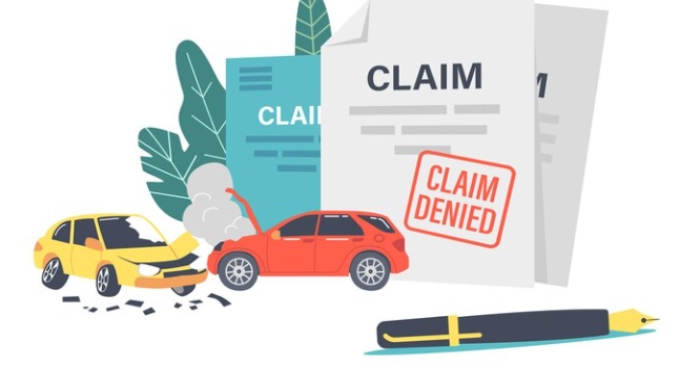
In California, a lemon car is a vehicle that doesn’t conform to the warranty or that has been repaired multiple times for the same issue. The law provides protections against lemons so you can get your money back if yours doesn’t live up to expectations. Here’s what happens when a lemon car gets in an accident, and the steps you can take to protect your rights and get a replacement vehicle with the help of a California lemon law lawyer.
Car accidents are the leading cause of death in the United States. Every day, thousands of people die and countless others are injured. This means that their loved ones must go through unimaginable emotional pain. Beyond the monetary costs, car accidents are a leading contributor to a major cause of death in America. Furthermore, defects are more difficult to pin down post-accident.
Did the Vehicle Have a Defect?
You purchased a car from a manufacturer that promised a safe and reliable vehicle, but now you’re the victim of a car accident. If the car was improperly installed or inadequately designed, you may be able to claim against the manufacturer with the help of a lemon law California attorney. Automakers are obligated to provide a reasonable fit product for their intended purpose. If your car was unsafe to drive regularly, you may need to take a legal claim against the manufacturer.
If you’ve been driving for a while, you’ve probably heard about some of the car defects that can cause accidents. While defective tires and braking systems are common causes, there are more – including defective computer systems that cause sudden unexpected acceleration, defective tires, and more.
You Can File a Claim Against the Seller or the Dealer
When product defects occur, it’s not always just one company’s fault. In some cases, the defect in the product is due to the manufacturer of the car, but it could also be due to other parties. For example, the car lot that sold you the car may have been at fault for not catching the defect when you bought it. The component that failed could also be from a supplier for the car manufacturer.
When after-market parts cause your car to crash, the manufacturer of the parts might be at fault. If you installed:
Different tires
Headlights
Taillights, or
Suspension
…the company that sold and installed these parts could also be liable. This is especially true if they recommended you buy the part and have them install it.
Defects that Can Lead to a Lemon Law Claim
When something goes wrong with your car, it may not just be because it’s old. There are a few possible reasons for your component failure. As a result of a manufacturing defect, something might not work when you need it the most. If there is a design defect, meaning that the vehicle was poorly engineered, it might fail to start working at all.
If the manufacturer doesn’t follow specifications during production, the difference can be unreasonably risky.
In a design defect, the product was manufactured to specifications but is still deemed to be risky.
This difference matters because it determines what you must prove. Manufacturers are responsible for creating products that won’t hurt consumers under any circumstances. Designers must create safe products or options that would be cheap and strong to produce.
Filing for a Lemon Law Claim
It’s more complicated to file a claim for a defective product than it is for an ordinary car accident. There are different rules and regulations and the following elements must be proven:
The defect existed before the car left the manufacturer
The car was used in a way that the manufacturer intended it to work
California state holds manufacturers strictly liable for injuries caused by product defects. If a supplier, distributor, or retailer notices a defect in their product, it is imperative that they stop selling the item. The manufacturer is responsible for all related costs.
Conclusion
Buying a car creates a commercial relationship between you and the manufacturer. After all, you’re the one who paid for it. This means that any defects in the car that your injury stemmed from will hold them liable for your damages.
While it is true that auto accidents can be caused by a variety of factors, defective vehicle parts are often to blame. If you’ve been hurt in an accident and you think that the damage was done by a faulty part, don’t give up hope. You may have a claim against the manufacturer or seller of that part. Whether you bought the car from the manufacturer or from a third party, you could be entitled to damages. including for your own injuries and for injuries to others.
If you have been in a car accident or your product has caused an injury, you may need the help of a lemon law attorney in California. To maximize your chances of success, and get the best result, you will need an attorney in California.
If you live in the United States, you have undoubtedly experienced the aggravation of a defective vehicle. Whether the problem is a minor inconvenience or something more serious like an engine fire, many people who buy new cars can relate to the stress that comes along with having to deal with car issues. As a way to protect consumers from faulty vehicles, every state has a lemon law. In California, there are very specific time limits to follow when filing a Lemon Law claim. Reasons for filing a claim change from state to state, however, the process is usually the same. When purchasing or leasing a new or used car, you have some protection from manufacturer defects with the Lemon Law. Our lemon law attorney San Diego explains if there is a deadline to file the lemon law.
Deadline to File for the California Lemon Law
The state of California has a statute of limitations for how much time you have to file a lawsuit based on the “Lemon Law” clause in the California Civil Code. This usually gives you four years to file a lawsuit, but it can vary depending on the type of warranty.
You can’t file a lemon law claim if your car warranty is done, but you’re not out of luck just yet. If your car is still under warranty, you can file a claim against the manufacturer. If you wait too long, you may find yourself without the chance to file a lemon law claim and stuck with a lemon.
Delaying Can Damage Your Lemon Law Claim
The statute of limitations for California lemon law claims is important to understand. If a consumer is planning to buyback the vehicle, they should not wait too long. The reason for this is that, under California’s lemon law statute, the consumer must establish that their car, truck, or SUV has a defect that the manufacturer has been unable to repair and that “substantially impairs” its use, value, or safety.
To protect your legal rights and increase your chances of success, if you think you own a lemon car, contact an experienced lemon law lawyer immediately. They will discuss the viability of your claims and help you decide what action to take next.
When Does the Time Limit Start?
Consumers need to know that your rights as a vehicle owner start as soon as you realize your vehicle is defective. Manufacturers will argue that your time limit starts from the date of purchase or lease. However, the California Court of Appeal has found that the time limit starts as soon as you should have realized that your car was a lemon.
You have a right to file a lemon law claim if your vehicle is defective after the warranty has expired. For example, if you realized that your car is defective two months before your car warranty expires, you can still file a lemon law claim. You can do so as long as you identified the defect while your vehicle was still under warranty. The California Lemon Law prevents consumers from suing for any defects that arise after four years from the date of purchase. If four years pass and a lemon law claim have not been made, then under California law, the consumer will most likely be barred from pursuing a lemon law claim.
How Long Does The Lemon Law Process Take?
Unfortunately, it is impossible to predict the amount of time one will spend working on a Lemon Law claim. Settling these cases is usually concluded within 1-2 months or even less with the help of a lemon law attorney San Diego CA, however, manufacturers are rarely so easy to persuade. Most often negotiations are required and it can take up to a year to resolve a case.
The legal process could take months, but for consumers, the wait is worth it. The Lemon Law will put manufacturers in a legally-binding position to buy back or replace a defective vehicle. Manufacturers are often unhappy about this, but it’s usually worth the wait because of the threat of litigation.
How can the McMillan Law Group Help?
You have a case, but you’re not sure how long it will take. You need to speak with the best California lemon law attorney. When you visit McMillan Law Group, they will be able to give you a more accurate estimate for your situation and time frame.
Tragically, you have a lemon of a car. You lease it or own it, but either way, your new vehicle seems to have problems no matter how many times you bring it into the dealership. The McMillan Law Group is here for you. We have helped vehicle leasers across California get the money they deserve after discovering that their new cars are lemons. We can guide you through the process from beginning to end to ensure that you achieve your desired outcome.
While California’s lemon law system has numerous advantages to the consumer, it actually suffers from some very serious disadvantages that make it incredibly difficult for those who don’t know how to handle the legal system.
It is common for the consumer and vehicle manufacturer to disagree about the number of unsuccessful repair attempts. Manufacturers will often rely on consumers to use a state-sponsored arbitration program to resolve claims that they have not met the standard set by their own warranty provisions. Arbitration can be risky if you do not know anything about it. This is why our California lemon law attorney explains the arbitration process.
What is the California Lemon Law?
The California Lemon Law is a statute that protects car owners in the state from having to pay for a problematic vehicle. This law covers both new and used cars, either purchased or leased, as long as the new vehicle warranty period hasn’t ended. The law states that if you have serious problems with your car and you take it in to get fixed several times, but this does not resolve what’s going on with the car, then you have the right to have it replaced or repurchased by the manufacturer at little to no cost to you personally.
What is Lemon Law Arbitration?
If you’re a California resident and your vehicle needs repairs, you might be able to use arbitration to get them done. This is a process where both parties go to a neutral third party to solve their dispute. The arbitrator will decide whether the manufacturer has made a reasonable number of attempts to repair the product and what should be done about it. You can also consult a lemon law attorney in California to discuss what you can do.
If the consumer agrees to this process, the manufacturer will have to comply with the arbitrator’s decision. The state-certified arbitration programs help arbitrators resolve vehicle warranty problems fairly and quickly.
buyback-car-value-6721.jpg” alt=”Lemon Law Arbitration” width=”700″ height=”370″ />
What are the Different Types of Arbitration?
If you are considering applying for Lemon Law Arbitration, it is important to understand the notification process. In order to begin the arbitration process, you must notify the dealer or manufacturer that your vehicle is a lemon. If the manufacturer responds within seven business days, you must allow them to make one final repair attempt.
State Lemon Law Arbitration Program
If you have a car with a serious defect that your dealer can’t seem to fix, you may be able to take it to the state Lemon Law Arbitration Program. In order to qualify, your car must have been bought less than two years ago or still have a manufacturer’s warranty. If the arbitrator decides your car is a lemon, you’ll get a full refund. If they decide it’s not a lemon, you won’t get anything.
Manufacturer Sponsored Arbitration Program
You will also have the option of requesting manufacturer-sponsored arbitration. Through this process, the arbitrator can award you further repairs, a partial refund, or a full refund. Should you be unsatisfied with the manufacturer’s final decision, you will have the opportunity to request state arbitration by consulting your lemon law California attorney.
Is the Arbitration Process Free?
If you have a lemon law case in California, the arbitration process is a free and simple way to resolve your dispute. Even though manufacturers fund the program, California has made it completely free to begin the arbitration process. This way, the manufacturers can’t influence the outcome of your case.
Many consumers who seek assistance with a defective vehicle are directed to their automakers’ customer service or warranty guides. While arbitration is not mandatory, it is strongly recommended by automakers. This should tell you a lot about whether or not arbitration is in your best interests.
What Do You Need for the Arbitration?
If you have a problem with your new car, you might be able to solve it with arbitration with the help of a lemon lawyer in San Diego. Some car manufacturers provide an arbitration application with the vehicle information packet when you buy or lease the car. You can also get an application from the manufacturer’s arbitration program or the Arbitration Certification Program website. To file a claim for arbitration, there are various requirements you must meet.
Contact Our Lemon Law Attorneys California
If you think you’ve purchased a lemon car, our California lemon law attorney at McMillan Law Group is here to help you. We understand just how frustrating it can be when you’re dealing with a lemon, and we want to do everything in our power to secure the best possible result for your case. We take the time to inform you of what you can expect, whether we negotiate out of court or take your case to trial.
After you purchase a new car, it should stay in top shape for many years to come. Unfortunately, problems with the vehicle are sometimes unavoidable. When you buy a car, you expect it to be reliable. If your new car breaks down often, it can be frustrating and expensive. It doesn’t have to be that way, though. A California lemon law lawyer can help you out when your new vehicle is constantly in the shop or has a seemingly infinite number of issues.


 buyback-2262.jpg” alt=”complaints or attempted repairs” width=”700″ height=”370″ />








 buyback-car-value-6721.jpg” alt=”Lemon Law Arbitration” width=”700″ height=”370″ />