
Red Flag #1: The Arbitration Clause Limits Your Legal Rights
A lemon law claim can be weakened before it begins if the contract or arbitration clause narrows your legal rights. Some purchase, lease, lease-to-own, or warranty documents try to steer consumers into arbitration without clearly explaining whether the arbitration process is optional, mandatory, binding, or connected to an official lemon law program.
In California, including residents of Mariposa County, consumers can review guidance from the California Department of Consumer Affairs and other state consumer resources to better understand warranty rights, dispute resolution options, and lemon law protections. By carefully reviewing warranty documents, arbitration provisions, and repair records, vehicle owners can better determine whether a defective vehicle may qualify for a refund, replacement, or other remedies after a reasonable number of repair attempts under California law.
Check whether the clause conflicts with the lemon law program
A red flag appears when the clause suggests you cannot seek a refund, cannot file a complaint, or cannot pursue another legal remedy after arbitration. A legitimate lemon law program should not mislead you into giving up rights that the statute preserves. If the request-for-arbitration form, contract, or fact sheet appears inconsistent with the lemon law guide, pause before signing.
For example, in California, consumers may encounter manufacturer-sponsored arbitration programs as well as dispute resolution processes connected to state consumer protection laws. Before agreeing to arbitration, it is important to compare the procedures, eligibility requirements, and available remedies. If a manufacturer’s private arbitration program offers fewer protections or limits certain rights that may be available under California lemon law, that difference can significantly affect the outcome of a claim.
Red Flag #2: The Arbitrator Appears Biased Toward the Manufacturer
Warning signs of an uneven arbitration hearing
During an arbitration hearing, watch for signs of possible bias, such as the arbitrator interrupting your testimony, dismissing safety concerns, overlooking the vehicle’s repeated repair history, or permitting the manufacturer to submit evidence that would not be allowed for you. In California, arbitration programs are intended to provide a fair and neutral process for resolving warranty disputes. If you believe the arbitrator is limiting your opportunity to present evidence or failing to follow proper procedures, document the issue and keep records that may support your claim.
Keep notes about tone, procedure, and evidence rulings
Write down who attended, what was said, what documents were accepted, and whether the arbitrator treated both sides consistently. These details may be important if you later seek legal services or challenge how the arbitration process was handled.
Red Flag #3: You Are Asked to Sign Away Your Right to Sue
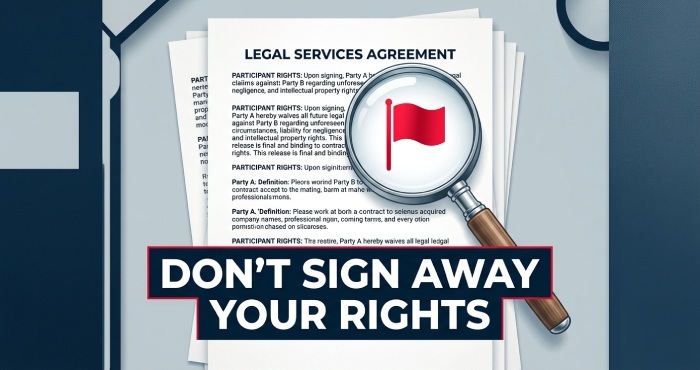
Be cautious before signing any release offered by the manufacturer, dealer, or arbitration program. Some agreements may waive important rights, including future lemon law claims, lawsuits, or additional remedies. Review any settlement terms carefully before accepting them.
This is particularly important for used cars, new vehicles, leased vehicles, farm equipment, and wheelchairs, as different warranty and lemon law rules may apply. California consumers should review warranty documents and applicable consumer protection resources to ensure a settlement fairly reflects the remedies available under the law.
Red Flag #4: The Process Rushed You Before You Gathered Evidence
A defective vehicle case is evidence-driven. If the manufacturer pressures you to submit the request-for-arbitration form immediately, attend arbitration quickly, or accept a hearing date before you collect repair records, that is a serious concern. The request-for-arbitration form should help frame your complaint, not trap you into an incomplete presentation.
Evidence to gather before filing
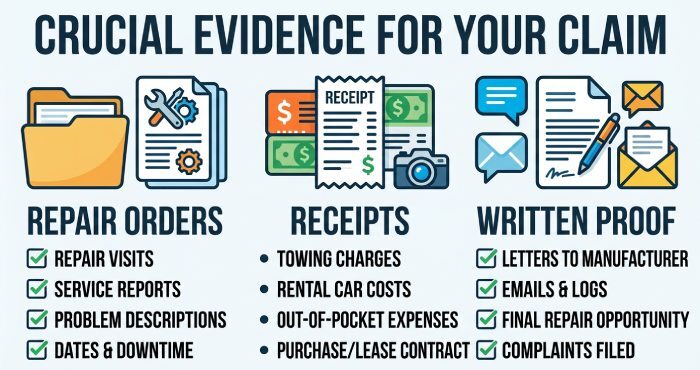
Before filing the request-for-arbitration form, collect:
- repair orders from every authorized dealer visit
- warranty claims and diagnostic notes
- dates the vehicle was out of service
- photos, videos, and warning-light records
- communications with the manufacturer
- towing, rental, and incidental expense receipts
- the purchase or lease agreement
- mileage records relevant to the refund amount
If your defective vehicle has not yet been through a reasonable number of tries, speak with the authorized dealer and manufacturer in writing so the record is clear. The repair timeline often determines whether lemon law protections apply.
Red Flag #5: Important Repair Records or Expert Reports Are Missing
Missing repair documents can make a strong lemon law claim look weak. The arbitrator needs a clear timeline showing each defect, each repair attempt, and whether the authorized dealer duplicated the concern. If a repair order simply says “could not verify” while your videos or expert report show the defect, include both.
A manufacturer may argue that the defective vehicle was fixed, abused, modified, or not covered. Without repair records, the arbitrator may struggle to calculate the refund amount or decide whether the manufacturer had enough opportunities to repair the problem.
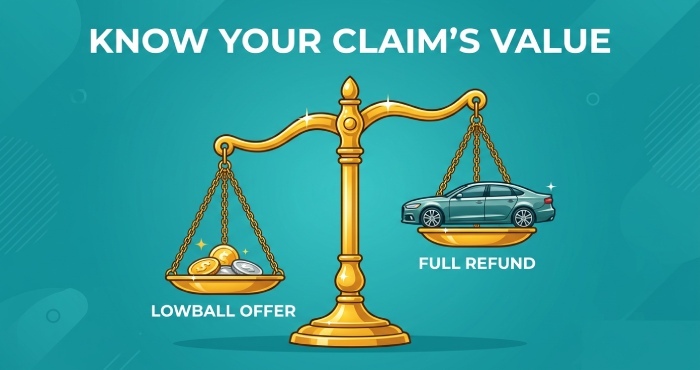
Red Flag #6: The Proposed Award Is Less Than What Lemon Law Allows
A proposed arbitration award may be a red flag if it offers only additional repairs, a small cash payment, or a trade-in credit when a refund or replacement may be available under lemon law. For leased vehicles, review whether excess wear and damage charges have been improperly included. If the award excludes recoverable costs such as taxes, fees, registration expenses, or other amounts allowed by law, consider obtaining legal guidance before accepting the decision.
Consumers in different states should seek local advice. For example, a California consumer may consult a san diego lemon law lawyer, while consumers comparing broader representation options may speak with a lemon law lawyer or look for the best lemon law attorney for their jurisdiction.
Red Flag #7: You Are Pressured to Accept a “Final” Decision Without Legal Review
Feeling rushed to agree to an arbitration ruling can be a concerning indicator. If a manufacturer, dealer, or arbitration organization pressures you for immediate approval, it’s wise to take a moment to thoroughly examine the decision, since it could impact your refund, ownership of the vehicle, and legal entitlements under the lemon law.
Prior to accepting a final ruling, ensure you contrast it with your initial arbitration request, documentation of repairs, and refund assessments. If key evidence is overlooked, details are inaccurately represented, or the manufacturer is granted further repair chances without a valid rationale, consulting with a legal expert might be beneficial to safeguard your rights.