
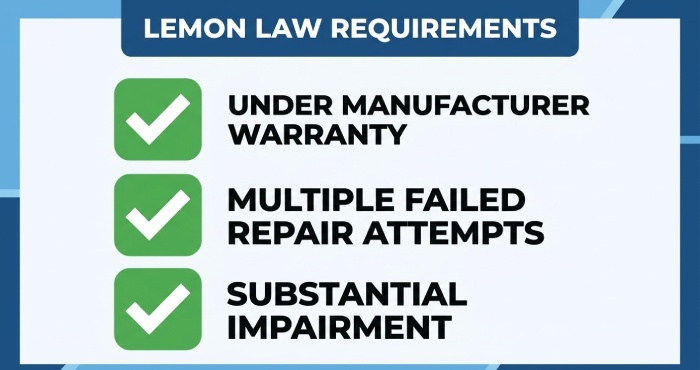
A defective fuel system is more than an inconvenience—it can create serious vehicle safety concerns, reduce reliability, and affect the use, value, or safety of a car. Under California lemon law, a fuel-related vehicle defect may support a lemon law claim when the issue appears during the manufacturer warranty, the dealer cannot fix it after a reasonable number of attempts, and the problem substantially impairs the vehicle.
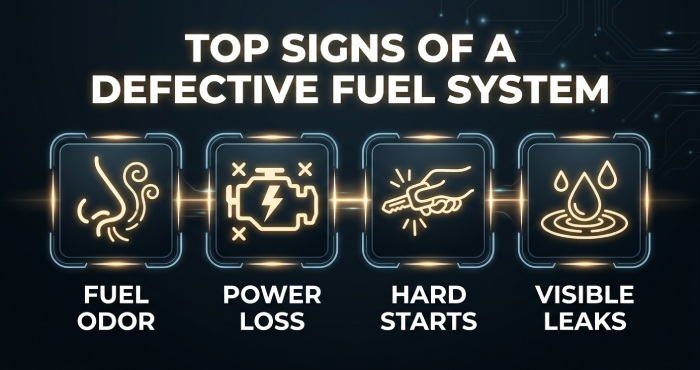
Warning Sign #1: Persistent Fuel Odor Inside or Around the Vehicle
When a Fuel Smell Becomes a Substantial Defect
If a fuel odor continues after multiple warranty repair visits, it may qualify as a substantial defect under California Lemon Law. Documented complaints, repair attempts, replaced parts, and time the vehicle was out of service can help support a claim. Even if a dealer notes that the issue could not be duplicated, repeated repair records may still be important evidence when evaluating eligibility for a buyback, replacement, or refund.
Warning Sign #2: Repeated Stalling, Hesitation, or Loss of Power While Driving
Stalling, hesitation, surging, or sudden loss of power can point to a fuel pump failure, clogged injectors, fuel pressure regulator defect, software calibration issue, or other defective vehicle parts. These problems can appear in a new vehicle, used vehicle, certified pre-owned model, demonstrator vehicles, dealer-owned vehicles, or even qualifying business vehicles.
Why Power Loss Can Support Lemon Law Relief
Repeated stalling, especially at freeway speeds or intersections, can create serious safety risks and may support a California lemon law claim if repairs fail to resolve the problem. Whether the issue involves the fuel system, engine controls, or related components, a lemon law attorney can review the repair history and determine if the manufacturer had a reasonable opportunity to fix the defect. If the vehicle qualifies as a lemon, the owner may be entitled to a refund, replacement vehicle, and reimbursement for certain related expenses.
Warning Sign #3: Hard Starts or No-Start Problems Linked to Fuel Delivery
A vehicle that cranks for too long, starts only intermittently, or refuses to start may have fuel delivery problems. Common causes include weak fuel pressure, defective injectors, faulty sensors, contaminated fuel system components, or a failed fuel pump replacement part.
What to Document When the Vehicle Will Not Start
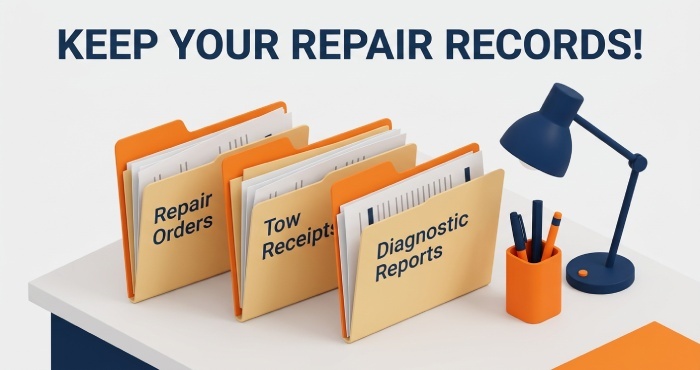
Owners should keep records of repair dates, mileage, warning lights, and tow incidents, especially when a no-start problem continues under warranty after multiple repair attempts. If the defect cannot be fixed within a reasonable time, a lemon law lawyer can help determine whether the vehicle qualifies for protection under California’s Lemon Law.
Warning Sign #4: Sudden Drops in Fuel Efficiency Without a Clear Cause
A sudden decline in miles per gallon may signal a fuel leak, injector malfunction, fuel trim problem, sensor defect, or emissions-related failure. While poor fuel economy alone may not always create a strong lemon law case, it becomes more significant when paired with fuel smell, stalling, warning lights, or repeated dealer visits.
Fuel Economy Problems and Warranty Coverage
If the dealer replaces a fuel injector, pump, sensor, or other replacement part under warranty coverage, keep every invoice. A pattern of fuel-related repair attempts may show that the vehicle contains defective vehicle parts affecting performance and reliability.
Warning Sign #5: Check Engine Light Returning After Fuel System Repairs
Repeated Warning Lights Can Strengthen a Lemon Law Claim
When an authorized repair facility repeatedly clears codes, updates software, or installs a replacement part without fixing the root cause, the vehicle may fit the pattern of defective vehicles covered by California lemon law. A returning check engine light may also create emissions compliance problems and resale concerns.
Key Records to Preserve
Keep repair orders, diagnostic reports, dealer communications, and rental or loaner receipts that show the problem continued over time. These records can help a lemon law or auto fraud attorney assess whether the manufacturer or dealer violated consumer protection laws. If a dealer concealed known fuel system issues, failed to disclose a prior buyback, or hid recurring defects, the case may involve both auto fraud and California Lemon Law claims.
Warning Sign #6: Visible Fuel Leaks or Signs of Defective Fuel Lines, Pumps, or Injectors
Fuel Leaks and Defective Vehicle Parts
Fuel leaks are among the clearest examples of defective vehicle parts affecting vehicle safety. If the vehicle is still within manufacturer warranty, repairs should be performed promptly under warranty coverage. However, if the leak returns after multiple repair attempts, the case may warrant review under California lemon law.
When Manufacturer Responsibility Becomes Clear
Manufacturers and the vehicle manufacturer are responsible for honoring the manufacturer’s warranty and correcting covered defects. If a fuel leak keeps returning, the owner should not be trapped in endless repairs, prolonged repair delay, or unsafe driving conditions. A California lemon law attorney can assess whether the owner is entitled to a refund or replacement, civil penalties, or other relief in civil court.
Warning Sign #7: Multiple Failed Repair Attempts That May Support a California Lemon Law Claim
How a Lemon Law Lawyer Evaluates Failed Repairs
A lemon law lawyer reviews repair records, warranty coverage, the severity of the defect, and whether the manufacturer had a reasonable opportunity to fix the problem. They may also assess repair delays, parts shortages, and out-of-pocket expenses. While California consumer agencies provide general guidance, legal representation can be valuable when a manufacturer disputes responsibility or denies a claim.
If your fuel system problems involve a qualifying new vehicle, used vehicle, certified pre-owned vehicle, dealer-owned vehicles, or business vehicles, the next step may be a case review. The Best Lemon Law attorney San Diego can evaluate whether your repair history supports compensation, a buyback, or another remedy under California lemon law.