
Demo vehicles may seem like a smart alternative to new vehicles because they often cost less and still include a manufacturer warranty. However, demonstration vehicles, leased vehicles, certified pre-owned vehicles, and other used vehicles may have hidden wear, prior repairs, or serious vehicle defects that could lead to California Lemon Law concerns.
Way #1: Calling Demo Vehicles “Nearly New” Without Clarifying Prior Use
Why “Nearly New” Can Be Misleading
A dealership may describe demo vehicles as “nearly new” because they have never been titled to a retail buyer. That phrase can obscure the fact that demonstration vehicles may have accumulated mileage through test drives, manager use, service loaner use, or short-term promotional driving.
Demo vehicles are not always the same as new vehicles in practical terms. They may have been driven aggressively by multiple people, parked outside for months, or used in conditions the buyer never agreed to accept. Under California Lemon Law principles, the details matter: mileage, prior repair attempts, warranty start date, and whether the manufacturer warranty remains intact.
Way #2: Emphasizing Discounts While Downplaying Mileage and Wear
The Discount May Not Reflect the Risk
Dealers often market demo vehicles with phrases like “huge savings,” “manager special,” or “low-mileage deal.” A discount can be legitimate, but it should be weighed against mileage, tire wear, brake wear, cosmetic damage, and possible hidden vehicle defects.
Demo vehicles and used vehicles may have suffered more wear than the odometer suggests. A BMW, Mercedes, or Mini Cooper demo may look pristine on the lot, but repeated short test drives can create mechanical stress. If a dealer focuses only on monthly payments and avoids discussing the vehicle’s history, car buyers may miss important purchase protection issues.
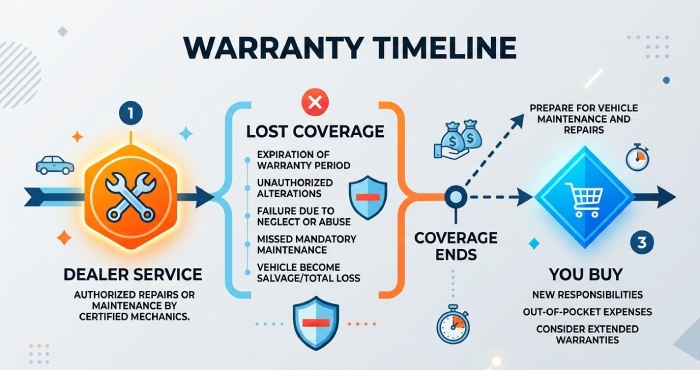
Key Questions Buyers Should Ask
Ask the dealership for a written use history, prior repair records, inspection reports, and the exact date the manufacturer warranty began. If the dealer refuses, that may raise concerns about auto fraud or nondisclosure.
Way #3: Presenting Manufacturer Warranties Without Explaining Coverage Limits
Warranty Language Can Sound Stronger Than It Is
Many demonstration vehicles are sold with a manufacturer warranty, but the coverage may have started before the buyer purchased the vehicle. In some cases, the warranty clock begins when the dealer first puts the demo vehicle into service, leaving less remaining coverage than expected. Similar issues can affect leased vehicles, certified pre-owned vehicles, and certain used vehicles sold with limited warranty terms.
A dealer may advertise that a vehicle is “still under warranty” without fully explaining shortened coverage periods, warranty exclusions, or prior repair history. Under the California Lemon Law, repair attempts made during the manufacturer warranty period can be important, and a lemon law lawyer may determine whether the consumer qualifies for a refund, replacement vehicle, or other compensation for recurring vehicle defects.
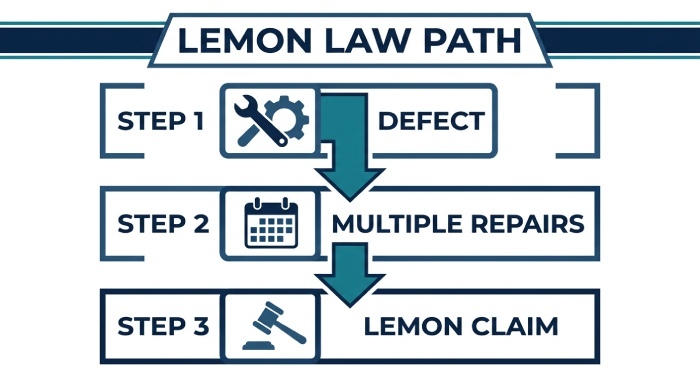
Way #4: Avoiding Disclosure of Repairs, Test Drives, or Employee Use
Missing Repair History Can Hide a Bigger Problem
Some dealerships fail to fully explain whether demonstration vehicles were repaired before sale. Prior repairs may involve electrical issues, engine warnings, transmission concerns, infotainment failures, brake problems, or water leaks. These vehicle defects may later reappear after the buyer signs the contract.
A demo car used by dealership employees or sent repeatedly to a repair shop may carry a history that is highly relevant to a Lemon Law case. California law generally favors transparency when material facts affect the value or safety of a vehicle.
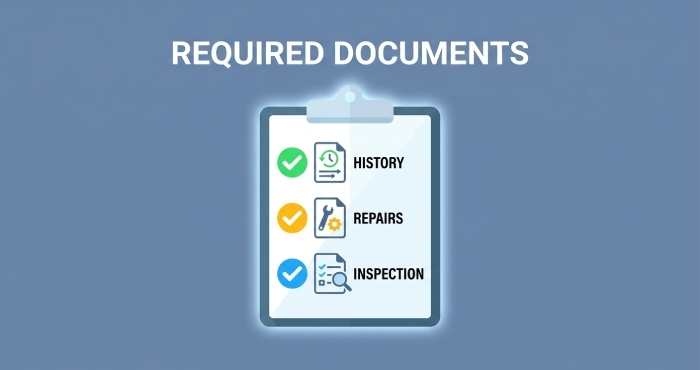
Documents That Matter
Buyers should request repair orders, warranty claim history, pre-sale inspection records, and any internal notes showing complaints during the vehicle’s demo period.
Repeated Repairs Are Red Flags
Multiple repair attempts before or shortly after purchase may support a lemon law claim if the same substantial defects continue.
Way #5: Using “Certified” Labels to Create a False Sense of Security
Certified Does Not Mean Defect-Free
Dealerships sometimes market demo vehicles alongside certified pre-owned vehicles to increase buyer confidence. However, certified pre-owned vehicles are still used vehicles and may have prior defects, repair histories, or limited warranty coverage despite passing an inspection process.
Terms like “certified” and multi-point inspections do not guarantee a defect-free vehicle. Certified pre-owned vehicles, demonstration vehicles, leased vehicles, and other used vehicles may still qualify as lemon cars when recurring vehicle defects are not repaired after a reasonable number of repair attempts under the California Lemon Law.
Certification Should Be Verified
Ask what was inspected, who performed the inspection, whether any repairs were completed, and whether the manufacturer—not just the dealership—backs the certification.
Way #6: Framing Demo Cars as Smart Deals Without Discussing Lemon Law Concerns
A Good Price Does Not Eliminate Legal Risk
Demo vehicles are frequently promoted as cost-effective options compared to brand-new cars, typically featuring reduced prices and warranty support from manufacturers. However, dealerships might not adequately inform customers about the California Lemon Law implications that could occur if the vehicle experiences significant and persistent issues.
According to California Lemon Law legislation, a demo vehicle in Mariposa County can qualify for Lemon Law protection if the defects substantially impair the vehicle’s use, value, or safety, and the manufacturer is unable to fix the issues after a reasonable number of repair attempts.
Way #7: Rushing Buyers Through Paperwork That May Limit Their Options
Contract Pressure Can Reduce Buyer Awareness
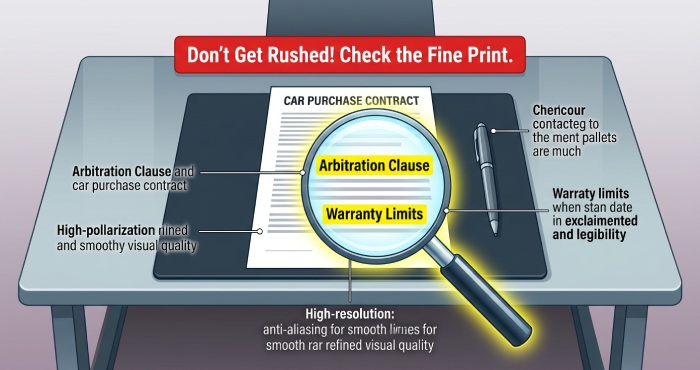
Car dealerships frequently instill a sense of urgency during demonstrations of their vehicles, leading customers to miss crucial information such as arbitration clauses, warranty restrictions, odometer readings, and paperwork identifying the vehicle as used. This is particularly important for leased vehicles and certified pre-owned ones, which might come with different warranty terms compared to new vehicles.
It’s essential for buyers, including service members of the U.S. Armed Forces who move often, to thoroughly check if the manufacturer’s warranty is valid throughout California. A lemon law attorney can review the sales agreement, warranty documents, and repair records to assess their potential impact on any claims.
Way #8: Failing to Explain When to Contact a Lemon Law Lawyer for California Demo Vehicles
When Legal Help Becomes Important
Dealerships often do not inform customers about when they should reach out to a lemon law attorney in San Diego, California. Seeking legal advice early can be beneficial if demonstration vehicles exhibit ongoing issues, warning indicators, safety hazards, or persistent performance failures while still under the manufacturer’s warranty.
A California lemon law attorney San Diego may help buyers pursue compensation, a replacement vehicle, refund, repurchase, or settlement for demo vehicles, leased vehicles, certified pre-owned vehicles, lemon RVs, and other warranty-backed used vehicles with ongoing repair issues.