
If your vehicle claim has been rejected, you still have avenues to pursue. A Lemon Law ruling is not always conclusive; often, you can dispute the decision via an appeal, arbitration, or legal proceedings, depending on the regulations in your state. It’s crucial to be aware of deadlines, necessary documents, and the legal basis for your appeal to safeguard your rights and increase your chances of obtaining a refund, replacement, or compensation.
When and why to appeal
When challenging a Lemon Law ruling, it’s important to clarify what you are disputing — whether it’s an automaker’s arbitration decision, an administrative verdict, or a judgment from a trial court, as each type has specific timelines and strategic considerations.
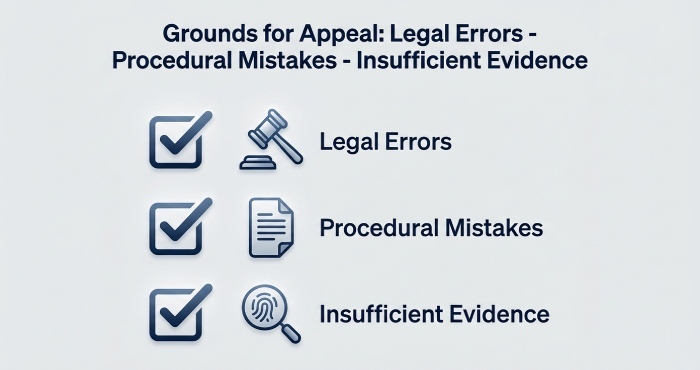
Common justifications for an appeal can include errors in law, mistakes in procedure, conclusions that lack evidence, or remedies that are inconsistent with legal statutes, such as incorrect mileage adjustments under California’s Lemon Law. Having thorough documentation and evidence of significant defects is essential.
Legal obligations differ from one state to another, yet seasoned Lemon law lawyers recognize that the Song-Beverly Consumer Warranty Act necessitates that consumers demonstrate a major defect, a considerable reduction in usability, value, or safety, along with a reasonable number of failed repair attempts to be eligible for a refund or vehicle replacement.
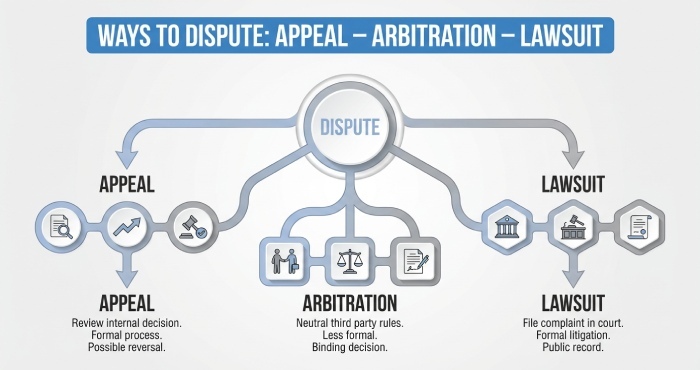
If the arbitration process offered by the California Dispute Settlement Program is nonbinding, pursuing a lawsuit may present a new avenue for recourse. Experienced lawyers also assess claims under the Magnuson-Moss Warranty Act to seek further remedies, including the possibility of recovering attorney fees.
The appeals path: deadlines, forums, and standards of review
Deadlines and forums
Deadlines in a Lemon Law appeal are short. Calendar the moment you receive a decision:
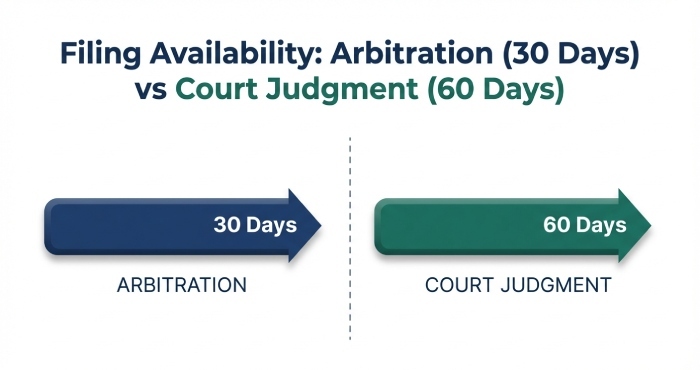
- Administrative/arbitration challenges: often 30 days for a petition or trial de novo
- Court judgments: typically 30–60 days to file a notice of appeal
Forum selection depends on the decision you’re challenging. Some manufacturer programs (including CDSP offerings used by BMW, Mini Cooper, and Rolls Royce) allow a trial de novo after arbitration; other programs, such as those associated with Fiat Chrysler Automobiles brands (Alfa Romeo, Chrysler, Dodge, Jeep, Mopar, Ram, SRT), Honda/Acura, and Mercedes–Benz, may require specific administrative steps before court.
Administrative decisions can go to a designated appeals board or to the trial court via petition. Trial court judgments go to the state appellate court. In all scenarios, file a timely notice of appeal, confirm service requirements, and make sure the record-designation forms and fee deposits are submitted with your filing appeals.
Standards of review, stays, and use deductions
Expect a record-based review. In an appellate court, legal questions are often reviewed de novo, while factual findings receive deference under substantial evidence or abuse-of-discretion standards.
Arbitration awards may have only narrow statutory grounds for challenge unless your jurisdiction allows you to sue anew. Ask about stays and supersedeas bonds to pause enforcement while the Lemon Law appeal proceeds, and verify how use deductions, mileage offsets, and incidental or consequential damages are treated during the appeal.
California specifics under Song-Beverly
Under the California Lemon Law—formally the Song-Beverly Consumer Warranty Act—the buyback formula includes a use deduction based on miles driven before the first qualifying repair attempt. Special considerations may apply to certified pre-owned vehicles and an electric vehicle with battery or range defects.
Manufacturer notification and adherence to program prerequisites (e.g., CDSP or comparable arbitration options) can affect the forum you choose and the standard of review. Always file a precise notice of appeal, identify the appealable order or judgment, and ensure compliance with California Rules of Court on record preparation and appellate briefs.
Strategy and help: choosing counsel, alternatives to appeal, and practical tips
Retain an attorney who focuses on Lemon Law, warranty dispute litigation, and manufacturer programs. Experienced counsel knows how BMW, Mini Cooper, Rolls Royce, Mercedes–Benz, and Fiat Chrysler Automobiles brands (Alfa Romeo, Chrysler, Dodge, Jeep, Mopar, Ram, SRT), as well as Honda/Acura, administer arbitration and mediation—and how those choices affect a later Lemon Law appeal.
Ask for a candid merits review, the likely standard of review, and a timeline and budget before filing. For local guidance, San Diego Lemon Law attorneys and other regional resources can coordinate with a San Francisco Lemon Law lawyer or out-of-area co-counsel when venue or manufacturer programs require it. Many Lemon Law attorneys work on contingency or rely on statutory fee-shifting.
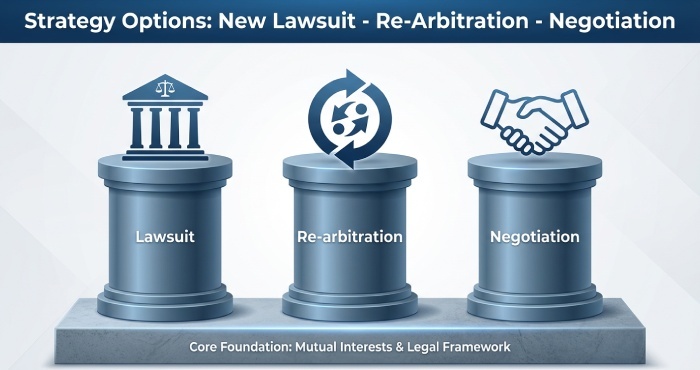
Consider alternatives to a full appeal:
- File a new Magnuson-Moss lawsuit in trial court if arbitration was nonbinding or the record is thin
- Request re-arbitration where rules allow, or pursue mediation as part of alternative dispute resolution
- Negotiate an enhanced buyback, replacement vehicle, or refund while the notice of appeal is pending
- Submit complaints to the state AG/DMV oversight agency if program compliance is at issue
Practical tips to preserve leverage and consumer rights:
- Keep the vehicle available for inspection; avoid unauthorized modifications that could cloud causation
- Maintain a clean paper trail with ongoing documentation, especially for new repair attempts
- Confirm every deadline and immediately file your notice of appeal; follow with proper record designation
- Map the remedy you seek (buyback vs. modification) and plan settlement brackets early
- Prepare for cross-appeals; manufacturers appeal too, and strategic stays can manage risk during the appeals process
Finally, ensure your appellate brief explains how the trial court or arbitrator misapplied the Song-Beverly Consumer Warranty Act or other legal standards, why substantial evidence does not support the adverse findings, and how the California Lemon Law mandates the correct remedy. Use mediation proactively, even while the appellate court reviews your case, to unlock a faster, fairer resolution to your lemon law claim—whether your vehicle is new, certified pre-owned, or an electric vehicle.