
Recreational vehicles (RVs) capture a sense of exploration – combining the liberty of traveling anywhere, the coziness of home, and the excitement of new experiences. Yet, when mechanical problems or manufacturing flaws occur, what was once an enjoyable journey can swiftly become a frustrating hassle. In California, the Lemon Law provides robust safeguards for RV owners facing persistent issues, leading to a frequent inquiry: Is it possible to apply Lemon Law protections to a loaner RV given to you while your RV is in the shop?
Understanding California Lemon Law for RVs
Under California’s Lemon Law, RVs may qualify for protection when major motorized components—such as the engine, transmission, or drivetrain—fail despite repeated repair attempts. A California Lemon Law lawyer can help clarify whether the chassis or drivetrain issues fall under warranty coverage, while coach features like plumbing or appliances are typically covered separately.
An RV is deemed a “lemon” if it has a major flaw that impacts its usability, safety, or market value, and this flaw persists despite a reasonable number of repair attempts within the warranty period. If these criteria are met, the RV owner may qualify for a refund, a replacement vehicle, or monetary compensation.
In Mount Laguna, the California Lemon Law protects RV owners by requiring manufacturers to repair or replace defective recreational vehicles that can’t be fixed after reasonable repair attempts.
The Role of a Loaner RV
What is a Temporary RV?
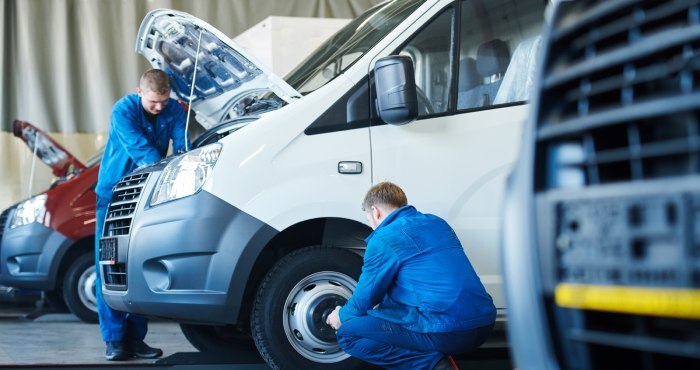
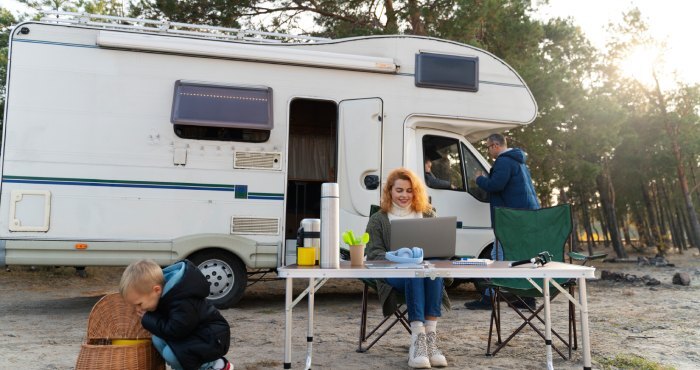
When an RV needs repairs due to warranty issues, manufacturers or dealerships often supply a temporary RV to allow the owner to continue their travel or camping plans without significant interruptions. The duration of this provision can vary, lasting from several days to months depending on how extensive the repairs are.
Why Are Temporary RVs Offered?
There are several reasons why temporary RVs are provided:
- To keep customers satisfied during extended repair times.
- To fulfill warranty requirements that ensure continuous access to the RV.
- To demonstrate a commitment to customer service from the dealership or manufacturer.
However, while these temporary vehicles are designed to assist, they may sometimes pose new challenges, especially if the loaner experiences its own issues.
Can You Lemon Law a Loaner RV?
- Lemon Law Eligibility: You generally cannot file a Lemon Law claim for a loaner RV since you are neither the buyer nor the lessee—the law only applies to vehicles you own or lease under warranty.
- Ownership Requirement: California Lemon Law protections apply only if you have a valid purchase or lease agreement; loaner RVs provided during repairs don’t meet this criterion.
- Warranty Responsibility: The loaner RV’s warranty belongs to the dealership or manufacturer, meaning any defects or issues are their responsibility—not the temporary user’s.
Your Rights and Protections When Using a Loaner RV
Your Rights as a Consumer
While a loaner vehicle may not qualify under the Lemon Law, a California Lemon Law attorney can help you understand the important consumer rights and protections you still have.
1. Safe and Operational Vehicle
The dealership or manufacturer is obligated to provide a loaner RV that is safe, compliant for road use, and in good working order. If the vehicle malfunctions or poses any safety concerns, you have the right to ask for a prompt replacement.

2. No Additional Fees for Loaner Usage
You should not incur extra charges for utilizing a loaner RV while your vehicle is under legitimate warranty repairs. Any applicable mileage limitations or fuel reimbursement details must be clearly outlined in writing.
3. Clear Documentation and Transparency
Dealers are required to give you written records detailing the terms for your loaner RV, including:
- The period of use
- Liability for damages or insurance
- Conditions for returning the vehicle
Having a copy of this documentation is essential to safeguard your interests in case any disputes arise later on.
What Happens If the Loaner RV Has Defects?
Reporting Issues Immediately
If you encounter any issues with the rented RV while in your possession, contact the dealership immediately. This allows them to quickly address the problem and supply you with a suitable alternative.

The Importance of Quick Reporting
Timely notification helps establish documentation that you have acted diligently. This can be beneficial if you decide to pursue a Lemon Law claim for the original RV, as it shows that the manufacturer did not provide a dependable replacement vehicle.
Loaner RV Breakdowns and Safety Concerns
Mechanical Issues
In the event that the loaner has mechanical problems — like engine or brake failures — you have the right to request a different loaner and should not have to drive it until it’s deemed safe. You won’t face penalties or charges for declining to use equipment that is unsafe.
Problems with Living Conditions
If you encounter issues such as broken air conditioning, leaks, or electricity outages in the living area of the loaner, these should be reported and fixed without delay. While these problems may not fall under Lemon Law provisions, they can impact your comfort and usability. The dealership remains accountable for addressing these concerns.

How the Loaner Period Affects Your Lemon Law Claim
The duration of repairs is a vital factor in Lemon Law claims since the total days your RV is non-operational affects your eligibility. Even if you have a rental vehicle during repairs, that period is still counted against your claim. For example, if your RV is in the shop for over 30 total days due to warranty issues, it may be considered a lemon under California law.
To strengthen your claim, keep detailed records of every repair visit—such as service orders, receipts, and the dates your RV was unavailable. Also, document all communication with the dealer or manufacturer about any loaner vehicle. This thorough documentation can serve as vital evidence if you pursue compensation or a buyback later.
While you can’t directly Lemon Law a loaner RV, you’re still protected under California law. The loaner must be safe, functional, and free of extra costs, and the repair time for your RV still counts toward a potential Lemon Law claim. If your RV’s issues remain unresolved, contact the Best Lemon Law attorney in San Diego to explore your rights to a refund or replacement and stay protected on every journey.