
Managing mediation under California’s Lemon Law can seem like a frantic sprint for both dealers and consumers. Many drivers are taken aback by the stringent notice periods, repair attempts, and required response times, which can lead them to anticipate a faster outcome. Grasping these essential timelines is vital for safeguarding your rights and preventing expensive hold-ups in disputes related to lemon law in California.
Setting expectations: how long Lemon Law mediation actually takes in California — myths vs averages, court-connected vs private sessions, and the factors that speed or slow the process
Myths vs averages in California Lemon Law timelines
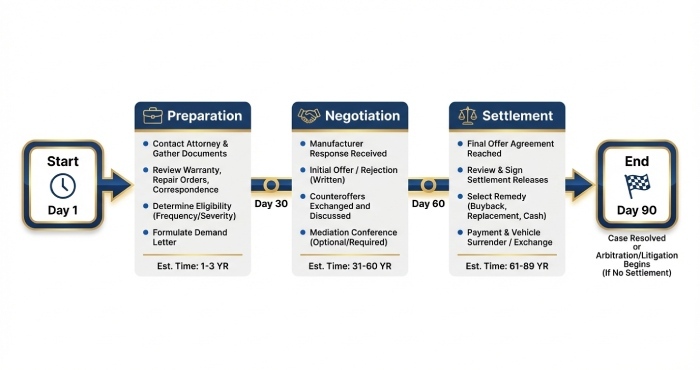
A persistent myth says Lemon law mediation wraps in a week. In reality, most California lemon law disputes reach the table in 30–90 days, with one-day consumer mediation sessions and another 15–45 days to finalize settlement performance. Court-connected programs often post faster calendars for early dispute resolution, while private sessions may allow more flexibility in mediator choice and preparation.
Under the California Lemon Law—including the Song-Beverly Consumer Warranty Act and the federal Magnuson-Moss Warranty Act—Top lemon law lawyers emphasize that vehicle owners and dealers must first gather complete service records and warranty evidence, as this preparation, more than the calendar, determines how quickly meaningful negotiations can begin.
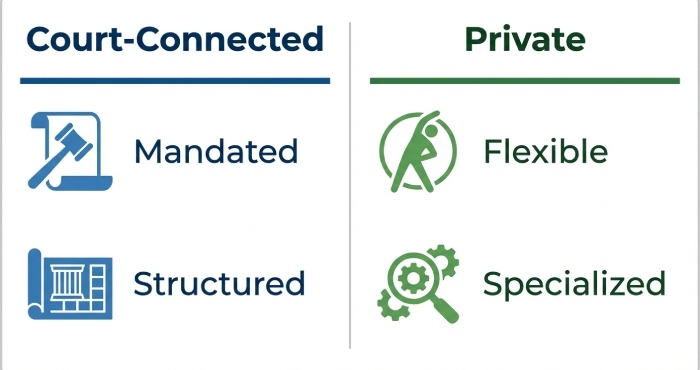
Court-connected vs private lemon law mediation
- Court-related: Under the regulations of the California Code of Civil Procedure, courts may mandate mediation and utilize case managers to ensure compliance with deadlines and to oversee structured disclosures.
- Private: Individuals have the option to select a dedicated mediator from organizations such as the American Arbitration Association, allowing for adaptable scheduling and specialized knowledge in lemon law.
Factors that accelerate or impede consumer mediation
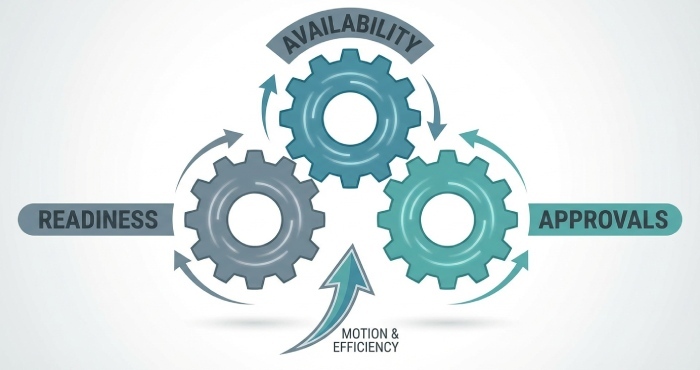
Three variables drive timing: availability, readiness, and approvals. First, mediator calendars and manufacturer opt-in windows influence how soon vehicle owners meet automobile dealers at the table. Second, data readiness—repair orders, notice letters, and payoff information—prevents day-of stalls. Third, corporate approval layers for dealer buy-back, replacement of motor vehicle, or restitution can add hours or weeks.
Mediation fees, particularly when cost-sharing is disputed, can also slow confirmations. Programs that use block mediation days for lemon law disputes may compress timelines. Conversely, seasonal bottlenecks (year-end holidays, model-year rollouts) stretch scheduling.
Manufacturer opt-in and mandatory mediation dynamics
- Some manufacturers require internal preclearance before they opt in to consumer mediation, which can add 7–21 days.
- In select venues, standing orders encourage mandatory mediation for consumer claims to promote case resolution; that court signal often shortens response windows.
- Where manufacturer opt-in is swift, and parties accept a standard session length, lemon law mediation typically sets within 30–60 days.
When the clock starts: triggers and statutes that shape timelines — repair attempts, 18‑month/18,000‑mile presumptions, notice to the manufacturer, and the pre‑mediation prep window
Statutory triggers under Song-Beverly and Magnuson-Moss
Under the Song-Beverly Consumer Warranty Act, the 18‑month/18,000‑mile presumptions can shape leverage and readiness, but they are not hard prerequisites to begin lemon law mediation. The Magnuson-Moss Warranty Act also supports attorney’s fees and broader consumer protection, encouraging litigation alternatives like consumer mediation before a filing.
Timelines begin to make sense once warranty issues are documented: multiple repair attempts for the same defect, vehicle out-of-service days, or a safety-related nonconformity. These statutes underpin negotiations over restitution, repairs compensation, or a dealer buy-back.
Notice, repair attempts, and warranty issues documentation
- Written notice to the manufacturer or its authorized automobile dealers often precedes a manufacturer opt-in decision.
- Keep all repair orders and communications; under both the Song-Beverly Consumer Warranty Act and the Magnuson-Moss Warranty Act, these records drive valuation of consumer claims.
- Some counsel cite California Code of Civil Procedure §871.26 in court-connected settings to anchor scheduling of mandatory mediation and define disclosure deadlines.
Pre‑mediation preparation window and legal frameworks
The pre‑mediation prep window—typically 2–4 weeks—collects service histories, payoff statements, and any misrepresentation or automotive fraud evidence. Related frameworks like the Uniform Commercial Code and the Consumers Legal Remedies Act can inform remedies and civil penalties theories.
Recent legislative attention, including Assembly Bill 1755 (AB 1755) and Senate Bill 26 (SB 26), underscores California’s ongoing focus on efficient dispute resolution services and consumer protection, even as specific timelines remain driven by the mediation process itself.
Getting to the table: response windows, mediator selection, scheduling logistics, and seasonal bottlenecks — what a typical 30–90‑day path looks like
Response windows and mediator selection
- Week 1–2: Demand sent; notice triggers the manufacturer opt-in review. Automobile dealers coordinate with the manufacturer and their insurer. Some brands route cases through BBB National Programs, including BBB AUTO LINE, or AAA mediation program desks.
- Week 2–4: The parties exchange proposed mediators. Many California practitioners turn to a mediation specialist such as PGP Mediation or neutrals like Phyllis Pollack for deep knowledge of lemon law disputes and mediation procedures.
Scheduling logistics, block mediation, and seasonal bottlenecks
- Week 4–8: Calendaring with case managers at the mediation provider, considering counsel conflicts and block mediation days that manufacturers reserve for consumer mediation. Expect longer queues near holidays and fiscal quarter-ends.
- Week 8–12: If documents lag or lender payoff, valuation, or replacement of motor vehicle options are still under review—dates push. Some counties, from Los Angeles to Merced County, experience courthouse-driven delays in court-connected tracks, while private sessions can move faster with a neutral forum willing to convene by video.
California Lemon Law Mediation: Key Statistics and Case Trends
| Statistic | Data Point (California) | Insight |
| Annual Lemon Law Claims Filed | Approximately 15,000–20,000 consumer complaints annually | California Lemon Law cases remain high due to strong consumer protections. |
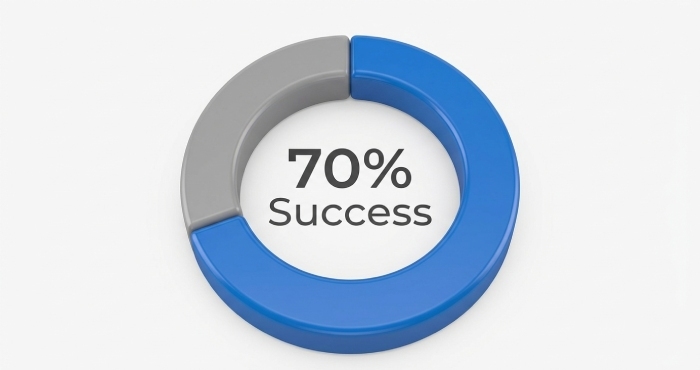
| Mediation Success Rate | Around 60–70% of cases resolve during mediation | Most disputes settle before going to full civil trial. |
| Average Time to Mediation Resolution | 2–4 months | Mediation significantly reduces resolution time compared to litigation. |
| Settlement vs Trial Rate | Over 80% settle before trial | Manufacturers prefer mediation to avoid legal costs and penalties. |
| Attorney Fee Recovery Rate | Nearly 100% recoverable if consumer wins | Under California law, manufacturers must pay prevailing consumer’s legal fees. |
For tailored guidance on sequencing, fees, and local practices, consult a seasoned mediation specialist or a focused lemon law attorney. If you need regional insight, a Cadillac Lemon Law attorney San Diego can explain county‑specific mediation procedures and scheduling realities. You can also explore a dedicated lemon law attorney resource for strategy on manufacturer opt-in, confidential mediation terms, and preserving leverage through settlement or trial.