
California Lemon Law protects consumers when a vehicle develops a warranty-covered defect that cannot be repaired after a reasonable number of attempts. While manufacturers may argue that high mileage weakens a claim, there is no automatic mileage limit that disqualifies a vehicle. The key issue is whether the defect first appeared during the warranty period and substantially affected the vehicle’s use, value, or safety.
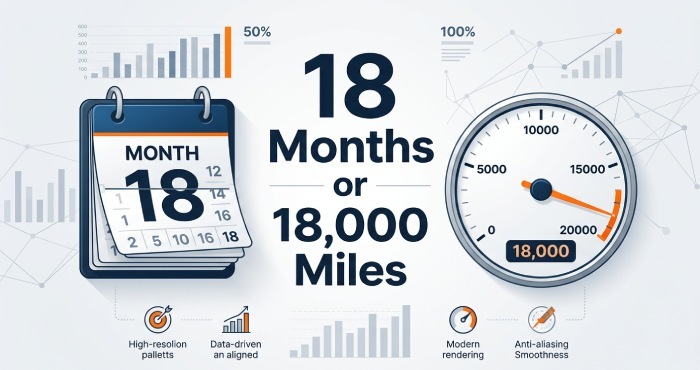
The California Lemon Law Presumption can make some claims easier if the defect occurs within 18 months or 18,000 miles, but it is not the only way to qualify. Even if a vehicle exceeds those benchmarks, a claim may still succeed if the problem was reported while the manufacturer’s warranty was in effect and supported by repair records and service documentation.
Common Manufacturer Mileage Arguments Used to Deny or Reduce Claims
Argument: The Vehicle Has Too Many Miles
One common argument is that the vehicle exceeded a mile limitation before the lemon law claim was made. But California Lemon Law generally focuses on when the defect was first presented for repair, not merely the mileage at the time the consumer contacts legal counsel. If the repair attempts began during the original factory warranty, a later odometer reading does not erase the lemon law case.
A lemon law lawyer may point out that mileage limits in a warranty are not the same as a hard mile limitation under the statute. The warranty may expire at a certain mileage, but if the repair problem was reported while the vehicle was covered under warranty, the consumer may still have lemon law protection.
Argument: High Mileage Caused the Defect
Manufacturers may also argue that high mileage caused the engine, transmission, electrical, braking, or steering problem. This is especially common when the defect creates a safety hazard. A lemon law attorney can counter by showing that the same symptom appeared repeatedly despite multiple repair attempts and failed repair attempts.
Argument: The Mileage Offset Should Eliminate Compensation
Even when a manufacturer concedes some responsibility, it may argue for a steep value reduction based on mileage. California law allows a mileage offset in certain refund or statutory repurchase calculations, but that does not permit the manufacturer to erase lemon law compensation. A lemon law attorney may challenge inflated deductions and pursue a refund, replacement vehicle, vehicle replacement, cash settlement, or other lemon law relief.
How Warranty Coverage and Mileage Limits Affect Lemon Law Eligibility
Warranty Timing Versus Current Mileage
A manufacturer often focuses on current mileage, while a lemon law attorney focuses on defect timing. This distinction is critical. If a defective vehicle is brought to the dealership for the same repair problem while the manufacturer’s warranty is active, later mileage does not necessarily defeat the lemon law claim.
A used car may also qualify if it still had remaining original factory warranty coverage or was otherwise covered under warranty when the defect arose. Similarly, a leased vehicle can qualify if the warranty period and repair attempts support the lemon law requirements. Lemon law mileage must be evaluated alongside warranty terms, not treated as a standalone bar.
Consumers seeking lemon law legal advice may contact a california lemon law lawyer to evaluate mileage limits, warranty status, and repair history. For motorhome or recreational vehicle disputes, an rv lemon law attorney may assess whether the same principles apply to covered repairs and failed repair attempts.
Mileage Limits Do Not Replace Consumer Rights
Mileage limits in the manufacturer’s warranty define the warranty period, but they do not give the manufacturer permission to ignore defects reported during that period. California Department of Consumer Affairs guidance and the California Lemon Law Presumption both emphasize the importance of repair opportunities, non-consecutive days in repair, and substantial impairment to use, value or safety.
Using Repair Orders and Service Records to Establish Defect Timelines
Building the Timeline
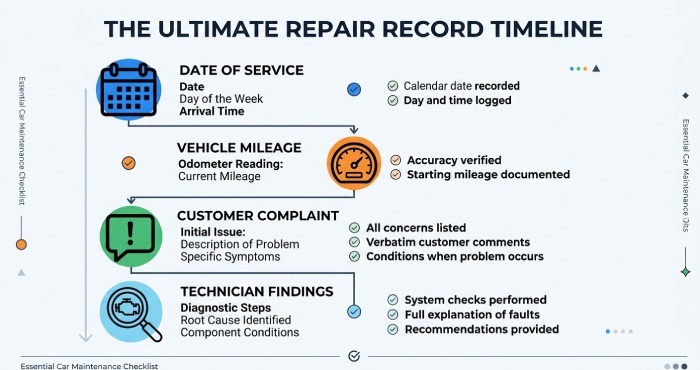
A detailed timeline should include the date of each visit, mileage at intake, customer complaint, technician findings, parts replaced, diagnostic codes, and whether the dealership verified the concern. If a vehicle spent non-consecutive days in repair, those days may support lemon law protection and show loss of vehicle use.
A lemon law attorney will look for patterns: the same noise, warning light, power loss, leak, vibration, battery failure, infotainment malfunction, or safety issue appearing again and again. When failed repair attempts continue despite dealership involvement, the record may support a lemon lawsuit, lemon law settlement, lemon law repurchase, refund or replacement, or statutory repurchase.
Why Accurate Repair Descriptions Matter
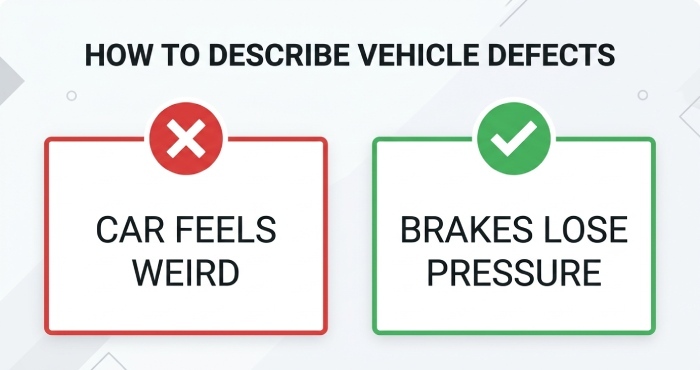
The words used on repair orders can influence the entire lemon law process. Lemon car owners should describe symptoms clearly and consistently. Instead of saying “car feels weird,” the vehicle owner should explain, “engine stalls while merging,” “brakes lose pressure,” or “vehicle shuts down without warning.” Clear descriptions help prove a safety hazard and show that the defective vehicle substantially affects use, value or safety.
How California Lemon Law Lawyers Negotiate Against Manufacturer Defenses
Common Manufacturer Defense Strategies
A manufacturer may argue that:
- The defect occurred after the original factory warranty expired
- The mileage limits exclude coverage
- The consumer continued driving the vehicle, so the issue was minor
- The safety issue was never verified
- The repair attempts were unrelated
- The vehicle is not a legal lemon because the defect was repaired
- The requested lemon law repurchase is excessive
An experienced lemon law attorney will challenge these claims by focusing on warranty timing, proof of defect, repair attempts, and whether the defect substantially impaired use, value or safety. If the defective vehicle created a safety hazard, that fact can strengthen the lemon law case, particularly where safe operation was compromised.
Negotiation Goals in Mileage Disputes
McMillan Law Group represents consumers throughout California, including Los Angeles, San Diego, Orange County, Sacramento, Bakersfield, Anaheim, San Francisco, and surrounding communities.
- Statutory repurchase
- Refund
- Replacement vehicle
- Vehicle replacement
- Cash settlement
- Incidental damages
- Attorney’s fees where applicable
A lemon law firm may also negotiate against an auto manufacturer by showing that the burden shifts under the lemon law presumption, or that the evidence independently satisfies California Lemon Law standards even outside the presumption window.
For consumers in Southern California, consulting a lemon law attorney san diego may help clarify whether the manufacturer’s mileage argument is legally valid or simply a negotiation tactic.