
When a leased car turns out to be a lemon car, many California drivers assume a manufacturer buyback ends every financial issue tied to the vehicle lease. In practice, lease-end charges can still appear after a California Lemon Law buyback, especially if the dealer, finance company, or manufacturer has not correctly reconciled the account.
For leased vehicles covered by a manufacturer’s warranty, the key questions are whether the leased car had a substantial defect, whether there was a reasonable number of repair attempts, and whether the consumer’s lemon law claim resulted in a refund, vehicle replacement, or other compensation.
How California Lemon Law Applies to Leased Vehicles
Leased Vehicles Are Covered Under the Song-Beverly Consumer Warranty Act
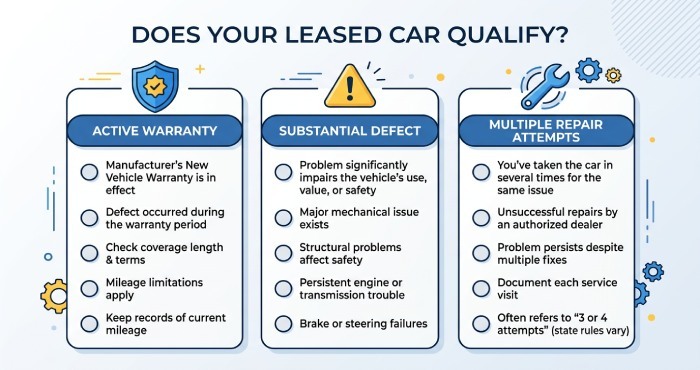
The California Lemon Law, formally tied to the Song-Beverly Consumer Warranty Act, protects many consumers who lease rather than buy. Leased vehicles can qualify when they are covered by the manufacturer’s warranty and have substantial problems that impair vehicle use, vehicle value, or vehicle safety.
A leased car may qualify if a substantial defect arises during warranty coverage and the manufacturer or authorized repair facility cannot fix it after a reasonable number of repair attempts. This is true for many brands, including Mercedes, BMW, and Mini Cooper models, as well as some used vehicles or certified pre-owned vehicles if the manufacturer’s warranty remains active.
Defect Criteria and Repair Attempts Matter
To bring a strong lemon law claim, the defect criteria must be clear. The issue should not be minor or cosmetic; it should involve a substantial defect, recurring malfunction, safety issues, or vehicle use impairment. A reasonable number of repair attempts depends on the facts, but repeated visits to a dealership, repair facility, or repair shop for the same concern can support the claim.
Special Situations: Business Vehicles and Military Members
Some business vehicles may qualify if they meet statutory limits. Members of the U.S. Armed Forces may also have important protections depending on where the vehicle was purchased, leased, registered, or used. Because leased vehicles involve both a lease agreement and warranty rights, legal counsel can help evaluate eligibility.
What Happens to Your Lease After a Manufacturer Buyback
Buyback, Replacement Vehicle, or Purchase Refund
If a California lemon law claim is successful, the manufacturer may provide a vehicle repurchase, replacement, or other compensation. For leased vehicles, remedies often include reimbursement of lease payments, recovery of the down payment, and satisfaction of the remaining lease balance, subject to any applicable mileage offset. An experienced lemon law attorney can review the warranty and repair history to determine whether the vehicle qualifies for a full remedy under California Lemon Law.
Termination of Lease and Account Reconciliation
A buyback should usually result in termination of lease obligations tied to the defective vehicle. However, early lease termination language in the lease agreement can create confusion if the finance company’s system automatically assesses charges. That does not always mean the fees are valid.
What the Manufacturer Should Address
The manufacturer should coordinate with the leasing company to close the account, remove improper balances, and process the buyback correctly. A lemon law lawyer can assist with manufacturer negotiations, manufacturer notification, and the legal process so the consumer is not left disputing lease-end invoices alone.
Arbitration May Not Resolve Every Lease Charge
Some manufacturers encourage arbitration, but arbitration may not fully address all lease accounting issues. Before agreeing to arbitration or signing a release, lessees should understand how the lemon law claim affects lease-end charges, attorney fees, and any remaining balance.
Common Lease-End Charges Drivers May Still See
Mileage, Wear, and Disposition Fees
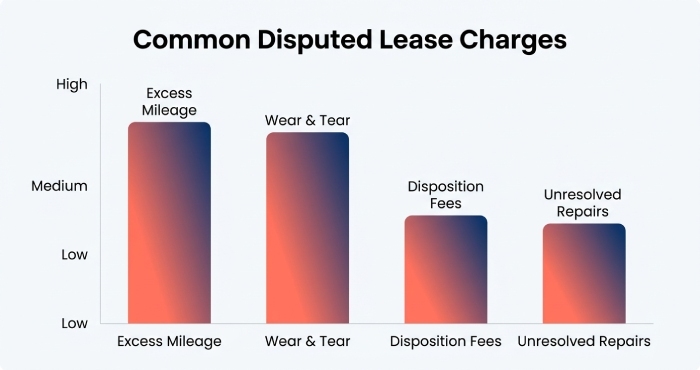
Even after a California Lemon Law buyback, lessees may see invoices for excess mileage, excess wear, disposition fees, missing equipment, or inspection charges. These charges are common in ordinary leased vehicles, but a leased car subject to a lemon law claim requires closer review.
Repair, Damage, and Inspection Charges
Drivers may also see charges for body damage, tire wear, interior wear, or repairs allegedly needed before resale. These charges can be especially frustrating when the same dealership or repair shop repeatedly fails to fix the defective vehicle under the manufacturer’s warranty.
Charges That Deserve Scrutiny
Fees deserve scrutiny when they relate to the same substantial defect, result from failed repair attempts, or arise after the manufacturer agreed to a buyback. A lemon law attorney can compare repair records, inspection reports, and the lease agreement to determine whether the charges conflict with the California Lemon Law resolution.
Lease-End Charge and Lemon Law Trends at a Glance
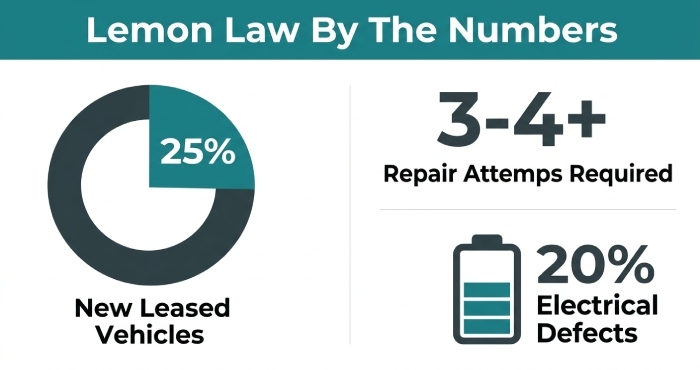
| Lease-End & Lemon Law Statistics | Figure |
| New vehicles leased in the U.S. | About 25% of new vehicle transactions |
| Lemon law claims involving recurring repairs | Most involve 3–4+ repair attempts |
| Vehicle defects linked to electrical systems | Over 20% of reported vehicle problems |
| Common disputed lease-end charges | Mileage, wear-and-tear, and disposition fees |
| Consumers who seek legal help achieve faster resolutions | Many claims settle before trial |
Why Working With a California Lemon Law Lawyer Can Protect Lessees
A Lawyer Can Review the Buyback and Lease Charges Together
A California Lemon Law case involving leased vehicles is not just about proving the car is defective. It is also about making sure the buyback, termination of lease, and account reconciliation are handled correctly. A lemon law lawyer can review the manufacturer’s warranty, repair attempts, lease agreement, and final invoice to protect lessee rights.
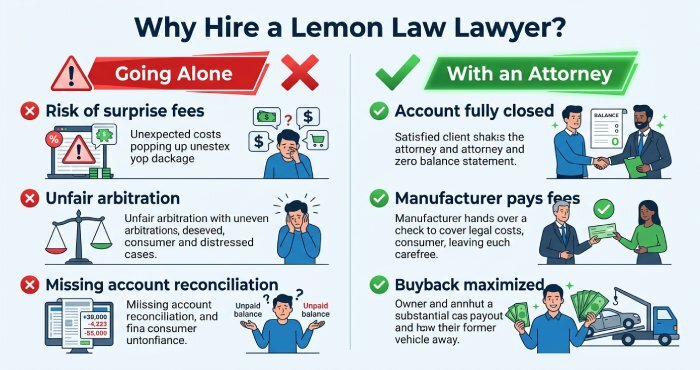
Because the manufacturer often pays attorney fees in successful cases, many consumers can pursue legal representation without paying hourly fees upfront. Many firms also offer a free consultation. Drivers searching for the California lemon law lawyer should look for experience with leased vehicles, manufacturer negotiations, and post-buyback lease disputes.
Choosing Legal Representation in California
An experienced California lemon law attorney can help determine whether a leased vehicle qualifies under the state’s Lemon Law, evaluate refund or replacement options, and identify improper lease-end charges. When researching legal assistance, consumers should focus on an attorney’s experience with leased vehicle claims and California lemon law procedures.
For location-specific help, some drivers consult a California lemon law attorney or compare San Diego lemon law attorneys when a lemon law claim involves lease-end charges, a manufacturer’s warranty dispute, a substantial defect, a reasonable number of repair attempts, or a request for vehicle replacement.