Purchasing a new or pre-owned car is meant to be an exhilarating and hassle-free experience. However, for numerous buyers, this experience can quickly become distressing if they end up with a faulty vehicle, commonly referred to as a “lemon.” To safeguard consumers from such defective cars that remain unfixable after several attempts, California’s Lemon Law, along with comparable laws nationwide, has been established. But what should you do if the dealership where you bought the vehicle goes out of business before your problem is addressed?
Understanding the Lemon Law Basics
Before delving into the challenges posed by a dealership that has shut down, it is important to grasp the fundamental principles of Lemon Law protections. In California, as well as several other states, this law comes into effect when a vehicle exhibits a significant defect that affects its safety, value, or functionality.
If the manufacturer or an authorized dealer fails to resolve the problem after a reasonable number of attempts and the defect occurs within the warranty period, the consumer may be entitled to some form of relief. Generally, this entails either a buyback (repurchase) of the vehicle or a replacement, with the primary accountability resting on the manufacturer rather than the dealer who sold the car.

The Dealer’s Role vs. the Manufacturer’s Responsibility
A common misconception among consumers is that the dealership is solely accountable for addressing a Lemon Law claim. Although dealerships manage sales, initial repairs, and warranty requests, it is actually the manufacturer that is legally required to uphold Lemon Law protections.
Understanding this difference is vital, especially if a dealership ceases operations. Even if the dealership from which you bought your vehicle is no longer in business, your rights under the Lemon Law are still valid, as the manufacturer is still responsible for providing a solution.
What Happens If the Dealer Closes?
Access to Repair Records Might Be Lost
The foundation of a Lemon Law claim relies on repair attempts. If the dealership goes out of business, retrieving your repair history could prove challenging. Lacking these records makes it difficult to demonstrate the frequency of repair attempts and the persistent issues with the vehicle.
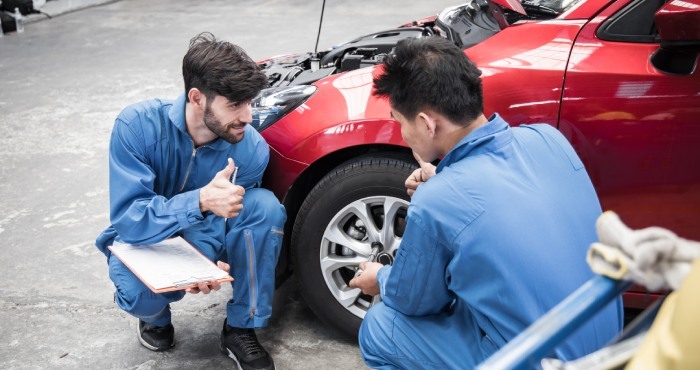
Recommendation: Always retain copies of your service orders, invoices, and any correspondence with the dealership. If you haven’t saved these documents, consider reaching out to the manufacturer, as warranty repairs are typically recorded in centralized databases.
Ongoing Repairs May Face Disruptions
Should your vehicle be undergoing repairs when the dealership closes, it could become trapped. In some instances, cars might be secured within service areas, and retrieving them could require navigating bankruptcy processes, engaging property managers, or arranging towing services.
Recommendation: Get in touch with the property manager or local law enforcement to facilitate the recovery of your vehicle. The manufacturer may also assist by directing you to another authorized repair shop.
Warranty Repairs Need to Be Reassigned
Even if a specific dealership shuts down, manufacturers generally maintain a network of authorized service centers. You can take your vehicle to a different authorized location for ongoing warranty repairs.

Recommendation: Find another nearby authorized dealership and continue your repair efforts there. Each repair attempt will still contribute to your Lemon Law claim.
Lemon Law Process May Experience Delays
A dealership closure can hinder your ability to obtain repairs, gather necessary evidence, and proceed with a buyback or replacement process. The longer this situation persists, the more frustration and expenses you may incur.
Recommendation: Seek advice from a Lemon Law attorney at the first sign that the dealership may be closing. They can help protect your rights and streamline communication with the manufacturer.
Legal Recourse Against the Manufacturer
If your dealer is no longer in business, you still have alternatives available to you. Lemon Law claims typically target the manufacturer, as they are the ones who issued the warranty. An experienced Lemon Law attorney can assist you in several ways:
- Submit a direct claim to the manufacturer for a buyback or replacement vehicle.
- Seek reimbursement for additional costs like rental vehicles, towing charges, and lost income.
- Advocate for you in arbitration or court if the manufacturer pushes back against your claim.
In Jacumba Hot Springs, manufacturers remain legally obligated to honor their responsibilities under the Lemon Law, even if the local dealership has shut down.
Special Issues with Independent Used Car Dealers
If your dealer is no longer in business, you still have alternatives available to you. Lemon Law claims typically target the manufacturer, as they are the ones who issued the warranty. An experienced Lemon Law Lawyer can assist you in several ways:
- Submit a direct claim to the manufacturer for a buyback or replacement vehicle.
- Seek reimbursement for additional costs like rental vehicles, towing charges, and lost income.
- Advocate for you in arbitration or court if the manufacturer pushes back against your claim.
Manufacturers are still legally bound to fulfill their responsibilities, even if the dealership is no longer operating.
Steps to Take if Your Dealer Goes Out of Business
In the event that your dealership shuts down, first gather all relevant documents, including repair orders, receipts, contracts, and warranty papers. Then reach out to the manufacturer to obtain the service history. To bolster your claim, proceed with repairs at a different authorized service center, and inform the manufacturer about both the defect and the dealership’s closure.
If you have a used vehicle, you may be able to file a dealer bond claim in cases of fraud or contract breaches. For guidance, consult experienced San Diego Lemon Law attorneys who can protect your rights, ensure deadlines are met, and help you pursue the compensation you deserve.
A dealership going out of business can complicate the process, but under the California Lemon Law, your rights remain fully protected. The manufacturer is still responsible for addressing warranty defects, whether through another authorized dealer or direct negotiation. By gathering records, contacting the manufacturer, and seeking legal help, you can secure the remedy you deserve.