
In the process of seeking a warranty or defect claim for a mobile home, documentation is often as crucial as the issues themselves. Essential items such as purchase agreements, warranty papers, repair logs, inspection findings, and correspondence with the dealer or manufacturer play a key role in demonstrating what was guaranteed and whether those promises were fulfilled. Having a thorough record can bolster a claim, whereas lacking or insufficient documentation can lead to major difficulties in establishing responsibility and losses.
Purchase, Warranty, and Sales Documents That Define the Claim
Purchase Agreement and Sales Contract
The purchase agreement is one of the most important documents a lemon law attorney or legal professional will review because it identifies the seller, purchase terms, warranties, disclosures, and any promises made about the mobile home. If defects later arise involving insulation, electrical systems, plumbing, or HVAC components, the contract can help connect those issues to warranty coverage or misrepresentations.
Because mobile home claims may involve warranty and consumer protection laws in California, a California lemon law attorney or consumer law lawyer can evaluate the agreement to determine whether the buyer may be entitled to compensation, repairs, or replacement options.
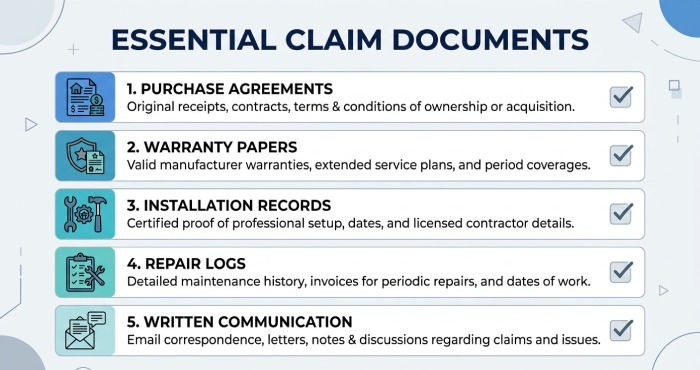
Manufacturer and Dealer Warranty Documents
Warranty papers play a crucial role in a defect or warranty claim as they outline the duration of coverage, the parts included, any exclusions, and who is accountable for repairs. They help indicate whether the manufacturer, dealer, installer, or part supplier was responsible for addressing faults related to key systems such as structure, plumbing, electrical, roofing, appliances, or HVAC.
A California lemon law lawyer or warranty dispute attorney can assess whether the warranty terms align with the repair history to determine if the manufacturer failed to meet its obligations. If the defect persists after multiple repair attempts, legal remedies under applicable consumer protection laws may be pursued.
Delivery, Installation, and Repair Records That Show What Went Wrong
Delivery, Setup, and Installation Records
Records related to delivery, setup, and installation are essential for identifying whether a defect in a mobile home was present at the time of delivery or stemmed from issues like transportation, leveling, foundation work, utility connections, or mistakes during installation.
These documents — such as setup checklists, leveling reports, foundation certificates, permits, and utility approvals — often serve as critical evidence in disputes about liability among manufacturers, dealers, and installers.
In the case of homes situated in mobile home parks, HOA communities, or manufactured housing developments, these records can also indicate the involvement of park owners, developers, homeowner associations, or government bodies in the approval or installation process.
Why Installation Evidence Matters
Improper setup can cause structural defects, roof leaks, door and window misalignment, flooring separation, plumbing issues, electrical malfunctions, and unsafe conditions. For a manufactured home, these problems can appear similar to factory defects, but the legal responsibility may be different.
A San Diego Lemon Law attorney or other legal expert may need to distinguish between installation-related compliance issues and defects covered under the manufacturer’s warranty.
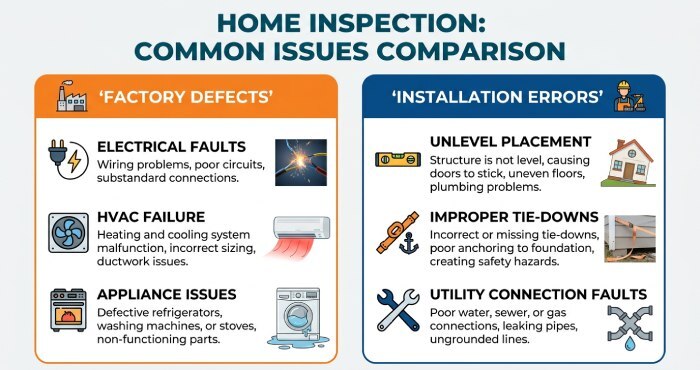
Common Installation Red Flags
Look for records showing unlevel placement, missing permits, delayed utility approval, improper tie-downs, drainage problems, or failed inspections. These details can affect a California lemon law case, a warranty claim, or a dispute under state regulations enforced by government agencies such as the California Department of Housing and Community Development.
Repair Orders, Work Invoices, and Service Logs
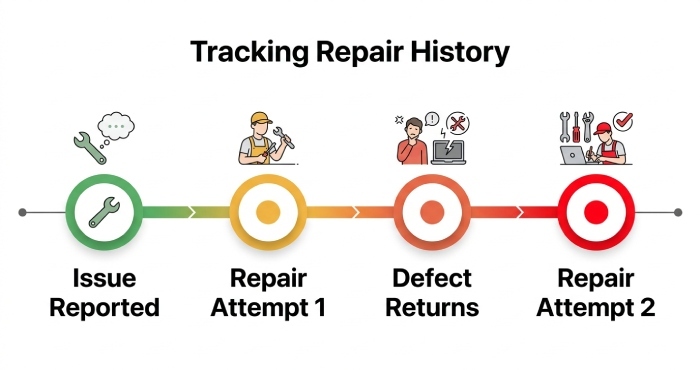
Repair orders, invoices, and service documents typically serve as crucial evidence in defect and warranty cases, as they detail repair efforts, persistent defects, delays, and ongoing issues. Whether addressing an RV with problems related to the transmission, brakes, steering, or drivetrain, or a mobile home facing challenges like leaks, electrical malfunctions, plumbing problems, mold, roofing issues, or HVAC failures, these documents help illustrate a trend of ineffective repairs.
A legal professional can leverage this service history to demonstrate that the manufacturer or warranty provider had a fair chance to resolve the defect but did not succeed, thus supporting a warranty or consumer protection claim.
Communications and Visual Evidence That Preserve the Story
Written Complaints, Emails, Texts, and Call Notes
Documents such as written complaints, emails, texts, messages from portals, and call logs can serve as evidence of when issues were reported, who was informed, and the company’s reaction. Owners of mobile homes should retain all correspondence with dealers, manufacturers, installers, repair services, and warranty administrators, as these records might reveal ignored concerns, unfulfilled repair commitments, or missed opportunities to resolve the issues.
Firms and attorneys handling these disputes may carefully evaluate communications during case review to identify responsible parties and assess legal strategy.
Photos and Videos of Defects
Photos and videos provide critical visual evidence before repairs, cleanup efforts, weather conditions, or occupancy changes alter the scene. For a defective mobile home, images may document leaks, cracks, mold growth, flooring defects, wall separation, ceiling stains, electrical malfunctions, structural defects, or other safety hazards. For RV Lemon Law claims, photos and videos can also capture warning lights, steering defects, brake failures, transmission problems, chassis defects, water intrusion, appliance malfunctions, drivability issues, and other conditions that may support a claim with an RV Lemon Law attorney.
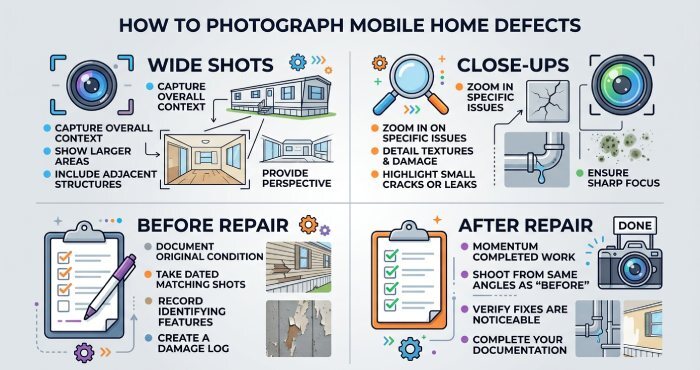
How to Make Visual Evidence More Useful
Take wide shots, close-ups, date-stamped photos, and videos showing the surrounding area. If water intrusion is involved, document the source, the affected rooms, damaged belongings, and any unsafe conditions. If the defect involves vehicle or RV components, record dashboard warnings, noises, vibrations, or performance issues.
Preserve Before-and-After Proof
Do not rely only on repaired-condition photos. A legal professional will want evidence of the defect before the repair attempt, during service, and after the problem returns. This helps establish warranty coverage, repeated repair attempts, and the seriousness of the ongoing defects.