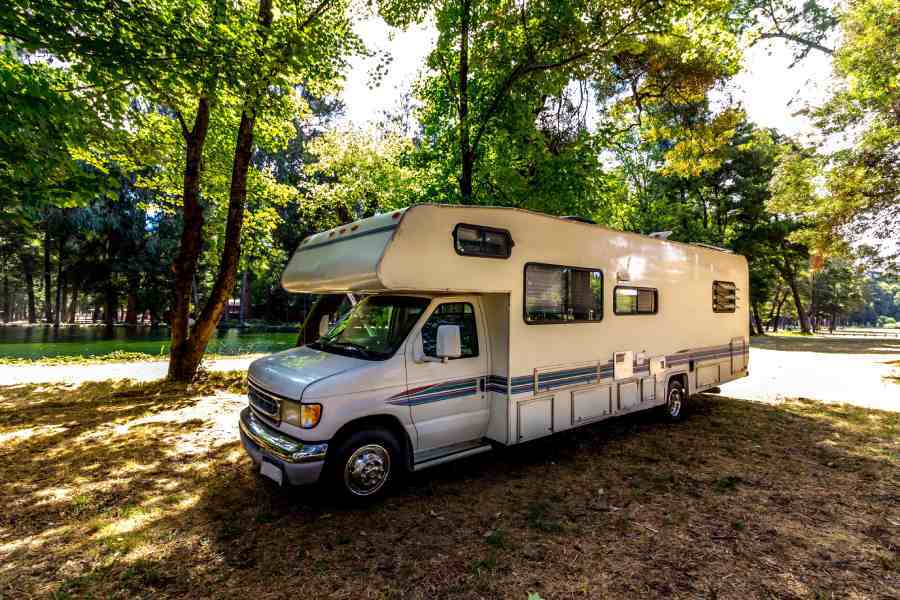
Recreational vehicles represent the essence of freedom, exploration, and the coziness of home while traveling, serving as a lifestyle choice for both families and retirees. However, ongoing issues and frequent trips to the repair shop can swiftly interfere with this way of life. Since motorhomes function as both transportation and living spaces, they exist in a distinct legal gray area. Therefore, it is vital for owners to grasp how Lemon Law protections work in order to protect their rights and investments.
00:00
The Lemon Law Basics
Most states in the U.S. have enacted Lemon Laws to safeguard consumers who buy or lease faulty vehicles. Typically, if a manufacturer fails to fix a significant defect after several reasonable attempts, the buyer may be eligible for either a new vehicle or a refund. These laws aim to ensure that consumers are not left with unreliable or hazardous products.
The main factors that usually indicate a vehicle qualifies as a lemon include:
The defect significantly affects the vehicle’s usability, safety, or market value.
The issue continues to exist despite numerous repair efforts.
The vehicle is in the repair shop for a long duration (often 30 days or more during the first year or warranty period).
However, the situation becomes more complex when it involves motorhomes.
Motorhomes: Vehicles or Dwellings?
A motorhome differs significantly from a typical car, as it serves both as a vehicle and a living space. Its chassis, engine, and drivetrain classify it as a vehicle, whereas the amenities like plumbing, electrical systems, appliances, and furniture designate it as a home. This hybrid identity leads to legal complexities since various states may not uniformly regard the residential aspect of an RV in relation to its vehicular components.
For instance:
Subject to Lemon Law: In several states, the driving system, chassis, and powertrain of a motorhome enjoy protections similar to those afforded to conventional vehicles.
Potentially excluded: The living area, along with its furnishings and appliances, might not be protected under the Lemon Law. Instead, these elements could be covered by distinct warranties provided by the RV manufacturer or other third-party companies.
This separation compels motorhome owners to be vigilant about which elements of their RV are malfunctioning and what forms of protection are available to them.
When Does an RV Qualify as a Lemon?
Issues with the Drivetrain or Chassis
Most state Lemon Laws explicitly include the operational components of the RV. If your motorhome frequently suffers breakdowns related to the engine, transmission, or brakes, you may be eligible to file a claim.
Significant Impact
For a defect to qualify, it must interfere with the RV’s usability, safety, or overall worth. For instance, while a defective air conditioning unit may not meet the criteria alone, a brake system failure would definitely qualify.
Sufficient Repair Opportunities
Generally, manufacturers are required to have a specific number of attempts (usually three to four) to fix the defect before you can pursue a claim.
Duration of Inoperability
If your motorhome is in the repair shop for a total of 30 days or more during the warranty period, it might be classified as a lemon.
Variability in Living Quarters Protection
Some states extend Lemon Law coverage to the living areas of an RV, while others exclude them. In those situations, owners often must rely on written warranties for appliances and fixtures—making it wise to consult a Lemon law lawyer California for guidance.
Federal Protections: The Magnuson-Moss Warranty Act
If your state’s Lemon Law does not provide complete protection for your motorhome, you still have options under federal law. The Magnuson-Moss Warranty Act safeguards consumers across the country by mandating that manufacturers uphold their written warranties. Should defects covered by an RV’s warranty remain unresolved after a reasonable number of repair attempts, you could be eligible for compensation, which may include the recovery of legal costs.
This legislation can be particularly beneficial for motorhome owners dealing with problems related to the living aspects of their RV, like malfunctioning appliances or plumbing leaks, in situations where state Lemon Law does not apply.
Steps to Take If Your RV Becomes a Lemon
If you think your RV might be a lemon, it’s crucial to take a thoughtful approach. Here are some essential actions to consider:
Keep Thorough Records
Maintain comprehensive documentation of all issues, repair attempts, invoices, work orders, and any communication with the dealer or manufacturer. This record-keeping is vital for building a strong case.
Familiarize Yourself with Your Warranty
Examine the warranty provided by the motorhome manufacturer, as well as any additional warranties for appliances or living areas. Understanding what is covered will help you decide your next steps.
Provide the Manufacturer with an Opportunity to Resolve Issues
Most Lemon Laws require giving the manufacturer or an authorized dealer multiple opportunities to fix the defects. Skipping this step could weaken your case, making it vital to consult a California lemon law attorney for proper guidance.
Seek Advice from a Lemon Law Attorney
Cases involving motorhome Lemon Laws can be intricate due to their mixed nature. An attorney specializing in RV-related claims can assess your eligibility and assist you throughout negotiations or legal proceedings.
Understand Your Options
Depending on the situation’s outcome, you may be eligible for:
A complete refund of your purchase price (after accounting for reasonable use).
A new replacement motorhome.
Monetary compensation for any loss in value.
Challenges RV Owners Face
Despite the availability of certain safeguards, owners of recreational vehicles frequently encounter substantial challenges. Manufacturers might minimize issues or redirect responsibility to outside suppliers, and varying state regulations can lead to uncertainty about coverage. Considering that motorhomes are significantly more expensive than standard vehicles, the financial implications are considerably higher, underscoring the importance of tenacity and robust legal support.
Having a motorhome is meant to provide a sense of adventure and liberty, rather than a never-ending cycle of repairs. While they occupy a unique space between vehicles and homes, motorhomes can be deemed defective under specific circumstances. Typically, state Lemon Laws address the mechanical aspects, while federal regulations may safeguard the living quarters. With the right documentation and the support of an experienced Lemon lawyer San Diego, you can pursue justice, recover your losses, and return to enjoying the open road.
The trend of van living is on the rise, with many individuals opting for mobile homes instead of traditional mortgages. These can range from factory-made campervans to personalized tiny homes created by owners or upfitters. However, issues may arise when these vehicles become burdensome rather than liberating, facing problems like roof leaks, electrical fires, or ongoing drivetrain malfunctions. This leads many van owners to question whether California’s Lemon Law provides any protection for converted vans and campervans.
00:00
The brief answer is: occasionally. The more detailed explanation hinges on the specific defect within the vehicle, the manufacturer or warranty provider responsible for that part, the status of the vehicle’s original warranty, and how it has been registered and utilized.
The legal backbone: the Song-Beverly Consumer Warranty Act
The Lemon Law in California, formally known as the Song-Beverly Consumer Warranty Act, safeguards consumers whose vehicles, covered by the manufacturer’s warranty, remain unrepairable despite several attempts. This legislation specifically pertains to automobiles, including cars, trucks, vans, and SUVs that are sold with a new vehicle warranty from the manufacturer.
In Scripps Ranch, San Diego, the coverage extends to the chassis, chassis cab, and drivetrain of motorhomes. These vital components receive the same protections under the law.
Why converted vans are a special case
Converted vans and campervans typically do not come from a single manufacturer. Instead, their production involves multiple stages:
A secondary company or aftermarket upfitter adds living-space features such as insulation, cabinetry, plumbing, wiring, and appliances.
In some cases, the conversion is done by individuals who gather parts from various suppliers.
Due to this multi-sourced construction, various components of the same vehicle may be subject to different warranties, and different aspects of the Song-Beverly Act may be relevant. Courts and consumer advocates have consistently acknowledged that the chassis and drivetrain components of RVs and motorhomes are treated distinctly from the interior coach elements.
Consequently, issues with the engine or transmission (chassis components) typically fall under traditional lemon-law protections, while problems related to the interior coach may only be covered if they meet specific consumer goods warranty criteria or if the converter has provided a warranty.
Important factors that decide coverage
The vehicle or part is under the manufacturer’s warranty.
The Lemon Law typically stipulates that the defect must fall within the parameters of a manufacturer’s warranty, which may include some dealer or certified pre-owned warranties. If there is a separate warranty for any modifications or aftermarket work, you’ll need to examine that warranty to determine liability.
The faulty part is the chassis, drivetrain, coach, or interior.
Legal precedents in California indicate that the chassis (which includes the engine, transmission, and drivetrain) is generally classified as a “new motor vehicle.” In contrast, the coach (living area) might be protected under broader consumer-goods warranty laws, but pursuing this can be more complicated. For instance, if there is an issue with kitchen wiring installed by an upfitter, responsibility may lie with the upfitter’s warranty rather than with the OEM’s obligations under the Lemon Law.
Specific parties handled the conversion and warranties.
If a reputable RV manufacturer conducted the conversion or if the vehicle was marketed as a motorhome, their warranties typically facilitate asserting Lemon Law claims. However, if the conversion was done aftermarket or was DIY, the terms of the converter’s warranties — or absence thereof — become significantly important.
Registration status and intended usage can also play a role.
California DMV regulations acknowledge “housecars” (such as motorhomes and van campers) for registration purposes. How a vehicle is registered and whether it was acquired mainly for business purposes (as well as fleet size and gross vehicle weight thresholds) can affect warranty coverage. Purchases made by small fleets may qualify under certain criteria, whereas large commercial vehicles or those converted solely for commercial use may not be eligible.
Typical real-world outcomes
Should your modified van experience ongoing engine or transmission issues while still under the original equipment manufacturer (OEM) warranty, you have a solid basis for filing a lemon-law claim, as the OEM’s responsibilities regarding chassis-related problems are clearly defined.
Conversely, if you encounter issues such as a leaking sink, disassembled cabinetry, or faulty solar system wiring — provided these components were installed by an upfitter — you may need to seek resolution through the upfitter’s warranty or a consumer goods warranty claim. The OEM might not be liable unless they specifically warranted the living area of the van. Courts may assign liability based on the warranties in place and how the product was marketed as a unified recreational vehicle (RV).
Practical steps if your converted van is acting like a lemon
Review all warranties (including those from the OEM, converter/upfitter, appliance manufacturers, and dealer). Understand what is included and the duration of the coverage.
Keep thorough records. Maintain all repair orders, emails, dates, mileage, photographs, and a log of days the van was out of service. These documents can be crucial in resolving disputes.
Whenever possible, utilize authorized service centers. Getting repairs done at authorized dealers or upfitters reinforces the evidence that you adhered to the warranty requirements.
If issues arise, escalate the matter in writing and retain copies. Send certified letters or documented emails to both the seller and manufacturer outlining the defect and your repair efforts.
Consult with a Lemon Law attorney who specializes in RVs and conversions. Such cases often depend on the specifics of warranty language and intricate legal precedents (for instance, how courts interpret various RV components). An attorney can assess whether the defect falls under coverage and what potential remedies you might receive.
In California, converted vans and campervans are eligible for Lemon Law protections, though coverage for living areas is not guaranteed. The strongest cases typically involve problems with the chassis, drivetrain, or parts that remain under the manufacturer’s warranty. If you’re in San Diego, a San Diego Lemon Law Lawyer can help you handle problems with the coach or conversion, file warranty claims, and resolve ongoing defects.
Luxury motorhomes offer a blend of opulence and independence, equipped with amenities such as top-of-the-line kitchens, sophisticated entertainment setups, and climate-controlled environments. However, if these pricey RVs encounter persistent mechanical or structural issues, the ideal experience can swiftly transform into an expensive ordeal. Thankfully, California’s Lemon Law extends beyond regular vehicles to safeguard purchasers of high-end motorhomes dealing with faulty units.
00:00
The Appeal of Luxury Motorhomes
Investing in a luxury RV is more than just a means of transportation; it represents a daring lifestyle decision. Prestigious manufacturers such as Newmar, Tiffin, Prevost, and Airstream produce models that resemble high-end hotel suites on wheels, with prices exceeding $2 million. These vehicles offer unparalleled comfort, attracting retirees, remote workers, and thrill-seekers in search of opulence while traveling.
Nonetheless, these aspirational vehicles often come with significant challenges. Despite their premium designs, luxury RVs are prone to defects and reliability issues — sometimes even more so than their less expensive counterparts. The sophisticated technology and intricate systems found in these models increase the likelihood of malfunctions.
Common Defects in High-End Motorhomes
Even the most esteemed brands can face significant defects. High-end RV owners often encounter a variety of common issues, including:
Failures in electrical systems, affecting lights, heating and cooling, and entertainment options.
Problems with plumbing and sewage, such as ongoing leaks or faulty water heaters.
Malfunctions with slide-outs, where parts of the RV do not extend or retract correctly.
Engine and drivetrain complications, particularly in Class A diesel motorhomes.
Delamination and water damage, which are frequent and costly structural concerns.
Breakdowns of inverters or generators, resulting in power loss when off-grid.
Frequent failures of dashboards or instrumentation that compromise safe driving.
While any single issue can be annoying, recurring or irreparable problems can greatly reduce the vehicle’s value and functionality, potentially qualifying the owner for a Lemon Law claim.
How the California Lemon Law Applies to Motorhomes
Many consumers in California might not realize that the state’s Lemon Law, which is part of the Song-Beverly Consumer Warranty Act, applies to motorhomes as well as passenger vehicles. If your motorhome has a defect affecting its safety, value, or functionality and it is still under warranty, you could have legal protection.
The law specifically covers components like the drivetrain, chassis, and chassis cab when they fall under a manufacturer’s warranty. Additionally, it encompasses interior elements such as appliances, plumbing, and electronics if these were sold with their own warranties. In San Ysidro, California, both new and pre-owned motorhomes may be eligible, provided their warranties are still valid.
However, navigating a Lemon Law claim for a motorhome can be quite complex. Since motorhomes are often produced by various manufacturers — one for the chassis and another for the living area — figuring out who is accountable for repairs can be challenging. This fragmentation frequently results in delays or refusals of warranty services, necessitating careful legal handling.
Real-Life Luxury RV Nightmares
Numerous accounts exist of owners of luxury motorhomes finding themselves stuck in repair shops for extended periods, having to cancel their travel plans, and engaging in disputes with manufacturers over persistent issues. For instance, a couple from California invested more than $600,000 in a customized motorhome but encountered problems like engine overheating, malfunctioning slide-outs, and a faulty leveling system within just six months of use. Despite multiple attempts to fix these issues, the problems continued, leading them to file a Lemon Law claim to compel the manufacturer to buy back the vehicle.
In another case, a buyer suffered significant water damage caused by inadequate roof sealing. Although the dealer made several repair attempts, the issue recurred, resulting in mold growth and substantial financial losses. Initially, their warranty claim was rejected due to allegations of “misuse,” but after pursuing legal action under California’s Lemon Law, they were able to achieve a favorable resolution.
These examples highlight the critical need for consumers to be aware of and advocate for their rights, particularly when investing in high-end products that fail to meet expectations.
Key Challenges in Filing a Luxury Motorhome Lemon Law Claim
Complicated Warranties and Ambiguous Legal Issues
Luxury motorhomes typically come with various warranties that cover the chassis, coach, and numerous appliances, each provided by different manufacturers. This situation can lead to confusion regarding who holds legal responsibility in case of a malfunction. Compounding this issue is the unclear legal definition of what constitutes a “reasonable number of repair attempts.”
Delays in Service and Incomplete Documentation
Repairs can be hindered by parts shortages and extended service times in the aftermath of COVID-19, yet these delays might not be attributed to the manufacturer. Moreover, many owners fail to keep thorough records of repairs, which can greatly undermine their Lemon Law claims.
The Importance of an Experienced California Lemon Law Attorney
A knowledgeable California Lemon Law attorney San Diego can skillfully navigate the tactics used by manufacturers to delay resolutions, clarify liability, and help you build a strong case. With professional legal support, your chances of securing a refund, replacement vehicle, or financial compensation increase significantly.
Protecting Yourself: Best Practices for RV Buyers
To reduce the likelihood of encountering a Lemon Law conflict, purchasers of luxury RVs should take the following steps:
Conduct comprehensive research on the reliability of various brands and model years prior to making a purchase.
Perform a detailed inspection upon delivery and record any minor issues in writing.
Keep a detailed record of all repairs and correspondence with the dealer or manufacturer.
Request warranty repairs in written form; do not depend solely on verbal promises.
Respond promptly if defects continue, as delays may impact your eligibility for Lemon Law protections.
Luxury Shouldn’t Come with Legal Battles
Purchasing a luxury motorhome should guarantee both comfort and dependability, rather than facing ongoing issues such as malfunctioning slide-outs or unreliable generators. When manufacturers fail to deliver, California Lemon Law Lawyer offers a solution. If your upscale RV has turned into more of a burden than a refuge, a Lemon Law attorney can advocate for the compensation and tranquility you rightfully seek.