Why Unrelated Defects Complicate California Lemon Law Mediation
When a vehicle has both warrantable defects and unrelated problems, California lemon law mediation requires careful documentation. The key issue is whether a covered warranty defect receivedreasonable repair attempts and substantially impaired the vehicle’s use, value, or safety. During lemon law mediation, repair records, VIN details, ownership information, and the requested resolution can help distinguish covered defects from unrelated issues.
Issue #1: Separating Lemon Law Defects From Unrelated Vehicle Problems
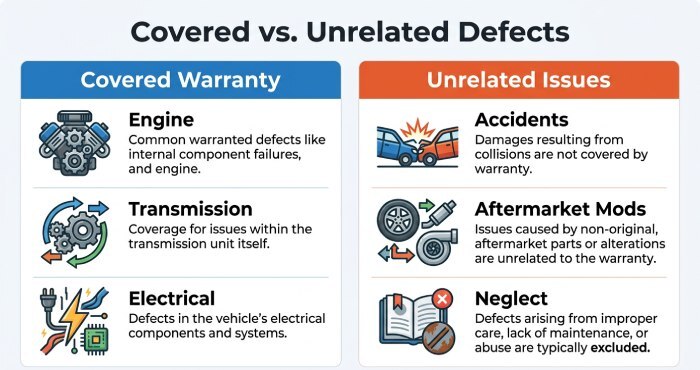
The first issue in California lemon law mediation is determining which vehicle problems are covered. Warranty-related issues, such as transmission, electrical, or engine defects, may support a claim, while accident damage, aftermarket modifications, or neglect may not. A lemon law lawyer can separate the file into covered defects, unrelated conditions, and disputed issues to keep the claim clear and focused.
Documents That Help Separate Defects
Useful supporting documents include repair orders, warranty history, photographs, diagnostic reports, tow records, and communications with the dealer or manufacturer. In the BBB AUTO LINE or California Lemon Law Civil Action Mediation setting, well-labeled documents can help the Dispute Resolution team understand the dispute quickly.
Issue #2: Proving the Covered Defect Substantially Impairs Use, Value, or Safety
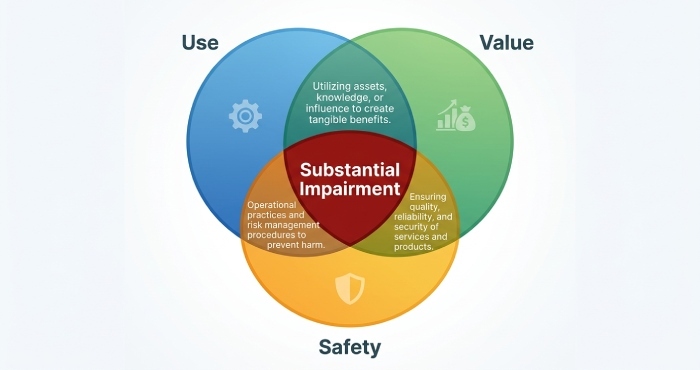
Under California lemon law, a qualifying defect generally must substantially impair the vehicle’s use, value, or safety. In mediation, a plaintiff should explain how the defect affected the vehicle’s operation, reliability, value, or safety, rather than focusing only on inconvenience. Repair records and other documentation can help demonstrate the nature and impact of the defect.
Repeated stalling, brake problems, steering defects, or warning lights may support a claim when reasonable repair attempts were made. A lemon law lawyer can connect the repair records to California law and the Magnuson-Moss Warranty Act, which may provide additional remedies when warranty obligations are not honored.
Issue #3: Handling Manufacturer Claims That New Problems Break the Causation Chain
Responding to Causation Arguments
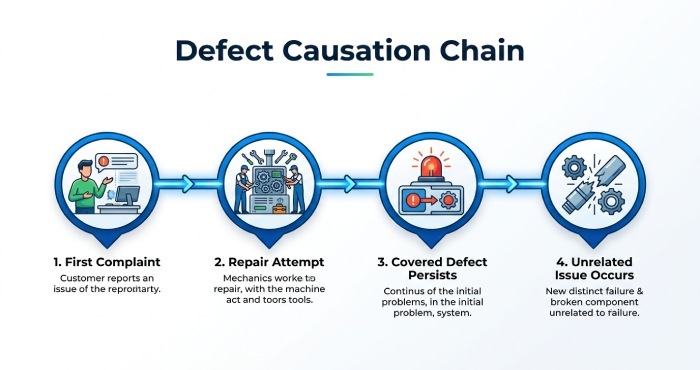
A common mediation tactic is for the manufacturer to argue that a later unrelated problem caused the vehicle’s symptoms. A lemon law lawyer can counter this by establishing a clear timeline showing that the covered defect existed before the unrelated event, was reported for repair, and continued despite repeated attempts.
Keep the Timeline Clean
The timeline should show when the plaintiff first complained, what the dealer did, whether the condition returned, and when any unrelated issue occurred. This helps the mediator evaluate liability without confusing separate disputes.
Issue #4: Organizing Repair Orders to Show Which Defects Were Repeatedly Addressed
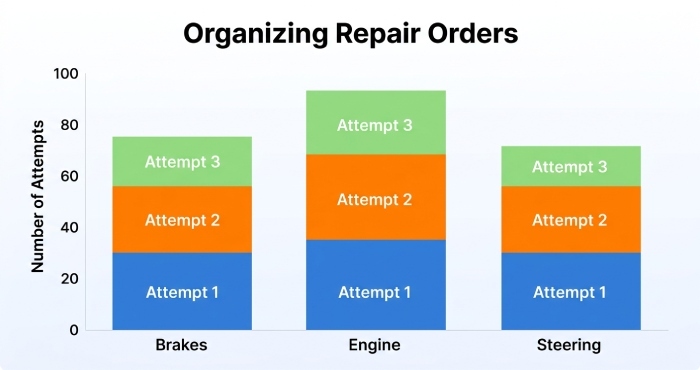
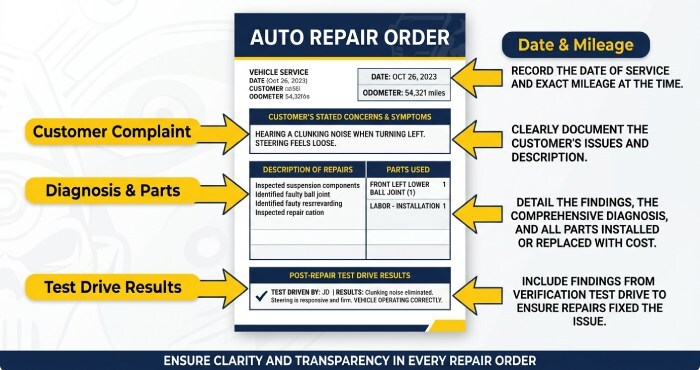
Repair orders are often the most important evidence in California lemon law mediation. They show the complaint, mileage, diagnosis, parts replaced, and whether the repair was verified. If multiple defects exist, the repair orders should be grouped by defect—not simply placed in date order.
A strong civil action file identifies repeated repair attempts for the same warranty-covered problem. The plaintiff should highlight identical complaint language, recurring diagnostic codes, and repeated dealer statements such as “could not duplicate,” “software update,” or “parts ordered.”
Issue #5: Dealing With Aftermarket Modifications, Accidents, or Neglect Allegations
Auto manufacturers may blame aftermarket parts, accidents, poor maintenance, or misuse, but these factors do not automatically defeat a California lemon law claim. A modification or prior accident generally matters only when it caused or contributed to the specific defect.
For RVs and motor homes, where aftermarket equipment and coach systems are common, anrv lemon law attorney may help distinguish chassis defects, living-area defects, and unrelated owner-installed components.
Issue #6: Valuation Disputes When Some Defects Are Not Part of the Lemon Law Claim
Valuation can become more complicated when unrelated vehicle problems are involved. The manufacturer may argue that damage, wear, or non-warranty issues affect the buyback value, while the plaintiff may focus on the covered defect and failed repair attempts. During mediation, the parties may discuss restitution, incidental expenses, registration fees, finance charges, deductions, attorney involvement, filing fees, and other litigation costs when determining a settlement.
Issue #7: Negotiating Buyback, Replacement, or Cash Settlement Terms in Mediation
Mediation can help resolve a California Lemon Law lawsuit without further litigation. Depending on the circumstances, the resolution may include a vehicle buyback, replacement vehicle, cash settlement, or a cash-and-keep arrangement when the consumer wishes to keep the vehicle and both parties agree on compensation.
Settlement Terms to Confirm
Any settlement should clearly address the parties involved, payment deadlines, vehicle return requirements, loan or lease payoff responsibilities, title transfer, and attorney’s fees. Consumers should carefully review every settlement term before signing to ensure the agreement accurately reflects the negotiated resolution and explains what obligations remain after the case is resolved.
Issue #8: Addressing Mileage Offset Arguments When Multiple Issues Exist
Mileage Offset and Multiple Defects
A mileage offset can become disputed when a vehicle has several problems. Under California lemon law, the manufacturer may seek an offset based on mileage before the first relevant repair attempt. If unrelated defects appeared later, the plaintiff should argue that those later issues do not move the offset date forward.
Issue #9: Using a Lemon Law Lawyer in California Mediation to Clarify Liability
How Counsel Helps in Dispute Resolution
A lemon law lawyer can be especially valuable when the manufacturer tries to merge unrelated defects with warranty-covered failures. Alemon law attorney san diego can help organize evidence, frame liability, and prepare the plaintiff for mediation. Working with acalifornia lemon law lawyer may also help ensure that the civil action, responsive pleading timeline, and mandatory mediation obligations are handled correctly.
Issue #10: Avoiding Settlement Language That Releases Unrelated Future Claims
Preserving Rights After Mediation
The final issue is the release language. Manufacturers may seek broad releases covering vehicle-related claims, but this can be risky when owners keep the vehicle after a cash settlement. The agreement should clearly state which claims are resolved and whether unrelated future warranty claims remain available. In California lemon law mediation, the release should match the dispute being settled without unintentionally waiving unrelated claims.
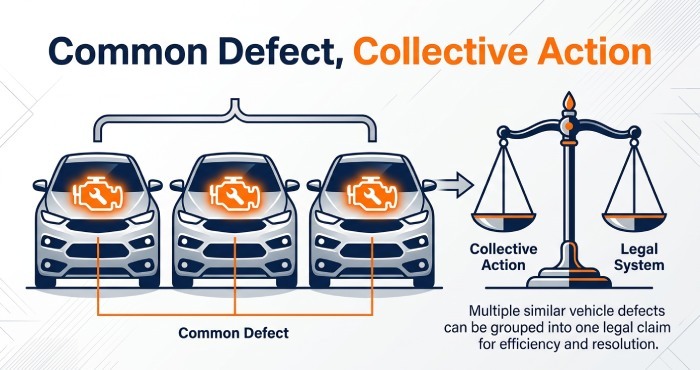
A class action lawsuit allows one or more plaintiffs to pursue claims for a larger group facing similar vehicle defects, such as transmission failures, battery drain, engine stalling, or safety issues. Under California Lemon Law, individual claims generally arise under the Song-Beverly Consumer Warranty Act, which may provide eligible consumers with remedies such as a vehicle replacement, refund, or repurchase when a manufacturer cannot fix a qualifying defect after a reasonable number of repair attempts.
Class actions focus on common defects
A class action lawsuit usually focuses on a defect shared across many vehicles, not necessarily the full history of each buyer or lessee. For example, the legal proceedings may allege that an automobile manufacturer sold vehicles with a known defect covered by a written warranty. The case may seek collective compensation, reimbursement, extended warranty coverage, a settlement agreement, or other relief.
Individual Lemon Law Claims vs. Class Action Lawsuits
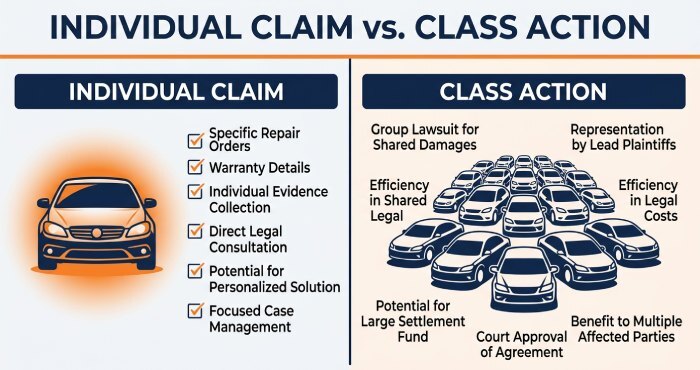
An individual California Lemon Law claim is different from a collective lawsuit. A personal claim looks closely at your defective vehicle, your repair orders, your written warranty, your vehicle identification number, and how long the vehicle was out of service. It also considers whether the manufacturer had a manufacturer obligation to provide a refund, replacement vehicle, or other remedy under the Song-Beverly Consumer Warranty Act and California Civil Code § 1793.2.
By contrast, a class action lawsuit may treat every class member similarly, even if one owner had two repair visits while another had six repair attempts and weeks without transportation. That distinction matters because California Lemon Law analysis can be highly fact-specific.
Remedies may differ significantly
In an individual lemon vehicle case, the consumer may seek:
A refund of the purchase price or lease payments, subject to statutory offsets
Civil penalties in certain willful violation cases
Attorney fees where allowed by the Song-Beverly Consumer Warranty Act
A class action settlement, however, may offer more limited compensation, such as a repair program, reimbursement for past repairs, a modest cash payment, or an extended written warranty. It may not fully account for your faulty automobile, repeated repair attempts, or the personal inconvenience of a prolonged resolution.
Pain and suffering is usually not the core remedy
California Lemon Law claims typically focus on warranty-based remedies, replacement or refund, repurchase, and economic damages rather than personal injury-style pain and suffering. If a defect caused an accident or injury, separate legal action may be required, and an attorney can evaluate whether the warranty dispute overlaps with other claims.
What Happens If Your Vehicle Is Included in a Class Action
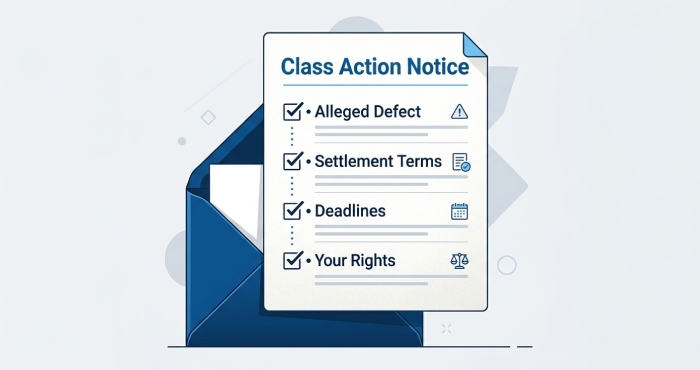
If your vehicle is included in a class action lawsuit, you may receive notice by mail or email. The notice may identify the class, the covered model years, the alleged defect, settlement terms, deadlines, and options for staying in the class or opting out. The notice may also include your rights as an owner, buyer, lessee, or class member.
Being included does not always mean your claim is resolved
Many California consumers assume that being part of a class automatically solves their lemon law problem. That is not always true. A settlement may address a widespread defect but may not provide a full refund, replacement vehicle, or individualized repurchase. If your defective vehicle spent substantial time at the dealership, or if the manufacturer failed to repair it after a reasonable number of repair attempts, your individual claim under the Song-Beverly Consumer Warranty Act may be more valuable than the class benefit.
Watch for release language
The most important part of a class action settlement is often the release. If you remain in the class, you may release personal claims against the manufacturer related to the defect. That release could affect your ability to later demand a refund, replacement vehicle, buyback, or other compensation. A manufacturer’s representative may describe the settlement as helpful, but the release may be broader than expected.
Why Speaking With a California Lemon Law Lawyer Matters
A knowledgeable California Lemon Law Lawyer can review whether a class action lawsuit helps or harms your personal claims. A lawyer can examine the written warranty, repair orders, mileage, defect history, vehicle identification number, and communications with the manufacturer. They can also determine whether the California Lemon Law and Song-Beverly Consumer Warranty Act support a stronger individual result than a class settlement.
For California consumers seeking guidance, acalifornia lemon law lawyer can explain how an individual claim may differ from a class action lawsuit. McMillan Law Group and other consumer protection firms often evaluate whether the manufacturer complied with its obligations and whether the consumer may be entitled to a refund, replacement vehicle, repurchase, or other compensation.
Legal advice can prevent accidental waiver of rights
Before accepting a settlement, cashing a check, submitting a claim form, or signing a release, legal counsel can identify whether the document affects your right to pursue a separate California Lemon Law case. This is especially important if the class action lawsuit involves the same defect, same manufacturer, or same warranty dispute.
A lemon law attorney can also compare informal dispute resolution, BBB AUTO LINE mediation, arbitration, and court-based legal proceedings. The best path may depend on the strength of your repair history, the duration of the defect, the manufacturer’s conduct, and whether the proposed class relief is adequate.
For recreational vehicles and motor homes, a consumer may need specialized help from anrv lemon law attorney because these cases often involve complex warranty coverage, multiple component manufacturers, and extended downtime. For local representation, alemon law attorney san diego can evaluate California-specific facts, including dealership repairs, California Vehicle Code documentation, and communications with the manufacturer.
Legal resources such as paperstreet may discuss how law firms present class and lemon law services online, but the key issue for the consumer is practical: whether staying in the class gives up the right to pursue a stronger individual claim. In many cases, the difference between a limited class benefit and an individual California Lemon Law recovery can be substantial.
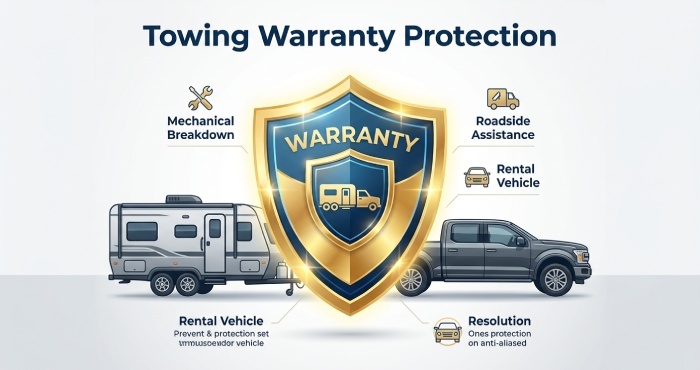
A pickup truck with recurring towing failures may qualify under California Lemon Law when a warranty-covered defect substantially affects its use, value, or safety and remains unresolved after reasonable repair attempts. This can apply to new, leased, or qualifying used trucks with valid warranty coverage.
Towing defects involving the transmission, brakes, engine cooling, trailer stability, electrical systems, or towing package may support a claim. A California lemon law attorney can review the circumstances and determine whether you may qualify for a buyback, refund, replacement, or other compensation.
How California Lemon Law Applies to Pickup Trucks Used for Towing
Covered Trucks, SUVs, and Similar Vehicles
California’s Lemon Law can apply to a truck, SUV, van, or other qualifying vehicle purchased or leased for personal, family, household, or certain business uses. Some business vehicles may qualify if they meet statutory requirements, including limits involving fleet size and gross vehicle weight.
A new vehicle is often the clearest example, but a used vehicle can also qualify when sold with remaining factory warranty. A certified pre-owned pickup may qualify if warranty-backed towing defects appear during the covered period. In some cases, a demonstration vehicle or dealer loaner sold with warranty protection can also receive Lemon Law protections.
New Vehicle and Used Vehicle Coverage
A new vehicle with a factory-installed tow package is expected to perform safely and reliably within its rated capacity. A qualifying used vehicle may also be protected when towing-related vehicle defects arise under the remaining manufacturer warranty. If a used car dealership sells a certified pre-owned pickup with warranty promises, those documents may become important evidence in a lemon law claim.
Warranty Coverage Matters
The defect generally must be reported while covered by the manufacturer warranty or qualifying warranty coverage. If the dealer says a towing issue is “normal,” but the problem continues, truck owners should request written repair orders rather than relying on verbal explanations.
Common Persistent Towing Problems That May Indicate a Lemon
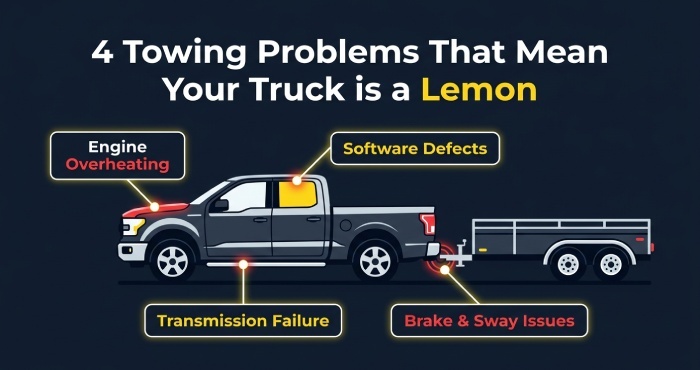
Towing places extra stress on the engine, transmission, brakes, suspension, cooling system, electronics, and advanced driver-assistance systems. Repeated failure in these systems may indicate a lemon truck.
Transmission, Drivetrain, and Powertrain Failures
Common towing-related vehicle defects include hard shifting, transmission overheating, slipping gears, driveline vibration, loss of torque, or sudden limp mode while hauling a trailer. These problems can create serious safety risks, especially on grades, highways, or while merging.
Engine Cooling and Overheating
A pickup that overheats while towing within its rated capacity may have radiator, fan, thermostat, turbocharger, or software defects. If the dealer performs multiple repairs but the truck continues overheating, that history may support a lemon law case.
Brake and Trailer Control Problems
Towing defects may also involve trailer brake controller failure, unstable trailer sway control, electronic stability issues, or malfunctioning safety feature systems. When factory towing technology does not work as designed, the defect may substantially impair safe operation.
Electrical and Software Defects
Modern trucks depend on complex software. A faulty towing mode, recurring dashboard warnings, trailer detection errors, backup camera glitches, or blind-spot monitoring failure may support a lemon law claim if the problem remains unresolved after repeat visits.
Warranty disputes can affect vehicles from BMW and Mercedes to Mini Cooper and RVs. AnRV lemon law attorney can help owners understand their rights when covered defects substantially impair their vehicle.
What Counts as a Reasonable Number of Repair Attempts in California
Repair Attempts and Days Out of Service
Repair Attempts and Days Out of Service: Repeated repairs or extended downtime may strengthen a truck’s lemon law claim.
Multiple Repairs for the Same Defect: Multiple repair attempts for the same towing problem can provide strong evidence of a recurring defect.
Safety-Related Towing Defects: Defects affecting braking, steering, stability, or acceleration may require prompt legal review.
Manufacturer and Dealer Responses
Manufacturers may blame overloading, modifications, or improper towing, so owners should preserve towing ratings, payload records, and trailer weight documentation. A lemon law lawyer can challenge unsupported defenses and help the consumer, as Plaintiff, pursue the claim against the manufacturer or defendant.
Evidence Truck Owners Should Gather to Support a Lemon Law Claim
A successful lemon law claim depends heavily on documentation. The more organized the records, the easier it is for a lemon law lawyer to evaluate the legal process and pursue appropriate compensation.
Key Documents to Save
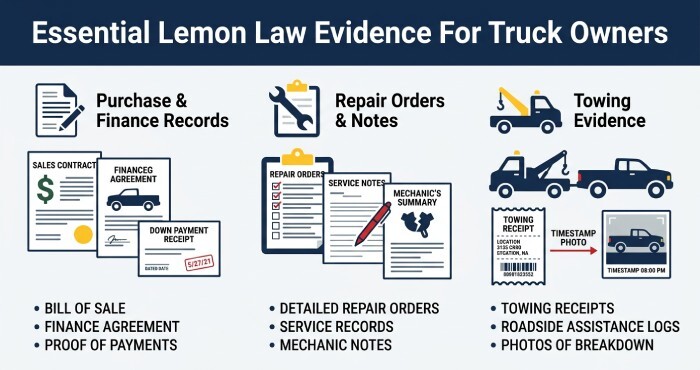
Purchase, Lease, and Finance Records:Keep all purchase, lease, registration, warranty, and financing documents to support refund or buyback calculations.
Repair Orders and Dealer Notes: Keep every repair order showing the complaint, mileage, diagnosis, repairs, and dealer findings.
Towing Evidence: Save weight slips, photos, videos, warning lights, towing specifications, and service messages to document proper vehicle use.
Communications and Warranty Proof
Keep emails, texts, voicemails, service portal screenshots, and customer care case numbers. Also preserve the manufacturer warranty, extended warranty paperwork, certified pre-owned documents, and any warranty coverage statements from the used car dealership.
A CaliforniaLemon Law Guide can help consumers understand basic filing requirements, but every case depends on its specific facts. Consulting a qualified lemon law attorney in San Diego can help determine whether the available evidence supports a settlement, vehicle repurchase, replacement vehicle, or trial strategy.
When to Contact a Lemon Law Lawyer in California for Truck Towing Issues
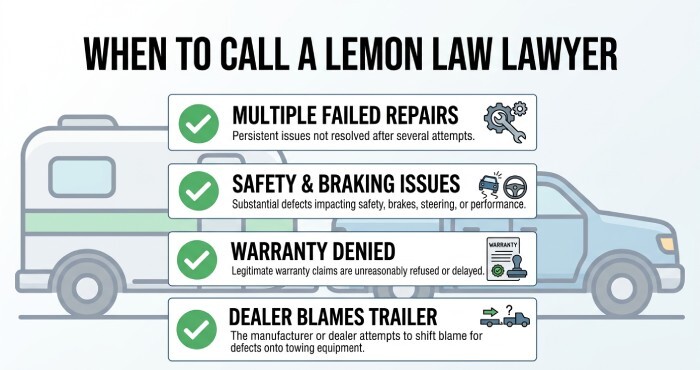
Truck owners should contact aCalifornia lemon law lawyer as soon as towing defects continue after repeated service visits, particularly when the dealer cannot duplicate the problem, denies warranty coverage, or claims the issue is normal. Seeking legal representation early can help protect the truck owner’s rights and avoid mistakes that could weaken a lemon law claim.
Signs It Is Time for a Case Review
You should consider contacting a lemon law attorney if:
The same towing problem has required multiple repairs.
The truck has spent significant time at the dealership or auto shop.
The manufacturer refuses to authorize further warranty repairs.
The towing defect affects safety, braking, stability, acceleration, or cooling.
You bought a new vehicle, certified pre-owned truck, or qualifying used vehicle with active warranty.
The dealer blames trailer weight without evidence.
You need help evaluating compensation, refund, buyback, or repurchase options.
Truck owners should contact a California lemon law lawyer when persistent towing defects continue despite repeated repairs, warranty coverage is denied, safety is affected, or the dealer disputes the cause, so they can evaluate potential compensation, repurchase, or buyback options.
Strong documentation is essential for a successful California Lemon Law claim. Under the Song-Beverly Consumer Warranty Act, eligible consumers may receive a refund, replacement vehicle, compensation, civil penalties, and attorney’s fees. A California lemon law lawyer can review the warranty, purchase records, and repair history to determine whether the vehicle qualifies.
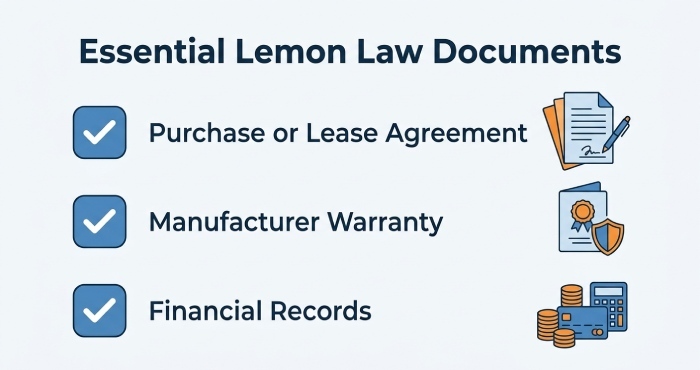
1: Vehicle Purchase or Lease Agreement Showing Warranty Coverage
Your purchase or lease agreement provides key lemon law details, including the buyer, seller, vehicle, purchase date, mileage, financing or lease terms, and whether the vehicle was new, used, certified pre-owned, a demo, or leased.
Why the Agreement Matters
Under California Lemon Law and the Song-Beverly Consumer Warranty Act, timing is critical. The contract helps establish whether the defective vehicle was covered by a warranty when the substantial defect appeared. It may also show the vehicle value, loan/lease pay off amount, registration charges, taxes, and fees that may factor into a full purchase refund or fair replacement.
Key Documents to Preserve
Keep the retail installment sales contract, lease agreement, buyer’s order, odometer disclosure, pink slip paperwork, certified pre-owned inspection checklist, and any defect disclosure documents provided by the dealership or used car dealership.
2: Manufacturer’s Written Warranty and Extended Service Contracts
The manufacturer’s written warranty is essential to proving a breach because the Song-Beverly Consumer Warranty Act examines whether the manufacturer or its authorized repair facility failed to bring the vehicle into conformity with the applicable express warranty.
Warranty Terms That Support the Claim
Keep all warranty booklets, CPO materials, service contracts, powertrain and emissions coverage, and relevant Federal Lemon Law or Magnuson-Moss documents. A lemon law lawyer can review the warranty terms, repair history, defect, and applicable deadlines, including whether the statute of limitations has been preserved.
3: Repair Orders and Service Invoices from the Dealership
What Each Repair Order Should Show
Keep every repair invoice showing the date, mileage, complaint, diagnosis, parts replaced, labor performed, and test-drive results, including “could not duplicate,” “operating as designed,” or “no problem found” entries, as they may still support a lemon law claim when the defect persists.
Avoid Verbal-Only Service Visits
If a service advisor tells you the dealership cannot find the problem, ask for a written repair order. A lemon law attorney can use repeated written complaints to show a reasonable number of repairs, even when the manufacturer later argues that no defect existed.
4: Detailed Timeline of Defects, Breakdowns, and Repair Attempts
Building a Persuasive Chronology
List the date, mileage, symptom, safety concern, dealership visit, and outcome for every event. Include recurring problems such as engine stalling, transmission hesitation, brake failure, electrical shutdowns, infotainment failures, battery drain, or airbag warnings.
Safety and Substantial Defect Details
California Lemon Law generally focuses on defects that impair use, value, or safety. If the issue is a safety defect affecting vehicle safety—such as loss of steering, brake malfunction, or sudden power loss—note how it affected driving conditions, passengers, and the risk of a crash.
5: Written Communications with the Dealership and Manufacturer
Emails, texts, letters, case numbers, and portal messages can prove notice, repair delays, refusals, or warranty-related inconsistencies.
Communications That Strengthen the Case
Save all communications with the service advisor, sales manager, manufacturer, corporate offices, and case managers. Record call dates, representative names, and key details, as these records may support a lemon law attorney’s evaluation of willful violations. Online reviews and California Lemon Law resources may also reveal recurring manufacturer or dealership issues, but they do not replace legal advice.
6: Proof of Days the Vehicle Was Out of Service
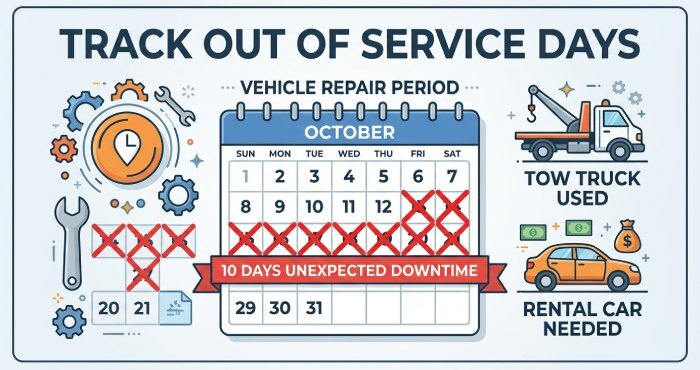
The number of days a vehicle remains out of service can provide strong evidence, as California Lemon Law may offer relief when extended warranty repairs keep the vehicle at a dealership for an excessive period despite repeated repair attempts.
What Counts as Out-of-Service Evidence
Keep repair orders, rental receipts, tow records, dealership appointments, parts backorder notices, and messages showing extended downtime, as they can support settlement, refund, or replacement vehicle claims.
For recreational vehicle claims, downtime evidence may be especially important because repairs can involve specialized components, long parts delays, or multiple service locations. In those cases, consulting an rv lemon law attorney may help determine whether the recreational vehicle qualifies.
7: Photos, Videos, and Diagnostic Records Documenting the Defect
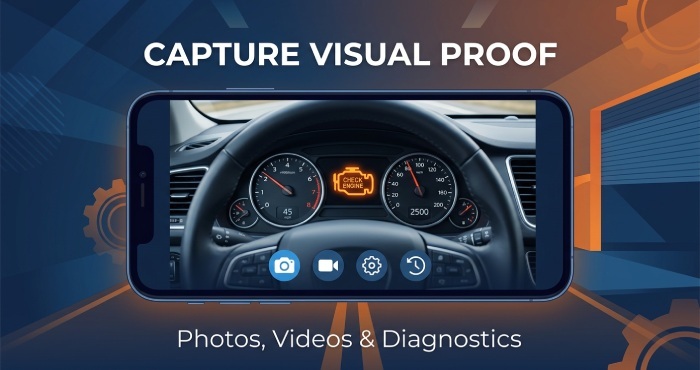
Visual evidence can make a defective vehicle case more persuasive. Photos and videos help demonstrate intermittent or recurring issues that the dealership claims it cannot duplicate.
Effective Visual and Technical Proof
Document warning lights, leaks, smoke, unusual noises, screen failures, water intrusion, brake alerts, and transmission problems when safe. Keep diagnostic codes, scan reports, battery tests, alignment records, and inspection results to help a lemon law lawyer establish that the defect is recurring, warranty-covered, and not caused by the consumer.
8: Maintenance Records Showing Proper Vehicle Care
Manufacturers often defend California Lemon Law claims by blaming the consumer for poor maintenance, misuse, aftermarket modifications, or neglect. Maintenance records help rebut those arguments.
Records That Show Responsible Ownership
Keep maintenance receipts, recall notices, and manufacturer-recommended service records, along with pre-sale inspections and certified pre-owned documents. A lemon law attorney can review these records to assess warranty coverage and vehicle eligibility under California’s Song-Beverly Consumer Warranty Act and related law.
9: Expert Inspection Reports Supporting the Lemon Law Claim
Expert inspections can determine whether a defect is substantial, recurring, and warranty-related by examining the vehicle, diagnostic codes, service records, and quality of previous repairs.
When Expert Evidence Helps
Expert reports can help establish the cause of disputed vehicle defects, especially involving electrical, engine, ADAS, water leak, or safety issues. Alemon law attorney san diego can determine whether an inspection is needed and use the findings to strengthen negotiations with the manufacturer.
10: Records of Costs, Payments, and Damages for Settlement Negotiations
Complete financial records strengthen settlement negotiations by making it easier to calculate compensation, refunds, vehicle replacements, and other remedies available under California Lemon Law and the Song-Beverly Consumer Warranty Act.
Financial Records to Gather
Keep records of your down payment, loan or lease payments, registration fees, insurance, towing, rental cars, rideshare costs, repairs, and other related expenses, as they may affect your refund, payoff, civil penalties, and settlement value. A California Lemon Law lawyer may also pursue recoverable attorney’s fees and evaluate potential claims under the Song-Beverly Consumer Warranty Act or the federal Magnuson-Moss Warranty Act when a manufacturer fails to meet its warranty obligations.
Recreational vehicles (RVs) represent not only a way to travel but also embody freedom, adventure, and the great outdoors. However, when mechanical issues arise or the interior deteriorates, this dream can quickly become a nightmare. Many RV owners realize, often too late, that while their warranty or lemon law provisions cover engine problems, they do not extend to the living area. This frustrating scenario leads to an important question: What options are available when your RV’s engine is eligible for repairs or replacement, but the living space is not?
00:00
Understanding the Split: Why Your RV Engine Qualifies, But the Cabin Doesn’t
The Dual Warranty Structure of RVs
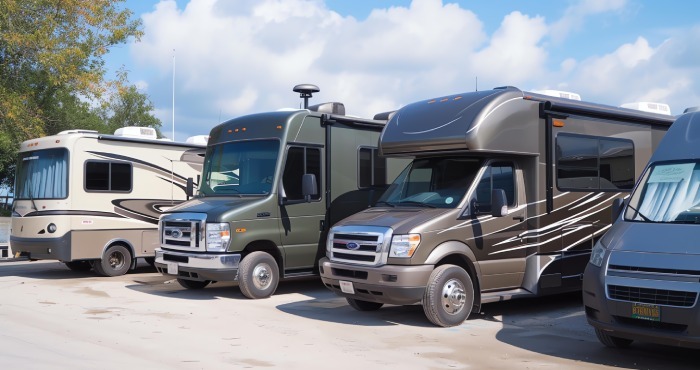
The chassis, comprising the engine, transmission, and drivetrain, is produced by a vehicle manufacturer such as Ford, Mercedes-Benz, or Freightliner. In contrast, the coach or living area, which encompasses the plumbing, appliances, and electrical systems, is made by a different RV manufacturer.
Each part has its unique warranty terms, duration, and limitations. So, if there’s an issue with the engine, Ford would handle it, but for problems like a leaking water heater or a malfunctioning slide-out, you would need to address those with the RV manufacturer.
Why Cabin Issues Often Go Uncovered
Cabin warranties are generally more limited in duration and scope. Numerous manufacturers classify certain cabin components as susceptible to “wear and tear,” which complicates the ability to seek repairs or replacements under lemon laws. Furthermore, state lemon laws primarily address issues related to drivability and safety, predominantly concerning the engine and chassis, rather than the interior features.
Steps to Take When Your RV Engine Qualifies but the Cabin Doesn’t
Step 1: Review Both Warranties Thoroughly
Prior to submitting any complaints or pursuing legal measures, thoroughly review both the chassis warranty and the coach warranty.
What to Look For in Your RV Warranty Documents
Warranty Length and Scope: Review the validity period of each warranty and its specific inclusions.
Exclusions: Determine which components or systems are not covered.
Approved Service Providers: Using a non-authorized facility may result in loss of coverage.
Repair Deadlines: Keep track of the timeframe the manufacturer has to finish repairs, after which you can raise concerns.
Maintain thorough records of all communications, including dates, service order numbers, and the names of customer service agents.
Step 2: Contact Both Manufacturers
If your RV’s engine is eligible for repairs while the cabin isn’t, reach out to both the chassis manufacturer and the coach builder.
How to Handle Manufacturer Communication
Begin with documented correspondence. Utilizing emails or official letters establishes a record of your communication.
Be precise. Clearly outline the problem and cite any relevant warranty clauses.
Seek good-faith repairs. Even if a concern falls outside of warranty coverage, some manufacturers may provide full or partial repairs as a gesture of goodwill, particularly for newer RVs.
Broad vs. limited coverage: Comprehensive policies detail what is included, while exclusionary ones specify what is excluded; typically, the latter are more extensive.
Provider reputation is crucial: Opt for companies that have positive feedback and offer services across the country.
Review deductible conditions: Certain plans might have deductibles for each visit, which can accumulate rapidly.
Although extended warranties might be expensive, they can potentially save you a significant amount if key cabin parts break down after the initial warranty period ends.
Exploring Legal Remedies for Cabin Issues
In Scripps Ranch, San Diego, if your RV’s interior issues persist and the manufacturer won’t help, a Lemon Law lawyer can guide you toward fair compensation and effective legal remedies.
When Lemon Laws Apply — and When They Don’t
Lemon laws differ from one state to another, but they generally apply more to cars than to recreational vehicles. Consequently, these laws mainly safeguard the vehicle’s critical components like the engine, transmission, steering, and brakes, rather than the RV’s interior.
Common Criteria for Lemon Law Protection
The RV has a significant flaw that impacts its usability, safety, or worth. This problem arose within a designated period or mileage range. The manufacturer had several chances to resolve the issue but did not succeed.
Regrettably, issues related to plumbing, slide-outs, or interior features may not be covered unless they make the RV unserviceable or unsafe to drive.
Step 4: Consult a Lemon Law Attorney
Even if you’re unsure your case qualifies, consult an RV Lemon Law attorney.
What a Lawyer Can Help You With
Assessing whether your case is governed by federal or state regulations.
Engaging in discussions to reach settlements or repurchase agreements with the manufacturer.
Pursuing arbitration or legal action if necessary.
Step 5: Consider Arbitration or Mediation
Before initiating legal action, verify whether your warranty mandates arbitration, which involves a neutral third party making the final decision.
Benefits of Arbitration
Quicker and more cost-effective than litigation. Typically it settles in 60 to 90 days. Rulings can require manufacturers to cover repair expenses or issue refunds.
Keep in mind that arbitration outcomes can be binding, which means further legal recourse may not be an option. It’s essential to review the details carefully before committing.
Preventing Future Problems
Research Before You Buy
Prior to purchasing an RV, research the reliability of both the chassis and the coach manufacturers, as well as the quality of their after-sales service.
Tips for Smart RV Purchasing
Explore owner discussion groups: Genuine feedback from users can highlight common issues.
Evaluate warranty conditions: More extensive and longer warranties typically suggest greater trust from the manufacturer.
Examine the RV carefully: Consider hiring a professional RV inspector prior to completing the purchase.
If your RV’s engine is under warranty but the cabin isn’t, dealing with two manufacturers can be frustrating. San Diego Lemon Law lawyers can help you understand your rights and advocate for fair treatment.
Keep detailed records, communicate clearly, explore legal options, and plan for future insurance to protect your RV and enjoy worry-free travels.