Understanding California Lemon Law and How It Protects Vehicle Buyers
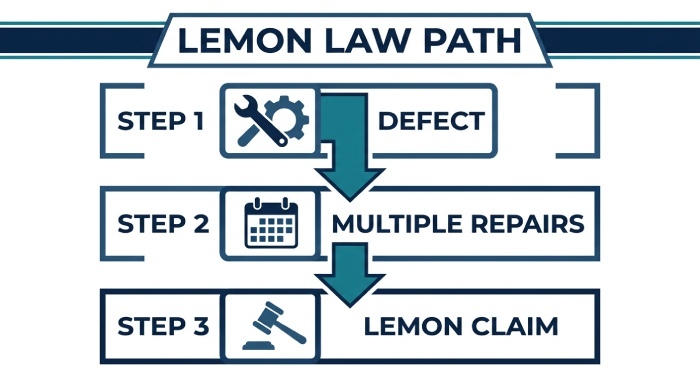
California Lemon Law protects consumers when a defective vehicle cannot be repaired after a reasonable number of attempts. If a vehicle covered by the manufacturer’s warranty has a defect that substantially affects its use, value, or safety, the manufacturer may be required to provide a refund, replacement vehicle, or other compensation.
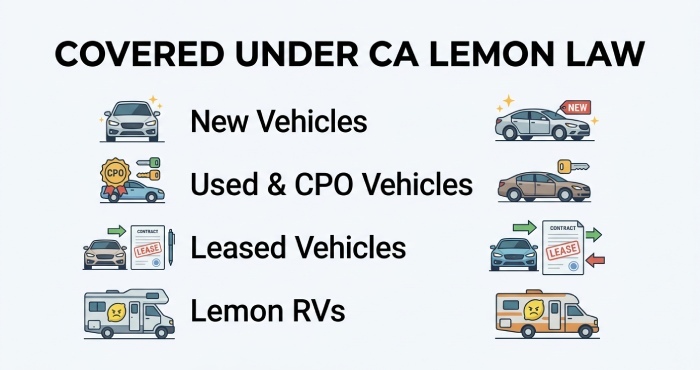
The law may apply to new, used, certified pre-owned, leased, and certain demonstration vehicles with qualifying warranty coverage. A lemon law attorney can review your purchase documents, repair records, and warranty to determine whether you have a valid claim and help pursue compensation if the manufacturer fails to resolve the defect.
For drivers in San Diego, California, speaking with a lemon law attorney san diego can be a practical first step when repair delays or repeat repairs are disrupting daily life.
Vehicles and Defects Commonly Covered
California Lemon Law protections can apply when a substantial defect causes substantial problems with drivability, safety, electronics, engine performance, transmission function, braking, steering, air conditioning, or other vehicle defects. The defect must generally arise during the vehicle warranty period, and repairs under warranty should be documented by a dealership, repair facility, or vehicle repair shop.
What Counts as a Reasonable Number of Repair Attempts in California
Why “Reasonable” Depends on the Defect
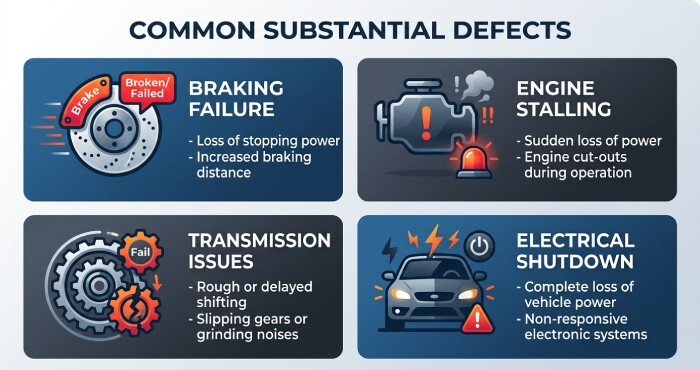
Reasonable repair attempts are judged in context. A defective radio is inconvenient, but a braking failure, stalling engine, steering malfunction, fuel leak, or electrical shutdown creates a different level of risk. When a defective vehicle cannot be safely driven, the manufacturer may have less room to argue that more repair attempts are needed.
A consumer protection attorney can also determine whether the manufacturer’s refusal to offer a purchase refund, replacement vehicle, or other compensation supports civil penalties. In some cases, civil penalty exposure may increase the settlement value if the manufacturer knowingly failed to comply with California Lemon Law.
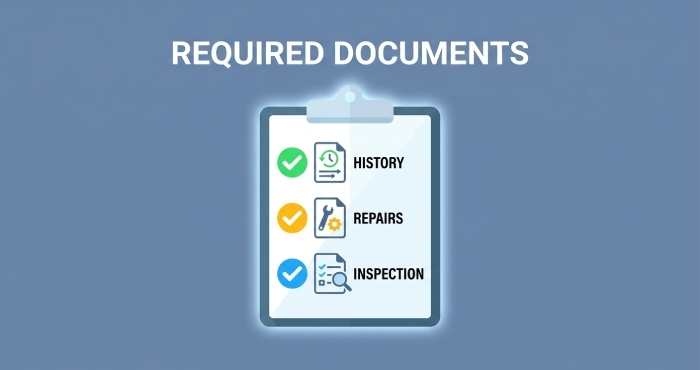
Documents That Help Prove Repair Attempts
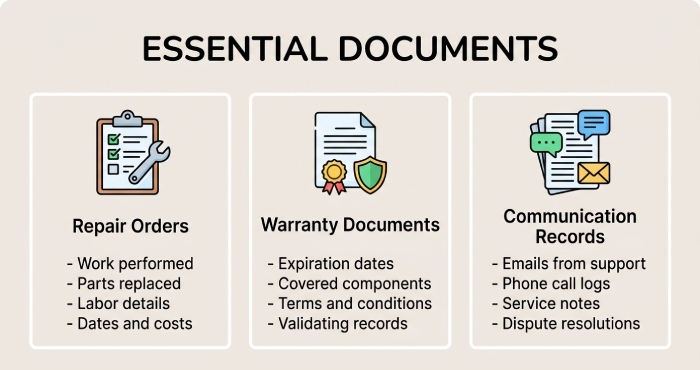
Strong evidence often includes:
Each repair order from the dealer or repair shop
The repair record showing dates in and out of service
Notes about repeated symptoms
Warranty coverage and manufacturer’s warranty documents
Photos, videos, recall notices, and towing records
An experienced attorney uses this evidence to build the lemon law claim and calculate the refund amount, loan/lease payoff, or value of a replacement vehicle.
Repair Delays: When Your Vehicle Spends Too Much Time in the Shop
The 30-Day Out-of-Service Issue
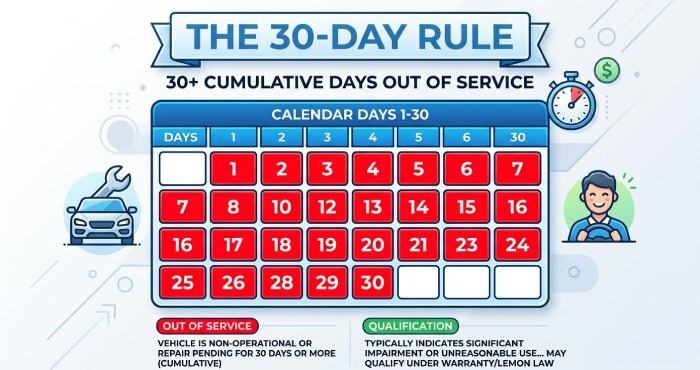
Many California consumers hear about the “30-day rule.” While every case depends on the facts, a vehicle that is out of service for a total of 30 or more days for warranty repairs may raise serious CA Lemon Law concerns. Those days do not always need to be consecutive. If your used vehicle, certified pre-owned vehicle, lemon car, or lemon RV keeps returning to the repair facility, the cumulative downtime matters.
A lemon law lawyer can review whether delays were caused by the dealership, parts shortages, manufacturer approval problems, or repeated failed diagnostics. If the vehicle was under vehicle warranty and repairs under warranty did not restore it, compensation, a refund, or a replacement vehicle may be available.
Delays Caused by Parts or Diagnostics
Manufacturers sometimes argue that parts delays are unavoidable. However, California Lemon Law focuses on the consumer’s loss of use and whether the manufacturer honored its obligations. If your defective vehicle is parked at a repair facility while the manufacturer waits for parts, the delay may still count against the manufacturer.
A california lemon law lawyer can provide a case evaluation, discuss attorney fees, and explain whether a free consultation is available before you pursue the legal process.
Repeat Repairs for the Same Problem: A Major Lemon Law Warning Sign
When the Vehicle Is “Fixed” but the Problem Returns
If the same defect returns after a repair, your vehicle may still qualify for protection under California Lemon Law. Repeated temporary fixes, software updates, or “no problem found” findings do not necessarily resolve the manufacturer’s responsibility. Recurring problems may support a claim for a vehicle buyback, replacement, refund, or other available compensation.
Used Vehicle and Certified Pre-Owned Claims
Used and certified pre-owned vehicles may qualify for California Lemon Law if they were covered by a qualifying manufacturer or express warranty. Repeated warranty repairs for the same defect can support a claim, even if the vehicle was purchased used. An experienced lemon law attorney can evaluate your records and determine whether you may be eligible for a refund, replacement vehicle, or other legal remedies.
Safety Defects and Why Fewer Repair Attempts May Be Enough
Why Legal Help Matters Early
An attorney can act as your advocate, communicate with the manufacturer, organize evidence, and push for compensation without letting the manufacturer control the process. A lemon law lawyer understands how to present a lemon law case, respond to manufacturer refusal, and pursue a settlement or trial when necessary.
For RV owners, a rv lemon law attorney can evaluate complex warranty issues involving a lemon RV, chassis defects, coach systems, and repairs split between multiple facilities. Members of the U.S. Armed Forces stationed in California may also have specific concerns about where the vehicle was purchased, registered, or repaired.
Documentation You Need to Prove Repair Attempts and Delays
Repair Orders, Invoices, and Service Records
Keep every repair order, invoice, and service record from each dealership or authorized repair visit, even if the repair was unsuccessful or marked “could not duplicate.” These records document the reported defect, repair attempts, warranty work, and the amount of time your vehicle was out of service. Complete service records can provide valuable evidence when pursuing a California Lemon Law claim.
Warranty, Purchase, Loan, and Lease Documents
Save all warranty documents, purchase or lease agreements, financing records, registration paperwork, recall notices, and communications with the manufacturer or dealership. These documents help establish warranty coverage and confirm your ownership or lease terms. They are essential for determining whether your vehicle qualifies for protection under California Lemon Law.
Tracking Days Out of Service and Delays
Maintain a timeline that records repair dates, dealership visits, vehicle downtime, and when the defect returned. Also keep receipts for rental vehicles or other transportation expenses caused by warranty repairs. A detailed timeline helps demonstrate excessive repair delays and supports a stronger California Lemon Law case.
Key Takeaways
Keep every repair order, warranty document, purchase contract, and communication with the manufacturer or dealership.
A used vehicle, certified pre-owned vehicle, leased vehicle, lemon RV, or new vehicle may qualify if warranty coverage and legal requirements are met.
Contact a lemon law lawyer before accepting a refund, replacement vehicle, or cash settlement.
California Lemon Law remedies may include a manufacturer buyback, replacement vehicle, compensation, civil penalties, and attorney fees.
Numerous buyers acquire extended warranties with the belief that they provide thorough coverage, only to find out later that some repairs are not included when issues occur. Typical exclusions can encompass items affected by normal wear and tear, regular maintenance, pre-existing issues, and damage resulting from misuse or neglect. By being aware of these restrictions before agreeing to a warranty, consumers can prevent surprise expenses and make wiser choices regarding their coverage.
Wear-and-Tear Items and Routine Maintenance That Extended Warranties Usually Do Not Cover
An extended warranty is often marketed as purchase protection against expensive car repairs, but consumers frequently misunderstand what warranty coverage actually includes. Unlike a factory warranty or manufacturer warranty, which typically comes with a new vehicle purchase, an extended warranty is usually a service contract sold by a dealership, auto dealer, service plan company, or Private warranty provider after—or near the end of—the original warranty period.
Consumables, Maintenance, and “Normal Use” Parts
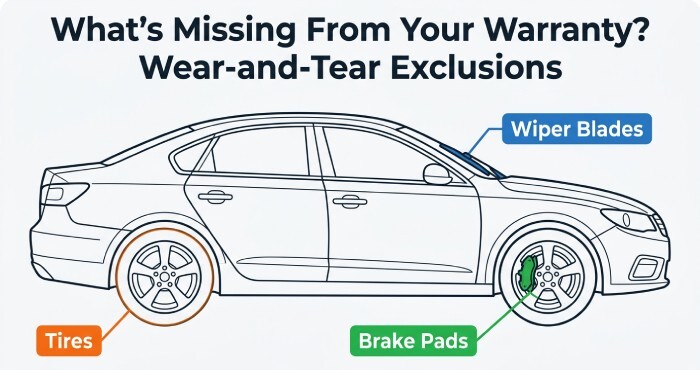
Most extended warranty plans exclude wear-and-tear items and routine maintenance. Brake pads, tires, wiper blades, belts, hoses, fluids, filters, spark plugs, alignments, and oil changes are rarely covered parts. Even when bumper-to-bumper coverage sounds broad, the warranty fine print may state that maintenance items are outside the service contract.
This is also true for many dealer warranty products, third-party warranty plans, and even some used car warranty agreements. A dealer warranty may cover specific mechanical failures, but it usually does not pay for predictable deterioration. Powertrain coverage, for example, may include engine coverage, transmission coverage, and drive axle coverage, but it will not usually cover clutch wear, fluid services, or damage caused by missed maintenance.
Why “Bumper-to-Bumper” Does Not Mean Everything
Bumper-to-bumper coverage can be misleading. A factory warranty may offer strong bumper-to-bumper coverage for a limited period, but an extended warranty version may include more warranty exclusions. The manufacturer warranty might cover defects in workmanship, while a third-party warranty may only cover listed failures of named components. Consumers should compare factory warranty terms, dealer warranty promises, and third-party warranty limits before assuming the warranty benefits are identical.
Pre-Existing Problems, Improper Repairs, and Maintenance Record Requirements
Maintenance Records and Claim Denials
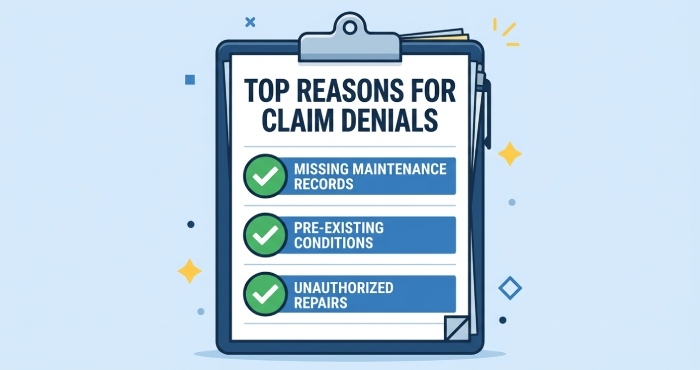
Extended warranty providers often require proof that the vehicle was maintained according to the manufacturer’s recommended service schedule. Missing records for oil changes, coolant flushes, or transmission services can lead to claim denials, particularly when engine, transmission, or drivetrain components fail.
Coverage may also be denied if prior repairs were performed improperly, non-OEM parts were used where required, or unauthorized repairs contributed to the breakdown. In addition, many warranty contracts require repairs to be completed at approved repair facilities or dealerships before reimbursement or coverage will be considered
Keep Written Proof Before and After Repairs
A written warranty, maintenance receipts, diagnostic reports, and repair invoices can be critical. A reputable provider will explain documentation requirements clearly, while a less transparent service contract provider may rely on vague language to deny repair bills. Consumers should also track repair attempts, mileage limitations, and any conversations with the warranty administrator.
Exclusions for Electronics, Software, Diagnostics, and “Non-Mechanical” Components
Modern vehicles depend heavily on software, sensors, modules, cameras, infotainment systems, hybrid systems, and advanced driver-assistance technology. Yet many extended warranty contracts still distinguish between “mechanical breakdown” and electronic, software, diagnostic, or non-mechanical failures.
Electronics and Diagnostics Are Often Limited
Factory warranties typically include coverage for electronic parts while the original warranty is in effect. However, extended warranties frequently do not cover certain items like screens, navigation systems, key fobs, wiring, software upgrades, and diagnostic services.
Additionally, battery coverage may be restricted, with distinct warranties available for various battery components. Since coverage levels can differ significantly, it is crucial for consumers to thoroughly examine the warranty details and manufacturer information to know what is included and what is excluded.
How Lemon Law Protections Differ from Extended Warranty Coverage and When Consumers Should Seek Legal Help
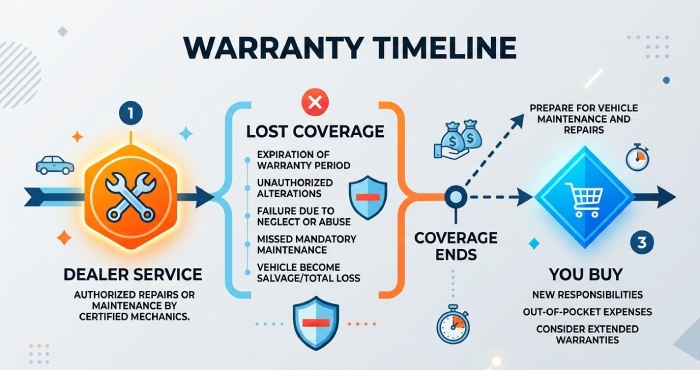
Lemon law protections are fundamentally different from an extended warranty. A factory warranty, manufacturer warranty, dealer warranty, third-party warranty, or service contract is simply a promise to repair or pay for certain covered components. By contrast, lemon law rights are legal remedies that may apply when substantial vehicle defects persist despite reasonable repair attempts. A California lemon law lawyer can evaluate the repair history, warranty coverage, and defect documentation to determine whether the consumer may be entitled to a refund, replacement vehicle, or other relief under California’s lemon law statutes.
Warranty Coverage vs. Statutory Rights
A lemon law claim usually focuses on defects covered during the original manufacturer warranty or factory warranty period. State lemon law rules vary, but many require repeated repair attempts, a serious safety defect, or the vehicle being out of service for a specified number of days.
In Oakland, California, consumers may also rely on federal protections under the Magnuson-Moss Warranty Act when a written warranty is breached, supporting claims involving warranty coverage disputes, repeated repair failures, and deceptive warranty practices.
An extended warranty may help pay for out-of-pocket repairs after the factory warranty expires, but it generally does not create the same refund eligibility, replacement rights, or statutory compensation available under lemon law. A third-party warranty denial may be a contract dispute, while a lemon law case may involve the car manufacturer’s failure to repair defects under the manufacturer warranty. Arbitration may be required in some programs, and some consumers may encounter an arbitration form from a car manufacturer or state agency.
A lemon law expert or Lemon Law attorney can help determine whether the consumer has a service contract dispute, a manufacturer warranty claim, or a true lemon law claim. In California, consumers may consult a San Diego lemon lawyer to evaluate their legal options and determine whether they qualify for remedies under the state’s lemon law protections.
If the issue involves repeated defects during the factory warranty, lemon law may offer stronger remedies than an extended warranty. If the dispute involves denied repair costs under a dealer warranty, third-party warranty, or customizable coverage plan, the consumer may need to challenge service claim restrictions, repair shop restrictions, or improper exclusions directly with the service contract provider.
Demo vehicles may seem like a smart alternative to new vehicles because they often cost less and still include a manufacturer warranty. However, demonstration vehicles, leased vehicles, certified pre-owned vehicles, and other used vehicles may have hidden wear, prior repairs, or serious vehicle defects that could lead to California Lemon Law concerns.
00:00
Way #1: Calling Demo Vehicles “Nearly New” Without Clarifying Prior Use
Why “Nearly New” Can Be Misleading
A dealership may describe demo vehicles as “nearly new” because they have never been titled to a retail buyer. That phrase can obscure the fact that demonstration vehicles may have accumulated mileage through test drives, manager use, service loaner use, or short-term promotional driving.
Demo vehicles are not always the same as new vehicles in practical terms. They may have been driven aggressively by multiple people, parked outside for months, or used in conditions the buyer never agreed to accept. Under California Lemon Law principles, the details matter: mileage, prior repair attempts, warranty start date, and whether the manufacturer warranty remains intact.
Way #2: Emphasizing Discounts While Downplaying Mileage and Wear
The Discount May Not Reflect the Risk
Dealers often market demo vehicles with phrases like “huge savings,” “manager special,” or “low-mileage deal.” A discount can be legitimate, but it should be weighed against mileage, tire wear, brake wear, cosmetic damage, and possible hidden vehicle defects.
Demo vehicles and used vehicles may have suffered more wear than the odometer suggests. A BMW, Mercedes, or Mini Cooper demo may look pristine on the lot, but repeated short test drives can create mechanical stress. If a dealer focuses only on monthly payments and avoids discussing the vehicle’s history, car buyers may miss important purchase protection issues.
Key Questions Buyers Should Ask
Ask the dealership for a written use history, prior repair records, inspection reports, and the exact date the manufacturer warranty began. If the dealer refuses, that may raise concerns about auto fraud or nondisclosure.
Way #3: Presenting Manufacturer Warranties Without Explaining Coverage Limits
Warranty Language Can Sound Stronger Than It Is
Many demonstration vehicles are sold with a manufacturer warranty, but the coverage may have started before the buyer purchased the vehicle. In some cases, the warranty clock begins when the dealer first puts the demo vehicle into service, leaving less remaining coverage than expected. Similar issues can affect leased vehicles, certified pre-owned vehicles, and certain used vehicles sold with limited warranty terms.
A dealer may advertise that a vehicle is “still under warranty” without fully explaining shortened coverage periods, warranty exclusions, or prior repair history. Under the California Lemon Law, repair attempts made during the manufacturer warranty period can be important, and a lemon law lawyer may determine whether the consumer qualifies for a refund, replacement vehicle, or other compensation for recurring vehicle defects.
Way #4: Avoiding Disclosure of Repairs, Test Drives, or Employee Use
Missing Repair History Can Hide a Bigger Problem
Some dealerships fail to fully explain whether demonstration vehicles were repaired before sale. Prior repairs may involve electrical issues, engine warnings, transmission concerns, infotainment failures, brake problems, or water leaks. These vehicle defects may later reappear after the buyer signs the contract.
A demo car used by dealership employees or sent repeatedly to a repair shop may carry a history that is highly relevant to a Lemon Law case. California law generally favors transparency when material facts affect the value or safety of a vehicle.
Documents That Matter
Buyers should request repair orders, warranty claim history, pre-sale inspection records, and any internal notes showing complaints during the vehicle’s demo period.
Repeated Repairs Are Red Flags
Multiple repair attempts before or shortly after purchase may support a lemon law claim if the same substantial defects continue.
Way #5: Using “Certified” Labels to Create a False Sense of Security
Certified Does Not Mean Defect-Free
Dealerships sometimes market demo vehicles alongside certified pre-owned vehicles to increase buyer confidence. However, certified pre-owned vehicles are still used vehicles and may have prior defects, repair histories, or limited warranty coverage despite passing an inspection process.
Terms like “certified” and multi-point inspections do not guarantee a defect-free vehicle. Certified pre-owned vehicles, demonstration vehicles, leased vehicles, and other used vehicles may still qualify as lemon cars when recurring vehicle defects are not repaired after a reasonable number of repair attempts under the California Lemon Law.
Certification Should Be Verified
Ask what was inspected, who performed the inspection, whether any repairs were completed, and whether the manufacturer—not just the dealership—backs the certification.
Way #6: Framing Demo Cars as Smart Deals Without Discussing Lemon Law Concerns
A Good Price Does Not Eliminate Legal Risk
Demo vehicles are frequently promoted as cost-effective options compared to brand-new cars, typically featuring reduced prices and warranty support from manufacturers. However, dealerships might not adequately inform customers about the California Lemon Law implications that could occur if the vehicle experiences significant and persistent issues.
According to California Lemon Law legislation, a demo vehicle in Mariposa County can qualify for Lemon Law protection if the defects substantially impair the vehicle’s use, value, or safety, and the manufacturer is unable to fix the issues after a reasonable number of repair attempts.
Way #7: Rushing Buyers Through Paperwork That May Limit Their Options
Contract Pressure Can Reduce Buyer Awareness
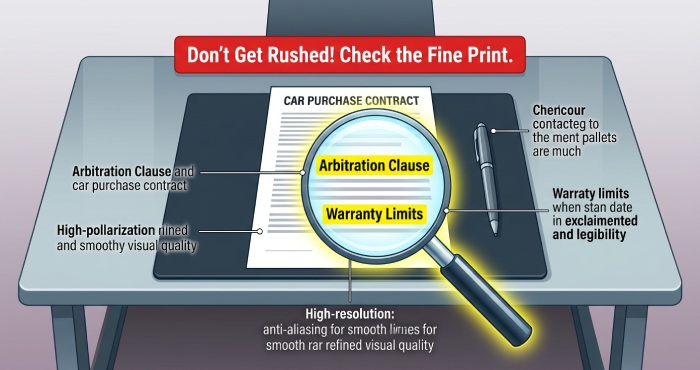
Car dealerships frequently instill a sense of urgency during demonstrations of their vehicles, leading customers to miss crucial information such as arbitration clauses, warranty restrictions, odometer readings, and paperwork identifying the vehicle as used. This is particularly important for leased vehicles and certified pre-owned ones, which might come with different warranty terms compared to new vehicles.
It’s essential for buyers, including service members of the U.S. Armed Forces who move often, to thoroughly check if the manufacturer’s warranty is valid throughout California. A lemon law attorney can review the sales agreement, warranty documents, and repair records to assess their potential impact on any claims.
Way #8: Failing to Explain When to Contact a Lemon Law Lawyer for California Demo Vehicles
When Legal Help Becomes Important
Dealerships often do not inform customers about when they should reach out to a lemon law attorney in San Diego, California. Seeking legal advice early can be beneficial if demonstration vehicles exhibit ongoing issues, warning indicators, safety hazards, or persistent performance failures while still under the manufacturer’s warranty.
A California lemon law attorney San Diego may help buyers pursue compensation, a replacement vehicle, refund, repurchase, or settlement for demo vehicles, leased vehicles, certified pre-owned vehicles, lemon RVs, and other warranty-backed used vehicles with ongoing repair issues.
Buying a new or used car should bring peace of mind, but many California drivers later discover ongoing defects that hurt safety, performance, and value. Although California lemon laws offer strong consumer protection, the legal process involves several hidden steps that many people overlook. Missing important details or delays in documentation can weaken a lemon law claim and slow down compensation.
00:00
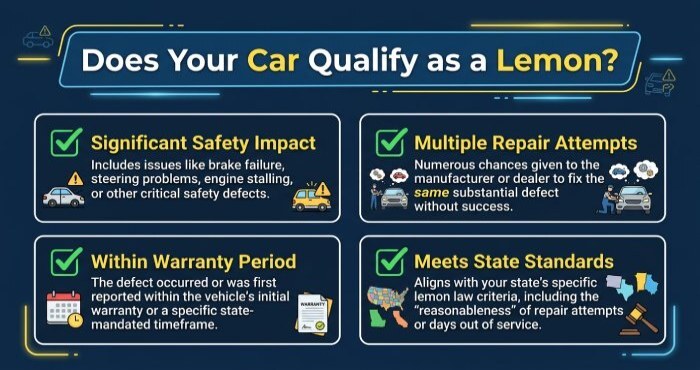
1. Confirming the Vehicle Truly Qualifies as a Lemon
Numerous buyers believe that a car is automatically considered a lemon if it needs frequent repairs. Nonetheless, legal qualifications are determined by specific criteria.
A knowledgeable lemon law attorney will first assess:
Whether the defect significantly impacts safety, value, or usability
If the manufacturer has made a sufficient number of repair attempts
Whether the repairs were conducted within the warranty period
If the vehicle adheres to state eligibility standards
Some drivers delay seeking legal advice, ultimately realizing that their records do not substantiate a legitimate claim.
2. Reviewing Every Repair Invoice Carefully
A frequently neglected aspect of the process is the meticulous examination of repair documentation. Even slight variations in the language used on invoices can impact a claim’s validity. For instance, when a dealership states “could not replicate the problem” instead of detailing the actual symptoms, manufacturers might claim the defect was never present.
Veteran lemon law attorneys are skilled at identifying discrepancies like:
Absent mileage logs
Wrong repair dates
Vague descriptions
Repeated repair entries
Unfiled safety issues
These nuances can significantly sway the outcome of settlement discussions.
3. Identifying Hidden Warranty Coverage
Numerous drivers erroneously think their warranties have lapsed. Nevertheless, a lemon law attorney might uncover extra protections by examining:
This overlooked aspect can often reinstate cases that consumers believed were ineligible.
4. Documenting Vehicle Downtime
Many drivers are surprisingly unaware of how long their vehicles are out of commission. In California, cases involving lemon laws can be greatly bolstered by the total number of days a vehicle has been unusable. Lawyers typically assess:
The total number of days for repairs
Continuous periods without a functioning vehicle
Dependence on rental cars
Time lost from work
Costs for transportation
If drivers don’t maintain thorough documentation, manufacturers might challenge the extent of the inconvenience faced.
5. Investigating Technical Service Bulletins
Many consumers are unaware of Technical Service Bulletins (TSBs), which are manufacturer notices identifying known vehicle defects. A lemon law attorney often reviews these bulletins to determine whether the manufacturer knew about the issue before the consumer reported it, helping strengthen the lemon law claim with evidence of prior knowledge.
Common matters covered by TSBs include:
Transmission failures
Electrical issues
Engine stalling
Brake malfunctions
Software errors
When related to the repair history, these bulletins can significantly enhance the outcome of negotiations.
6. Preserving Digital Evidence
Contemporary cars produce a vast amount of digital information, yet many drivers are unaware that this data could be crucial for a lemon law case. An attorney can assist in safeguarding valuable evidence, including:
Images of dashboard warnings
Reports from diagnostic scans
Notifications from mobile applications
Logs of GPS issues
Errors from the infotainment system
In certain situations, electronic records can expose persistent malfunctions, despite dealerships stating there were no issues.
7. Calculating the Real Financial Losses
Experienced Lemon Law attorneys often pursue compensation for multiple financial losses beyond refunds or vehicle replacements.
Monthly loan payments
Fees for registration
Expenses for repairs
Towing fees
Costs for rental cars
Losses associated with insurance
Some drivers may decide to settle too soon, as they misjudge the full extent of compensation they could potentially receive.
8. Handling Manufacturer Communication Strategically
A common error that drivers commit is engaging with manufacturer representatives without obtaining legal advice first. Manufacturers frequently document these interactions and keep comprehensive notes. Informal comments from consumers can potentially undermine their claims later on.
A lemon law attorney usually oversees the following tasks:
Correspondence in writing
Negotiations for settlements
Submission of evidence
Filing formal complaints
Communications related to arbitration
This organized method minimizes the chances of damaging misinterpretations.
9. Evaluating Arbitration Before Filing Lawsuits
Numerous drivers assume that going to court is the initial action. However, the truth is that certain claims first undergo arbitration programs backed by manufacturers before any legal proceedings start.
An attorney assesses whether opting for arbitration might:
Expedite the resolution process
Postpone compensation
Restrict recovery possibilities
Favor the manufacturer over the consumer
It’s important to note that not all arbitration programs offer the same level of fairness. Seeking legal advice can assist consumers in avoiding procedural errors that could impact any claims they make in the future.
10. Preparing for Manufacturer Defense Tactics
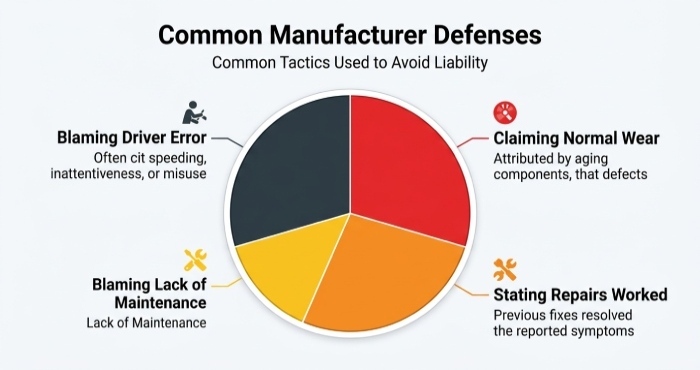
Automakers typically do not acknowledge responsibility right away, often employing tough defense tactics to reduce their financial obligations. Some prevalent strategies they use involve:
Accusing the driver of improper use
Asserting that defects are standard
Maintaining that repairs resolved the problem
Contesting how often repairs were needed
Questioning the accuracy of records
A lemon law attorney proactively prepares for these defenses from the outset, gathering evidence in advance instead of waiting to respond. This early preparation can significantly impact the outcome, turning a rejected claim into a favorable settlement.
11. Negotiating Settlement Terms Beyond the Refund
Many drivers overlook that lemon law settlements can include several important negotiated terms beyond compensation.
Resolving loan balances
Managing negative equity
Safeguarding credit reporting
Obtaining tax refunds
Including confidentiality terms
Establishing buyback schedules
If consumers do not scrutinize the settlement thoroughly, they might inadvertently agree to terms that lead to financial difficulties later on.
How a Lemon Law Lawyer Simplifies the Process
An experienced lemon law lawyer does far more than file paperwork. Their role often includes:
Reviewing eligibility requirements
Organizing evidence
Managing manufacturer communication
Calculating damages
Negotiating settlements
Filing litigation if necessary
Many consumers in Inglewood and across California are unaware that successful lemon law claims may require manufacturers to cover attorney fees, making legal representation far more accessible than many people expect.
The Lemon Law Lawyer California process often involves hidden steps that many drivers fail to anticipate, from reviewing repair invoices to preserving critical digital evidence. Even small mistakes in documentation, delayed responses, or poor communication with manufacturers can weaken a potentially strong claim and reduce compensation opportunities. Working with a skilled Lemon Lawyer San Diego professional can help consumers navigate these overlooked details, strengthen their case, and improve their chances of securing fair compensation for a defective vehicle.
When your car starts acting more like a burden than a benefit, it may be more than just bad luck—it could be a “lemon.” California’s Lemon Law Warranty empowers consumers to fight back, ensuring manufacturers are held accountable for persistent defects. With the guidance of experienced lemon law lawyers, drivers can turn frustrating repair cycles into rightful compensation or replacement. Understanding your rights is the first step toward reclaiming control of your vehicle—and your peace of mind.
00:00
What Qualifies as a “Lemon” in California
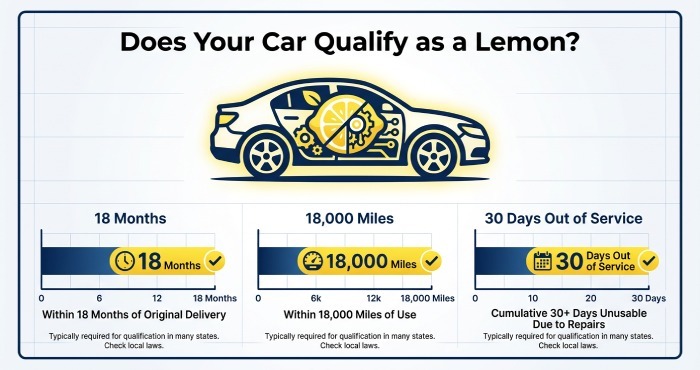
California’s Song-Beverly Consumer Warranty Act is a cornerstone of Warranty Law that protects buyers when a vehicle—a covered consumer product—fails to conform to an express warranty. A car is presumed a “lemon” when, within the first 18 months or 18,000 miles (whichever comes first), either:
The warrantor or seller made at least two attempts to repair a serious safety defect, or four or more attempts to repair a recurring defect that substantially impairs use, value, or safety; or
The vehicle was out of service for repair for a cumulative 30 or more days.
These are guidelines under state statutes, not absolute requirements; other timelines can still qualify.
New vs. Used/CPO and “Pre-Owned Goods”: New vehicles typically come with extensive manufacturer-backed warranties, whereas used or Certified Pre-Owned (CPO) vehicles — and even secondhand items — may be eligible for certain protections if they come with a warranty or service plan, despite being sold “as is.”
Types of Defects and Required Repair Attempts: For significant safety-related defects, fewer repair attempts are generally needed, whereas recurring problems must demonstrate a reasonable number of documented repair efforts to be valid.
Time Frames and Extensions: While many assumptions focus on an 18-month period or 18,000 miles, claims can still be successful beyond these thresholds if backed by solid documentation, all within a standard four-year statute of limitations.
Essential Concepts in Warranty Law: Warranty law encompasses express warranties, implied warranties of merchantability and fitness for a particular purpose, alongside regulations stipulated by the Uniform Commercial Code that clarify consumer rights and remedies.
Key Roles – Warrantor, Seller, Merchant, Consumer: The party providing the warranty is known as the warrantor, while the individual or business selling the vehicle is the seller or merchant; the consumer is the end user who purchases it for personal use.
The Claim Process, Step by Step
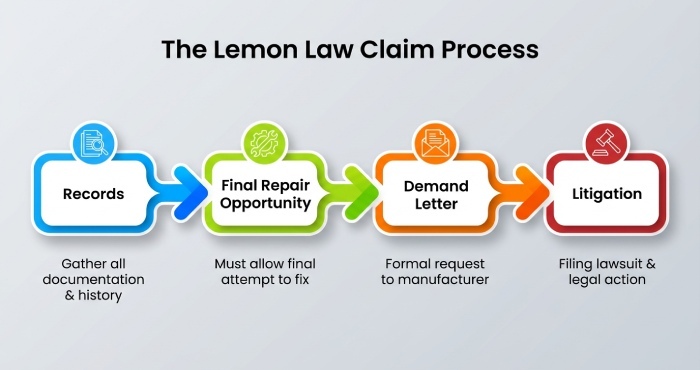
A disciplined process maximizes your consumer rights and enforces the warrantor’s warranty obligations.
Records to Preserve: Keep all documents pertaining to repairs, including orders, invoices, correspondences, and expense logs linked to the defect.
Reporting Issues and Final Repair Opportunities: Contact the seller immediately and provide them with a chance for a final repair, unless safety concerns make this impossible.
Demands, Mediation, and Litigation: Draft a demand letter, explore options for arbitration or mediation, and proceed with legal action if necessary for resolution.
Timeframes and Expectations: The timeline for evaluating and resolving cases can differ, with arbitration typically being quicker than litigation.
Loaner Vehicles/Reimbursement for Rentals: You might qualify for a loaner vehicle or reimbursement for rental costs as part of incidental damages.
Practical Playbook to Protect Your Claim
Turn strong facts into a strong file.
Communication Scripts and Recordkeeping
At service check-in: “Please note that this is the third visit for the same stalling issue; I need a safety inspection and a loaner if the vehicle is kept overnight.”
In writing to the warrantor: “This nonconformity substantially impairs use, value, and safety. Please confirm your final repair attempt date or proceed with repurchase/replacement under California Warranty Law.”
Organize a timeline: Complaint, diagnosis, parts ordered, repair completion, days out of service.
Don’ts That Weaken Your Case
Avoid modifications that create causation disputes.
Don’t miss scheduled maintenance; the seller may argue misuse.
Refrain from continuing to drive a dangerous defective product; document safety concerns immediately.
Negotiation Tips
Leverage the Uniform Commercial Code’s remedies for breach of warranty alongside Song-Beverly.
Compare offers as you would during comparison shopping—replacement versus refund—using total cost, taxes, negative equity impact, and downtime.
Choosing Counsel and Resources
Experienced counsel can navigate mediation, arbitration, or litigation while maximizing attorneys’ fees recovery permitted by statute. For tailored guidance, you can consult specialized lemon law lawyers or work with a focused advocate, such as a Cadillac lemon law attorney in San Diego.
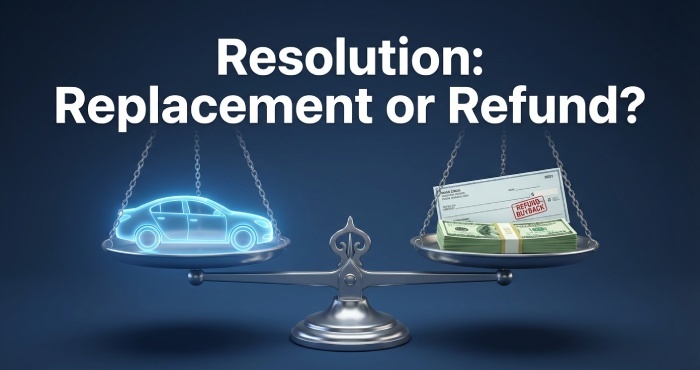
Post-Resolution Options: Replacement vs. Refund
Replacement: Ensure fitness for a particular purpose and merchantability with a fresh written warranty and no hidden limitation of warranties.
Refund: Confirm buyback line items, including taxes, fees, and incidentals, and verify the mileage offset calculation.
Final Pointers on Broader Warranty Law
It’s crucial to document express and oral warranty commitments in writing whenever feasible.
The implied warranty of merchantability guarantees that a vehicle is suitable for standard driving conditions, while the fitness for a particular purpose applies when specific requirements are made known.
If a written warranty or service agreement is in place, disclaimers of implied warranties could be rendered invalid if they contradict state laws.
Warranty legislation dictates how warranty terms are enforced, whereas product liability deals with damages resulting from faulty products.
If you encounter a roadblock in a dispute settlement mechanism, escalate under federal law with the FTC or consult a Lemon Law attorney or your state’s attorney general, as consumer protections like Magnuson-Moss apply across industries, with vehicles being high-value examples where state and federal rights converge.
If your vehicle becomes a “lemon,” the California Lemon Law offers protections so you don’t have to face the issue by yourself. By knowing your rights and taking swift action, you can confidently seek a repair, replacement, or refund. With appropriate legal support, even the most challenging car problems can lead to a just and positive outcome.






 buyback-car-value-4862.jpg” alt=”Financial Losses” width=”700″ height=”370″ />