
Consignment vehicle sales may appear trustworthy because the car is displayed by a dealer, but the actual owner is often a private seller, which can create confusion over responsibility for defects, warranties, repairs, and consumer protections. In California, agencies such as the Los Angeles County Department of Consumer and Business Affairs and the California Department of Consumer Affairs provide guidance on vehicle purchases, leasing, and fraud prevention, but buyers should still carefully review all terms before purchasing a consignment vehicle.
Risk #1: Limited Lemon Law Protection Compared With Dealer-Sold Vehicles
Lemon law protections tend to be more robust for new cars that come with manufacturer warranties. In contrast, consignment sales can lead to conflicts regarding liability for defects and necessary repairs. Since consignment agreements might include limited warranties or be sold “as-is,” buyers shouldn’t expect the same level of consumer protections as they would when purchasing a new or certified pre-owned vehicle.
If serious defects appear soon after purchase, speaking with a skilled Lemon law attorney may help clarify whether the vehicle, warranty, or repair history supports a lemon law claim. In some cases, service contracts or extended warranties may provide separate remedies, but they are not the same as lemon law rights.
Risk #2: Unclear Accountability Between the Consignor, Dealer, and Buyer
One of the biggest problems with consignments is accountability. The buyer sees the vehicle at a dealership or car lot, negotiates with sales staff, and signs paperwork in a business setting. Yet when defects surface, the dealer may say the consignor is responsible, while the consignor may claim the dealer handled disclosures, pricing, and paperwork.
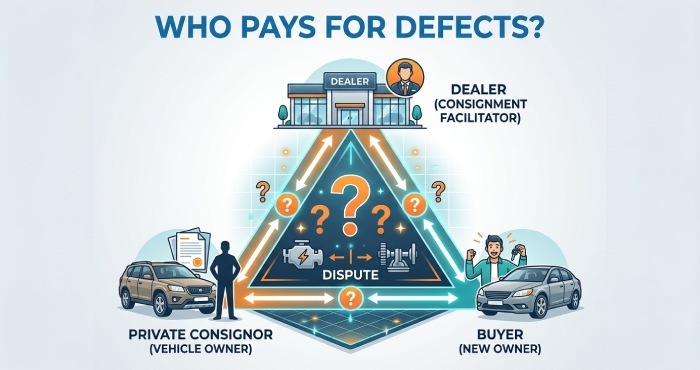
This creates a difficult contract problem. The written contract may include “as-is” language, limited warranty disclaimers, or statements that the dealer is only an agent. If the buyer later seeks canceling a contract, small claims relief, or a formal dispute process, the first challenge may be identifying who legally owed the duty to disclose unresolved defects.
Risk #3: Hidden Repair Histories That May Not Appear in Vehicle Reports
A clean vehicle history report does not guarantee a problem-free used car, especially in consignments where repairs, recurring mechanical issues, open recalls, or warranty exclusions may never appear in public records, making it important for buyers to review maintenance records, recall databases, and warranty details before purchasing.
Documentation to Request Before Signing
Before buying a vehicle, request repair records, inspection and smog reports, warranty details, title history, and written defect disclosures. If recent car repairs were completed, ask for receipts showing the repair date, mileage, shop information, and parts used. Families should also confirm child car seat compatibility, airbag status, and safety recalls. Keeping detailed documentation can strengthen fraud prevention efforts and provide helpful evidence for credit card disputes, agency complaints, or small claims cases if problems arise later.
Risk #4: As-Is Terms That Shift Defect Costs to the Buyer
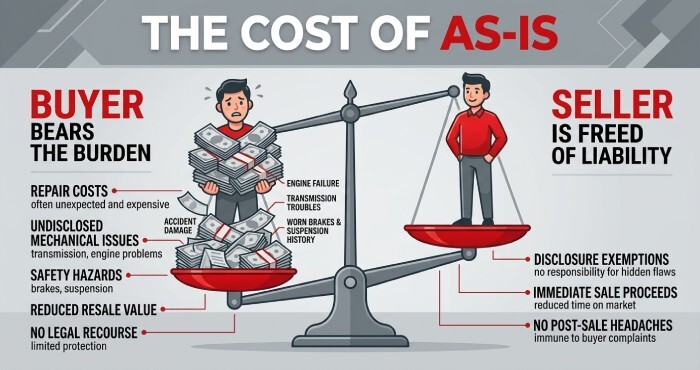
Numerous consignment contracts feature “as-is” provisions, indicating that the buyer could inherit pre-existing or concealed issues with the vehicle after the sale. Typically, repair costs fall to the buyer unless evidence of fraud, misrepresentation, warranty breaches, or other consumer protection violations is presented.
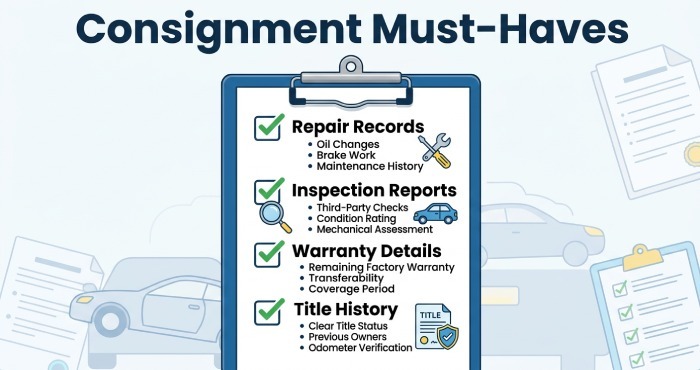
The potential for such risks can be greater in consignment transactions, as dealers and consignors may restrict warranty protections or absolve themselves of responsibility for any defects. While California’s Car Buyer Bill of Rights offers some consumer safeguards through its disclosure and financing requirements, it remains crucial for buyers to meticulously examine all contracts, warranties, and service agreements before finalizing their purchase.
Risk #5: Difficulty Proving the Seller Knew About Unresolved Defects
Even when a defect is serious, proving knowledge can be difficult. A buyer may suspect that the consignor or dealer knew about an unresolved defect, but suspicion is not evidence. To prove concealment or fraud, the buyer often needs repair records, inspection notes, advertisements, text messages, emails, prior owner statements, or mechanic testimony.
Evidence That Can Strengthen a Defect Claim
Documents including inspection reports, records of frequent repairs, diagnostic codes, recalls, discrepancies in mileage, and written commitments from sellers can bolster a buyer’s argument when facing disputes, mediation, or appeals. Additionally, financial documents such as credit reports, loan agreements, and payment confirmations could uncover deceptive sales tactics. Moreover, fraud alerts and security freezes serve as valuable tools for safeguarding consumers against identity theft or credit fraud associated with car buying or leasing.
Risk #6: Financing and Warranty Gaps That Leave Buyers Exposed
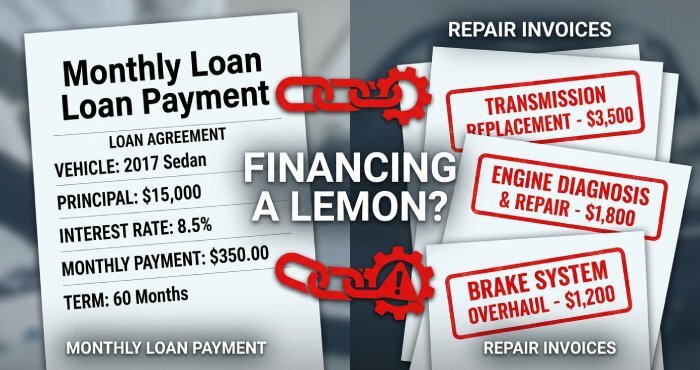
Unresolved vehicle defects can become even more costly when financing is involved, leaving buyers stuck making payments on a car needing immediate repairs while risking credit damage, repossession, or pressure from collection agencies if they fall behind. Similar issues can arise with car leasing, so whether buying or leasing a new or used vehicle, consumers should carefully compare the financing terms with the vehicle’s true condition before committing.
Why Optional Products May Not Solve the Problem
Service contracts, extended warranties, and maintenance plans can provide protection, but they do not replace a proper vehicle inspection, especially since many warranties limit coverage, require maintenance records, or deny claims for preexisting defects, making it important for buyers to carefully review financing terms and consider financial counseling resources before accepting costly loans on a potentially defective vehicle.
A Lemon Law Lawyer California may be able to evaluate whether financing documents, warranty terms, service contracts, and repair history support a claim under the lemon law or other consumer protection statutes.
Risk #7: Reduced Legal Remedies if Defects Surface After Purchase
The longer a buyer waits to act, the harder it may be to prove the defect existed before the sale. Legal remedies can narrow if the vehicle was sold as-is, the warranty expired, the service contracts exclude coverage, or the extended warranties administrator denies responsibility. This is why prompt inspections and written complaints are essential after defects appear.
Buyers should document every repair attempt, save all car repairs invoices, and communicate in writing. If the seller refuses help, consumers may file a complaint with DCBA, the California Department of Consumer Affairs, or other agencies. They may also request mediation, use mediation services, pursue small claims, or consult counsel about contracts disputes, fraud, or lemon law options. In some situations, a Lemon Law attorney San Diego ca can assess whether the lemon law, consumer protection statutes, or warranty law offers relief.